








Cultural Icons and Political Fashion: When Fashion Becomes More Than Clothing
Fashion has always been more than a way to cover the body. It is a language; an unspoken form of self-expression that communicates who we are, what we value, and what we stand for. Throughout history, clothing has played a pivotal role in reflecting social change, identity, and rebellion. Whether through protest attire, national dress, or streetwear inspired by political movements, fashion has the power to influence minds and spark conversations. Today, in an era of social awareness and digital visibility, political fashion has become a powerful form of activism. Every outfit can become a message, and every designer has the opportunity to influence how people perceive justice, equality, and culture.
The growing fusion of art, identity, and politics has transformed how society views clothing. From suffragettes wearing white to symbolize purity in their fight for women’s rights to modern influencers using apparel to advocate for climate justice, activist style has shaped history. Beyond trends and fabrics, fashion embodies emotion and conviction. It provides a stage for cultural and political storytelling where identity and message intertwine. The emergence of cultural identity fashion shows how clothing can carry deeper meaning; becoming both a shield of heritage and a banner for change.
The Historic Roots of Political Fashion
Fashion and politics isn’t new. Throughout history what we wear has symbolised power, allegiance and resistance. Royal clothes projected dominance, revolutionary clothes defied authority. For example during the French Revolution the sans-culottes rejected aristocratic breeches for long trousers as a symbol of equality. In the 60s civil rights activists wore black as a symbol of solidarity and unity in their pursuit of justice. These moments in history show how fashion communicates ideals beyond aesthetics.
In many cases fashion is the visible manifestation of underlying social tensions. When women wore trousers in World War II it wasn’t just for convenience it was a quiet revolution against traditional gender roles. African prints in the 70s signified cultural pride and decolonisation, punk in the UK was rebellion against economic despair and rigid class structures. Each movement used activist style to reclaim narrative power. What started as clothes became cultural symbols that shaped public opinion and inspired generations to challenge the norms.
Fashion as a Form of Protest
Protest fashion is one of the clearest ways clothing transforms into a tool for communication. When voices struggle to be heard, style becomes a statement that cannot be ignored. The 20th and 21st centuries are filled with examples of individuals and groups using apparel to draw attention to causes. From slogan T-shirts shouting messages like “We Should All Be Feminists” to color-coded uniforms such as pink hats at women’s marches, political fashion helps unify movements through visual identity.
Activist style works because it is both emotional and accessible. Anyone can participate simply by wearing a symbol or garment that represents solidarity. Protest fashion transcends language and borders, creating instant recognition. It is an art form that combines design with conviction, transforming runways, streets, and social media into platforms of advocacy. Whether addressing climate change, racial justice, or gender equality, protest fashion turns the body into a moving canvas for social dialogue. This blend of expression and defiance continues to push fashion beyond aesthetics, embedding it firmly in the heart of cultural and political transformation.
The Role of Designers as Cultural Commentators
Designers have always been storytellers, translating cultural and political currents into fabric, color, and form. Many modern designers use their platforms to challenge societal norms and provoke critical thinking. Brands such as Vivienne Westwood and Katharine Hamnett pioneered political fashion by integrating activism directly into their collections. Their designs went beyond beauty; they carried messages about sustainability, peace, and freedom. By doing so, fashion houses began to evolve into cultural institutions that reflected the moral compass of their time.
Today, this trend continues with designers across the globe using activist style to respond to world issues. From collections that raise awareness about climate change to collaborations with humanitarian organizations, fashion now serves as a megaphone for advocacy. These creative voices bridge art and activism, crafting pieces that question privilege, consumerism, and injustice. When couture garments feature slogans or repurposed materials, they send a powerful message: clothing can no longer be neutral. It is both a reflection and a catalyst of social consciousness. In this sense, fashion’s creative elite are no longer just tastemakers; they are agents of transformation shaping how culture interprets responsibility and ethics.
The Rise of Cultural Identity Fashion
In a world increasingly aware of heritage and representation, cultural identity fashion has gained remarkable prominence. Clothing is no longer only about aesthetics; it has become a means of celebrating where one comes from and what one believes in. Traditional weaves, indigenous craftsmanship, and regional textiles have re-emerged as powerful symbols of pride and self-assertion. For communities long marginalized or misrepresented, fashion has become a vehicle for reclaiming authenticity and rewriting narratives.
Designers who champion cultural identity fashion often draw from ancestral roots while reinterpreting them for modern contexts. This practice transforms garments into living archives of history and emotion. Wearing traditional attire in contemporary spaces is no longer seen as old-fashioned; it is a proud declaration of belonging. It embodies political fashion by affirming that culture is not to be erased or diluted. Through style, individuals reaffirm the right to visibility and voice. In this sense, fashion becomes not just about individual expression but collective memory; an act of resistance that honors the past while shaping the future.
Celebrity Influence and the Global Stage
Celebrities have become vital conduits for spreading messages through fashion. With immense social media reach, public figures often use appearances, red carpet events, and endorsements to support causes and challenge injustices. When artists like Lady Gaga wear gowns made of recycled materials or actors attend award shows in gender-fluid clothing, they engage in political fashion that sparks global conversations. These acts of visibility normalize discussions around gender equality, sustainability, and inclusivity.
For many, celebrity-driven activist style provides inspiration and validation. It demonstrates that fashion can be glamorous and meaningful at the same time. Cultural icons such as Rihanna, Beyoncé, and Zendaya have also used clothing to highlight Black excellence, heritage, and empowerment, blending entertainment with advocacy. Similarly, designers like Prabal Gurung and Stella McCartney create collections that reflect human rights and environmental ethics. When culture, fame, and style converge, the message becomes amplified; showing how fashion, in the right hands, can influence millions to think, question, and act differently.
The Gender Dimension of Fashion Activism
Fashion has long played a role in shaping gender identity and challenging stereotypes. What people wear often determines how they are perceived socially and politically. The breaking of traditional dress codes, from women wearing pants to men embracing fluid silhouettes, reflects deeper transformations in societal values. This ongoing evolution highlights how political fashion operates as a dialogue about equality and freedom.
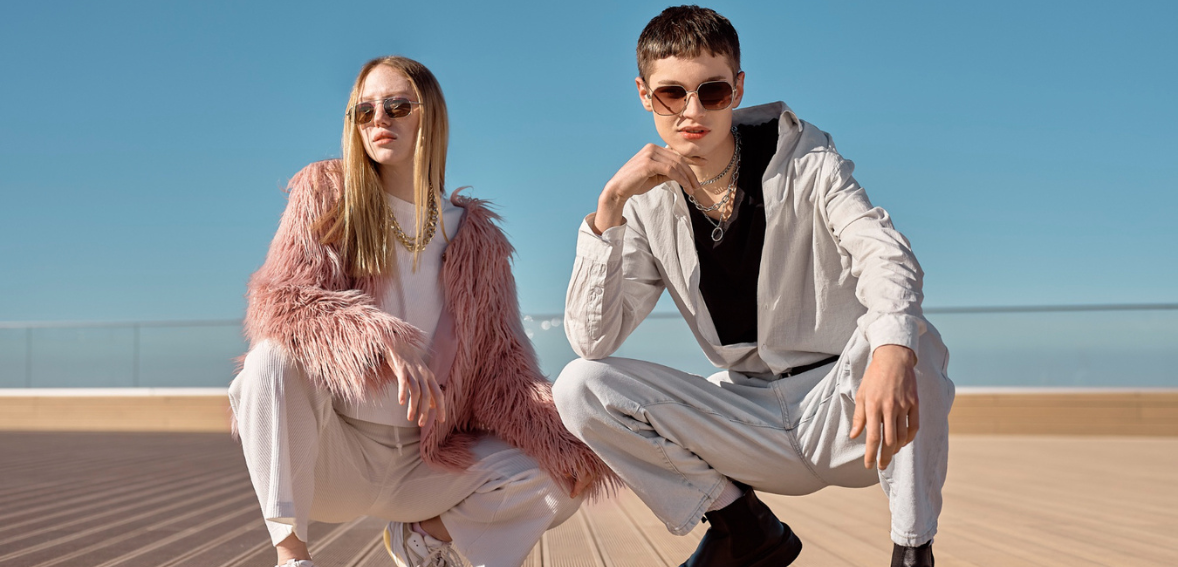
In recent years, activist style related to gender expression has become one of the most visible forms of fashion-driven change. Designers and influencers are using their platforms to promote inclusivity, diversity, and acceptance of non-binary identities. Brands are blurring lines between menswear and womenswear, celebrating individuality over conformity. This shift in design philosophy has made cultural identity fashion more inclusive, expanding the definition of beauty and identity. By challenging gender norms through fashion, the industry continues to push boundaries, reminding society that personal expression is itself a form of political resistance.
Fashion and Environmental Activism
In an age of climate awareness, sustainability has become one of the most significant arenas for political fashion. The clothing industry, known for its massive environmental footprint, faces pressure to evolve toward ethical production. Consumers now expect brands to prioritize transparency, fair labor, and eco-friendly materials. This has given rise to activist style rooted in environmental consciousness, where each garment serves as both a statement and a solution.
Movements like slow fashion and circular design reflect a shift from consumption to conservation. Wearing thrifted, recycled, or upcycled clothing is no longer viewed as a limitation; it is an ethical declaration of intent. Cultural identity fashion also plays a role here, as traditional production methods often align with sustainable values, emphasizing craftsmanship and longevity. When designers merge modern innovation with ancestral wisdom, they showcase how heritage practices can guide the future of sustainable fashion. In this context, fashion activism extends beyond slogans; it becomes a movement that protects both people and the planet.
Streetwear and the Democratization of Political Expression
Streetwear has changed the face of activism in fashion. Once seen as casual, it’s now at the forefront of political fashion, representing youth voices, social rebellion and creative freedom. What makes streetwear powerful is its universality; it’s a language understood across class and culture. Hoodies, sneakers and graphic tees carry political messages or cultural references that unite communities under one umbrella.
Activist style captures the mood of social movements faster than traditional fashion. It reflects the times; whether it’s police brutality, racial injustice or worker’s rights. By combining comfort with conviction, streetwear is authentic and timely. Collaborations between artists and brands allow cultural identity fashion to thrive, blending global influences with local stories. And streetwear proves activism isn’t just for runways; it’s in the everyday expressions of ordinary people who wear their beliefs on their sleeve, literally.
Fashion as a Cultural Archive
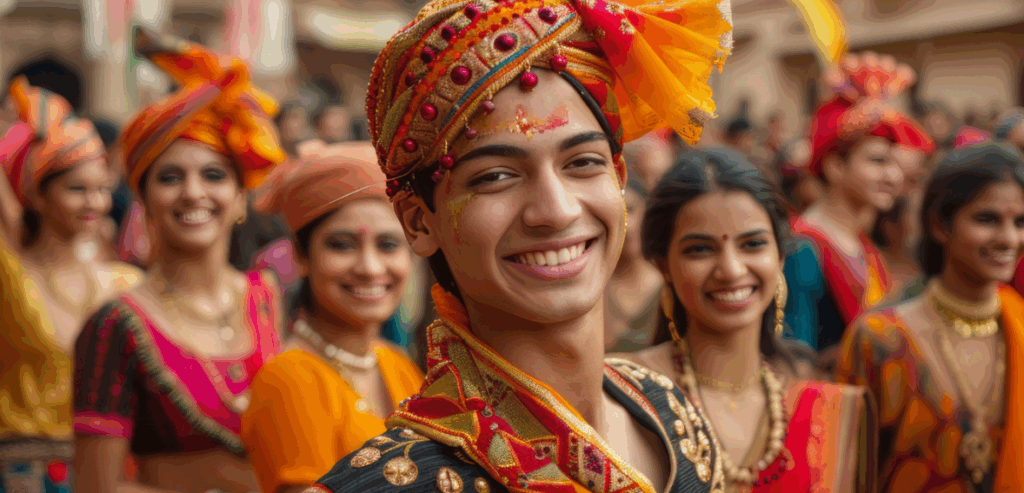
Every generation leaves behind visual traces of its beliefs through clothing. What we wear today will someday serve as a historical record of our values and struggles. Fashion functions as a living archive, preserving cultural memory through design, fabric, and symbolism. Each era’s garments tell a story of who we were and what we fought for. From traditional attire to high couture statements, cultural identity fashion connects the present to the past.
By documenting social change through style, political fashion helps future generations understand the emotions and ideals that shaped their world. Curators and historians now treat fashion exhibits as political reflections, not mere showcases of aesthetics. This perspective positions activist style as a vital tool for education, empathy, and awareness. Clothing becomes a form of historical evidence; a tactile connection to the human experiences that defined movements. In this way, fashion ensures that cultural transformation is not forgotten but woven into the fabric of collective consciousness.
The Digital Age and Fashion’s New Platforms
Social media has changed how fashion communicates political and cultural messages. Instagram, TikTok and Twitter allow ideas to spread instantly and turn trends into global movements in hours. Hashtags, digital campaigns and influencer partnerships make political fashion more participatory and inclusive. Now anyone can be an advocate by sharing a post or styling an outfit for a cause.
This digital shift has also given more voices in fashion. Independent creators and activists can now show their activist style without relying on traditional gatekeepers. The democratization of visibility has given rise to more authentic expressions of identity and cultural identity fashion from marginalised communities can reach global audiences. But the digital landscape also challenges authenticity; brands are being held to account for performative activism. True influence now is not just what a brand says but what they do consistently. In this fast paced online world fashion’s political and cultural impact is measured by action not aesthetics.
Education and Awareness Through Fashion
Fashion has become a powerful tool for teaching empathy, social responsibility and cultural awareness. Schools, museums and advocacy groups are using clothing to explore topics like race, gender and history. Workshops and exhibitions on political fashion help people see the connection between what we wear and what we believe. By engaging visually people can connect emotionally to causes that might otherwise seem abstract.
Activist style education empowers the next generation to use creativity as a voice for justice. Students and aspiring designers learn that fashion is not just about how it looks but about the impact. Many design schools now include sustainability and inclusivity as part of their core curriculum. This integration means a generation of creatives who value purpose as much as aesthetics. Cultural identity fashion classes teach respect for heritage and diversity, bridge cultural gaps through artistry. As more people see fashion as cultural commentary and political expression awareness grows and global conversation becomes richer and more empathetic.
The Economics of Political Fashion
Behind every powerful message stitched into a garment lies an industry influenced by profit, demand, and social pressure. The rise of political fashion has changed how brands position themselves in a competitive global market. Consumers increasingly expect companies to stand for something, not just sell products. This has led to a new form of ethical branding where values, transparency, and activism drive loyalty. When brands integrate sustainability or diversity into their marketing, they tap into a deeper connection with their audience. However, this commercial aspect can blur the lines between sincerity and opportunism.
While genuine activist style challenges systems and uplifts communities, some companies use slogans as a marketing tactic without making real change. The economics of fashion activism therefore demand balance; authentic advocacy paired with responsible business practices. For small designers rooted in cultural identity fashion, financial sustainability remains a challenge, as handmade craftsmanship often costs more to produce. Yet these independent labels are vital; they remind the world that purpose-driven design can exist outside mass production. As global consumers become more conscious, ethical purchasing choices will determine which brands thrive in this new era where commerce and conviction intertwine.
Fashion Weeks as Political Stages
Runways were once for aesthetics only, but now they’re cultural and political platforms. Major fashion weeks in Paris, Milan, New York and London have become where designers speak out on human rights, climate change and inclusivity. Through carefully curated collections, political fashion turns the catwalk into a form of storytelling that goes beyond beauty. Designers use fabrics, colours and choreography to make statements on global issues; whether it’s refugee crises or indigenous traditions. This is what modern activist style is. Each model on the runway is a messenger, each outfit a manifesto.
In recent years cultural identity fashion has also been recognized at these global events with traditional artisans collaborating with luxury brands. This diversity not only broadens the aesthetic but also educates the audience on history and heritage. By using the runway as a platform for advocacy the industry is redefining what fashion weeks mean. They’re no longer exclusive to privilege but evolving spaces where dialogue, representation and responsibility take centre stage; and prove that style can indeed change the world.
The Role of Youth Movements in Shaping Fashion Activism
Young people have always led cultural revolutions and today’s generation is doing so through fashion. With social media at their disposal, youth are redefining political fashion as participatory, raw and immediate. They reject beauty standards and hierarchies and individuality is their biggest protest. Streetwear, thrift culture and gender neutral trends have all come from youth innovation. What’s different about this movement is authenticity; today’s young activists want action not symbolism. Through activist style they turn local issues into global movements, using fashion to express solidarity, environmental awareness and identity pride. Their choices reflect a broader understanding of cultural identity fashion where self expression connects deeply to heritage and social justice.
Whether they’re organizing sustainable pop-ups or promoting secondhand fashion online, youth are proving that awareness and aesthetics can coexist. This forces big brands to evolve as younger consumers put ethics and inclusion over luxury labels. Ultimately the new generation’s vision redefines fashion’s purpose; it’s not about exclusivity but empowerment, not about trends but transformation. Their energy means activism will be sewn into the fabric of the industry’s future.
When Fashion Meets Art and Media
Fashion, art and media have always been connected but in this day and age they have become one storytelling platform. Visual artists work with designers to turn collections into commentary and filmmakers document movements that challenge the norm. This convergence makes political fashion more powerful, turning garments into symbols seen on screens, in galleries and billboards. In these collaborations activist style becomes more immersive, mixing message with aesthetic to make an impact. Documentaries about designers who tackle social issues or exhibitions that explore identity through clothing help us connect with the meaning behind what we wear.
Digital creators amplify cultural identity fashion through photography and video, preserving tradition while pushing boundaries. When fashion meets media messages travel further and faster and individual statements become global experiences. These artistic partnerships mean clothing is no longer just a product but a cultural object. Fashion, art and media is the language of our time; one that challenges stereotypes, celebrates diversity and asks us who we are and what we stand for.
Conclusion
Fashion today stands as a powerful force for cultural and political expression. Beyond aesthetics, it mirrors society’s values, struggles, and transformations. Political fashion; from bold runway statements to grassroots streetwear; shows how clothing can raise awareness and unite people. The rise of activist and identity-based styles proves that creativity and conviction can merge, turning personal expression into social action. By celebrating heritage and diversity, cultural identity fashion asserts that honoring one’s roots is a political act in itself.
Designers, influencers, and individuals now use fashion as a platform to advocate for justice, equality, and change. Every garment carries meaning; threads of resistance, pride, and hope. Fashion’s true power lies in its universality; it transcends borders and languages to convey messages everyone can see and feel. When culture and politics converge through style, fashion becomes more than beauty; it becomes a catalyst for progress and a reflection of history in motion