



Television, Cinema, and Couture: How Screen Style Redefined Our Wardrobes
For nearly a century, television and film have shaped more than just entertainment; they have influenced how people think, speak, and most profoundly, how they dress. From the glamorous golden age of Hollywood to the contemporary rise of streaming platforms, the screen style has acted as a mirror reflecting and redefining social style. Today, it is impossible to discuss fashion trends without acknowledging the impact of visual storytelling. Film fashion, TV style influence, and costume-inspired trends have transformed wardrobes into cultural statements, blending art, identity, and aspiration into one.
The relationship between what we watch and what we wear is not a coincidence but a continuous dialogue. Costume designers, directors, and even actors collaborate to build characters that extend beyond the screen. Their wardrobes shape narratives, evoke emotion, and inspire millions. From tailored suits in spy thrillers to oversized streetwear in youth dramas, each look carries meaning. The democratization of fashion through media has blurred lines between haute couture and everyday attire, proving that inspiration often begins in fiction before finding its place in reality.
The Golden Age of Film and the Birth of Screen Style
In the early days of cinema, audiences flocked to theaters not only for storytelling but also for style inspiration. Film fashion during Hollywood’s golden era established a new ideal of elegance. Stars like Audrey Hepburn, Grace Kelly, and Marlon Brando became global fashion icons, shaping the aesthetic aspirations of entire generations. Their on-screen wardrobes influenced real-life choices, from Hepburn’s little black dress in Breakfast at Tiffany’s to Brando’s rugged leather jacket in The Wild One.
This period marked the beginning of costume design as an art form. Designers such as Edith Head and Hubert de Givenchy transformed wardrobe into narrative, using clothing to communicate a character’s personality, status, and transformation. What audiences saw on the big screen became instantly desirable. The accessibility of cinema made high fashion aspirational yet reachable, setting the tone for the cultural power that film fashion would continue to hold in shaping identity and desire across decades.
Television Takes the Baton: Fashion for the Living Room Era
As television entered homes in the mid-20th century, it brought style closer to everyday life. TV style influence became a defining force, shaping everything from workplace attire to weekend casuals. Series like I Love Lucy, The Brady Bunch, and later Dynasty and Sex and the City turned characters into trendsetters. Audiences no longer had to visit theaters to be inspired; their living rooms became fashion runways in real time.
Television’s power lay in its consistency. Unlike films, shows aired weekly, allowing characters’ looks to evolve gradually and reflect current cultural shifts. Costume departments worked tirelessly to ensure wardrobe authenticity while subtly influencing what viewers would wear next season. Costume-inspired trends flourished as fans replicated their favorite characters’ styles. The accessibility of TV meant these trends spread faster than ever before, solidifying television’s role as both a cultural educator and a fashion influencer for the masses.
The Artistry Behind Film Fashion
Behind every iconic movie look is a team of creatives bringing the story to life through fabric. Film fashion is all about intention; every colour, texture and silhouette is chosen to elicit an emotion or reveal something about a character. Costume designers balance aesthetics with practicality, making sure clothes work within the story’s world and leave a visual mark that lingers long after the credits roll.
Movies like The Great Gatsby, Moulin Rouge! and Black Panther show how a wardrobe can define an entire cinematic identity. Their costumes set the bar for elegance, excess and symbolism. Designers research historical periods, psychological details and social commentary to weave reality into fantasy. This craftsmanship makes film wardrobes timelessly relevant for designers, stylists and fans around the world. The best film fashion moments aren’t about copying; they inspire reinterpreting, so we can bring cinematic glamour into our own lives and have a lasting conversation between art and everyday style.
Iconic Television Wardrobes That Changed Pop Culture
From Friends to Mad Men, certain TV series have left an indelible mark on how people dress. TV style influence is most evident when characters’ wardrobes transcend fiction to become cultural touchstones. Rachel Green’s 90s outfits sparked a revival of casual sophistication, while Mad Men’s retro tailoring reignited appreciation for mid-century formality. Even comedies like The Office subtly shaped workplace fashion with minimalist, relatable ensembles.
The power of television lies in repetition. Viewers spend years with beloved characters, internalizing their evolution through clothing. Costume departments, aware of this, craft wardrobes that mirror emotional growth. Costume-inspired trends often emerge when fans see themselves in these characters; relatable, imperfect, yet stylish in their own way. Streaming-era hits like Emily in Paris and Euphoria have taken this to a new level, merging global aesthetics with digital virality. Through television, fashion no longer trickles down from designers; it travels laterally, from one screen to another, across continents and cultures.
The Digital Revolution and Social Media’s Amplification
With the advent of social media, TV style influence and film fashion became instantly accessible and endlessly reproducible. Platforms like Instagram, TikTok, and Pinterest have turned moments from shows and films into viral trends overnight. A single scene can spark thousands of recreations, fashion hauls, and influencer collaborations. This immediacy has accelerated costume-inspired trends, making fashion not just reactive but interactive.
Audiences no longer passively consume style; they participate in it. When Zendaya debuts a striking ensemble in Euphoria or Margot Robbie channels Barbie’s pastel world, fans replicate the look within hours. The gap between costume and closet has nearly disappeared. Designers now consider social virality as part of their creative process, knowing that visual appeal on-screen can drive real-world sales. In this digital age, the screen has become both inspiration and marketplace, where fiction and commerce seamlessly coexist, redefining how fashion lives and evolves.
Costume-Inspired Trends and Their Real-World Translations
The magic of costume-inspired trends lies in how they bridge fantasy and reality. What begins as a character’s outfit can quickly transform into a mainstream fashion movement. Think of the preppy revival inspired by Gossip Girl, the sleek suits from Suits, or the bohemian resurgence following Mamma Mia!’s Mediterranean vibe. Each reflects how screen fashion adapts to real-life context.
What makes these trends so enduring is their emotional connection. People wear what they watch because it lets them embody a lifestyle or attitude associated with a character. Film fashion gives aspirational power to clothing, while television democratizes it through familiarity. Together, they create a feedback loop; designers draw from film and TV aesthetics, and audiences return the favor by integrating them into daily wardrobes. The result is a dynamic fashion ecosystem where creativity circulates freely between entertainment, industry, and individual expression.
How Screens Democratized Couture
Once the preserve of elites, couture has found a new audience through film and television. Screen exposure made high fashion aspirational rather than unattainable. Shows like Bridgerton revived corsetry and pastels, while movies like Crazy Rich Asians showcased global luxury with cultural nuance. These examples prove that film fashion can modernize historical silhouettes and make them relevant to contemporary audiences.
Meanwhile, TV style influence has pushed couture into everyday conversations. Fashion collaborations between designers and streaming platforms have blurred distinctions between red carpet exclusivity and street style accessibility. Costume-inspired trends now emerge from limited-edition collections that mirror on-screen aesthetics. By merging entertainment with commerce, television and cinema have expanded couture’s reach, turning it from a symbol of exclusivity into a language of self-expression accessible to anyone with imagination and confidence.
The Cultural Impact of Character Identity
Every memorable fashion moment on screen is tied to character identity. From James Bond’s tailored tuxedos to Daenerys Targaryen’s regal gowns, clothing becomes storytelling shorthand. Film fashion and TV style influence don’t just sell clothes; they communicate emotion, transformation, and power dynamics. The way characters dress often reflects internal struggles or triumphs, allowing audiences to connect on a deeper level.
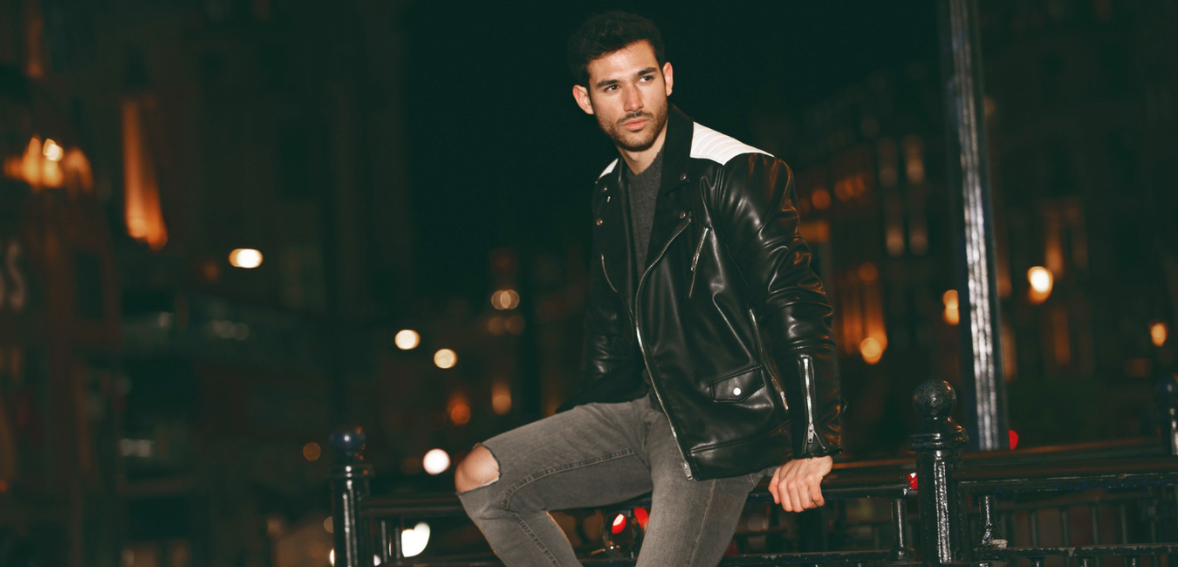
Costumes create archetypes that persist in pop culture. The rebellious leather jacket, the femme fatale silhouette, the intellectual blazer; all began as cinematic symbols before becoming wardrobe staples. Designers understand that these costume-inspired trends hold cultural weight, influencing everything from advertising to political imagery. Fashion, when framed through storytelling, becomes a reflection of identity in motion, capturing how style can both conceal and reveal who we are.
Globalization and the Blending of Fashion Narratives
In a connected world, film and TV style have become global languages. Korean dramas made minimalism cool, Bollywood movies made maximalism colourful and Western films made hybrid styles that combined both. Streaming platforms have accelerated this exchange, so trends can cross borders in an instant.
As we consume international content, costume trends blend cultural narratives. A Japanese kimono jacket or an Italian linen suit can live in the same wardrobe, that’s how fashion is getting more inclusive. Designers around the world are referencing global moments from media, combining East and West, vintage and futuristic, luxury and streetwear. This mashup redefines what modern couture looks like; diverse, fluid and borderless. The global reach of screens means fashion is a shared cultural experience, united by creativity and curiosity not geography or tradition.
The Future of Screen-Driven Fashion
Looking ahead, the intersection of entertainment and fashion will only deepen. As technology evolves, so will the ways we consume and replicate style. Virtual production, augmented reality wardrobes, and digital couture are set to revolutionize film fashion and TV style influence. Audiences may soon experiment with interactive clothing that exists both physically and digitally.
At the same time, sustainability will reshape costume-inspired trends. Designers are exploring eco-conscious materials and rental platforms to reduce waste while maintaining creativity. Audiences are more aware than ever of ethical production, meaning that the next wave of screen-driven fashion will blend glamour with responsibility. Whether through immersive experiences or responsible design, the synergy between fashion and storytelling will remain unbreakable. What we see on screen will continue to inspire, but it will also encourage mindful consumption; proving that style’s true power lies in its ability to adapt, evolve, and inspire conscious expression.
The Power of Costume Designers as Cultural Architects
Behind every iconic on screen look is a costume designer who is both storyteller and cultural architect. These people bridge the gap between narrative and aesthetics, turning characters into fashion icons. Through their vision film fashion becomes more than just a wardrobe; it’s a tool for emotional storytelling. Designers like Ruth E. Carter in Black Panther and Patricia Field in Sex and the City have created entire fashion movements that continue to influence streetwear, couture and global design.
Their process often involves deep research into social identity, symbolism and movement. When done well costumes don’t just complement a character; they define them. We subconsciously associate certain colours or silhouettes with personality traits, so TV style influence and costume inspired trends become cultural shorthand. Costume designers today work with fashion houses to create hybrid looks that merge storytelling with commerce, so that cinematic style influences both catwalks and retail stores. In this way costume design goes beyond its craft and becomes a global conversation about representation, artistry and identity through clothing.
The Psychological Impact of Screen Fashion
Why do people copy film fashion or TV style? It’s not just admiration; it’s psychology. Humans associate visuals with emotion and emulating screen looks allows us to tap into confidence, aspiration or nostalgia. Wearing a coat like a favourite detective or a dress like a beloved heroine can give us empowerment and connection. Clothing is the bridge between personal identity and collective imagination.
Costume inspired trends tap into this emotional resonance. We don’t just copy styles, we borrow meanings. When we adopt fashion cues from Euphoria or La La Land we’re participating in an emotional experience that goes beyond aesthetics. The psychology of imitation also drives consumer demand; brands know that recreating iconic screen moments sells not just products but dreams. This shared language of style unites us through common references, making screen fashion one of the most powerful emotional connectors in modern culture.
Streaming Platforms and the New Speed of Trends
The explosion of streaming platforms has redefined how TV style influence and film fashion spread. In the past, trends emerged gradually as shows aired weekly or films circulated in theaters. Now, entire seasons drop overnight, giving rise to instant virality. Within hours, scenes from a new release appear across social media, and costume-inspired trends begin dominating online stores. The pace of influence has accelerated to match digital consumption habits.
This speed reshapes both production and marketing. Costume departments now work closely with brand partners to ensure immediate retail availability of featured items. Fashion has become synchronized with storytelling, allowing audiences to buy what they see almost instantly. Yet, this speed also challenges designers to balance creativity with sustainability. The streaming era’s rapid trend cycles risk overconsumption, urging fashion to find new ways to keep storytelling authentic while encouraging mindful engagement. Despite these challenges, streaming has democratized influence; viewers worldwide can access and interpret style simultaneously, turning every series release into a global fashion moment.
Education, Archives, and the Preservation of Screen Fashion
As film and TV style continues to shape the world, we must preserve their legacy. Institutions and universities now treat costume design as an academic subject, archiving iconic pieces for future study. Exhibitions at museums like the V&A or the Fashion Institute of Technology show the art of screen fashion, so we can see how trends evolved over decades of cultural change.
These archives are not just historical records but creative sparks. Designers, historians and filmmakers reference the costumes to see how fashion responded to the social, political and technological changes of its era. For students, studying the craftsmanship of these garments shows how storytelling and design are intertwined. The documentation of screen fashion means its influence will endure, teaching future generations that clothes can be as powerful as dialogue or music. Through preservation the dialogue between cinema, TV and couture will live on, bridging the past and the future of visual storytelling through style.
Conclusion
From silver screens to streaming devices the visual world tells us what to wear. Film fashion, TV style influence and costume trends have made style not just personal but participatory. Each generation inherits from the last and rewrites for the current moment and aesthetic. What started as costume design has become a global fashion conversation. The screen no longer just reflects culture, it creates it. Every outfit we see every character we emulate adds a new chapter to the story of how art and identity collide. As cinema and TV evolve so will fashion and remind us style is not static. It moves, it transforms, it tells stories; just like the screens that inspire it.