


The Democratization of Style: Social Media’s Role in Making Trends Accessible
Fashion has long been associated with exclusivity. Runways, high-end boutiques, and luxury labels once dictated what was considered stylish, leaving everyday consumers to follow from a distance. However, the rise of social media has completely transformed this dynamic, ushering in an era of social media democratization that places power back in the hands of individuals. Today, anyone with a smartphone and an internet connection can access trends, share their outfits, and even shape the global fashion conversation.
This cultural shift has blurred the boundaries between elite fashion and everyday wear. Platforms like Instagram, TikTok, and Pinterest have become digital runways, where influencers, creators, and regular users alike showcase their interpretations of style. The accessibility of fast fashion and the growing influence of influencer marketing have further fueled this transformation. Social media has not only made fashion more inclusive but also turned it into a form of self-expression that transcends geography, background, and budget. The democratization of style has reshaped the fashion landscape forever, creating a vibrant ecosystem where creativity and accessibility coexist.
How Social Media Changed Fashion Accessibility
Before the digital age fashion trends trickled down from designers to retailers and then to consumers. Now it’s the opposite. Thanks to social media democratization fashion no longer relies on a few luxury houses. Millions of users drive the conversation and create new trends every day. The viral nature of the platforms means a local designer or independent creator can go global overnight.
Influencer marketing has accelerated this change by making everyday users fashion ambassadors. A well styled outfit or product endorsement can spark interest and inspire people to recreate the look using accessible brands or fast fashion alternatives. Social media’s visual storytelling bridges the gap between high fashion and street style and allows consumers to adapt trends to their personal identity. This doesn’t just change consumption it changes who gets to be in fashion and makes it a global open conversation.
The Influence of Fast Fashion on Digital Style Culture
The evolution of fast fashion has played a critical role in the democratization of style. These brands thrive on speed, producing affordable versions of runway trends within weeks. This rapid production cycle allows consumers to engage with the same trends they see on celebrities or influencers, often at a fraction of the cost. Social media acts as the showcase, where new collections are promoted, reviewed, and styled by users worldwide.
While fast fashion has expanded access, it also presents ethical and environmental challenges. The demand for instant gratification can lead to overconsumption and waste, raising concerns about sustainability. However, from a cultural perspective, it has undeniably made fashion more participatory. Individuals can experiment with different aesthetics, mix trends, and find their unique voices. Social media democratization ensures that style is no longer reserved for the elite; it belongs to anyone bold enough to express themselves. Fast fashion’s accessibility, combined with social media’s visibility, has transformed consumers from passive observers into active trendsetters.
Influencer Marketing: The New Fashion Authority
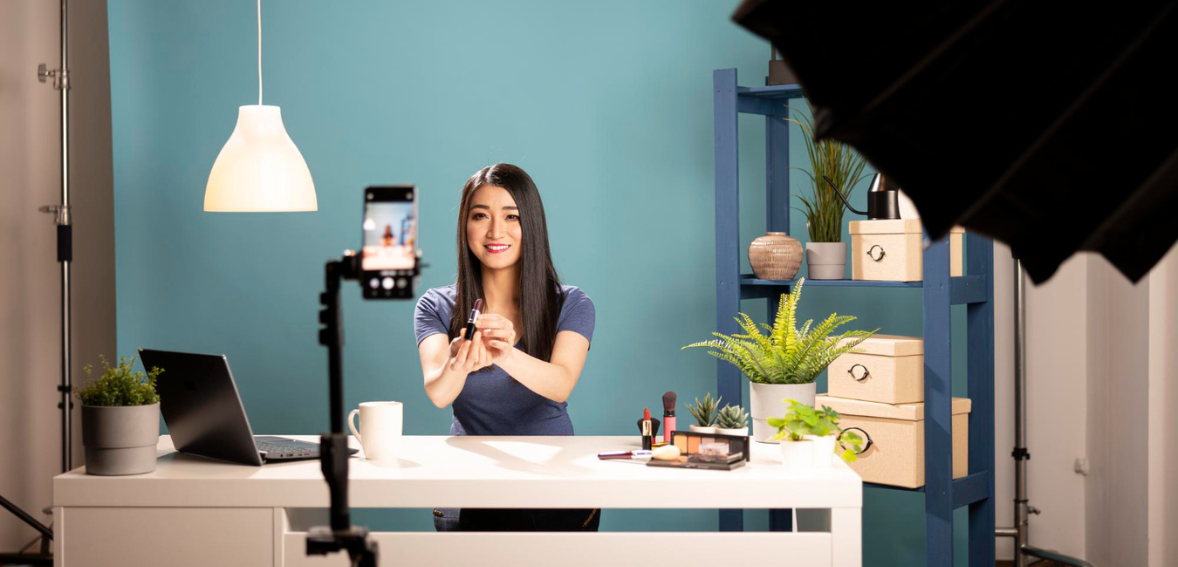
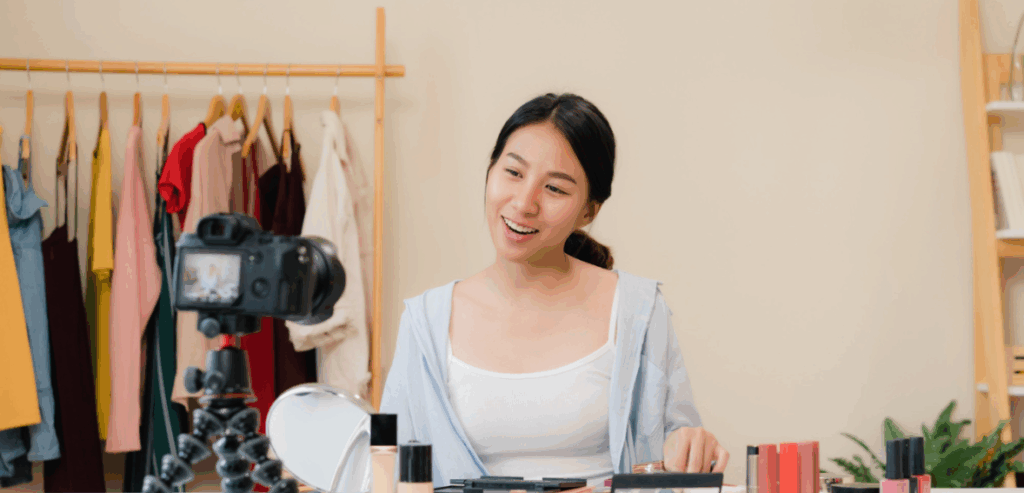
In the past, fashion magazines and editors served as the gatekeepers of taste. Now, influencer marketing has shifted that authority to digital creators who connect directly with audiences. Influencers wield immense power in shaping trends, as their recommendations carry authenticity that traditional advertising often lacks. Whether it’s a makeup tutorial, a styling reel, or a product review, these figures drive purchasing decisions and influence how consumers perceive brands.
Social media’s openness allows influencers from diverse backgrounds to thrive, breaking traditional molds of beauty and luxury. This inclusivity underscores the essence of social media democratization; anyone can become a trend leader. Moreover, fast fashion brands have capitalized on these collaborations, using influencers to reach younger audiences seeking relatability over prestige. The influencer ecosystem merges storytelling with commerce, making fashion feel personal and attainable. It’s not just about showcasing clothes; it’s about building communities where authenticity drives engagement. In this sense, influencer marketing has become the new fashion editorial of the digital age.
The Rise of Micro-Trends and Viral Aesthetics
Social media thrives on constant evolution, and the result is an endless cycle of micro-trends. From “cottagecore” to “clean girl aesthetic,” these short-lived movements define the fluidity of digital fashion culture. Platforms amplify these aesthetics through algorithms, giving rise to a fast-paced fashion ecosystem driven by visibility and virality. The accessibility of fast fashion makes it easy for users to participate, allowing them to recreate looks affordably and quickly.
This rapid trend turnover highlights both the power and pitfalls of social media democratization. On one hand, it empowers creativity and experimentation; on the other, it encourages disposable consumption. Influencer marketing often accelerates these cycles, as creators constantly introduce new products to maintain engagement. However, the beauty of this system lies in its inclusivity; everyone can participate, regardless of budget or background. The micro-trend phenomenon reflects how fashion has evolved from a seasonal industry to a daily conversation, sustained by creativity, collaboration, and instant feedback.
Representation and Inclusivity Through Social Media
Social media has given under represented voices a platform to shape global fashion conversations. Models, designers and creators from different ethnicities, genders and body types are sharing their stories and styles with the world. This level of inclusivity was never possible in traditional fashion systems. Social media has made fashion a tool for empowerment, self acceptance and breaking beauty stereotypes.
Influencer marketing is key to this inclusivity movement. Collaborations with creators who represent real diversity bring authenticity to brands and connect with audiences in a meaningful way. Fast fashion retailers are responding by expanding size ranges, offering adaptive clothing and featuring diverse models in their campaigns. The result is a more human representation of fashion. Social media’s ability to amplify marginalised voices means the future of style will be about individuality not conformity, redefining beauty for generations to come.
The Intersection of Technology and Fashion Discovery
Technology has made discovering fashion easier than ever before. Algorithms curate personalized feeds, showcasing outfits and styles tailored to users’ preferences. Social media democratization ensures that discovery isn’t limited to major brands; independent designers, vintage sellers, and local artisans gain visibility alongside global fashion houses. This technological integration makes style exploration more interactive and engaging.
Influencer marketing enhances this process by blending storytelling with shopping. Shoppable posts, live streams, and AR fitting tools bridge the gap between inspiration and purchase. Meanwhile, fast fashion platforms use data analytics to predict trends and stock products accordingly. This integration of tech, commerce, and creativity creates a dynamic fashion ecosystem where inspiration and accessibility coexist. As technology continues to evolve, the fashion discovery experience will become even more immersive, connecting digital creativity with tangible expression.
The Sustainability Conversation in a Fast-Paced Fashion World
While fast fashion has democratized access, it has also ignited discussions about sustainability. The sheer speed of production and consumption raises environmental concerns, prompting brands and consumers to reconsider their habits. Interestingly, social media has become the primary platform for these conversations. Activists, influencers, and conscious consumers use their reach to promote slow fashion, upcycling, and responsible buying.
Through social media democratization, sustainability has evolved from a niche concern into a mainstream movement. Influencers now collaborate with eco-friendly brands to showcase ethical alternatives, proving that style and sustainability can coexist. Meanwhile, influencer marketing has taken a responsible turn, with creators disclosing partnerships and promoting transparency. Consumers increasingly favor authenticity, rewarding brands that align with their values. The ongoing dialogue between accessibility and responsibility ensures that fashion’s future is not just stylish but also sustainable, with social media serving as its most powerful advocate.
Fashion as a Cultural Dialogue
Fashion on social media is more than just looks; it’s a cultural conversation. Platforms are where identity, politics and creativity collide. Users express themselves while talking about race, gender and social justice through clothes. Social media democratisation has given everyone a seat at the table and made fashion a medium of expression and activism.
Influencer marketing amplifies these voices, gives creators the power to challenge the norms and celebrate diversity. Brands respond by adapting collections to global trends and cultural shifts. This conversation enriches the fashion ecosystem, makes style a form of storytelling that goes beyond language and geography. Social media’s reach means these conversations are continuous and inclusive, so we understand fashion isn’t just what we wear; it’s who we are and what we stand for.
The Future of Fashion in a Democratized World
As social media democratization continues, the future of fashion looks more inclusive, collaborative, and transparent. The hierarchy that once defined the industry is fading, replaced by a network of creators, influencers, and consumers shaping trends together. Fast fashion will likely evolve to meet sustainability goals, balancing affordability with responsibility. Meanwhile, influencer marketing will continue to mature, focusing more on authenticity than promotion.
Technology will remain central, enhancing how trends emerge and circulate. Artificial intelligence, virtual fashion, and digital influencers will redefine creativity in unprecedented ways. Yet, the essence of democratized fashion will stay rooted in accessibility and self-expression. The next generation of fashion enthusiasts won’t just follow trends; they will create them. As fashion becomes more participatory, the world will continue to see style not as a privilege but as a shared human experience, accessible to all through the power of social media.
The Role of User-Generated Content in Trend Creation
User-generated content sits at the heart of social media democratization. It allows anyone, regardless of fame or background, to influence global fashion conversations. Everyday users upload outfit photos, styling tutorials, or thrift hauls that reach millions of viewers, shaping tastes in real time. This participatory model breaks down traditional hierarchies and transforms consumers into co-creators. A single post showcasing an affordable outfit can generate a viral trend that rivals professional campaigns.
Influencer marketing often amplifies these grassroots movements by spotlighting creators who resonate with authenticity rather than perfection. Even fast fashion brands rely heavily on user-generated content to understand emerging preferences and refine future collections. By observing what consumers share and engage with, companies gain direct insight into real-world style behavior. This reciprocal relationship blurs the line between influencer and follower, creating a feedback loop of inspiration and innovation. Ultimately, user-generated content ensures that trends no longer originate exclusively from top-tier designers; they emerge organically from the collective creativity of global online communities.
Regional and Cultural Exchange Through Fashion Platforms
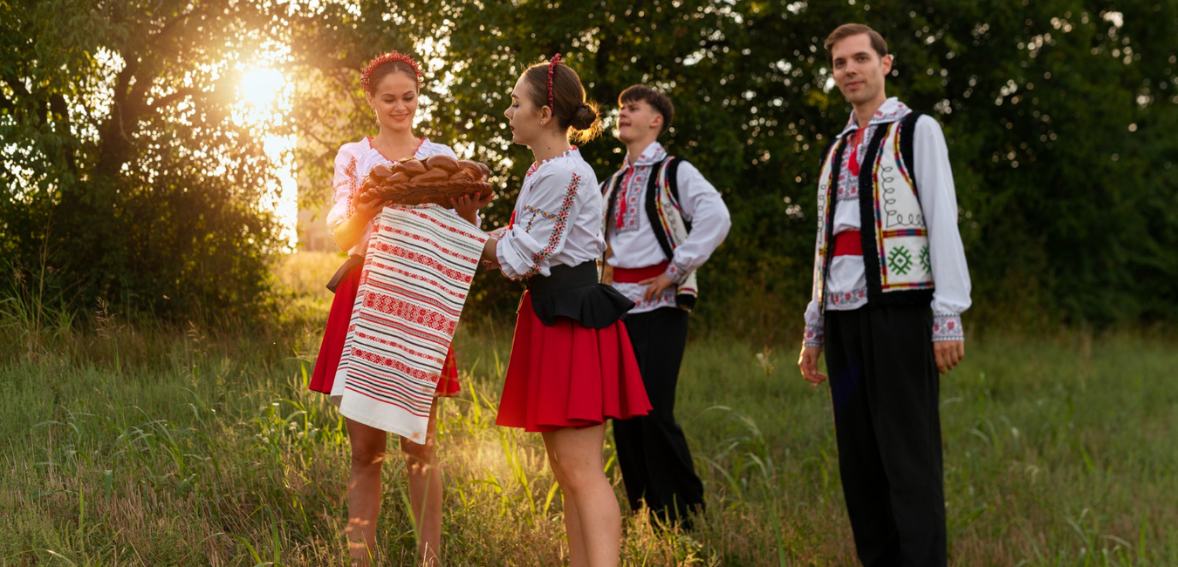
Social media has turned fashion into a borderless language. Thanks to social media democratization, trends originating in one region can gain traction halfway across the globe within hours. Users in Seoul, Lagos, or São Paulo contribute unique aesthetics that inspire audiences worldwide, fostering a rich exchange of cultural influences. Platforms showcase traditional textiles, streetwear hybrids, and handcrafted accessories that blend local heritage with modern design.
This cross-pollination promotes appreciation rather than appropriation when handled respectfully. Through influencer marketing, creators highlight the stories behind garments, giving context to styles that might otherwise be misunderstood. Meanwhile, fast fashion retailers adapt global trends for mass audiences, accelerating exposure but also raising questions about cultural authenticity. Despite this tension, the exchange has created unprecedented diversity in global wardrobes. People now celebrate differences instead of conforming to a single aesthetic standard. The global stage of digital fashion shows how creativity thrives when cultures connect, proving that accessibility in style also means inclusivity in representation.
The Emotional Connection Between Influencers and Audiences
Fashion has always been emotional, but social media democratization has deepened this connection. Audiences feel a personal bond with influencers who share genuine experiences, aspirations, and vulnerabilities. This intimacy drives trust, making recommendations feel less like advertising and more like advice from a friend. Influencer marketing thrives on this emotional authenticity, using relatability as its strongest currency. Viewers follow creators not just for style inspiration but for the values and personalities behind their choices.
Fast fashion brands leverage these relationships by collaborating with influencers who embody the lifestyles their audiences admire. When an influencer posts an outfit, followers see more than clothing; they see identity and belonging. This emotional bridge has transformed fashion consumption into a shared experience, where meaning and connection matter as much as design. In a world flooded with visual content, genuine storytelling stands out, reminding brands that empathy and transparency build stronger communities than exclusivity ever could.
Education and Empowerment Through Digital Fashion Communities
Social media has become an unexpected classroom for fashion education. Through tutorials, live sessions, and interactive discussions, creators teach followers how to style, sew, thrift, and upcycle. This knowledge-sharing aligns perfectly with social media democratization, as it empowers individuals to understand fashion beyond consumption. People learn to express themselves creatively while making conscious decisions about their wardrobes.
Influencer marketing also evolves within these educational spaces, promoting skill development rather than mere product placement. Collaborations with sustainable designers or ethical brands help audiences learn the impact of their choices. Meanwhile, conversations around fast fashion often encourage mindful shopping and garment care, fostering responsibility among younger consumers. These digital classrooms redefine influence as empowerment rather than persuasion. By equipping people with knowledge, social media nurtures confidence, self-expression, and creativity. The result is a generation that views fashion not only as personal style but as an avenue for awareness, dialogue, and change; an enduring outcome of fashion’s true democratization.
Conclusion
The digital revolution has transformed fashion from an exclusive art form into a global conversation. Social media democratization has ensured that style belongs to everyone, enabling millions to share, inspire, and create. Through influencer marketing, trends spread faster and more inclusively than ever, while fast fashion provides the accessibility that allows users to participate in this global exchange.
The democratization of style has made fashion more authentic, diverse, and dynamic. Yet, it also challenges the industry to balance speed with sustainability and popularity with purpose. Ultimately, social media has given fashion its most powerful tool; community. In this interconnected world, every post, reel, and outfit contributes to a shared narrative of creativity and empowerment, proving that true style is not dictated by brands or price tags but by the freedom to express oneself.