


Influencers vs. Designers: Who Really Shapes Modern Fashion?
The global fashion landscape is undergoing a fascinating transformation. What was once dictated by couture houses, runway shows, and magazine editors is now being redefined by social media personalities with millions of followers. The question of designer vs influencer fashion has become one of the most debated topics in recent years.
As digital influence grows stronger, many wonder whether designers still hold the creative reins or if influencers are now steering the direction of what we wear, buy, and admire. Understanding this shift means looking deeper into the nature of trend power and how modern consumers define authority in style. The era of modern fashion authority no longer belongs to a single gatekeeper—it is shared between traditional craftsmanship and digital charisma.
The Evolution of Fashion Authority
Once upon a time, fashion revolved around ateliers, editorial shoots, and the prestige of high design. Designers were the undisputed visionaries, shaping trends that trickled down through department stores to the streets. Today, the emergence of influencers has democratized fashion. Social media has given voice to individuals who may not have formal training but possess a keen eye for style and a powerful connection with audiences.
This evolution of designer vs influencer fashion reflects a broader cultural change where creativity and relatability are as valuable as technical skill. The modern consumer no longer waits for next season’s collection—they discover and emulate looks instantly online. As trend power disperses from elite circles to everyday people, modern fashion authority is now defined by accessibility and engagement as much as artistry.
Designers as the Original Architects of Style
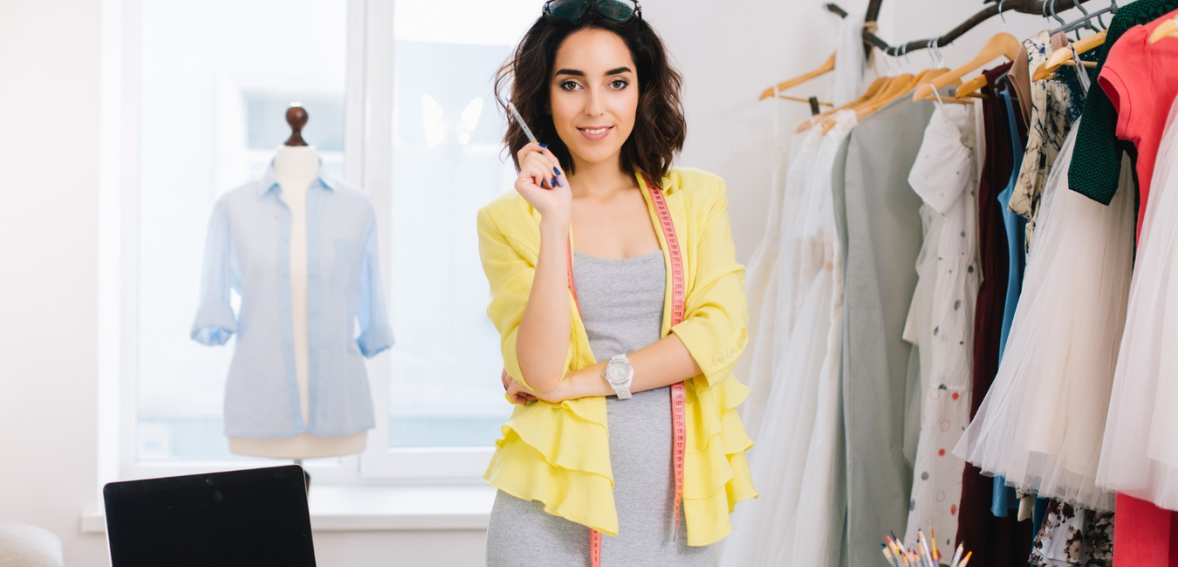
Designers remain the foundation upon which the fashion world is built. Their understanding of fabric, form, and technique transforms abstract ideas into wearable art. From haute couture to ready-to-wear, they create the language of style that influencers later translate for mass audiences. In the designer vs influencer fashion conversation, it’s important to remember that without designers, there would be no original trends to amplify. Their meticulous craftsmanship and understanding of history, culture, and human form sustain the industry’s creative heartbeat.
While influencers may spark global excitement around new looks, designers generate the innovation that keeps fashion evolving. The trend power of designers lies in their ability to experiment fearlessly, setting the aesthetic tone that defines each era. They remain the enduring pillars of modern fashion authority, providing the raw vision that shapes everything from streetwear to luxury couture.
The Rise of Influencer-Driven Fashion
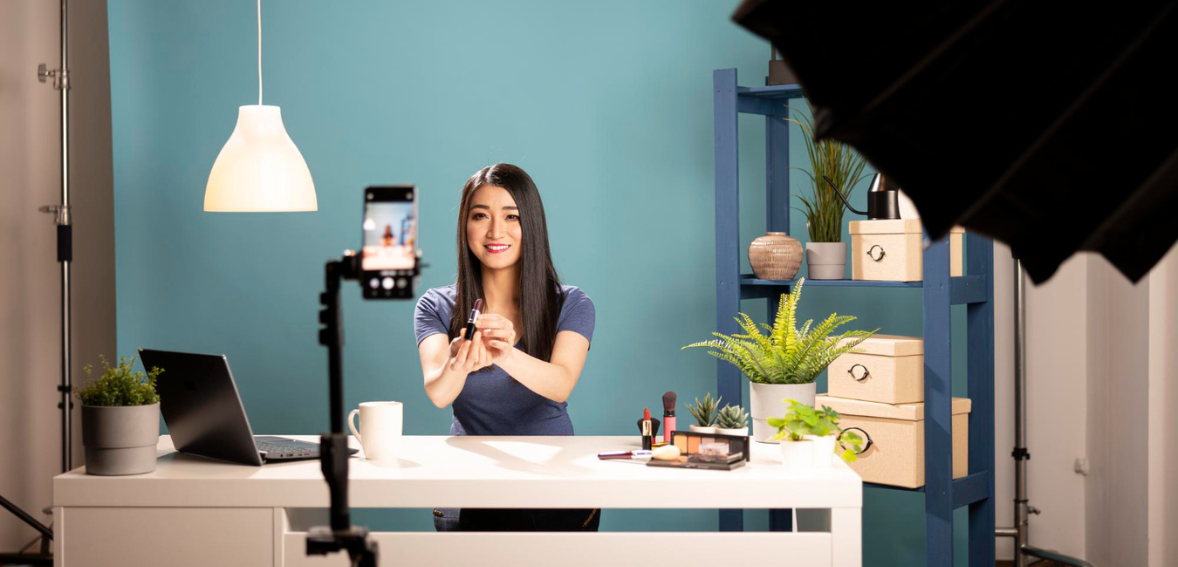
Influencers have rewritten the rulebook of style dissemination. Unlike designers, who work months ahead to unveil collections, influencers can shift a trend in days. Their trend power comes from immediacy—the ability to showcase, review, and popularize styles in real time. In the debate of designer vs influencer fashion, influencers represent the voice of the modern consumer, bridging the gap between aspiration and accessibility. They model clothes in authentic environments—cafés, airports, home studios—making fashion more relatable than ever before.
Their power lies not only in visual appeal but in emotional connection. Followers trust their opinions and emulate their choices, giving influencers significant control over what sells. This immediacy challenges the slower, more deliberate pace of traditional design cycles, forcing even established brands to rethink how they engage with today’s modern fashion authority ecosystem.
How Social Media Changed the Runway
Social media platforms have transformed how fashion is experienced and consumed. The front row is no longer limited to editors and celebrities; it’s now live-streamed to millions worldwide. This digital accessibility has shifted trend power from physical spaces to virtual feeds. In this designer vs influencer fashion landscape, influencers act as both promoters and creators of cultural moments, often generating more buzz than the collections themselves.
Designers have adapted by crafting Instagram-worthy pieces and collaborating with content creators to expand their reach. Modern fashion authority is now measured not only by craftsmanship but also by engagement metrics—likes, shares, and viral reach. The runway has become a stage for digital storytelling, where fashion’s visual impact must survive beyond the catwalk and thrive on a smartphone screen.
Collaboration: Where Influence and Design Meet
Rather than competing, designers and influencers have learned to collaborate, creating a symbiotic relationship that benefits both. Designers gain access to new audiences, while influencers earn legitimacy through association with heritage brands. These partnerships redefine designer vs influencer fashion by blending innovation with relatability. Capsule collections, co-branded campaigns, and ambassador roles allow both sides to leverage their unique strengths. When executed well, such collaborations amplify trend power, creating buzz that transcends fashion circles and enters mainstream culture. This fusion embodies modern fashion authority—where artistry meets audience engagement. It shows that the future of fashion isn’t about choosing sides but about merging authenticity with craftsmanship to produce meaningful, inclusive style narratives.
The Democratization of Trend Power
Fashion once flowed from top to bottom—designers to editors to consumers. Now, it moves in multiple directions simultaneously. A single post by an influencer can inspire designers, brands, and shoppers alike. This democratization of trend power represents a cultural shift in the balance of modern fashion authority. In today’s designer vs influencer fashion debate, influence is no longer about hierarchy; it’s about resonance.
The rise of micro-influencers has proven that engagement matters more than fame. Everyday individuals with small but loyal audiences are shaping what’s fashionable through authenticity and relatability. This flattening of power structures has made fashion more inclusive, giving voices to those previously excluded from the conversation. Yet, it also challenges designers to innovate faster and maintain relevance in an increasingly dynamic, consumer-driven ecosystem.
Authenticity as the New Currency of Style
In the age of social media, authenticity has become the ultimate status symbol. Followers crave genuine expression rather than polished perfection. Influencers thrive by being relatable, showing unfiltered glimpses of real life alongside curated outfits. This has redefined modern fashion authority, making connection more important than exclusivity. The trend power of authenticity is evident in how viral looks often originate from unexpected sources rather than elite fashion houses.
However, designers are also learning to adapt by incorporating storytelling into their branding, sharing behind-the-scenes craftsmanship and design inspiration. The designer vs influencer fashion dynamic now revolves around emotional impact. Whether through a handcrafted gown or a street-style reel, the winner is whoever connects more deeply with the audience. Authenticity has become the modern runway where credibility is earned through trust rather than status.
Fast Fashion and the Speed of Trends
The internet’s instant gratification culture has accelerated fashion cycles dramatically. Trends that once lasted a season now fade within weeks. Influencers, with their real-time content and constant updates, are central to this acceleration. Their trend power thrives on novelty and engagement, driving demand for rapid product turnover. This has put pressure on designers, who traditionally operate on slower, more deliberate schedules.
The designer vs influencer fashion dynamic becomes complex here—while influencers popularize looks quickly, designers must find ways to stay relevant without compromising quality or creativity. Modern fashion authority now hinges on adaptability. Brands that manage to balance speed with substance—through sustainable collections, digital previews, or influencer partnerships—are the ones that stay ahead. This evolution highlights a larger cultural tension between creativity and consumption in the modern fashion world.
Redefining Luxury in the Age of Influence
Luxury used to mean exclusivity and rarity, but in today’s digital economy, it also includes visibility. Influencers have redefined luxury by making high fashion accessible through social storytelling. Wearing a couture dress in a casual Instagram post transforms it from unreachable fantasy into aspirational reality. In this new designer vs influencer fashion era, luxury is about perception as much as price. Trend power now comes from how a product is presented online, not just who made it.
Traditional brands must adapt to a new modern fashion authority, where prestige is earned through engagement and cultural relevance. Some luxury houses have embraced this by inviting influencers to front-row seats and brand campaigns, understanding that influence amplifies desirability. The definition of luxury continues to evolve—not as a symbol of wealth, but as a language of connection between craftsmanship and contemporary culture.
How Consumers Became Co-Creators
Social media has empowered consumers to actively participate in shaping trends rather than passively consuming them. Every outfit post, review, or hashtag becomes part of a broader dialogue influencing designers and influencers alike. This participatory culture blurs the boundaries in designer vs influencer fashion, positioning consumers as co-creators of style. Trend power is now distributed across the entire ecosystem—from professionals to everyday users.
Brands increasingly source inspiration from their communities, using feedback loops to refine designs. In this environment, modern fashion authority becomes a collective force, guided by shared preferences and online conversations. The rise of user-generated content underscores that fashion is no longer dictated—it’s negotiated. Each post contributes to a global style narrative where influence flows in every direction.
Sustainability and the Responsibility of Influence
With great influence comes great responsibility. Both designers and influencers are now being held accountable for promoting sustainable choices. The fast-paced turnover of trends driven by digital culture has led to overproduction and waste. As discussions around ethical fashion grow louder, designer vs influencer fashion dynamics are shifting toward responsibility and transparency. Designers are experimenting with eco-friendly materials and circular production models, while influencers are using their trend power to spotlight conscious brands.
Modern fashion authority increasingly favors those who promote longevity over disposability. Audiences now reward authenticity and sustainability with loyalty, forcing both creators and promoters to align with values that extend beyond aesthetics. The ability to inspire positive change, not just purchase decisions, is becoming the new hallmark of true fashion leadership.
The Future of Modern Fashion Authority
The balance of power between designers and influencers continues to evolve. The future of designer vs influencer fashion will not be about competition but collaboration. As technology, culture, and values shift, so will the sources of trend power. Artificial intelligence, virtual influencers, and digital fashion collections are already redefining how authority is earned and maintained. In this emerging world, modern fashion authority will belong to those who combine creativity with adaptability—designers who embrace digital influence and influencers who value artistry and authenticity.
The next generation of fashion will likely see these two forces merge completely, creating a seamless ecosystem where innovation, storytelling, and sustainability coexist. Ultimately, the question of who shapes fashion may no longer have a single answer—it will be the collective voices of creators, influencers, and consumers shaping a truly global, inclusive style narrative.
The Role of Digital Platforms in Shaping Fashion Voices
Digital platforms have become the new runways of modern style. Instagram, TikTok, and YouTube now dictate what trends take off and which fade overnight. The algorithms behind these platforms have reshaped the balance of designer vs influencer fashion, giving anyone with creativity and consistency a chance to influence global audiences. Influencers understand how to use visual storytelling to translate high-concept fashion into everyday wear, while designers are learning to adapt their traditional collections for digital consumption.
The trend power of these platforms lies in immediacy—where a viral moment can eclipse months of design preparation. For modern fashion authority, relevance is now measured in engagement rates and shareability as much as in craftsmanship. This democratization of exposure has allowed niche voices, cultures, and aesthetics to thrive alongside luxury names. As a result, fashion is no longer dictated from the top down—it is shaped collectively through screens, shares, and scrolls.
How Celebrity Culture and Influencers Blur Boundaries
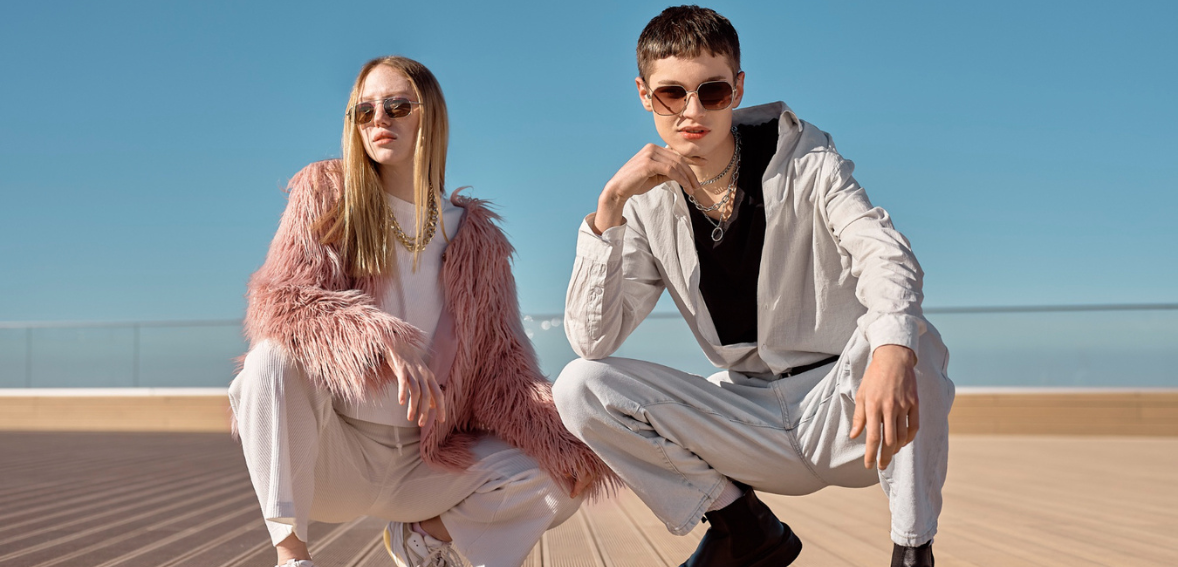
Celebrity endorsements have always shaped fashion, but social media influencers have blurred the boundary between fame and fashion leadership. Unlike movie stars or musicians, influencers are often self-made personalities whose fashion influence emerges from daily interaction rather than distant glamour. In the designer vs influencer fashion debate, they have redefined celebrity as an accessible, participatory concept. The trend power of influencer-celebrities lies in their dual role as both consumer and promoter.
They wear designer pieces while simultaneously driving mass-market appeal through their relatable presentation. This dynamic challenges the traditional hierarchy where designers once held all authority. In the era of modern fashion authority, celebrity status is built on connection rather than exclusivity. The line separating the designer’s creative vision and the influencer’s personal brand continues to blur, giving rise to a hybrid generation of fashion icons who embody both innovation and influence.
Education vs. Influence: Redefining Expertise in Fashion
Historically, fashion expertise was defined by formal education, apprenticeships, and technical mastery. Today, expertise can also come from personal experience and audience insight. This shift complicates the designer vs influencer fashion debate, as influencers build authority through community validation rather than credentials. While designers possess technical knowledge of fabrics, cuts, and structure, influencers understand digital trends, analytics, and consumer psychology—skills equally vital in today’s market.
The trend power balance now depends on who understands their audience better, not just who designs better garments. Within modern fashion authority, influence and expertise intersect. The most successful figures often combine both worlds—designers who adapt to social media culture and influencers who study fashion theory. This redefinition of expertise expands the industry’s boundaries, allowing creativity to thrive in multiple forms. It proves that in the new fashion order, knowledge is not only taught—it’s shared, experienced, and amplified online.
The Globalization of Style Through Influence
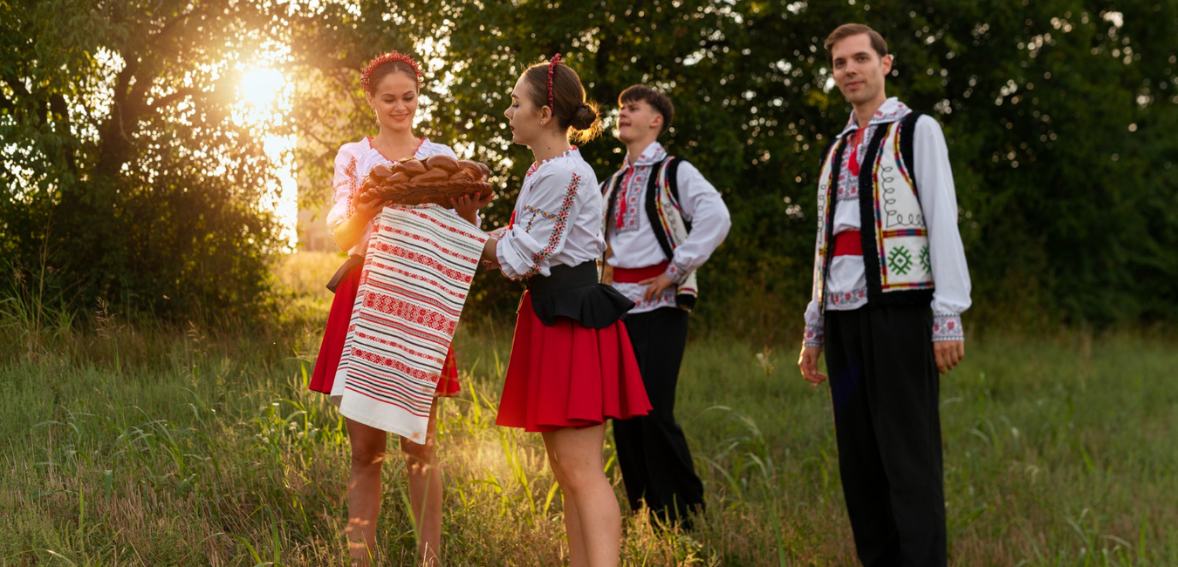
Fashion is no longer confined by geography. Social media has allowed trends to travel instantly, connecting audiences from Paris to Seoul to Lagos in a single scroll. This global exchange has transformed designer vs influencer fashion from a localized rivalry into a worldwide collaboration. Influencers introduce regional styles to global audiences, while designers draw inspiration from these cross-cultural aesthetics. The trend power of globalization lies in diversity—bringing forward voices and visions that once existed on the fringes of mainstream fashion.
Modern fashion authority is now truly international, celebrating everything from traditional textiles to futuristic streetwear. This interconnectedness challenges outdated notions of Western dominance in style. Instead, it promotes an inclusive narrative where inspiration flows in every direction. Global fashion today is a conversation, not a competition, and both designers and influencers are speaking the same language—one of creativity, culture, and connectivity.
Conclusion: A Shared Stage in the Style Revolution
The fashion world is no longer a one-way dialogue from runway to consumer—it’s an ongoing conversation between artistry and influence. The designer vs influencer fashion debate reveals that both sides bring something indispensable to the table. Designers provide creative depth and craftsmanship, while influencers deliver relatability and speed. Together, they fuel the trend power that drives cultural shifts and inspires millions. The future of modern fashion authority lies not in choosing who leads, but in recognizing how both shape the evolving identity of style. In this shared stage of fashion’s new era, influence and design no longer compete—they collaborate to define what modern elegance truly means.