





Music and Fashion: From Jazz Age Glamour to Streetwear Culture
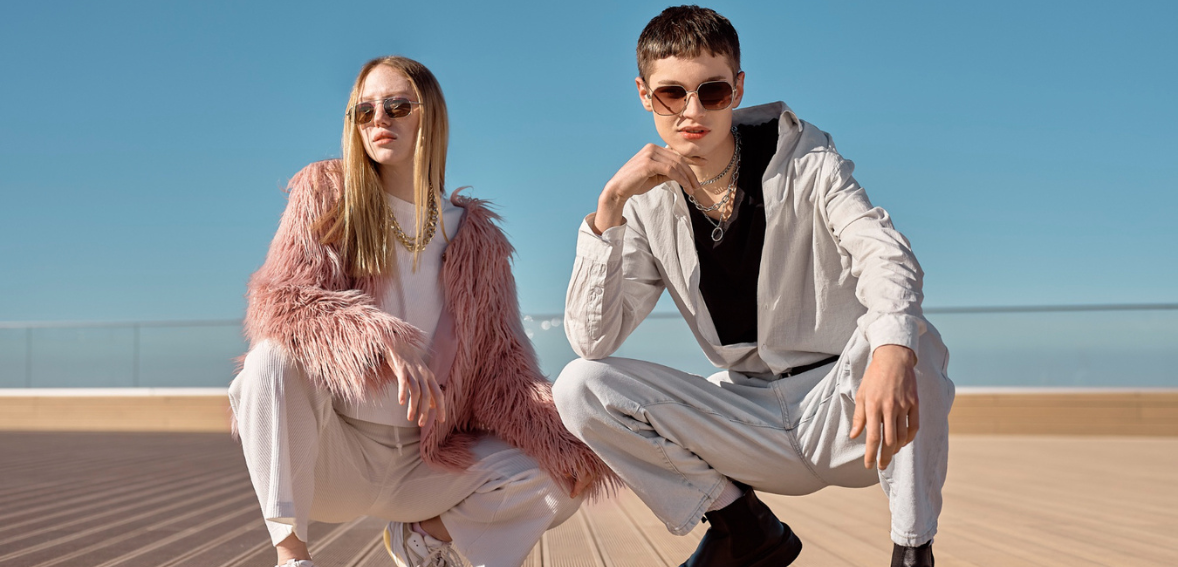
Throughout history, the relationship between music and fashion has shaped not just how people listen to songs but how they present themselves to the world. Musicians often act as cultural tastemakers, turning personal choices into global style movements. The Jazz Age brought about elegance and flair that transformed social expectations, while modern streetwear demonstrates how music-driven subcultures can evolve into mainstream trends. This ongoing exchange shows that style evolution is rarely accidental but often tied directly to the sounds, moods, and social shifts created by artists.
Musicians represent rebellion, creativity, and identity, all of which naturally spill into the way they dress. Fans who adopt these looks are not simply copying; they are participating in cultural fashion influence, signaling belonging to something bigger than themselves. From glamorous flappers in the 1920s to hip-hop icons of today, music and fashion are bound together in cycles that redefine what it means to be stylish. This article traces those eras and connections, revealing how artists continue to set the tone for society’s wardrobes.
Jazz Age Glamour and Its Lasting Impression
The 1920s Jazz Age was more than a period of musical experimentation; it was also a showcase of bold style evolution. As jazz spread across dance halls and clubs, its energy translated into fashion statements. Women embraced flapper dresses with shorter hemlines, sequins, and fringe that shimmered under lights, while men leaned into tuxedos, wide-brimmed hats, and polished shoes. These looks reflected freedom, fun, and a new cultural identity that rejected rigid Victorian norms.
This period marked one of the first modern intersections of music and fashion, as musicians like Duke Ellington and Josephine Baker became style icons. Their presence on stage wasn’t just about performance; it was about embodying glamour and sophistication. The Jazz Age created a template for artists influencing public taste, proving that what was worn during musical performances could have as much impact as the sound itself. The glamour of the 1920s still lingers in modern red-carpet looks and themed parties, proving how deeply this cultural fashion influence has endured.
Rock and Roll’s Rebellion Through Fashion
The mid-20th century introduced rock and roll, and with it came a new wave of rebellious style evolution. Artists like Elvis Presley popularized slick hairstyles, leather jackets, and bold stage outfits that reflected defiance against conservative norms. Fans mirrored these looks, creating subcultures defined as much by their fashion as by their music choices. In the 1960s, The Beatles and The Rolling Stones redefined men’s style, blending tailored suits with more casual, bohemian-inspired attire.
The relationship between music and fashion during this era highlighted how clothing could signal alignment with cultural movements. Rock and roll embodied freedom, protest, and individuality, and the clothes amplified that spirit. For many, adopting this fashion was a form of resistance, making musicians powerful cultural leaders beyond the stage. The rock era cemented the idea that artists could shape identity, not just through lyrics but through visible, wearable expression.
Punk’s Raw Edge and DIY Aesthetic
The 1970s punk explosion crashed the traditional music and fashion party with a radical new dynamic. Bands like The Sex Pistols & The Clash took to the stage with a raw swagger & a rebellious attitude that set out to reject polish & slickness in favour of something much more DIY. Ripped jeans, leather jackets with enough studs to blind, safety pins & out-there hairdos made a statement: they weren’t just rebelling against the mainstream, they were calling out the very concept of fashion itself. This wasn’t just a case of style evolving, it was a full on manifesto
Fans took this look to heart, dressing to show their allegiance to the anti-establishment vibes of punk rock. It was a visual uniform for all times; all you needed was a bit of punk cred & you were part of the nonconformist crew. And before you knew it, what started as an underground scene began seeping into high street fashion – fashion designers swooping up punk aesthetics to deck out luxury collections. Punk showed the world that even the most unpolished, rough around the edges ideas could take centre stage & turn into a global fashion phenomenon. And the spirit of punk lives on in todays streetwear & edgy collections: all about giving a big two fingers to conformity & celebrating individuality
Hip-Hop’s Role in Shaping Streetwear
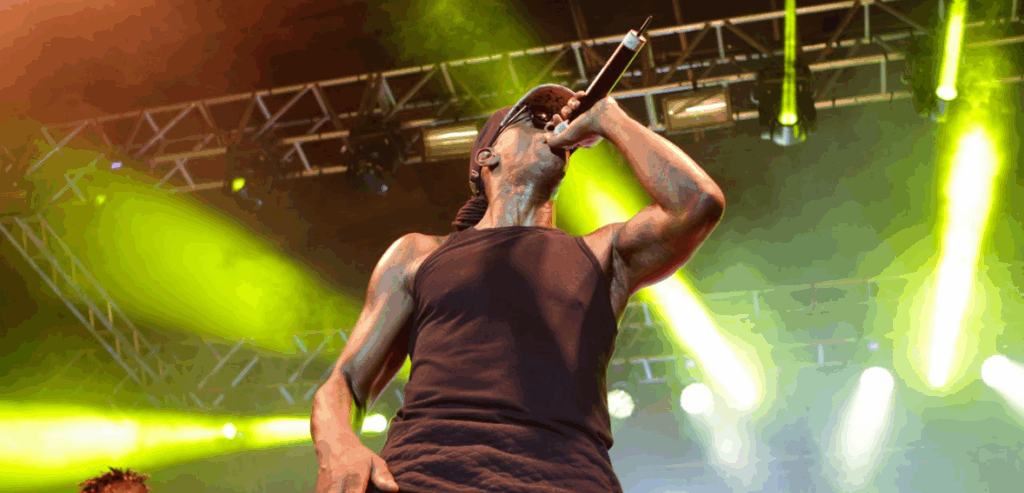
Few movements have connected music and fashion in as deep & natural a way as hip-hop. It burst onto the scene in the late 20th century, blending beats, lyrics & over-the-top clothing choices in a single, vibrant statement about who you were. Baggy jeans, loose-fitting shirts, sneakers, & flashy bling all became status symbols and badges of authenticity. Also, the likes of Run-DMC and LL Cool J were instrumental in making these brands; Adidas & Kangol being the most notable examples of household names, & showing just how much power a cultural fashion trend could carry in the market.
Streetwear as we know it basically owes its existence to hip-hop. Something that started off on the streets and in local music scenes evolved into something huge; a global industry where it’s no longer unusual to see rappers collaborating with luxury brands. Hip-hop showed us that fashion can be aspirational & accessible at the same time: blending everyday wear with high-end elements in a way that no one had really seen before.
The style evolution hip-hop triggered changed the way people view everyday clothes, turning what used to be seen as just casual wear like sneakers & hoodies into something holding real cultural power. Streetwear’s dominance is basically a testament to the lasting impact hip-hop has had on the world of fashion.
Women Musicians and Fashion Empowerment
Women have always been the ones to rewrite the rules of music and fashion. From Billie Holiday’s gardenia in her hair to Madonna’s 80s looks, women have used style as a means of empowerment and rebellion. They’ve always challenged the expectations of how women are seen on and off stage.
Now, artists like Beyoncé, Rihanna and Billie Eilish are taking it further, using fashion as a declaration of independence and individuality. Their looks are talking about gender, power and representation. Cultural fashion influence here isn’t just about style progression but about conversation. By merging performance with intentional fashion choices, women musicians are style icons and champions of self expression and how fans express themselves.
Festivals as Runways of Expression
Music festivals have become the space where music meets fashion. Woodstock in the 60s or Coachella today show how fans use fashion to express freedom, community and to be part of the cultural shift. The bohemian styles of Woodstock (fringe, tie dye, floral crowns) became the aesthetic of counterculture. Decades later festivals still set the trends, fans blend vintage with modern streetwear.
Festivals show us the cyclical nature of style, where past looks come back in new forms. Musicians of course amplify this by debuting new outfits and collaborations on stage. These are living fashion shows of cultural influence where the audience and the performers are part of shaping the trends. For many festivals fashion becomes a personal extension of the music, turning temporary into long lasting visual statements that feed into mainstream culture.

Global Influence of Music and Fashion
While much of the conversation centers on Western artists, the global reach of music and fashion cannot be ignored. K-pop, for example, has redefined modern style evolution, blending colorful, experimental outfits with polished choreography. Bands like BTS and Blackpink have global fanbases that replicate their looks, influencing not just regional but worldwide fashion trends. Similarly, Afrobeat and Latin music artists are bringing vibrant, culturally rooted styles to global audiences.
This global cultural fashion influence proves that the connection between music and fashion transcends geography. As streaming and social media erase borders, musicians everywhere can shape global wardrobes. This democratization of influence means that fashion is no longer dictated solely by Western markets but is now shaped by diverse cultural voices amplified through music. The global exchange enriches fashion, making it more inclusive and varied than ever before.
The Role of Album Art and Stage Costumes in Style Evolution
Beyond their own wardrobes, musicians have been influencing fashion for years through album covers and stage wear. Iconic images, from David Bowie’s Ziggy Stardust jumpsuits to Prince’s purple reign, showed that music and fashion couldn’t be separated. These visuals defined entire eras, with fans mimicking not just the music but the look. Album covers became style guides, live shows were runways where artists tested out looks. The cultural fashion impact of these moments still resonates, designers still draw from these legendary images. Stage wear shows how deliberate choices in clothing amplify the message of music, that artistry goes way beyond the sound.
Social Media and the New Era of Fashion Influence
In this digital age social media has fast tracked the connection between music and fashion. Artists no longer just rely on concerts or magazine covers to show off their style; instead Instagram posts, TikTok challenges and live streams create instant global trends. Fans replicate looks within hours and hashtags amplify the cultural fashion impact of even the smallest detail. This has turned style evolution into a real time phenomenon where musicians can test and popularise new looks overnight. The direct connection between artist and fan has also made fashion more personal with artists curating their image while interacting with their audience. Social media has made the impact of music on fashion more immediate and more powerful than ever.
Collaborations Between Musicians and Fashion Brands
Another major driver of cultural fashion influence is the collaboration between musicians and fashion brands. From Kanye West’s Yeezy line to Rihanna’s Fenty empire, artists are not just endorsing products; they are building entire fashion houses. These ventures blur the line between music and fashion, positioning artists as entrepreneurs and style leaders. Collaborations allow musicians to extend their influence beyond sound, embedding themselves directly into the global fashion industry. Fans often see these brands as extensions of the artist’s personality, making purchases feel like participation in their cultural movement. This style evolution underscores how deeply music and fashion are intertwined, with business partnerships amplifying their reach and cultural impact.
The Future of Music and Fashion Intersections
Looking ahead, the intersection of music and fashion will only grow stronger as technology and culture continue to evolve. Virtual concerts and digital fashion in the metaverse are already reshaping how fans experience style, with artists experimenting with outfits that exist only in digital form. The cultural fashion influence of these innovations demonstrates how musicians will continue leading the way in blending creativity with technology. Style evolution in the coming years will likely involve augmented reality outfits, sustainable fashion choices, and global collaborations that reflect diverse cultural voices. Just as jazz, punk, and hip-hop shaped their eras, future musicians will set new tones, ensuring that the dialogue between music and fashion remains at the heart of cultural expression.
Conclusion
From the glamour of the Jazz Age to the dominance of hip-hop-driven streetwear, the connection between music and fashion continues to shape societies and redefine self-expression. Musicians act as both creators and curators, turning their style choices into cultural movements that resonate far beyond the stage. These shifts represent more than just clothing; they embody identity, rebellion, and the desire for connection. The ongoing style evolution reminds us that cultural fashion influence is never static.
It grows, cycles, and reinvents itself as new sounds and social currents emerge. When musicians set the tone, they are not just dressing for performance; they are writing history through fabric, rhythm, and imagination. The future of fashion will no doubt continue to be intertwined with the beats and voices that capture the spirit of each generation.