



Hashtags and Haute Couture: The Digital Age of Fashion Trendsetting
Fashion has always been a language, a mirror of culture and a driver of creativity. From Parisian runways to Hollywood red carpets, style has been dictated by designers, celebrities and tastemakers. But in today’s world the digital space has rewritten how trends emerge and spread. Social platforms and the rise of fashion influencers have turned the once exclusive world of haute couture into a more accessible, interactive and fast moving space. Hashtags drive the conversation and online engagement defines reach, the industry is seeing an era where social media style and digital fashion trends influence not only what we wear but how we see identity, luxury and relevance.
The democratisation of fashion is one of the most defining aspects of this digital shift. No longer confined to fashion houses or glossy mags, trends are born on Instagram, TikTok and YouTube where millions can participate in shaping them. This has given rise to new power dynamics where digital creators, online communities and viral content are just as influential as designers themselves. For the modern consumer fashion is not just about clothes, it’s about belonging to a bigger conversation where hashtags connect style to culture and couture meets clicks.
The Rise of Fashion Influencers in Trendsetting
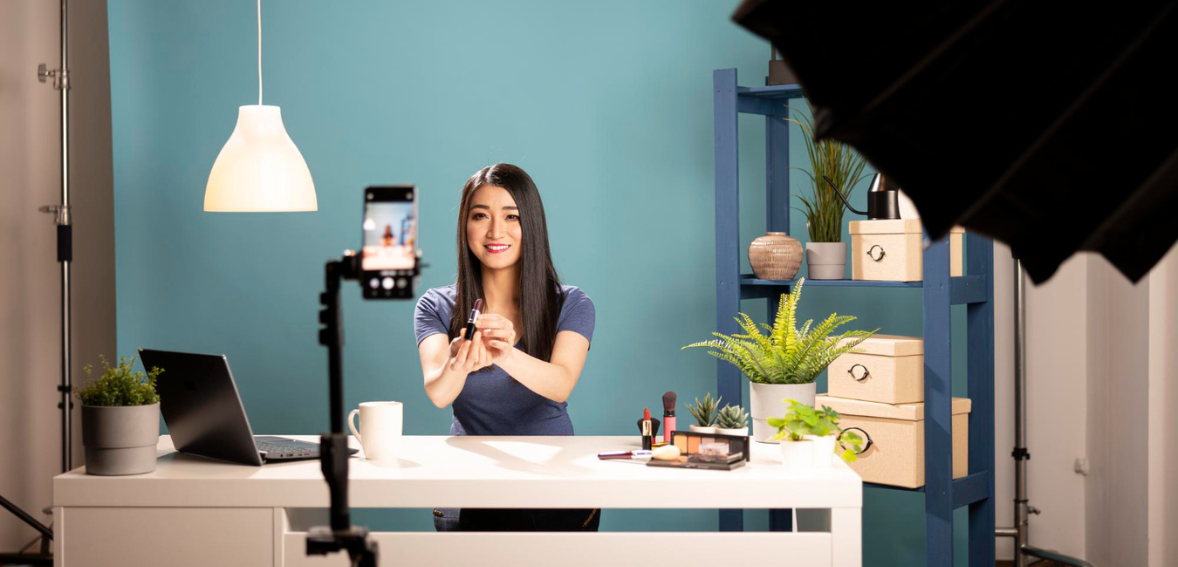
In the old days, fashion editors and celebrities were trendsetters. Now, fashion influencers fill that space, building a loyal following who look to them for daily inspiration. These people combine personal style with marketing know how, curating their wardrobes to resonate with their audience and promoting brands old and new. Their influence is real because it’s authentic, people connect more with someone relatable than with distant luxury icons.
Influencers have shifted the power in fashion. Designers now work with these digital personalities to launch collections, promote seasonal campaigns and even co-create limited edition lines. The partnership between influencers and fashion houses means trends move from runway to real life in weeks not months. What used to take months to trickle down now happens in days, social media style bridges the gap between haute couture and streetwear. For brands, working with influencers is no longer optional; it’s the key to being relevant in a world of digital fashion.
Social Media Style as the New Runway
Once upon a time, fashion weeks in New York, Paris, and Milan set the standard for what was considered stylish. Today, Instagram feeds and TikTok videos function as modern-day runways, where social media style is put on display for millions to consume. Users share their outfits of the day, styling tips, and creative hacks that spread across platforms at lightning speed. These virtual showcases not only reflect personal identity but also contribute to global trendsetting in ways that traditional fashion shows cannot.
The immediacy of social media also allows trends to shift in real time. A single viral video or trending hashtag can turn a small accessory into a global must-have overnight. For example, micro-bags, chunky sneakers, and Y2K-inspired looks all gained momentum because of online attention rather than runway debuts. The interaction between influencers and audiences ensures that digital fashion trends are both participatory and ever-changing. For brands, tapping into this energy requires not just creativity but adaptability, making the digital runway a central platform for success in the fashion industry.
Digital Fashion Trends and the Speed of Change
Fashion has changed so fast in the digital age. What was once a season has become a stream of updates and micro trends. Platforms like TikTok live for quick hits of inspiration where styles rise and fall in weeks. This fast pace creates opportunities but also challenges for both consumers and brands. For consumers it’s endless inspiration but also a culture of disposability. For brands it’s about staying ahead of digital fashion trends and that means being agile and innovative.
One way brands respond is by monitoring hashtags, comments and influencer collaborations to spot emerging trends. This form of digital listening allows them to adapt quickly and keep collections on trend with consumer interest. But the pressure to constantly reinvent can stretch resources thin and raise sustainability concerns. For influencers it means balancing creativity with longevity, being relevant even when trends change. At the end of the day the rapid evolution of trends shows the power of social media style and the role of fashion influencers in setting the tone for modern fashion.
The Democratization of Haute Couture
Haute couture was once reserved for an exclusive circle of elites, but social platforms have opened it up to broader audiences. Videos of runway shows, behind-the-scenes peeks, and designer interviews are now shared widely, allowing millions to engage with luxury fashion. This visibility has not diminished couture’s prestige; rather, it has redefined its influence. Luxury houses now see value in digital engagement as it drives aspirational interest and fuels global conversations around style.
Fashion influencers play a pivotal role here, making couture accessible by interpreting high fashion in everyday contexts. They style couture-inspired looks, blend high and low fashion, and show how luxury can influence personal wardrobes. This mix creates a cultural exchange where couture is no longer untouchable but part of an ongoing dialogue between consumers, creators, and designers. By combining couture with hashtags and social media style, the industry ensures that high fashion maintains its relevance even in an era dominated by fast, accessible digital fashion trends.
The Business of Influence in Fashion
Behind every influencer post and viral trend lies a business strategy. Fashion influencers monetize their influence through brand partnerships, affiliate marketing, and sponsored content. For brands, these collaborations are strategic investments, as influencers provide access to targeted demographics with measurable engagement. Unlike traditional advertising, influencer marketing feels organic, blending seamlessly into followers’ feeds and daily routines.
This new economy has also changed the structure of fashion marketing. Instead of solely relying on magazine spreads or television ads, brands allocate significant budgets toward influencer campaigns and social media activations. This shift has elevated social media style into a critical component of business strategy, making digital engagement essential for survival. As digital fashion trends continue to evolve, the symbiotic relationship between influencers and brands will only deepen, shaping how fashion is marketed, consumed, and monetized in the years to come.
The Role of Community in Trendsetting
Communities on platforms like Instagram, TikTok and Pinterest play as much a part in setting trends as influencers do. Hashtags connect people worldwide, where styles are debated, adapted and celebrated. These communities make digital fashion trends participatory not top down. A style that starts in one corner of the world can be adapted to local context and shared back, creating a global conversation that fuels creativity.
For many fashion communities provide a sense of belonging. Participating in challenges, sharing outfit ideas or supporting certain hashtags makes fashion a collective activity. Social media style thrives in this environment because it’s all about individuality within a movement. Influencers often come from these communities, showing how grassroots participation can lead to wider recognition. For brands it’s just as important to understand and engage with these communities as it is to work with established fashion influencers because they are the heartbeat of digital trendsetting.
Balancing Fast Trends with Sustainability
The digital fashion ecosystem thrives on speed, but this raises serious questions about sustainability. The constant push for new trends encourages overconsumption, creating challenges for the environment and for conscious shoppers. Many younger consumers, however, are increasingly aware of these issues and are demanding alternatives. This has led to the rise of sustainable digital fashion trends, where second-hand styling, upcycling, and capsule wardrobes are celebrated online.
Influencers have played a vital role in shifting the conversation toward responsible fashion. By showcasing thrifted looks, promoting eco-friendly brands, or encouraging mindful shopping, fashion influencers help redefine what it means to be stylish in the digital age. Social media style no longer has to mean buying into every new micro-trend; it can also mean participating in sustainable practices that protect the future of the industry. The challenge for brands is to balance the excitement of fast-moving trends with the responsibility of long-term sustainability, ensuring that fashion continues to inspire without harming the planet.
The Future of Fashion in the Digital Era
Looking forward, its clear fashion will be deeply connected to digital platforms. Augmented reality try-ons, virtual fashion shows and digital only collections are already pushing boundaries and showing us digital fashion trends will go beyond physical clothing. In this future fashion influencers will not only be showcasing outfits but also modelling virtual designs, bridging the gap between tech and style. Social media style will expand into immersive experiences where consumers will engage with fashion in entirely new ways.
The future will be even more democratic as technology will allow more people to participate in fashion culture. From AI driven styling suggestions to blockchain authentication of luxury goods innovation will be the next stage of trendsetting. But what will remain constant is the role of people; creators, communities and audiences; in shaping the industry. As hashtags and couture merge in the digital space the power of collective participation means fashion will always be about not just what we wear but who we are in a rapidly changing world.
How Algorithms Shape Digital Fashion Trends
Behind every viral look or trending hashtag is the invisible hand of algorithms. Platforms like Instagram and TikTok curate what users see based on engagement, likes, and shares, which means certain outfits or styles can gain massive visibility almost overnight. This dynamic has shifted power from traditional gatekeepers to tech-driven systems that determine what counts as fashionable. For fashion influencers, mastering these algorithms is as important as curating the right wardrobe. They must create content that aligns with platform preferences; short videos, engaging captions, or well-chosen hashtags; to maximize reach and impact.
For consumers, algorithms make fashion more accessible by surfacing styles tailored to personal interests. A user who engages with vintage looks, for example, will see more thrifted outfits in their feed, while someone drawn to luxury will be shown couture-inspired posts. This personalization fuels the growth of social media style by creating endless micro-trends tailored to diverse tastes. The algorithm’s role in amplifying digital fashion trends demonstrates that technology is not just a backdrop but a key player in shaping global fashion conversations.
The Globalization of Style Through Social Platforms
One of the most remarkable outcomes of digital fashion culture is the globalization of style. Trends no longer emerge in isolation within fashion capitals; they spread instantly across borders through platforms powered by hashtags. A streetwear look born in Seoul can inspire wardrobes in New York, while traditional garments from Africa or South Asia can gain international recognition through viral videos. This global exchange of ideas has made digital fashion trends more inclusive and diverse than ever before.
Fashion influencers act as cultural ambassadors in this environment, showcasing local trends to worldwide audiences. Their ability to connect communities across continents turns fashion into a universal conversation. This globalization has also blurred the lines between haute couture and everyday wear, as social media style adapts cultural elements into mainstream fashion. While the rapid spread of trends poses challenges for originality, it also enriches global fashion by celebrating diversity and bringing new voices into the conversation. The result is a digital landscape where style knows no boundaries.
The Psychology of Following Influencers
The success of fashion influencers is not accidental; it is rooted in psychology. People are drawn to relatable role models who reflect their aspirations, whether it is a certain lifestyle, aesthetic, or sense of creativity. Unlike celebrities, influencers are perceived as more approachable, making their style choices easier to adopt. This relatability explains why followers often copy outfits, accessories, or makeup showcased by influencers, turning personal style into community-wide movements.
From a business perspective, this psychological connection is invaluable. Brands leverage influencer partnerships because followers trust their recommendations more than traditional advertisements. This trust directly fuels digital fashion trends, as people are more likely to buy items endorsed by personalities they admire. The psychology also extends to social media style, where participating in trending challenges or hashtags offers a sense of belonging. By wearing what influencers showcase, followers feel part of a larger community. This interplay of psychology and style explains why influencers remain central to digital trendsetting, making their impact both powerful and lasting.
The Future of Digital Couture Experiences
Fashion is increasingly moving beyond physical clothing into digital spaces where couture meets technology. Virtual fashion shows, digital-only outfits, and augmented reality filters are becoming part of digital fashion trends, redefining how consumers interact with style. For luxury brands, these innovations create opportunities to showcase collections in immersive ways while reducing logistical costs. For audiences, it means unprecedented access to experiences once limited to elite circles.
Fashion influencers are already experimenting with digital couture, using AR clothing in their content or participating in virtual fashion weeks. This fusion of technology and style expands the definition of social media style, allowing followers to engage with looks that exist purely online. While some may question the practicality of virtual outfits, the appeal lies in self-expression within digital communities. As the metaverse and virtual reality evolve, digital couture will likely become a prominent frontier, merging hashtags, haute couture, and technology into a seamless experience that reshapes fashion’s role in the digital era.
Conclusion
Fashion has always been about expression, but in the digital age, it has become about connection as well. Fashion influencers, online communities, and viral hashtags have transformed how trends emerge, spread, and endure. From social media style that functions as the new runway to digital fashion trends that evolve faster than ever, the landscape is constantly shifting. Yet within this speed lies creativity, inclusivity, and opportunity.
The digital age has broken down barriers, making haute couture accessible, sustainable practices visible, and trendsetting a participatory act rather than a privilege of the few. What we see today is only the beginning of how fashion will continue to adapt to new technologies and cultural shifts. As long as people use fashion to communicate identity and creativity, hashtags will continue to intersect with couture, making digital platforms the most influential stage for style in the modern era.