








From Corsets to Crop Tops: Tracing the Shifts in Body Image Through Fashion
Fashion is more than fabric and sewing; it’s about cultural ideals, social hierarchies and the collective idea of beauty. Over centuries body image fashion shows us how society sees attractiveness and identity. From corsets to body positivity, fashion has always shaped and reflected how we see ourselves. When corsets defined the “perfect” figure in the 18th and 19th centuries they represented status and femininity even at the expense of comfort. As the decades went by changing attitudes to health, freedom and individuality started to influence how bodies were represented through fashion.
Today fashion psychology explains why these changes matter and how our presentation affects our confidence and self worth. Clothing is not just about covering the body; it’s about where we sit in a cultural and emotional framework that changes over time.
The Corset Era: Restriction as Refinement
The corset ruled Western fashion for centuries and shaped the body into an hourglass. In the Victorian era women’s waists were cinched to extremes, often below 20 inches, and that was considered elegant and disciplined. This was not about practicality but about social image; a controlled beauty that meant refinement and obedience. In body image fashion the corset showed how societal standards demanded conformity at the cost of comfort and health.
Many women suffered from breathing difficulties or fainting spells but beauty was more important. From a fashion psychology perspective the corset era was about a deeper desire for acceptance and validation through physical form. While restrictive it also gave women a sense of self within a rigid social structure. But over time the rebellion against all that started to grow and that’s when modern freedom in fashion began.
The Roaring Twenties: Liberation and the Androgynous Ideal
After WWI the 1920s brought radical changes to women’s fashion and self perception. The flapper look; dropped waistlines, short haircuts, loose dresses; was a rejection of the previous century’s constraints. This was a time of energy, independence and youthful rebellion, body image fashion became a statement of freedom. The ideal figure went from curves to a straight almost boyish shape, reflecting the new social and sexual freedoms.
As women entered the workforce and gained autonomy their clothes reflected empowerment not submission. According to fashion psychology this was more than just aesthetic preference it was emotional freedom through dress. The flapper’s style was about movement, jazz and self expression, it’s a reminder of how fashion moves with social progress. The 1920s redefined beauty as confidence not compliance.
Mid-Century Glamour: Curves Return to the Spotlight
The 1940s and 1950s marked another transformation in body image fashion, where softness and curves reclaimed desirability. Icons like Marilyn Monroe and Elizabeth Taylor personified this renewed celebration of the feminine form. The hourglass silhouette returned, but this time with a focus on sensuality and confidence rather than rigid control. Fashion psychology suggests this era’s fascination with curves was tied to post-war optimism and the rise of consumer culture, where beauty symbolized abundance and stability.
Pencil skirts, cinched waists, and structured tops dominated wardrobes, projecting both sophistication and allure. However, the emphasis on curves also reinforced a narrow definition of femininity, sidelining diverse body types. As women began to question these ideals, the seeds of future body diversity movements were sown. Mid-century fashion captured the paradox of empowerment and expectation, reflecting both confidence and conformity.
The Swinging Sixties: Youth, Rebellion, and Diversity
The 1960s revolutionized global culture, and fashion became the canvas for self-expression. Mini skirts, bold patterns, and experimental silhouettes mirrored societal rebellion against tradition. Body image fashion shifted dramatically as slender figures like Twiggy came to represent modern beauty, emphasizing minimalism and youthfulness. While this introduced a new kind of freedom, it also intensified body scrutiny. The rise of ready-to-wear clothing made fashion more accessible, but it also standardized sizes, subtly influencing what was considered “normal.”
In terms of fashion psychology, the decade represented individualism’s triumph over conformity, yet it revealed how trends could both empower and pressure individuals simultaneously. Diversity of style; psychedelic, mod, or bohemian; allowed people to express their beliefs visually. The 1960s redefined beauty as rebellion, transforming fashion into a political and psychological act of identity.
The Athletic Revolution of the 1980s
With fitness culture on the rise, the 1980s introduced an entirely new form of body image fashion; one centered on health, movement, and energy. The aerobics craze, spearheaded by figures like Jane Fonda, celebrated toned physiques and athletic wear. Lycra, spandex, and neon became cultural staples, blurring the lines between gym gear and street fashion. The era’s clothing evolution emphasized empowerment through physical strength and self-discipline. However, this shift also brought pressure to maintain the “fit” body ideal, creating new forms of body comparison.
Fashion psychology reveals that this was when confidence began linking directly with performance and vitality rather than elegance or delicacy. Sportswear became both aspirational and practical, symbolizing ambition and modernity. The 1980s transformed the relationship between body and fashion by celebrating movement as beauty itself.
The Minimalist 1990s and Rise of Heroin Chic
In stark contrast to the vibrant 1980s, the 1990s embraced muted tones, grunge influences, and the controversial “heroin chic” aesthetic. The ideal figure became thin, androgynous, and deliberately unpolished, a rebellion against commercial glamor. Body image fashion during this time often reflected apathy and realism, mirroring cultural disillusionment. Fashion psychology suggests that the trend expresses individuality through nonchalance, rejecting perfectionism.
Minimalist clothing evolution highlighted personal expression rather than extravagance, allowing comfort and authenticity to coexist. However, the heroin chic ideal also propagated unhealthy body standards that led to critical discussions about representation in media and modeling. Despite its controversies, the 1990s reshaped fashion identity around authenticity and rebellion; turning imperfection into style and vulnerability into strength.

The 2000s: Fast Fashion and Global Influence
The early 2000s saw fashion become more accessible than ever, thanks to globalization and digital media. Fast fashion brands fueled rapid clothing evolution, allowing trends to shift almost overnight. The beauty ideal oscillated between extreme thinness and glamour-driven aesthetics influenced by celebrity culture. Body image fashion became increasingly performative, shaped by the rise of paparazzi and early social media.
Exposed midriffs, low-rise jeans, and body-conscious styles dominated wardrobes. From a fashion psychology standpoint, this was a time when self-presentation became public currency; what you wore reflected not just taste but status. The democratization of style empowered consumers but also intensified pressure to keep up. As fashion accelerated, so did conversations about sustainability and the emotional costs of constant reinvention.
The 2010s and the Rise of Body Positivity
The 2010s marked a cultural turning point in body image fashion, as inclusivity and diversity began challenging old beauty norms. Brands started expanding size ranges, and campaigns featured models of various body types, genders, and ethnicities. Social media platforms amplified these shifts, empowering individuals to celebrate authenticity over perfection. Fashion psychology embraced this transformation as a movement toward self-acceptance and empowerment.
The clothing evolution of the decade introduced athleisure and adaptable fits, prioritizing comfort and confidence. This era was about choice; what made people feel good rather than what they “should” wear. While challenges remain, the decade successfully broadened the definition of beauty, allowing fashion to become a reflection of identity rather than imitation.
The Present: Crop Tops, Confidence, and Cultural Awareness
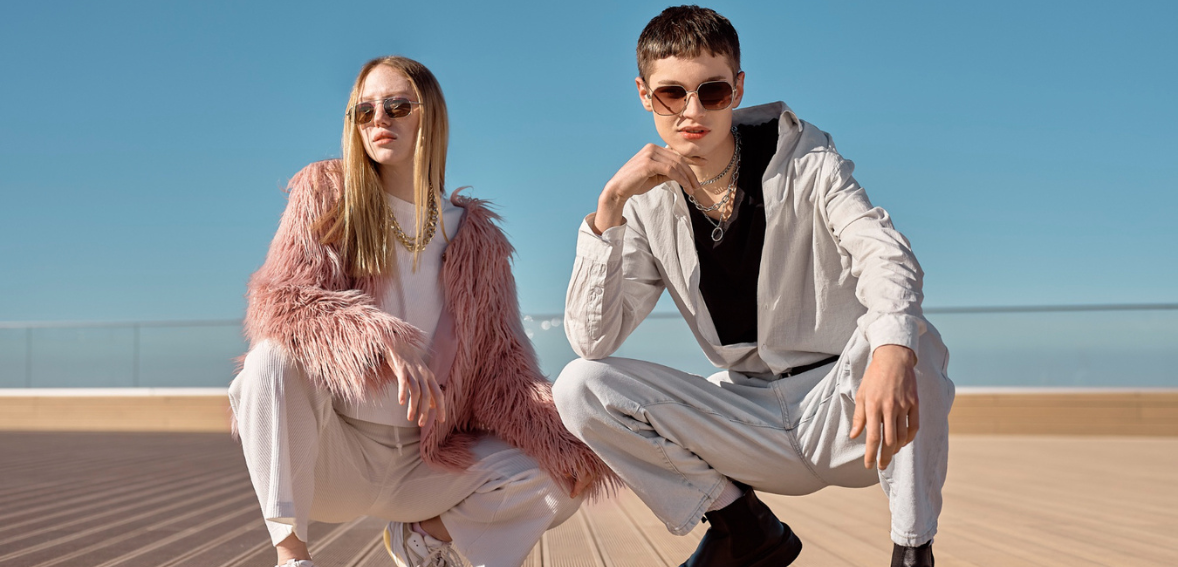
Modern body image fashion celebrates freedom, individuality, and cultural awareness. The popularity of crop tops, oversized blazers, and gender-fluid designs represents a fusion of confidence and comfort. Unlike past eras that imposed a single beauty ideal, today’s fashion embraces multiplicity. Fashion psychology highlights how modern consumers value emotional connection to clothing; comfort, empowerment, and representation are prioritized over conformity.
The ongoing clothing evolution reflects global dialogues around inclusivity, sustainability, and self-expression. Social media continues to amplify diverse voices, ensuring that beauty is no longer confined to specific shapes or backgrounds. What began with corsets and constraints has evolved into clothing that celebrates self-definition. The crop top, once controversial, now symbolizes body confidence and the rejection of shame, completing the journey from suppression to self-expression.
The Influence of Media on Fashion-Driven Body Ideals
Throughout history, the media has been the most powerful force shaping body image fashion. From glossy magazines to film and television, it has dictated what is considered beautiful and desirable. The advent of photography and later Hollywood glamorized certain body shapes while excluding others. In the mid-20th century, actresses like Audrey Hepburn popularized slender elegance, while the 1980s fitness craze introduced the toned aesthetic. The digital era magnified this effect exponentially, with social media curating visual perfection and fueling trends overnight.
In fashion psychology, media exposure often links directly to self-perception; people mirror the images they see repeatedly. However, recent years have shown a pushback against perfectionism. Influencers and brands now promote diversity and unedited authenticity, shifting narratives around beauty. The evolution of the media’s role shows both the harm and the healing power it holds, proving that how fashion is presented shapes how people feel about themselves.
The Gender Dimension in Body Image Fashion
Fashion’s influence on body perception extends beyond women; it also profoundly affects men. The portrayal of masculinity in body image fashion has evolved from rugged utility to sculpted precision. In the early 20th century, male clothing emphasized practicality and power, aligning with societal expectations of dominance. By the late 20th century, muscular physiques and fitted silhouettes emerged as the new ideal, reflecting a different kind of social pressure. According to fashion psychology, this evolution demonstrates that men, too, experience image-driven expectations shaped by clothing evolution.
Today, fluid fashion is dismantling those stereotypes, embracing softer lines, pastels, and unisex designs that promote emotional freedom over rigid masculinity. The inclusion of gender-fluid collections and representation of diverse male bodies in media indicates a collective reimagining of identity; one that values authenticity over conformity and personal style over outdated ideals.
Cultural Variations in Body Ideals Across the World
Different cultures have always defined beauty through their own lenses, creating unique expressions of body image fashion. In traditional African and South Asian societies, fuller figures historically represented prosperity and fertility, while in East Asian cultures, delicacy and grace were celebrated. Western ideals, influenced by industrialization and media globalization, often dominated the global narrative, setting narrow beauty standards. However, fashion psychology now recognizes how clothing evolution reflects cultural pride and resistance.
Indigenous and ethnic fashion movements worldwide are reclaiming visibility, using local textiles, body art, and traditional silhouettes to redefine modern beauty. The global fashion industry’s growing respect for cultural diversity is reshaping how beauty is perceived across continents. Today, the fusion of cultural aesthetics into mainstream fashion is creating a richer, more inclusive dialogue; proving that style and self-expression transcend borders and body types.
The Future of Body Positivity in Fashion
Looking ahead, body image fashion is poised for its most inclusive era yet. Technology, sustainability, and social awareness are driving a movement where individuality replaces idealization. 3D printing and custom-fit clothing promise to accommodate all shapes, further democratizing design. Clothing evolution will increasingly focus on adaptability and ethical representation, reflecting the diverse needs of consumers. Fashion psychology predicts that emotional well-being will play a bigger role in design philosophy; how people feel in clothes will matter more than trends.
Virtual try-ons, AI-driven sizing, and body-neutral marketing will redefine shopping experiences to foster acceptance rather than aspiration. The future belongs to fashion that honors humanity in its truest form, where every body is seen, valued, and celebrated. As society continues to evolve, fashion will remain both a reflection and a catalyst of progress; championing diversity, confidence, and compassion through design.
Conclusion: Fashion as a Mirror of the Human Journey
Fashion’s journey from corsets to crop tops is more than an aesthetic evolution; it’s a narrative of human progress, freedom, and emotion. The shifts in body image fashion, from restriction to liberation, reflect broader changes in how societies define beauty and worth. The clothing evolution of each era captures cultural priorities, from control to individuality. Through the lens of fashion psychology, one truth stands out: how we dress is how we tell our stories.
Today’s inclusive fashion movement reminds us that beauty is diverse, confidence is universal, and style is a language of empowerment. Each generation redefines the body not as something to hide or perfect, but to honor and express; a powerful testament to fashion’s enduring role in shaping identity.