





The Power of the Fashion Runway: Linking Historic Fashion Shows to TikTok Virality
Fashion has always been a reflection of culture, identity and innovation. From the first haute couture shows to today’s digital catwalks, the fashion runway has always defined how we see style. What was once an exclusive experience for editors and buyers is now an open conversation; thanks to the internet and more recently TikTok. The intersection of runway influence and social media has created a bridge between history and hype where iconic designs from decades past resurface as trends with a swipe of a finger.
The transformation of the runway from a room in Paris to a global phenomenon is not just about the democratisation of fashion but also how platforms like TikTok are changing consumption patterns. Today’s youth are not just spectators; they’re curators and participants. They’re remixing archival footage, reinterpreting vintage designer collections and turning catwalk nostalgia into current culture. This mix of heritage and innovation is redefining how we see TikTok fashion trends and the ongoing designer influence that shapes global style.
From Paris Salons to Global Screens
Fashion presentations began in intimate Parisian salons where designers showcased their work to elite clientele. These early shows were more about craftsmanship and exclusivity than spectacle. However, as mass media evolved, so did the scale of fashion. Television and later the internet turned these once-private events into worldwide sensations. The modern fashion runway influence emerged from this expansion, allowing designers to not only display their creations but also tell visual stories that captured cultural moments.
Fast forward to the present, and every major runway is live-streamed or dissected across social media. TikTok, with its short-form storytelling format, has revolutionized how people engage with these events. Instead of waiting for fashion magazines to report trends, audiences now experience collections in real time, reacting instantly. TikTok fashion trends often emerge from these clips, giving new life to runway moments that might have otherwise faded after fashion week.
Viral Fashion: When History Meets Hashtags
TikTok has created an archive of its own, reviving moments from fashion history and introducing them to new audiences. Vintage clips of Galliano’s theatrical Dior shows or Alexander McQueen’s avant-garde performances resurface with millions of views, inspiring a new generation. This recontextualization is at the heart of fashion runway influence today; where nostalgia meets virality.
The beauty of TikTok fashion trends lies in their unpredictability. A clip of Kate Moss walking in the 1990s can spark a microtrend that dominates weeks of user-generated content. Hashtags like #RunwayTok or #ArchiveFashion have become digital museums that celebrate past collections while fueling new interpretations. Designer impact now extends beyond the original debut, living through digital remixes, outfit recreations, and even fan tributes that pay homage to icons of the past.
The Democratization of Style Through Social Media
For years fashion was top down, designers told us what was cool and we followed. TikTok flipped that on its head. Now users decide what’s cool. Everyday people with a smartphone are driving TikTok fashion trends that rival the influence of traditional magazines. The runway still sets the tone but the conversation is two way. Audiences are remixing designer collections, commenting on styling choices and even calling out designers openly.
This is fueling a new kind of fashion runway influence where inspiration flows in all directions. Instead of an elite few, fashion is a living conversation that’s about authenticity and individuality. Social media has blurred the line between designer and consumer so both can participate in the evolution of style. The result is a landscape where inclusivity, creativity and digital innovation is what fashion means today.
Designers as Storytellers in the Digital Era
In the age of viral content, designers must think beyond fabric; they must craft narratives that resonate online. Designer impact now depends on how well a collection translates into short, shareable clips. A dramatic silhouette, an emotional model walk, or a striking color palette can spark millions of views on TikTok. As such, storytelling has become the backbone of modern fashion runway influence.
Designers are reimagining presentations to appeal to digital audiences without losing artistic integrity. Houses like Balenciaga and Prada experiment with immersive sets and unconventional formats designed to be captured and shared instantly. The fusion of theatricality and technology ensures that each show has the potential to go viral, creating ripples across TikTok fashion trends that reach far beyond the fashion capitals.
How TikTok Shapes Buying Behavior
Fashion virality doesn’t stop at views; it drives sales. The “see now, buy now” culture accelerated by TikTok has shortened the gap between inspiration and purchase. When a runway clip trends, consumers search immediately for similar looks, creating instant demand. Fashion runway influence thus transforms into measurable economic momentum.
TikTok’s algorithm amplifies this effect by tailoring fashion content to individual users, pushing microtrends to niche audiences. A vintage Versace clip might inspire one group, while minimalist Prada styling appeals to another. TikTok fashion trends diversify as communities form around shared aesthetics. The designer impact extends into retail, where even small boutiques benefit from viral exposure by aligning with trending visuals. The runway has evolved into a launchpad for global commerce as much as for creative expression.
Archival Fashion and the Revival of Legacy Brands
Nostalgia on the internet has brought back archival fashion. TikTok users are romanticising the early 2000s, 90s and even 80s. They’re making forgotten collections relevant again. This proves how fashion runway influence is truly timeless. A vintage Chanel tweed suit or Mugler silhouette is relevant again when Gen Z creators discover it, fashion cycles faster in the digital age.
Designer influence doesn’t fade with time. Instead heritage brands get a second life when TikTok users reinterpret their archives. Fashion houses have embraced this and are re-releasing vintage pieces or referencing them in new collections. This cyclical revival bridges the gap between generations and keeps fashion storytelling continuous and the cultural value of past runway moments alive in TikTok fashion trends.
The Rise of Digital Fashion Weeks
Virtual fashion shows became essential during the pandemic, and their success reshaped how we experience fashion runway influence. What began as necessity evolved into innovation; virtual runways, CGI models, and AR-integrated showcases now coexist with traditional formats. On TikTok, these moments thrive because they align perfectly with visual storytelling.
Designer impact in this hybrid model extends beyond garments; it includes soundtracks, visuals, and digital interactivity. Virtual fashion weeks on TikTok have allowed brands with limited budgets to gain global recognition. TikTok fashion trends now stem from these accessible events, where artistry and technology merge to form the new normal in fashion presentation.
Collaboration Between Designers and Influencers
The synergy between designers and digital creators has changed the face of marketing. Collaborations no longer rely on print campaigns; they thrive on viral authenticity. Designers now partner with influencers to debut collections, allowing fashion runway influence to reach millions instantly.
Influencers often reinterpret looks in relatable ways, translating haute couture into street-ready inspiration. This bridge between artistry and accessibility sustains TikTok fashion trends, ensuring that designer visions don’t just stay on the catwalk but reach real-world wardrobes. Designer impact becomes measurable not just through press coverage but through engagement metrics, outfit recreations, and user participation online.
Fashion Critique in the Age of Comments
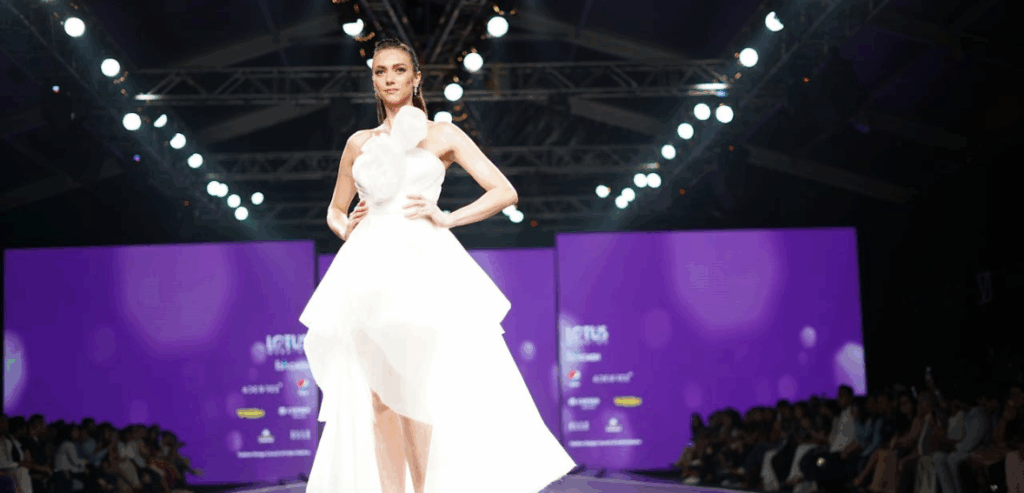
The modern runway doesn’t end when the last model exits. TikTok’s comment sections have become global forums for fashion discourse. Viewers analyze silhouettes, color palettes, and cultural references, extending the lifespan of each show. This open critique strengthens fashion runway influence by fostering dialogue and education among audiences.
Unlike traditional media, TikTok allows immediate reactions that shape perceptions in real time. Constructive criticism influences designer impact, prompting creatives to reflect on how their work resonates with younger, more diverse audiences. The culture of instant feedback ensures that fashion remains a living, evolving art form rather than a static spectacle.
The Future of Runway Storytelling
As technology evolves, so does the runway. The integration of augmented reality, holographic projections, and AI-powered design tools hints at a new era of fashion presentation. Future fashion runway influence will depend on how seamlessly storytelling merges with interactivity. Viewers might virtually “walk” through a collection or experience fabric textures through haptic feedback.
TikTok fashion trends will continue to act as cultural translators, making complex artistic ideas accessible to mainstream audiences. Designer impact in this landscape will extend beyond garments; it will define how fashion interacts with emotion, technology, and society. The future belongs to brands that understand the balance between innovation and authenticity, between spectacle and substance.
How Runway Music and Atmosphere Shape Online Trends
Music has always been the unspoken secret ingredient in defining the mood of a runway. The soundtracks of past shows are as iconic as the clothes themselves. When these moments surface online they get a new beat through TikTok edits and remixes. Users pair old runway clips with trending sounds and create loops that amplify the nostalgia and emotion. The interplay between audio and visual storytelling makes fashion runway more influential and the memory of the show lasts longer than the clothes themselves.
In many cases the music even dictates the pace of the edit, turning slow walks into rhythmic transitions that match the beat. The soundscape that was once limited to the show’s audience is now shared by millions of screens and feeds into TikTok fashion trends. The designer’s impact is clear, music sets the tone for the collection and determines how it will live on in the digital world.
The Role of Fashion Archives and Digital Preservation
Fashion archives were once hidden treasures accessible only to insiders and historians. Today, they are digital goldmines powering modern trends. TikTok users frequently unearth clips from the 80s, 90s, and early 2000s, introducing vintage haute couture to audiences born long after those collections debuted. This democratization of fashion history magnifies fashion runway influence, as moments once lost to time find fresh life online. Archival materials; old show footage, interviews, and campaign photos; form the backbone of TikTok fashion trends that celebrate reinvention.
Meanwhile, designer impact is amplified as new audiences reinterpret their earlier works, sparking demand for reissues and retro-inspired designs. Archiving also ensures that fashion’s evolution remains traceable, showing how craftsmanship and storytelling have adapted through decades. The fusion of past and present strengthens the industry’s cultural continuity, proving that timeless design always finds its audience, no matter how technology evolves.
Fashion Journalism’s Transformation in the Age of Virality
Traditional fashion journalism once held the exclusive power to define what was noteworthy after each runway season. Magazines like Vogue and Harper’s Bazaar curated public opinion through editorial authority. Today, that monopoly no longer exists. TikTok creators act as commentators, analysts, and critics rolled into one. Their quick takes reach wider audiences faster than print ever could, reshaping the ecosystem of fashion runway influence. These creators often contextualize collections, explaining design inspiration and cultural symbolism, making high fashion approachable.
As audiences engage directly, TikTok fashion trends gain a sense of authenticity and immediacy. The designer’s impact now includes public perception in real time; feedback comes not months later in a publication but minutes after the final walk. This transparency pushes brands toward more inclusive and audience-aware storytelling. Fashion journalism has evolved from gatekeeping to collaboration, where authority is shared between professionals and passionate digital voices who redefine what fashion conversation looks like.
Sustainability, Inclusivity, and the Future of Runway Influence
In today’s conscious era, social media audiences value ethics as much as aesthetics. The most viral runway moments now often feature inclusive casting, sustainable materials, or powerful cultural statements. This shift reflects a modern understanding of fashion runway influence; one that connects emotion with responsibility. TikTok users amplify such shows because they represent values that resonate with global communities. Discussions around upcycling, fair trade, and diversity extend the relevance of TikTok fashion trends, transforming them from fleeting visuals into meaningful movements.
The designer impact now includes moral leadership, with many houses adopting transparent practices and highlighting social causes in their presentations. Sustainable innovation, when paired with creativity, earns both digital admiration and long-term respect. As audiences continue to celebrate conscious creativity, the runway of the future will likely merge spectacle with substance, ensuring fashion continues to inspire not just visually but ethically as well.
Conclusion
Fashion’s evolution from exclusive salons to viral moments reflects a broader cultural transformation. The relationship between fashion runway influence and TikTok fashion trends demonstrates how creativity can transcend platforms, generations, and formats. What was once a static performance is now a global conversation, one that values accessibility as much as artistry.
Designer impact remains at the heart of this evolution, proving that while platforms may change, storytelling remains the soul of fashion. From Coco Chanel’s minimalist revolution to the digital extravagance of Balmain’s metaverse runway, fashion continues to adapt without losing its essence. The runway, once a place of exclusivity, now thrives as a symbol of connection; uniting history, technology, and the collective imagination of a generation that sees style not just as clothing, but as culture in motion.