


Behind the Glam: How Celebrities Curate Their Social Media Fashion Persona
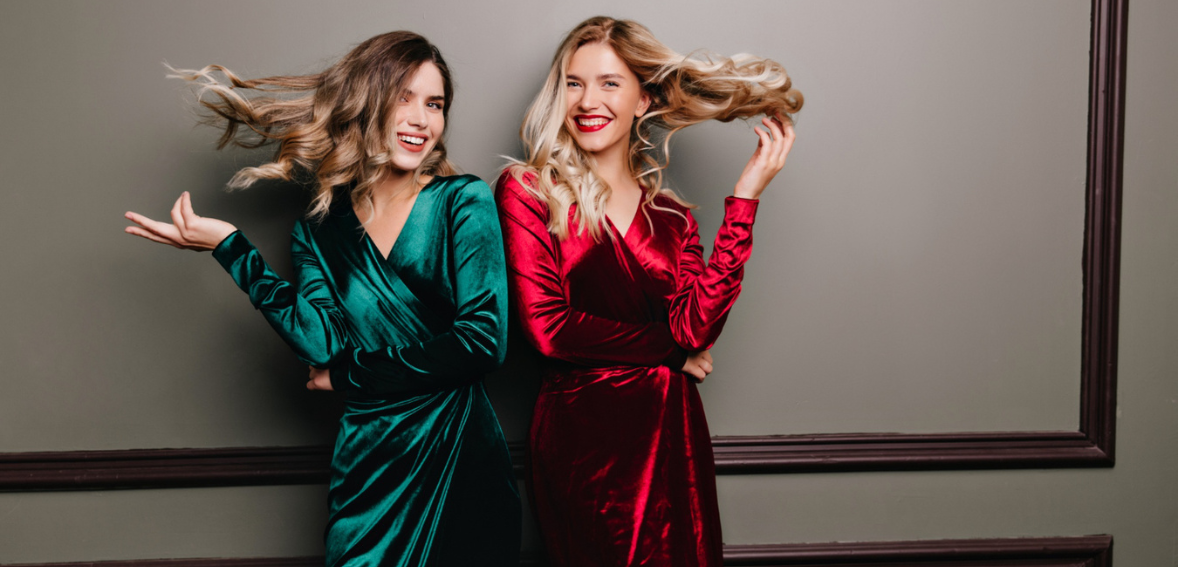
Fashion has always been a part of celebrity culture but in today’s digital age it plays out differently than it did in magazines and red carpet events. With social media shaping public opinion, stars now use their feeds as carefully constructed stages to show who they are – or who they want the world to think they are. Platforms like Instagram have become more than just places to post. They are digital catwalks where celebrities express themselves, promote collaborations and build their personal brand.
Behind every picture of a polished outfit or every video of a “candid” look there is intention. This is not random sharing; it’s calculated storytelling. What looks effortless often involves stylists, brand managers and strategy. The result is a crafted persona that influences millions of followers and changes how we engage with fashion itself. To understand this phenomenon we need to look at how celebrities build these digital fashion personas, the role of brands and image making and what it all means for personal identity and consumer culture.
Social Media as a New Fashion Stage
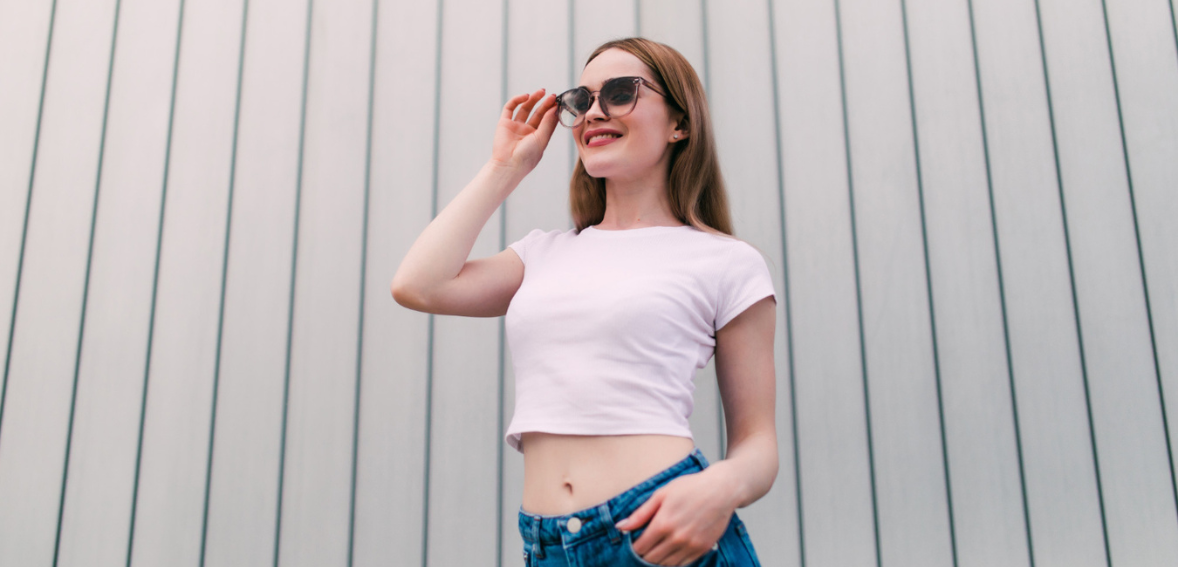
Instagram has become the go-to platform for fashion. The visual nature of the platform makes it a natural fit for showing outfits, accessories and overall style. A celebrity style Instagram account is rarely just about daily clothing choices. It’s often a mix of luxury, relatability and aspirational lifestyle. Each post is a piece of a bigger picture designed to grab attention and engagement.
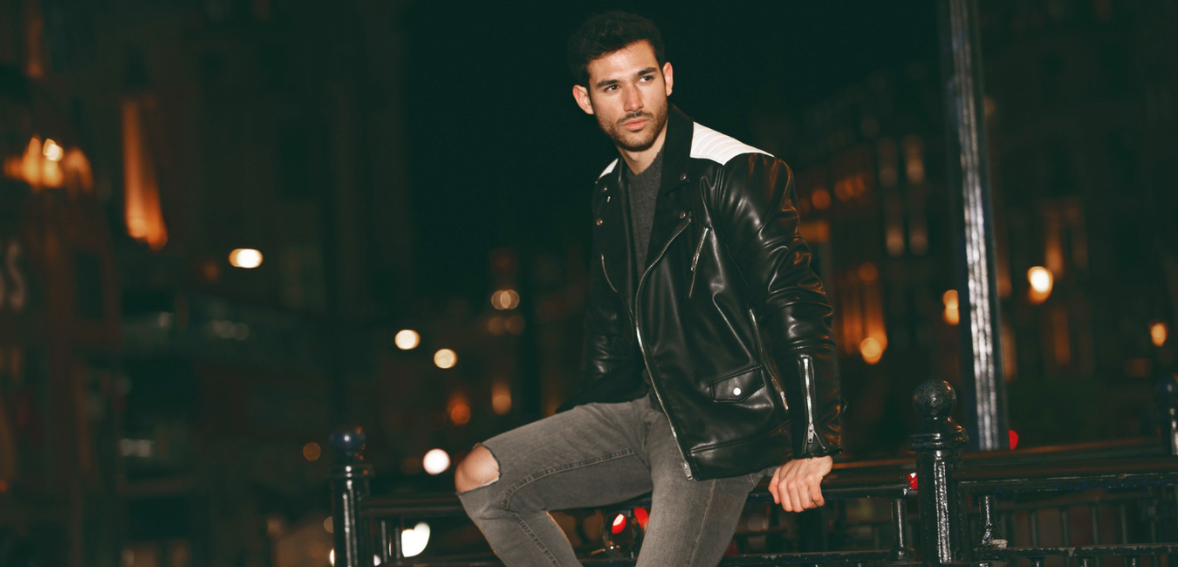
Unlike traditional media where publicists controlled image release schedules, celebrities now have the power to publish and interact with fans. But this power doesn’t mean complete spontaneity. The pressure to maintain an image means many have to balance glamorous looks with down to earth moments so their persona feels both aspirational and authentic. That’s why a single picture of streetwear can sometimes get more attention than a red carpet gown – it fits into the curated balance fans expect.
The Rise of the Curated Fashion Image
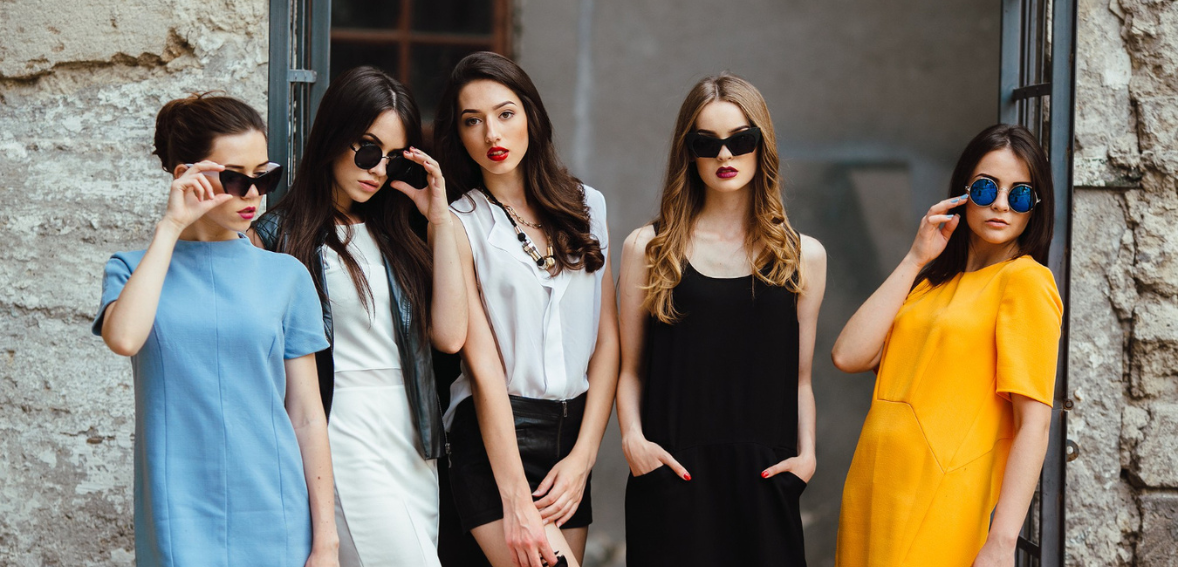
The idea of a curated fashion image is to look natural while being totally planned. Celebrities work with stylists, fashion photographers and creative directors to tell the story of each post. Outfits are chosen not just for how they look but for what they mean – trendsetting, nostalgia, empowerment or minimalism.
This curation isn’t just limited to the clothing but the entire scene: the background, lighting, pose and even the caption. For example a celebrity in casual denim with a coffee cup looks normal but the reality is that the moment could be totally staged to look effortless. Followers see this as a glimpse into real life but in reality it’s just another layer to the ongoing digital story. The curated approach keeps the audience engaged and the persona in line with the broader branding goals.
Fashion and Personal Branding
For modern celebrities fashion isn’t just about aesthetics but about identity. The connection between personal branding in fashion and social media visibility is undeniable. Outfits are chosen not just for how they look but for what they mean. A musician may wear vintage band tees to be authentic, an actor may go for sustainable brands to signal awareness and responsibility. Each choice reflects back into the brand narrative they want to build.
Personal branding also extends to how often celebrities post and what events they share. Attending a film premiere in couture says something different to posting gym wear selfies. Both contribute to the overall impression but serve different branding purposes. The constant stream of style content keeps celebrities top of mind not just as entertainers but as cultural influencers whose fashion drives wider consumer behaviour.
The Role of Stylists and Teams
Behind the digital glamour is a whole team that makes the fashion persona possible. Stylists are the ones who define the looks, often sourcing pieces weeks in advance and working with designers to get exclusive outfits. Makeup artists, hairstylists and photographers then complete the visual story. Once the images are shot, social media managers and brand consultants decide the timing and captions to make sure they align with the ongoing campaigns.
Having a team doesn’t mean it’s not authentic but it does mean it’s industrial scale what often looks like a personal share. In the context of a celebrity style Instagram what looks like a spontaneous mirror selfie may actually be an orchestrated moment with coordination and strategy. Followers don’t focus on the machinery behind the post; they consume the end product which maintains the illusion of a personal and direct connection.
Collaborations with Fashion Brands
Partnerships with fashion labels are a significant driver of how celebrities curate their style online. Sponsored posts, brand ambassadorships, and capsule collections often dictate wardrobe choices. These collaborations are mutually beneficial: brands gain credibility and exposure, while celebrities strengthen their fashion persona. The visual nature of platforms means that every tag, hashtag, or product placement contributes to the brand narrative.
Curating posts in line with partnerships can sometimes spark criticism, as fans may feel the spontaneity is replaced by advertising. Yet, when done smoothly, such collaborations blur the lines between personal branding and commercial promotion. A curated fashion image tied to a high-profile brand can boost credibility for both sides, ensuring the celebrity remains relevant and the brand gains cultural cachet.
Authenticity versus Perfection
One of the biggest challenges celebrities face is balancing perfection with relatability. Too much glamour can alienate audiences, while too much casualness risks diluting the allure of stardom. This is why celebrities often present “imperfectly perfect” moments; messy hair selfies, unfiltered snaps, or behind-the-scenes glimpses. These add a sense of realism that fans crave.
However, authenticity itself has become part of the curation. Even when stars appear candid, the decision to share that specific moment is calculated. This tension shapes how followers interpret posts. For fans, engaging with a celebrity style Instagram profile feels like a closer connection, but it still exists within the boundaries of branding strategy. The curated blend of authenticity and polish is what keeps audiences returning for more.
The Influence on Followers
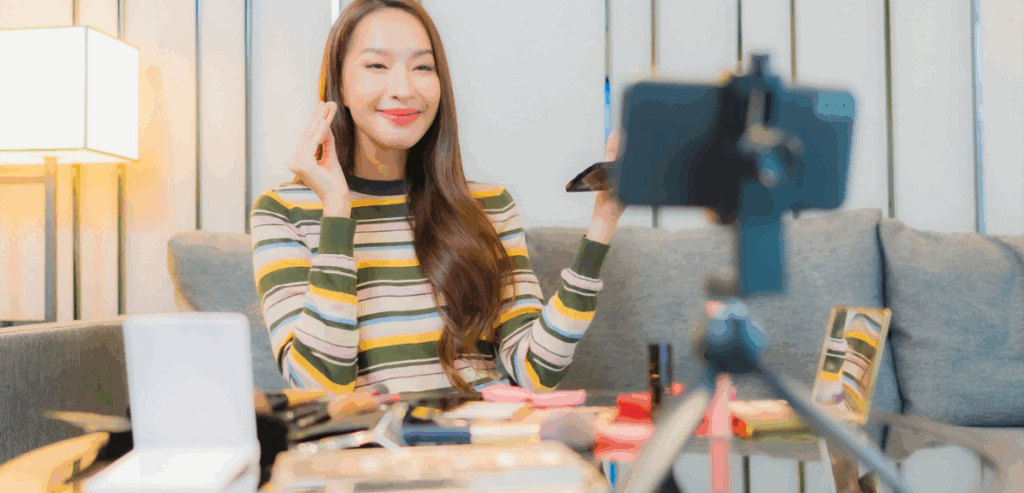
The impact of celebrity fashion personas extends beyond admiration. Followers often mimic looks, purchase endorsed products, and engage with trends set by their favorite stars. This influence makes celebrity fashion personas highly valuable to the retail sector, as one post can spark global demand for an item. The cycle is clear: celebrities set trends, followers adopt them, and brands amplify them.
But influence is not limited to purchases. It also affects cultural conversations around body image, gender roles, and identity. For instance, when a celebrity embraces gender-fluid fashion or highlights sustainable brands, it creates ripple effects that go beyond style. This merging of social influence and fashion underscores the deeper role that curated personas play in shaping not just wardrobes but mindsets.
The Risks of Over-Curation
While curation builds powerful branding, it also carries risks. Overly polished personas can spark accusations of being fake or disconnected from reality. A curated fashion image that never shows flaws may feel unattainable and contribute to negative self-comparisons among fans. Similarly, controversies often arise when celebrities are caught in mismatches between their digital fashion persona and real-life behavior.
The fragile balance requires celebrities to remain adaptable. Transparency about partnerships, occasional unfiltered moments, and direct interactions with fans help maintain trust. Without this, the carefully built persona may collapse under scrutiny, highlighting the vulnerability of image-driven branding in the digital age.
The Future of Celebrity Fashion Persona
As technology evolves, celebrity fashion personas will likely shift again. Features like augmented reality, virtual try-ons, and AI-driven styling will add new dimensions to how style is showcased online. Audiences may soon see celebrities experimenting with virtual wardrobes, interactive fashion posts, or even AI-personalized recommendations.
At the same time, the core idea of using fashion to build identity will remain. Social platforms will continue to serve as stages where stars negotiate between glamour, relatability, and authenticity. Whether through traditional outfits or futuristic digital clothing, the emphasis on crafting a celebrity style Instagram that aligns with personal and professional goals will remain central.
Fashion as a Form of Storytelling
Beyond aesthetics, celebrity fashion choices on social media serve as a storytelling tool. Outfits are rarely chosen in isolation; they often reflect moods, themes, or phases in a celebrity’s life and career. For example, an actress preparing for a major film release might lean into bold couture looks that emphasize her star power, while at other times she may highlight comfort wear to show relatability during quieter months.
A curated fashion image becomes a narrative device that keeps followers invested in the ongoing journey. Fans do not just see clothing; they see signals of identity shifts, career milestones, or personal evolution. By aligning style with storylines, celebrities transform fashion into a language of visual storytelling that resonates deeply with audiences, making posts both memorable and emotionally charged.
The Psychology of Influence
The impact of celebrity fashion personas is as much psychological as it is visual. When fans repeatedly see a certain style, brand, or accessory, they begin to associate it with aspirational living. This triggers purchasing behaviors, but it also shapes ideals of beauty, confidence, and success. A well-crafted celebrity style Instagram profile taps into these subconscious desires, presenting style not only as clothing but as a pathway to belonging and identity.
Followers often project themselves into these images, believing that adopting similar looks brings them closer to their idols. This cycle reflects the psychology of influence: celebrities set the stage, followers internalize it, and the industry benefits from amplified demand. The persuasive power of fashion imagery underscores why branding through style has become one of the strongest forms of digital influence today.
Global Reach of Fashion Personas
Social media has given celebrity fashion influence a global stage. Unlike traditional fashion weeks that were limited to industry insiders, Instagram posts can reach millions worldwide within seconds. This accessibility has allowed stars to build international style identities, shaping trends not only in their home countries but across continents.
A curated fashion image can spark conversations in Paris, New York, and Mumbai all at once, turning a single look into a worldwide phenomenon. This global reach has also encouraged cross-cultural experimentation, where celebrities mix styles, fabrics, and aesthetics from different traditions, creating new hybrids of global fashion. The accessibility of these images means followers from diverse backgrounds can engage, adapt, and reinterpret them within their own cultural contexts, making celebrity fashion personas an evolving, globalized dialogue that transcends borders.
The Blurred Line Between Public and Private
One of the most fascinating aspects of digital fashion personas is the merging of personal and professional spheres. Celebrities often present their wardrobes as extensions of their authentic lives, yet much of it is influenced by branding contracts and commercial obligations. The result is a blurred line where personal authenticity and promotional intent coexist in a single post. This blending is particularly clear in personal branding in fashion, where an everyday outfit can double as a subtle promotion for a sponsored brand.
Fans interpret these posts as glimpses into private lives, but the strategic layers behind them ensure the line between genuine expression and professional marketing remains almost invisible. This duality is not accidental; it is a deliberate choice that sustains both relatability and commercial viability, reinforcing fashion as both lifestyle and business on social platforms.
Conclusion
The glamorous outfits on Instagram may look effortless, but behind them lies a detailed system of strategy, collaboration, and branding. Celebrities use fashion to shape narratives, influence culture, and strengthen their personal identities.
Their feeds serve as digital runways where a curated fashion image connects them with millions, blurring the lines between authenticity and performance. For audiences, this dynamic offers entertainment, inspiration, and sometimes pressure. For celebrities, it is a balancing act between creativity and commerce, artistry and branding. As the digital landscape evolves, so will the ways in which stars present themselves. But one thing is clear: fashion will remain at the heart of personal branding in fashion, and social media will continue to be the arena where this branding plays out for the world to see.