











Biometric Fashion: How Smart Wearables Are Enhancing Health and Style
The intersection of technology and fashion has led to a fresh surge of innovation, resulting in an intriguing trend termed biometric fashion. Smart wearables have evolved beyond mere utility; they now represent fashion, blending health technology effortlessly into daily clothing. Let’s delve into the expanding field of biometric fashion, emphasizing how these innovative devices improve health and aesthetics.
What Is Biometric Fashion?
Biometric fashion refers to clothing and accessories embedded with smart technology capable of monitoring and analyzing health metrics. Unlike traditional wearables like fitness bands, biometric fashion fuses high-tech functionality with aesthetic design. These smart wearables can track heart rate, measure sleep patterns, count steps, and even monitor hydration levels, all while complementing the wearer’s style.
For instance, smart rings like the Oura Ring and bracelets with embedded sensors are gaining popularity for their sleek designs and multifunctional capabilities. Similarly, companies are developing sensor-embedded clothing that can monitor body temperature and provide real-time feedback. The underlying technology often involves advanced materials, nanotechnology, and IoT, making these devices highly efficient and user-friendly.
Biometric fashion represents more than just a technological breakthrough; it’s a change in lifestyle. Consumers are attracted to the combined appeal of health enhancement and fashion, which indicates an increasing consciousness of personal wellness in an interconnected society. As fashion brands team up with tech companies, the availability and diversity of smart wearables are consistently growing.
Moreover, the evolution of biometric fashion is creating new opportunities for niche applications, such as wearables designed for specific health conditions or lifestyle needs. For instance, maternity-focused biometric wearables are tailored to monitor fetal health and maternal well-being, illustrating the versatility of this innovation.
Smart Wearables: Bridging Fashion and Functionality
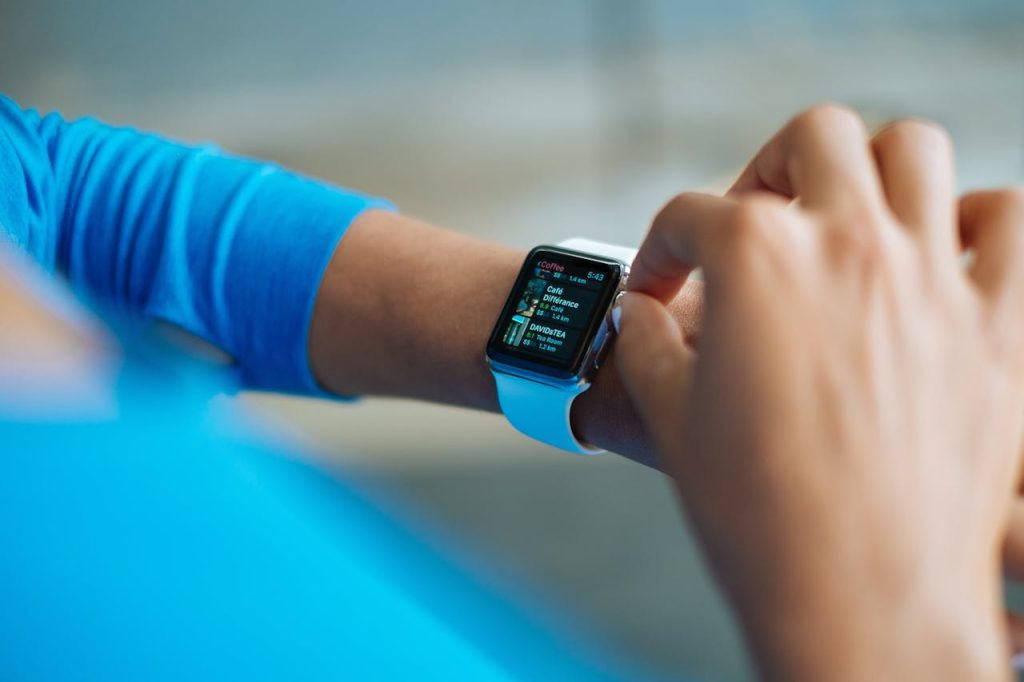
Smart wearables are the cornerstone of biometric fashion, bridging the gap between cutting-edge health tech and contemporary style. These devices are designed to be both functional and fashionable, catering to a diverse audience that values health monitoring without compromising on aesthetics.
A notable instance is the emergence of smartwatches such as the Apple Watch and Samsung Galaxy Watch, which integrate health-monitoring capabilities with personalized watch faces and high-quality bands. Apart from wrist accessories, advancements in smart glasses, like Bose Frames, enhance functionality by integrating audio features and fitness monitoring.
Footwear is another exciting frontier. Brands like Nike have introduced smart shoes that analyze gait and performance, appealing to athletes and casual users alike. Similarly, startups are developing adaptive clothing that changes its structure or temperature based on environmental conditions or the wearer’s activity level.
The fusion of fashion and functionality ensures that these devices appeal to a broader audience, from fitness enthusiasts to fashion-conscious individuals. As the designs become more refined and the technology more integrated, smart wearables are solidifying their place in both the fashion and health industries.
Moreover, intelligent wearables are advancing in terms of accessibility. Gadgets created for individuals with disabilities, like hearing aids featuring biometric functions or garments that offer tactile responses for the visually impaired, showcase the inclusive possibilities of this technology.
Health Benefits of Biometric Fashion
The primary appeal of biometric fashion lies in its ability to enhance personal health. Smart wearables provide a wealth of data that empowers individuals to make informed decisions about their lifestyle, fitness, and overall well-being.
For example, devices equipped with ECG functionality can detect irregular heart rhythms, potentially preventing serious health issues. Sleep-monitoring smartwatches help users understand their sleep patterns, offering insights into how to improve rest and recovery. Wearable hydration monitors remind users to drink water, addressing a common but often overlooked aspect of health.
Moreover, biometric fashion is essential for managing stress effectively. Numerous smart wearables include guided breathing activities and stress monitors, assisting people in managing anxiety. For long-term conditions such as diabetes, patches with embedded sensors can track glucose levels in real-time, decreasing the necessity for invasive techniques.
The data collected by these devices can also be shared with healthcare professionals, enabling more accurate diagnoses and personalized treatments. As these innovations continue to evolve, the impact of biometric fashion on health management is expected to grow significantly.
Moreover, biometric fashion is proving instrumental in preventive healthcare. Wearables can alert users to potential health risks based on data trends, allowing for early intervention. This proactive approach not only improves quality of life but also reduces healthcare costs by addressing issues before they become severe.
Wearables are increasingly being used for monitoring mental health. Gadgets that monitor mood changes or identify initial signs of mental exhaustion are becoming popular, providing assistance for those coping with stress, anxiety, or depression.
Enhancing Style Through Technology
While functionality is critical, the stylish appeal of biometric fashion cannot be overstated. Smart wearables are designed to be visually appealing, often resembling traditional jewelry or high-end accessories, making them versatile additions to any outfit.
Brands like Fitbit have partnered with luxury designers to create premium bands and cases, transforming utilitarian devices into fashionable statement pieces. Similarly, the incorporation of customizable elements, such as interchangeable straps and color options, allows users to tailor their wearables to their personal style.
Wearable technology has also made its appearance in high fashion. Designers are working alongside tech firms to produce innovative creations that merge art with technology. For example, dresses with embedded LEDs and fabrics that change color demonstrate the imaginative opportunities in biometric fashion. These designs are not only forward-thinking but also eco-friendly, frequently utilizing sustainable materials.
The aesthetic evolution of biometric fashion ensures that these devices are no longer relegated to the realm of tech enthusiasts. Instead, they appeal to a mainstream audience that values both innovation and elegance. This shift has cemented the role of smart wearables as indispensable accessories in modern wardrobes.
In addition, the versatility of biometric fashion extends to professional settings. Discreetly designed wearables allow users to monitor their health during long meetings or hectic workdays without drawing attention. This blend of subtlety and sophistication makes biometric fashion suitable for every occasion.
Moreover, intelligent wearables are expanding limits in personal expression. Adjustable digital screens on smart clothing allow users to display distinctive designs or messages, transforming garments into vibrant platforms for creativity.
Challenges and Future Prospects
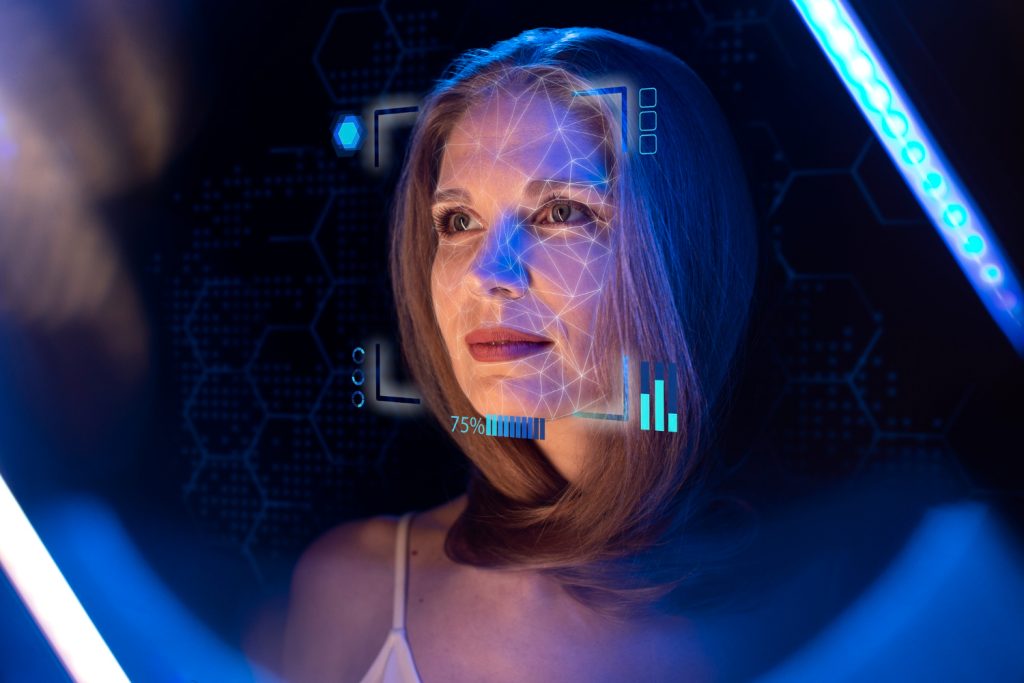
Despite its promising potential, biometric fashion faces several challenges that need to be addressed for widespread adoption. One major concern is data privacy. The sensitive health data collected by smart wearables must be protected to prevent misuse or breaches. Companies are investing heavily in encryption and secure data transmission to tackle this issue.
Another challenge is affordability. While the market offers a range of options, high-quality biometric fashion items can be expensive, limiting their accessibility. However, as technology advances and production costs decrease, prices are expected to become more competitive.
The lifespan of the battery is another essential aspect. Intelligent wearables need to be charged often, which can be troublesome for users. Researchers are investigating options like energy-capturing materials and advanced battery technologies to improve functionality.
Moreover, interoperability remains a hurdle. Many biometric fashion items are designed to work within specific ecosystems, which can limit their appeal. Ensuring compatibility across platforms will be essential for broader adoption.
Looking ahead, the future of biometric fashion is bright. Advances in AI and machine learning are likely to make these devices smarter and more intuitive. For example, predictive analytics could enable wearables to alert users about potential health risks before they occur. Additionally, the integration of AR and VR could open up new possibilities for immersive experiences in fashion and fitness.
The emergence of sustainable biometric fashion is yet another encouraging advancement. Sustainable resources and energy-saving designs are increasingly essential in the industry, matching consumer preferences for eco-friendly products. This transition not only increases the attractiveness of smart wearables but also aids global sustainability initiatives.
Conclusion
Biometric fashion signifies a revolutionary change in our understanding and utilization of garments and accessories. By merging intelligent wearables with advanced health technology, this trend provides unmatched advantages in health tracking and fashion improvement. As technology advances, the opportunities for biometric fashion are nearly endless, offering a future where fashion serves not only as an expression but also as a means for improved living.