








Clothes That Care: The Science Behind Sensory-Friendly Fashion
In recent years, fashion has taken a thoughtful turn toward inclusivity, embracing the needs of individuals with sensory sensitivities. This shift has not only reshaped industry standards but has also highlighted the deep connection between clothing and comfort. For many people, especially those on the autism spectrum or with sensory processing disorders, what they wear can significantly affect their day-to-day wellbeing.
Sensory-friendly fashion is not simply about style. It is about addressing real, physical needs through thoughtful design. This approach considers the texture of fabrics, the placement of seams, and even how tags are positioned. As more brands begin to adopt inclusive fashion for sensory needs, the conversation around autism clothing design continues to grow, opening up new possibilities for people to feel comfortable and confident in their clothes.
Understanding the science behind sensory-friendly fashion reveals why these garments are more than just fashion statements. They are tools for empowerment, allowing wearers to navigate the world with greater ease.
What Is Sensory-Friendly Fashion?
Sensory-friendly fashion is designed to minimize discomfort caused by traditional clothing elements that may be irritating to people with heightened sensory awareness. These clothes are especially beneficial for individuals with autism, ADHD, or sensory processing disorder.
Core Characteristics
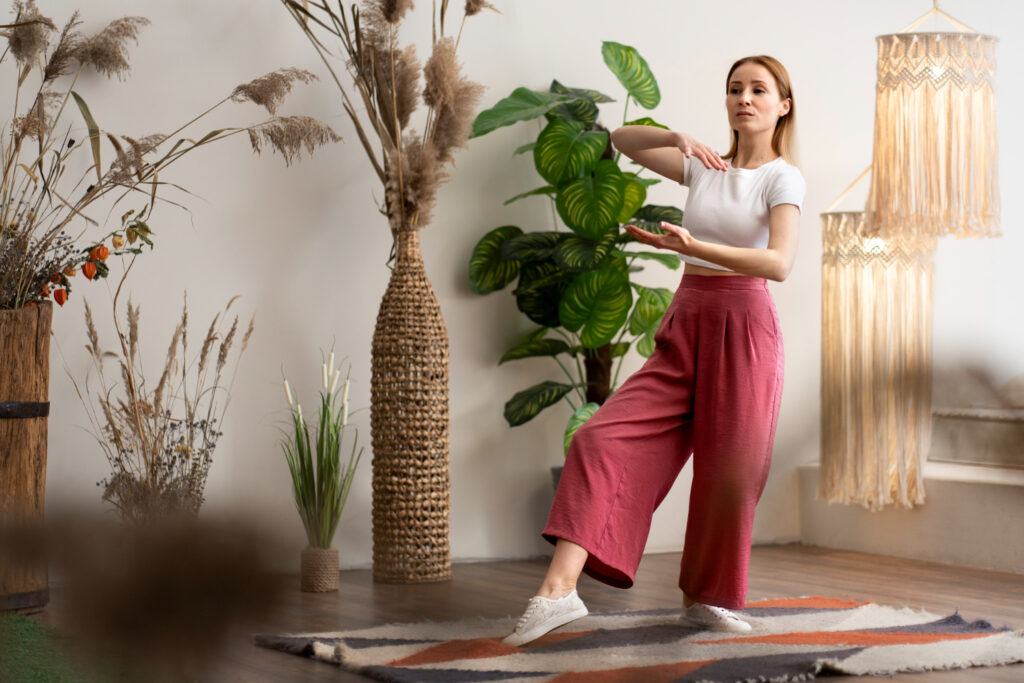
The key feature of sensory-friendly fashion is comfort. Designers avoid tags, harsh seams, tight elastics, and scratchy fabrics. Instead, they use soft materials, flat seams, and adjustable fits. These garments aim to reduce friction, pressure, and unexpected tactile sensations that can be overwhelming for certain individuals.
For example, rather than a traditional waistband with a button and zipper, sensory-friendly pants may use wide, soft elastic bands. Shirts may be tagless and stitched with flat seams to prevent irritation along the spine or shoulders. Each detail is carefully considered to promote ease and reduce distress. Incorporating these elements into clothing is not just about design. It reflects a deeper understanding of how individuals with sensory sensitivities interact with the world. The goal is to provide functional garments that allow wearers to focus on their daily lives rather than being distracted or distressed by what they are wearing.
Why It Matters: The Impact on Daily Life
The need for sensory-friendly clothing goes far beyond preference. For many, it can make the difference between comfort and discomfort, focus and distraction, or even calm and meltdown.
Emotional and Physical Comfort
For someone with sensory sensitivities, certain textures or tightness in clothing can lead to heightened anxiety, irritation, or even pain. Over time, this can contribute to chronic stress, avoidance behaviors, and reduced confidence in social or professional settings. By wearing sensory-friendly clothing, individuals can experience a sense of security and calm.
Autism clothing design is particularly important for children. Clothing that accommodates sensory needs allows them to attend school or social events without the added stress of uncomfortable garments. This improves not only their comfort but also their participation and emotional wellbeing.
Sensory-friendly fashion contributes to the larger movement of inclusive design. It challenges the assumption that all bodies feel the same in standard apparel and addresses a need that has long been overlooked. In doing so, it creates a more inclusive environment where everyone can feel welcome and understood.
The Design Process Behind Sensory-Friendly Fashion
Creating sensory-friendly fashion involves a blend of textile science, human-centered design, and empathetic innovation. Every step in the process requires a keen awareness of how different individuals respond to sensory stimuli.
Material Selection
Fabric choice is one of the most critical aspects. Soft, breathable materials such as bamboo, organic cotton, and modal are often used because they are gentle on the skin. These fabrics also tend to regulate temperature well, which adds to the wearer’s comfort. In contrast, fabrics that are rough, stiff, or prone to static electricity are generally avoided. Designers must also ensure that dyes and treatments used on fabrics are non-toxic and do not produce unpleasant smells or textures.
Construction Techniques
Instead of standard seams and stitching, flatlock seams are often used. These prevent the raised ridges that can irritate sensitive skin. Designers also eliminate interior tags, opting instead for printed labels or external placement. Closures such as zippers and buttons are replaced with alternatives like magnetic fasteners or Velcro, which are easier to manage and less likely to cause discomfort. The overall construction aims to create clothing that feels nearly invisible when worn.
By combining technical expertise with feedback from individuals who experience sensory challenges, designers can continually refine their products. This iterative approach ensures that sensory-friendly clothing evolves with the needs of its users.
The Role of Autism Clothing Design in Development
Autism clothing design has led the way in sensory-friendly fashion. Many of the principles developed for autistic individuals have been applied to broader design for inclusive clothing.
Functionality
Designing for children with autism often involves features that support motor skills development, self dressing and independence. For example, garments with wide neck openings or pull on styles so children can dress themselves without frustration. Some designs include compression or weight to provide deep pressure input which can be calming. These garments support emotional regulation, reduce sensory overload and improve focus.
Autism focused fashion lines are now also considering aesthetics more closely, so clothing meets sensory needs but also reflects the personal style of the wearer. This means inclusivity should never come at the expense of self expression.
Inclusive Fashion for Sensory Needs Beyond Autism
While much of the innovation in sensory friendly fashion has been driven by autism advocacy, the benefits extend to many people. From fibromyalgia or eczema to older adults with sensitive skin, inclusive fashion for sensory needs serves many demographics.
Wider Reach
Adults who work in high stress environments or wear uniforms for long hours may also benefit from sensory friendly elements. For example a nurse wearing a seamless, moisture wicking base layer can feel more comfortable during long shifts. Athletes, people recovering from surgery or neurodivergent in other ways may find sensory friendly clothing helpful. This broadens who can benefit from these designs and means comfort and function should be universal in fashion.
Retailers and brands who adopt these design principles often find an unexpected demand from consumers who had no name for their clothing discomfort but find relief in sensory aware clothing.
Retail and Market Trends in Sensory-Friendly Fashion
The fashion industry is increasingly recognizing the demand for inclusive, sensory-conscious apparel. From large retailers launching adaptive lines to small startups dedicated to neurodivergent consumers, the landscape is evolving.
Growth and Innovation
Major brands have started to include sensory-friendly fashion as part of their inclusive fashion offerings. These collections often include items for children and adults, offering tag-free shirts, pull-on pants, and soft, flexible materials. Smaller brands often lead the way in terms of innovation. Because they frequently collaborate with occupational therapists, parents, and individuals with sensory needs, their designs reflect real-world challenges and solutions.
The future of sensory-friendly fashion may also include tech-integrated fabrics that adapt to the wearer’s environment or biofeedback tools that help manage anxiety. As research into sensory needs continues, fashion is likely to play a more dynamic role in supporting wellbeing.
Fashion Education and Awareness
Raising awareness about sensory-friendly clothing is essential to ensuring that these options are accessible and understood. Educational campaigns, designer training, and inclusive marketing all contribute to shifting public perception.
Teaching the Next Generation
Fashion schools are beginning to incorporate adaptive and inclusive design into their curricula. Students are learning not just about aesthetics but also about function, accessibility, and user experience. This signals a shift in values within the industry and prepares future designers to create garments for a broader range of people.
Awareness campaigns also help remove the stigma that sometimes surrounds adaptive clothing. By normalizing the conversation and showcasing diverse models, the fashion industry can promote acceptance and understanding. As this awareness grows, it becomes easier for consumers to identify, choose, and advocate for clothing that meets their unique needs. This helps build a more inclusive society where fashion becomes a tool for self-expression and comfort.
Conclusion
Sensory-friendly clothing blends science, empathy, and design to improve comfort for those with sensory needs. Once niche, it’s becoming mainstream through innovation and awareness. By using inclusive materials and thoughtful construction, this fashion empowers individuals emotionally and physically, proving that clothing can and should offer care and comfort to all.