



Digital Street Style: How Instagram Has Redefined Everyday Fashion
Fashion has always been about more than clothes. It is a reflection of culture, identity, and the times we live in. For decades, fashion was dictated by designers, glossy magazines, and seasonal runways. However, with the rise of social media, especially Instagram, the power of influence shifted from the few to the many. Street style, once captured by photographers outside fashion week venues, has now moved to the palms of billions of users who scroll, like, and share daily.
Instagram has become the stage where everyday individuals showcase their creativity, making personal style more visible and influential than ever before. In this digital era, what we wear is shaped not just by luxury brands or celebrities but by peers and influencers redefining trends in real time. This transformation has given rise to Instagram street style, where the lines between fashion inspiration, personal expression, and social media visibility blur seamlessly.
The Evolution of Street Style into the Digital Space
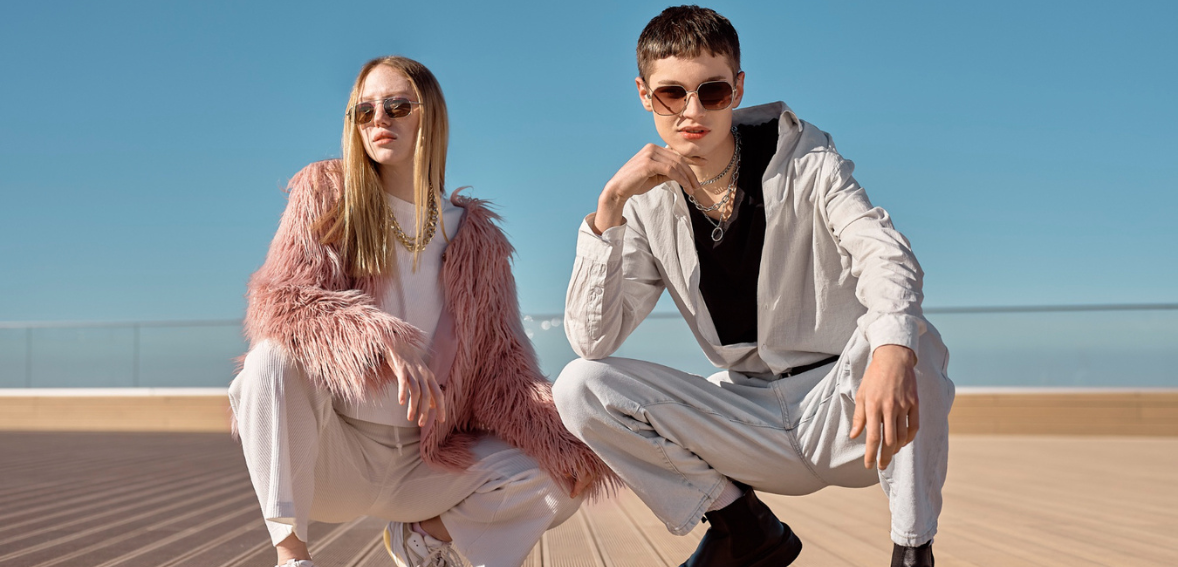
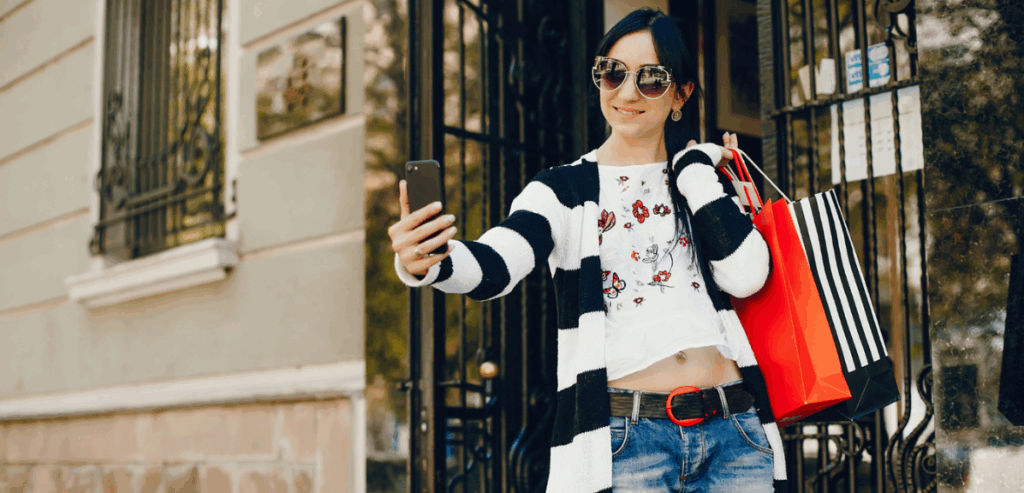
Street style has always been a way to express individuality, often starting in subcultures before going mainstream. In the pre-digital era it was captured by fashion journalists and photographers who would feature unique looks from everyday people in cities like New York, London and Tokyo. With the arrival of Instagram, this concept blew up. Anyone with a smartphone could be their own model and photographer. This democratisation of fashion representation meant diverse aesthetics could thrive online. Suddenly social fashion trends were no longer dictated by industry insiders but by communities of users sharing images, hashtags and styling tips. The street went digital and the new catwalk was the Instagram feed where creativity, accessibility and visibility collided.
Instagram as the Global Fashion Runway
Instagram has changed the rules of visibility in fashion. While traditional runways are for industry folk only, Instagram makes every outfit a trend. From curated selfies to candid street shots, the platform is a visual space where millions of styles are posted daily. Fashion influencers, micro-influencers and everyday people all contribute to this ecosystem, making it fast and furious. For many, scrolling through Instagram is like attending a global fashion week where styles from different cultures collide in real time.
This constant stream of digital outfit inspo has changed the way we shop, we want to try out looks that feel aspirational and attainable. Unlike fashion mags of old, Instagram is interactive. Followers can comment, ask where something is from and get instant feedback, the street style conversation is two way and super engaging.
The Rise of Influencers and Street Style Icons
One of the reasons why Instagram street style is so popular is the rise of influencers who have become style authorities. These people, often starting with small followings, built their audience by showing real outfits and relatable personalities. They mixed high fashion with affordable pieces and the world loved it and trends became more accessible to everyone. Chiara Ferragni and Aimee Song were the first to set the example but now micro influencers are just as important, offering niche perspectives on style.
Unlike celebrities who are styled by professionals, influencers style themselves and that’s more authentic. This has also blurred the line between personal expression and commercial influence as sponsored posts and affiliate links make influencers both cultural tastemakers and marketing channels. Street style icons thrive on Instagram because the platform values individuality and relatability over exclusivity.
Social Fashion Trends Driven by Instagram
One of the most amazing things about Instagram is how it speeds up fashion trends. Viral hashtags like #OOTD (Outfit of the Day) and #StreetStyle gives users a treasure trove of inspiration and makes trends global in hours. A jacket on a small influencer in Seoul can be in a London or LA wardrobe in days. These trends are cyclical and fast moving, micro trends emerge and die faster than ever before. But they also show diversity as regional trends go global.
Oversized blazers, chunky sneakers or thrifted vintage finds often become popular after they’ve been on Instagram. Unlike traditional trends which trickle down from luxury houses to mass retailers, today’s trends bubble up from users and move across digital platforms fast and wild.
Everyday People as Style Creators
The biggest change Instagram has brought is the rise of everyday people as style creators. Fashion is no longer exclusive to those with access to professional photographers or magazine spreads. Students, professionals or hobbyists can document their outfits and share with the world. This has made fashion feel more accessible and more inclusive.
Someone from a small town can inspire thousands globally by showing their personal style. Many people look to Instagram for outfit inspo because it feels real and relatable. The platform allows you to experiment with your identity and build confidence in your style choices. This shift from consumer to creator means fashion is no longer dictated by industries but by individuals redefining what it means to dress expressively in real life.
The Shopping Revolution Linked to Instagram
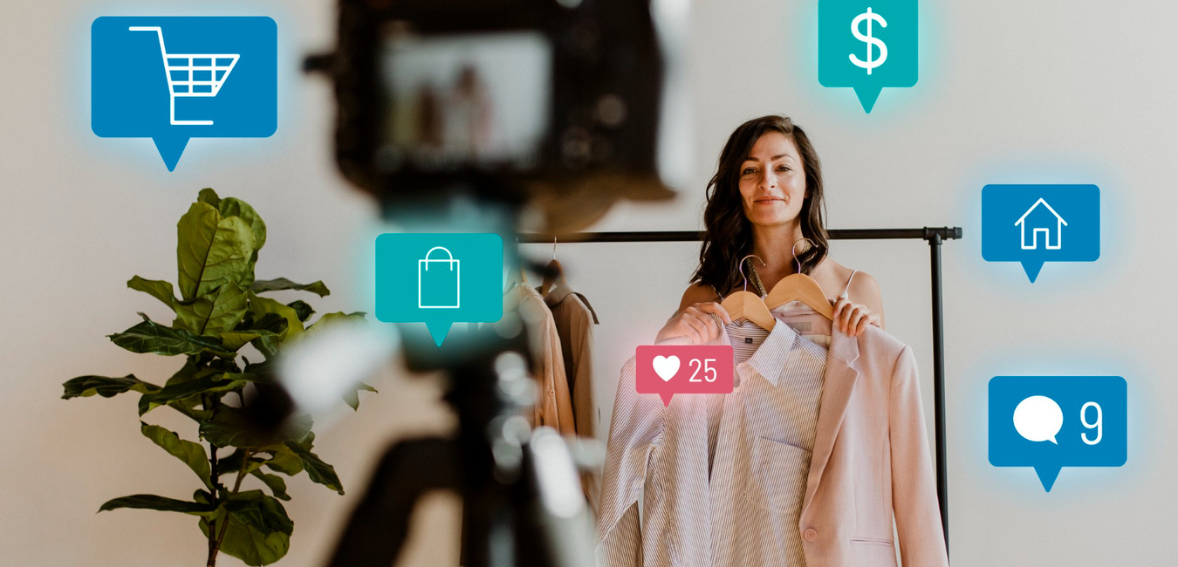
Instagram has changed the shopping experience too. With shoppable posts and brand tagging the platform has turned Instagram street style into a commercial machine. Users can see an outfit they like and buy similar items instantly. This direct link between inspiration and purchase has shortened the buying process for consumers. It also allows smaller brands to compete with big names by getting visibility through influencer collaborations or going viral.
Fast fashion brands have capitalised on this trend, churning out and distributing items inspired by trending Instagram looks. Meanwhile sustainable and thrifted fashion communities are using the platform to encourage more mindful consumption. This is what makes Instagram not only a style hub but a marketplace where commerce and creativity collide.
Diversity and Representation in Digital Fashion
Another notable impact of Instagram on fashion is the greater diversity of representation. Traditional fashion often excluded certain body types, ethnicities, and styles. Instagram has challenged this by amplifying voices and aesthetics that were once overlooked. Users from different cultural backgrounds showcase unique clothing traditions, influencing global social fashion trends.
Plus-size influencers, hijab-wearing fashion creators, and gender-fluid stylists have carved out spaces on Instagram, reshaping the definition of beauty and style. This inclusivity has expanded the idea of fashion as self-expression rather than conformity. By highlighting everyday diversity, Instagram has encouraged people to embrace their identities and inspired brands to adopt more inclusive campaigns. The platform has become a space where fashion reflects real-world variety rather than narrow industry standards.
The Role of Hashtags and Algorithms
Behind Instagram’s ability to shape fashion lies its technological infrastructure. Hashtags like #OOTD, #InstaFashion, and #StreetStyle categorize content, making it searchable and shareable across communities. These hashtags connect people with similar interests and expand the visibility of particular styles. At the same time, Instagram’s algorithms prioritize content that engages users, often pushing trending styles into more feeds.
This creates a cycle where popular posts become even more influential, accelerating trend adoption. While this can make fashion discovery exciting, it also contributes to the rapid turnover of trends. For users, this means constant exposure to digital outfit inspiration, encouraging experimentation but also fueling the desire for new purchases. Algorithms and hashtags act as invisible stylists, shaping what people see and, in turn, what they wear.
Sustainability Challenges in the Instagram Era
Despite its many positives, Instagram’s influence on fashion has also raised sustainability concerns. The rapid pace of social fashion trends encourages frequent consumption, which aligns closely with fast fashion practices. As people seek to replicate the looks they see online, many turn to inexpensive clothing that may have environmental consequences. While Instagram has given visibility to sustainable and slow fashion movements, the sheer volume of content pushing new styles often overshadows these efforts. This creates tension between digital inspiration and responsible consumption.
However, sustainability conversations are gaining ground, with influencers and communities promoting thrift shopping, upcycling, and mindful purchasing. The challenge lies in balancing the excitement of Instagram street style with the responsibility of sustainable practices, ensuring that fashion remains creative without being wasteful.
How Brands Adapt to Instagram Culture
Brands have had to adapt quickly to the culture of Instagram, recognizing its central role in shaping consumer behavior. Many collaborate directly with influencers, understanding their power to drive digital outfit inspiration. Campaigns are designed with Instagram aesthetics in mind, focusing on visuals that will capture attention in a crowded feed. Luxury fashion houses, once cautious about digital spaces, now actively participate in Instagram culture, using it to reach younger audiences.
Meanwhile, independent designers and small businesses find opportunities to showcase their work without relying on traditional gatekeepers. This adaptability has transformed how the fashion industry operates, with social media strategy becoming as important as runway shows. Instagram is no longer an optional platform for brands; it is integral to staying relevant in the fast-moving fashion landscape.
The Future of Instagram Street Style
Looking ahead, Instagram street style will likely continue evolving as the platform itself changes. With new features like Reels and integration with AI-driven shopping tools, fashion on Instagram is becoming even more immersive. The blending of digital and physical fashion, such as augmented reality try-ons or virtual clothing, suggests that the future of style may be increasingly hybrid.
At the same time, communities will continue shaping fashion from the ground up, pushing for greater inclusivity and sustainability. Instagram’s role as a cultural hub ensures that everyday fashion will remain dynamic, responsive, and highly visible. Whether it is through microtrends, diverse creators, or emerging technologies, Instagram will remain central to how people discover, share, and embrace style in their daily lives.
The Psychology Behind Instagram Street Style
Fashion has always had psychological roots, influencing how people feel about themselves and how they are perceived by others. Instagram magnifies this effect by providing immediate feedback in the form of likes, comments, and shares. Many users curate their wardrobes based on how outfits will appear on camera, showing the direct connection between psychology and fashion choices. The visibility of Instagram street style makes clothing more than functional; it becomes a social signal of identity, creativity, and status.
For some, it enhances confidence by affirming their sense of belonging in digital communities. For others, the pressure to keep up with social fashion trends can spark comparison or insecurity. This duality reflects how Instagram functions both as a motivator for creativity and a mirror of societal pressures. Understanding the psychology behind digital style explains why the platform is such a powerful force in shaping everyday fashion, blending aesthetics with emotional resonance in ways traditional media never could.
Street Style and Cultural Exchange on Instagram
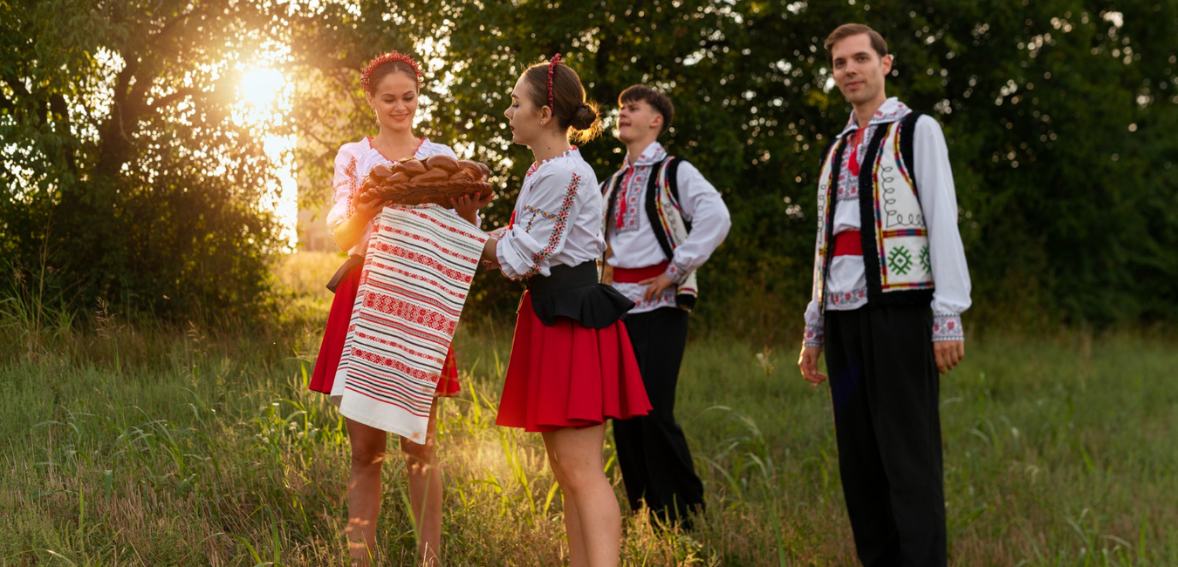
Instagram is not just a platform for personal expression but also a stage for cultural storytelling. Street style captured and shared across borders allows people to discover clothing traditions and modern twists from different regions. This global sharing has made fashion more diverse and interconnected, with styles from Africa, Asia, or Latin America gaining global visibility. A vibrant sari styled with sneakers in Mumbai, or kimono-inspired jackets worn casually in Los Angeles, become part of worldwide digital outfit inspiration.
This cultural exchange reflects the richness of fashion beyond Western-centric narratives. It also demonstrates how everyday people contribute to shaping social fashion trends while respecting cultural heritage. Of course, the conversation around appropriation versus appreciation is ongoing, but Instagram’s platform ensures these discussions are more visible than ever. The result is a fashion space that is both celebratory and educational, where diversity is valued and authenticity rewarded through visibility.
How Instagram Shapes Youth Identity Through Fashion
Young people are at the center of the Instagram street style revolution. For teenagers and young adults, clothing often serves as a critical part of self-discovery and identity formation. Instagram amplifies this by giving youth the ability to experiment with different styles, connect with peers globally, and gain validation through digital engagement. The fast-changing nature of social fashion trends appeals to younger audiences who enjoy the creativity of shifting identities through outfits.
At the same time, Instagram exposes youth to fashion that goes beyond local environments, expanding their worldview and making global inspiration accessible. However, the constant exposure to trends can also create pressure to consume quickly, challenging financial and mental well-being. Despite these challenges, the platform offers young people an empowering space to define themselves, celebrate individuality, and explore fashion identities that might not have been visible in previous generations. Youth-led creativity continues to drive much of the digital fashion conversation today.
The Blending of Virtual and Physical Fashion Worlds
As technology advances, Instagram is becoming the bridge between real-world outfits and digital experimentation. Virtual clothing, digital filters, and augmented reality try-ons allow users to create styles that may never exist physically yet still inspire digital outfit inspiration. This trend is particularly appealing to users who want to experiment without the environmental impact of constant purchasing. Fashion houses are beginning to explore digital collections designed purely for Instagram aesthetics, while independent designers create virtual garments for online personas.
This blending of digital and physical fashion expands the possibilities of Instagram street style, allowing creativity to go beyond fabric into virtual storytelling. It also signals a future where fashion consumption could include owning both physical clothes and digital wardrobes. By combining traditional wear with futuristic experimentation, Instagram continues to redefine how fashion is experienced, turning it into a hybrid world where imagination is as important as reality.
Conclusion
The digital era has shifted the balance of power in fashion. No longer dictated solely by designers or magazines, trends now emerge from millions of users sharing their looks daily. Instagram has redefined fashion by turning everyday outfits into globally visible statements. The platform’s ability to amplify individuality, accelerate social fashion trends, and provide endless digital outfit inspiration makes it a cornerstone of modern style. For many, fashion today is less about following rigid rules and more about expressing identity within an interconnected, digital community. Whether you are an influencer, a brand, or someone simply posting your favorite outfit, Instagram ensures that style is always visible, always evolving, and always redefining what it means to dress for everyday life.