








Economic Inequality and Access to Fashion Industry: Who Gets to Dress Well?
People have long used fashion as a means of self-expression, identity signalling, and social movement engagement. Wealth, privilege, and access, however, also influence the fashion industry. The aspirational side of fashion is often emphasised in magazines, runways, and social media influencers, but for many people, affordability, availability, and necessity shape their reality.
A vital question is therefore brought up: who actually gets to wear nice clothes? The fashion industry’s growing awareness of its role in either challenging or reinforcing social and economic divisions has led to an increase in the conversation surrounding fashion accessibility. Fashion and style are still not equally distributed, despite the fact that everyone needs clothing.
Fashion as a Privilege
Fashion is often marketed as a space of creativity and freedom. In theory, anyone can create a unique look and present themselves however they wish. In practice, however, not everyone has equal access to the materials, brands, or shopping environments that enable this kind of expression. People in higher income brackets typically have access to better quality clothing, more time to shop, and the ability to buy items for style rather than function alone. They can afford garments that last longer, fit better, and reflect the latest trends. For these consumers, clothing is about choice and aesthetics.
Those with lower incomes face different challenges. Budget constraints often limit their shopping options to fast fashion or secondhand items. The focus becomes practicality over style, and the experience of shopping may be shaped by limitations rather than expression. This gap between ideals and reality is central to understanding fashion accessibility.
The Impact of Income Disparity on Clothing Choices
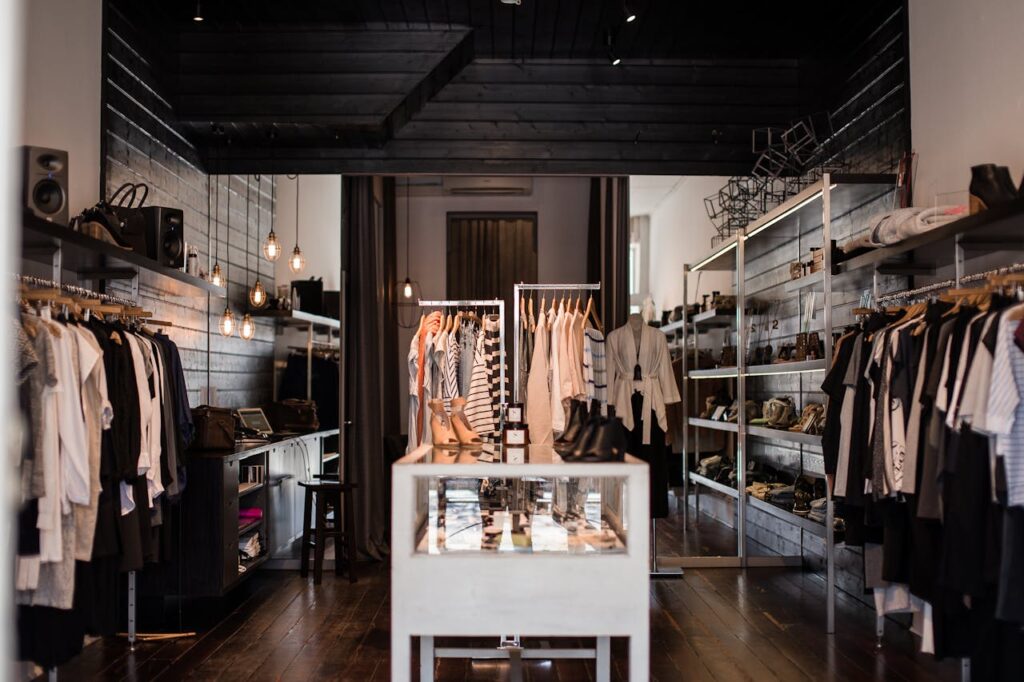
Differences in income Issues with clothing can be found in many aspects of fashion, such as fit, trend participation, material quality, and ethical sourcing. Wealthier demographics can often afford comfortable, long-lasting clothing made of natural materials. These garments are typically better made and hold up better through several washings.
Lower-income consumers, on the other hand, might rely more on inexpensive goods that wear out easily, requiring them to purchase replacements more often. These options are more expensive over time, even though they might be less expensive up front. A person’s confidence and self-presentation may be impacted by discomfort and dissatisfaction with appearance, which are also caused by poor construction and synthetic fabrics.
Another factor is fit. Many fast fashion retailers offer limited size ranges, and tailored clothing is often out of reach for those on a budget. This means that even if a person can find a stylish piece, it may not fit properly. Ill-fitting clothes can make someone feel excluded from trends and create a negative feedback loop of low self-image and reduced shopping engagement.
Affordable Style: Myth or Possibility?
The rise of fast fashion was once heralded as a step toward affordable style for everyone. Stores like H&M, Zara, and Shein offered trendy clothing at low prices, allowing people to engage with fashion regardless of income. But this model has come under criticism for environmental damage, poor labor conditions, and the disposable nature of the clothes themselves.
Fast fashion can offer short-term solutions, but it does not resolve the deeper issue of fashion accessibility. True affordable style means having access to clothes that are not only low in cost but also high in value. That includes durability, ethical production, and cultural relevance. In many cases, the quest for truly affordable style has led people to alternative markets such as thrift shops, online resale platforms, clothing swaps, and DIY fashion.
These alternatives can empower consumers to dress well on a budget, but they also require time, effort, and knowledge. Not everyone has the flexibility to scour secondhand stores or learn sewing techniques. In this sense, affordable style is possible, but it is not always equally accessible.
Social Stigma and Fashion Expectations
People’s clothing choices often lead to assumptions in society. A well-dressed individual is generally regarded as capable, polished, and socially conscious. Regardless of their true circumstances, someone wearing shabby or out-of-date clothing could face unfair judgement. This puts pressure on people, particularly in jobs where they interact with the public or in settings where appearance is correlated with perceived worth.
This pressure can be particularly severe for those who are poor. Despite having few choices, they still feel pressured to look well-groomed. This forces people to make difficult choices between purchasing clothing that satisfies social norms and paying for necessities. Clothes become a visible indicator of economic status in social circles, workplaces, and even educational institutions.
Fashion should be an inclusive form of expression, but these social dynamics often turn it into a tool of exclusion. Without conscious efforts to change perceptions and broaden definitions of style, fashion accessibility remains limited for those outside higher income brackets.
Clothing and Cultural Capital
Fashion also intersects with the idea of cultural capital, which includes non-financial assets like education, taste, and social connections. Someone with cultural capital may be able to pull together a stylish outfit from inexpensive pieces, simply because they know what works. This skill is learned and reinforced through media, peer influence, and access to resources.
Those without exposure to these environments may not know which cuts, colors, or combinations are seen as fashionable. The ability to dress well then becomes not just about money but about access to knowledge. This further deepens the divide, making fashion accessibility about more than just price tags. Brands and retailers have a role to play in bridging this gap. Offering style education, inclusive marketing, and a wider range of sizes and fits can help more people access fashion in a meaningful way.
The Role of the Fashion Industry
Who gets to wear nice clothes is greatly influenced by the fashion industry. Brands create the narrative around what is fashionable and who belongs, from the price points they set to the individuals they highlight in their ads. Most people still cannot afford luxury fashion, but even well-known brands occasionally fall short of capturing the diversity of society.
It has advanced. A growing number of brands are providing inclusive models, extended sizing, and pricing and sourcing transparency. There’s still a lot of work to do. Rethinking supply chains, retail designs, and online shopping experiences are all necessary to make fashion more inclusive. Retailers must consider how to make affordable style truly accessible, not just in cost but in availability and dignity. That means serving diverse communities with real commitment, not just performative gestures.
Technology and the Future of Fashion Accessibility
Digital tools offer promising paths for improving fashion accessibility. Apps that recommend styles based on body type, platforms that connect users with secondhand fashion, and virtual fitting rooms all help remove barriers. Subscription services and rental models have also made it easier for people to access high-quality fashion without full ownership costs. These models shift the conversation from possession to access, allowing more people to wear clothes they love without the financial burden.
However, technology also has its limits. Many of these services require internet access, credit cards, or smartphone literacy. To be truly inclusive, digital solutions must consider the real-world limitations of the populations they aim to serve.
Community Solutions and Grassroots Movements
Communities have stepped in to bridge the accessibility gap in fashion, going beyond platforms and brands. For those in need, free or inexpensive alternatives include school uniform exchanges, community closets, and clothing swap events. These programs restore agency and dignity in addition to providing clothing. The upcycling and do-it-yourself fashion movements have given people the confidence to take charge of their personal style. One effective strategy to reclaim fashion from exclusive commercial structures is to learn how to repair, modify, or create clothing.
The need for systemic change has also been brought to light by fashion activism. These movements, which range from campaigns advocating for equitable pay in clothing factories to initiatives encouraging diversity in the fashion media, seek to transform the sector so that it benefits more than just the wealthy and powerful.
Redefining What It Means to Dress Well
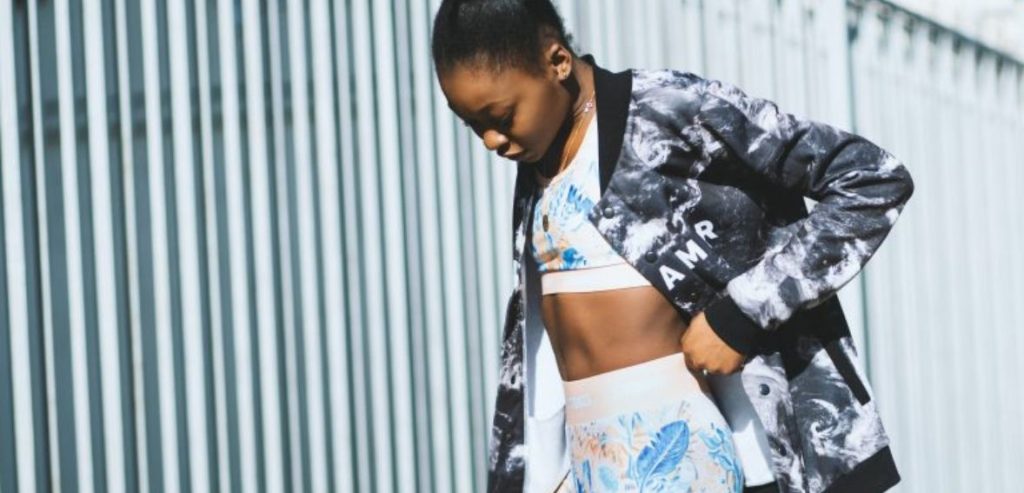
At its core, fashion is about identity, confidence, and communication. But the definition of dressing well should not be confined to wealth or brand recognition. It should include creativity, sustainability, and authenticity. Affordable style does not have to mean fast fashion or knockoffs. It can mean secondhand treasures, handmade pieces, or outfits styled with care and thought. Broadening our collective definition of fashion allows more people to participate meaningfully.
Redefining what it means to dress well also involves changing perceptions. A stylish person should not be identified by labels but by how they carry themselves, how they respect their clothes and how they adapt fashion to reflect their story.
Conclusion: Moving Toward Fashion for All
The values of society will always be reflected in fashion. Access to fashion will continue to be unequal as long as inequality remains. However, identifying the issue is the first step in resolving it. Everyone, regardless of income, can access style with the help of brands, communities, and individuals. We can change fashion from a status symbol to a means of expression for everyone by tackling the problem of income disparity in clothing through improved design, more considerate pricing, and inclusive representation. Cheap clothing is not what affordable style is all about. It’s all about thoughtful style that honours the wearer.
As the conversation continues, the hope is for a world where everyone has the right to feel confident, comfortable, and seen in what they wear. Fashion should empower, not divide. With awareness, innovation, and empathy, we can make sure that style is not just for the few but for the many.