






Fashion and Memory: How Clothes Trigger Emotional Recall
Clothing is more than just the material we wear; it often serves as a silent keeper of our lives, connected by enduring memories. A jacket can bring back memories of a chilly winter stroll with a special someone, or a faded band t-shirt can take us back to a night spent yelling lyrics with friends. Clothing has power not only because of its style but also because it can be used to record and bring back very special memories.
The Psychological Connection Between Fashion and Memory
The human brain forms strong associations between sensory experiences and emotional events. Clothing is a sensory experience in itself. The feel of fabric, the scent it holds, the way it fits or flows; all of these can become tied to a particular memory. When we revisit that piece of clothing, the memory is instantly triggered, often vividly. For many, certain garments represent turning points. A dress worn to a graduation, a uniform from a first job, or even the outfit worn during a breakup.
These are emotional bookmarks, not just clothing. Fashion and memory have a deeper relationship than just sentiment. It makes use of the way our brains store the emotional meaning of life experiences. People are not acting irrationally when they claim that they cannot part with a garment because of the memories it evokes. They are reacting to a genuine psychological bond created by significance and repetition. This explains why certain types of clothing can arouse feelings of pride, joy, loss, or nostalgia.
How Clothing Becomes a Memory Anchor
A shirt bought during a solo trip abroad. A jacket borrowed from a loved one. A pair of jeans that saw you through your university years. Each piece holds a story that lives beyond the threads and stitching. Over time, clothes become personal relics that capture more than fashion trends; they capture versions of ourselves. These memory anchors are unique to each individual. One person’s hoodie may just be a casual staple, while for another, it might represent their late father’s comforting presence. The same item of clothing can exist in two wardrobes with entirely different emotional weight.
As humans, we tend to attach meaning to objects that are part of significant experiences. Clothing, being such a visible and tangible part of those moments, becomes a natural repository for memory. The more emotionally charged the experience, the stronger the bond with the item worn during it.
The Power of Nostalgic Fashion
Nostalgic fashion is more than a passing trend. It is a cultural and personal time machine. Seeing or wearing pieces from a particular era can transport someone back to a different stage in life. Whether it’s bell-bottoms from the seventies, chokers from the nineties, or graphic tees from the early 2000s, nostalgic fashion is a reflection of who we were and the world we lived in. This emotional pull is what drives the recurring popularity of vintage and retro styles.
People are drawn to those styles not only for their beauty but also for the emotions they arouse. Teenagers today might wear vintage windbreakers without recognizing the link to their parents’ earlier years. That same piece serves as a gateway to the parent’s own childhood. Wearing items that bring back fond memories turns into a way to cope emotionally. It’s similar to carrying a well-known song on your back. To create collections that appeal to a wide range of age groups, designers must understand the emotional component of nostalgic fashion.
Why We Form Emotional Attachments to Clothing
Clothing is often the most personal form of self-expression. Unlike other possessions, clothes are worn close to the body. They shape how others perceive us and how we perceive ourselves. So when a moment of significance occurs, the clothes worn during that moment are naturally imprinted with emotional meaning. An emotional attachment to clothing can stem from a variety of experiences; romantic, celebratory, transformative, or traumatic.
It can be the dress worn on a first date, the sweatshirt from a lost sibling, or even the shoes worn on a day that changed your life. Letting go of these items can feel like letting go of the memory itself. This attachment can also serve a psychological purpose. It helps us maintain a sense of continuity. As we grow and change, our clothes help us stay connected to previous versions of ourselves. Even if we no longer wear a certain item, just having it in our possession can offer reassurance and emotional grounding.
Fashion as a Tool for Storytelling and Identity
Each wardrobe has a backstory. Whether on purpose or not, each item represents a phase of a person’s life. Fashion turns into a wearable story of identity, from the bold outfits worn during a period of self-discovery to the polished attire signaling a new career. For many, personal development is entwined with fashion and memory. When people view old pictures, they often recall not only the attire but also the feelings they experienced while wearing it.
That neon top may bring back memories of a summer of freedom, while a formal coat might recall a winter of personal resilience. Storytelling through clothing is not just about the past. It also informs how people want to be remembered or how they choose to present themselves. This conscious use of fashion to convey emotion and character is part of what makes it such a powerful medium of self-expression.
Clothing and Cultural Memory
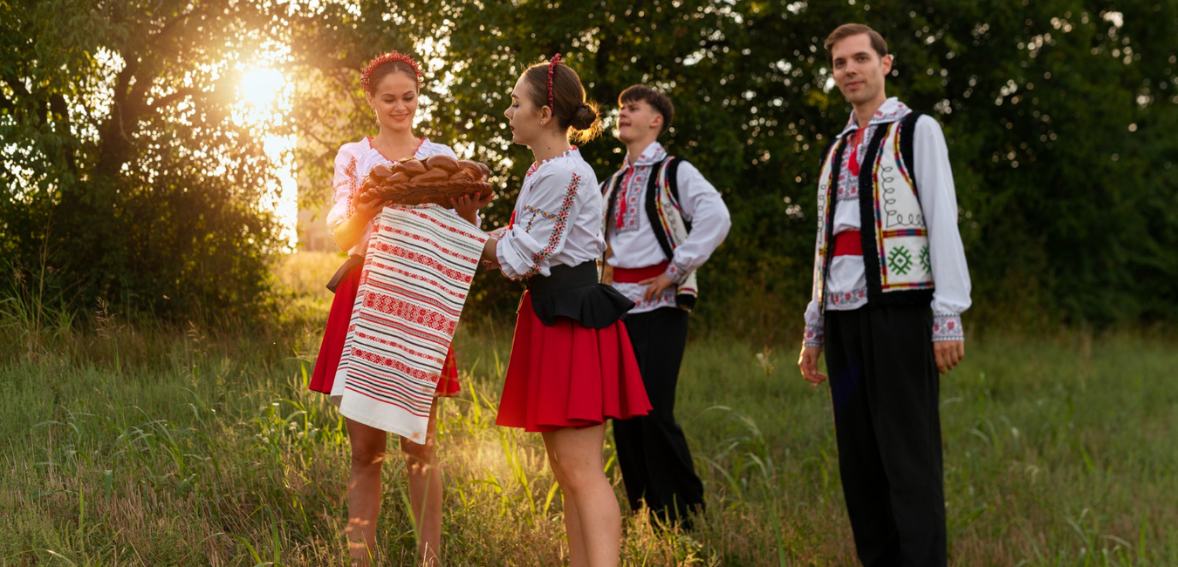
Beyond individual experiences, clothing also carries collective memories. Uniforms, ceremonial garments, and traditional attire represent shared histories. A cultural garment passed down through generations becomes more than an outfit; it becomes a legacy. In many cultures, clothing is used to mark rites of passage, from weddings to funerals. These pieces are treated with reverence because of the emotional stories they represent.
Wearing your grandmother’s sari or your father’s wedding tuxedo creates a living connection to family heritage. Nostalgic fashion within cultures often emerges during times of transition or upheaval. Revisiting past styles can offer comfort or resistance. Fashion, in this sense, becomes a language of collective memory, helping communities navigate identity and continuity in a changing world.
Wardrobe Keepsakes: The Garments We Cannot Let Go
Most people have at least one item of clothing that they simply cannot part with. Even though it may no longer fit or be too worn to wear, it is still kept in a drawer or closet. These are mementos from our wardrobe. Things are kept because of their emotional significance rather than their usefulness. Occasionally, it’s a concert t-shirt from a memorable evening. It can sometimes be your very first suit purchased for a job interview. Rarely are these mementos about fashion in general.
They are about the person you were when you wore them and the emotions you still carry. This emotional attachment to clothing is what makes organizing a closet so emotionally charged. It’s not just about deciding what you wear. It’s about deciding what memories you’re willing to hold on to, and which ones you’re ready to let go.
Fashion, Grief, and the Comfort of Familiar Textiles
Clothing plays a subtle yet powerful role in grief. After losing a loved one, the scent left behind on their clothes or the sight of their favorite outfit can trigger deep emotions. For many, holding on to a deceased person’s clothing becomes a tangible way to preserve memory. Some people choose to wear a loved one’s clothing as a tribute, while others keep items stored away as sacred objects. The softness of a well-worn sweater or the shape of a familiar jacket can offer comfort when words and gestures fall short.
In some cases, people repurpose clothing into keepsake quilts or accessories, transforming grief into creativity. This process acknowledges the deep connection between fashion and memory, especially when it intersects with loss and healing. These moments remind us that fashion is not always about appearance. Sometimes, it is about presence. The presence of someone lost, the memory of who we once were, or the connection we hold to someone we love.
Conclusion
Clothes are more than just our clothes. It is a very intimate extension of our identities, feelings, and experiences. It allows us to reflect the stories that have shaped us, hold on to people we’ve lost, and bring the past into the present. Fashion and memory interact in a subtle but significant way. It explains why an old pair of jeans can evoke strong emotions or why a simple scarf can make us cry. There are more than just styles in our wardrobes.
They’re filled with timestamps, with emotional fingerprints. Understanding the impact of nostalgic fashion and the emotional attachment to clothing helps us appreciate why fashion is such an enduring part of human life. It’s not just a mirror of who we are; it’s a museum of who we’ve been.