











Resale, Rental, and the Rise of the Circular Fashion Economy
A significant change is taking place in the fashion industry. More customers are reconsidering their purchasing habits as a result of growing environmental consciousness and sustainability concerns. People are increasingly using circular fashion models, which prioritise reuse, resale, and rental, as an alternative to purchasing fast fashion and throwing away clothing after a few wears.
The production, consumption, and value of clothing are all being altered by this shifting environment. A model where clothing circulates longer in the economy is replacing the conventional linear model of make, use, dispose, opening up opportunities for consumers and businesses both.
What Is the Circular Fashion Economy?
The circular fashion economy is built around the principle of extending the lifecycle of clothing. Instead of garments going from the store to landfill, they are kept in circulation through reselling, renting, recycling, or upcycling. This model aims to reduce waste, minimize resource consumption, and promote a more sustainable approach to fashion. It supports environmental, economic, and ethical goals by encouraging longer garment use, better production practices, and innovative business models.
The Shift from Linear to Circular
The fashion industry operated on a linear model for decades: design, produce, sell, wear, and discard. This cycle was sped up by the fast fashion era, which resulted in increased production and shorter usage times. The industry is now aware of the harm this does to the environment. The goal of circular fashion is to disrupt this trend. By combining procedures like repair, resale, and rental, it makes sure that clothing keeps its value for as long as possible. This change requires not only consumer involvement but also a reconsideration of retail models, supply chains, and corporate social responsibility.
The Role of Technology
Technology plays a crucial role in enabling circular fashion. Platforms for reselling, tracking garments, and facilitating rentals have emerged as major players. From apps that connect secondhand sellers to marketplaces for designer rentals, technology helps bridge the gap between consumers and more sustainable choices.
Blockchain, RFID tags, and digital IDs are also helping brands monitor product lifecycles, validate authenticity, and even automate resale eligibility. This digital backbone is essential to scaling the circular economy in fashion.
The Growth of Clothing Resale Economics
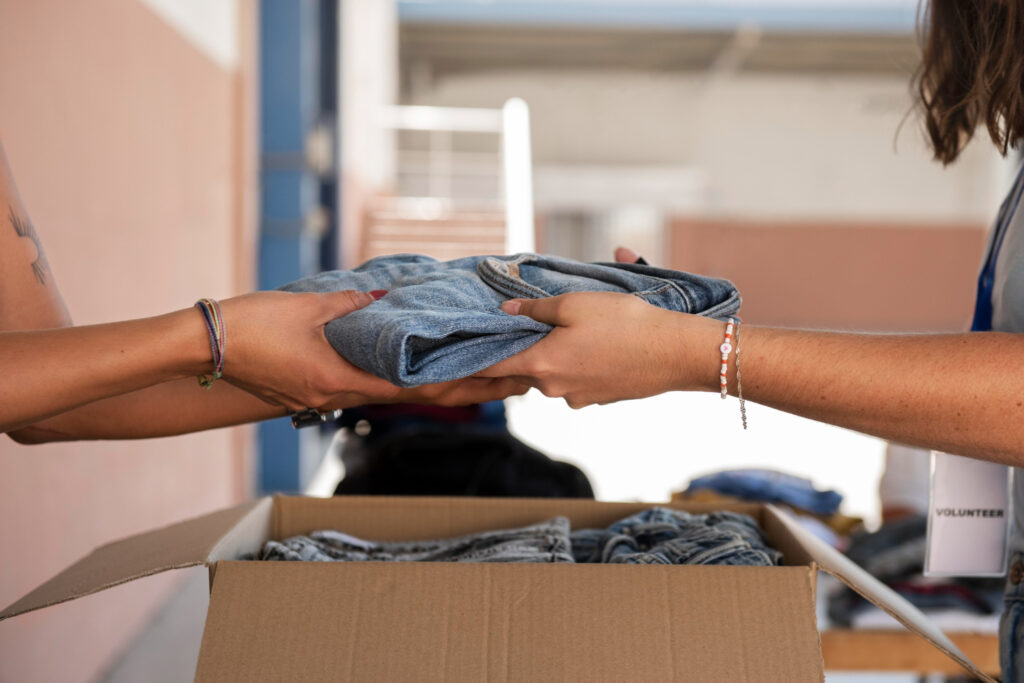
Secondhand fashion has moved beyond thrift stores and garage sales. The clothing resale economics of today involve billion-dollar marketplaces, tech platforms, and data-driven strategies that rival traditional retail.
Why Resale Is Booming
Several factors are fueling the growth of resale. Millennials and Gen Z consumers value sustainability and uniqueness. They are more willing to buy used items if it means lowering environmental impact and finding one-of-a-kind pieces. Moreover, the resale market offers a chance to access high-end brands at affordable prices. For sellers, it’s a way to monetize unused clothing while decluttering their closets.
This demand has created a thriving ecosystem of online marketplaces, brand-operated buy-back programs, and resale-as-a-service platforms. The business case is clear: resale is profitable, scalable, and aligned with current consumer values.
Big Players in the Market
The buying and selling of used clothing has been completely transformed by businesses like ThredUp, The RealReal, and Poshmark. Reselling is made as easy as buying new thanks to these platforms, which manage logistics, authentication, and customer support. Additionally, brands are going straight into the resale market. Customers can now return used items for store credit or resale thanks to the resale programs that Patagonia, Levi’s, and Lululemon have implemented.
These projects are more than just advertising campaigns. They reflect the increasing understanding that the economics of clothing resale can create new sources of income while supporting sustainability objectives.
Challenges in Resale
Despite its growth, resale faces challenges. Quality control, authentication, and inventory management can be complex. Logistics costs are high, and profit margins may be thin for low-value items. There’s also a psychological barrier for some consumers when it comes to wearing previously owned clothing. Overcoming this hesitation requires brands and platforms to focus on presentation, trust, and cleanliness to match or exceed retail expectations.
The Expansion of the Fashion Rental Market
Renting clothes is no longer limited to tuxedos and wedding gowns. The modern fashion rental market offers everything from everyday wear to luxury bags, all available for short-term use.
What Makes Rentals Appealing
Consumers rent clothing for various reasons: trying out a style before committing, accessing high-end fashion for special occasions, or simply avoiding the clutter of ownership. For urban professionals, influencers, and even sustainability advocates, rentals make fashion more flexible and less wasteful. Subscriptions also allow users to rotate their wardrobe regularly without purchasing new items. This supports a shift from ownership to access, a concept becoming increasingly popular in many industries.
Emerging Rental Platforms
The rental model has gained popularity thanks to websites like Rent the Runway, Nuuly, and Le Tote, which charge monthly fees for thoughtfully selected fashion collections. Online shoppers select outfits, put them on, and then return them with pre-paid shipping. These services take care of user customisation, cleaning, and quality assurance. Some platforms combine the rental and resale models under one roof by allowing users to purchase rented goods at a discount.
Retailers Entering Rentals
Traditional retailers are also joining the fashion rental market. Brands like Banana Republic, Urban Outfitters, and Express have introduced rental services to complement their standard offerings. By doing so, they retain customer loyalty, reduce overproduction, and experiment with circular models that were once seen as niche. For many brands, rental programs are an entry point into the broader circular fashion economy.
Environmental and Social Impact
A major benefit of circular fashion is its environmental impact. Reducing new production cuts down on carbon emissions, water usage, and textile waste. These outcomes are increasingly important as the fashion industry faces criticism for its ecological footprint.
Lowering the Carbon Footprint
The need to create a new item is postponed by each item that is kept in use. Customers who opt to buy used or rent are essentially lowering the demand for energy-intensive manufacturing and new resources. Overall emissions from circular models are typically far lower than those from the production and disposal of new clothing, even though cleaning and logistics do require energy.
Reducing Waste in Landfills
Textile waste is a major issue globally. Millions of tons of clothing end up in landfills every year. Circular fashion helps redirect garments away from landfills by extending their usable life through resale and rental. This shift supports waste reduction efforts and encourages recycling and upcycling, especially when clothes are no longer wearable.
Promoting Conscious Consumption
Beyond environmental benefits, circular fashion promotes a cultural shift. It encourages people to value their clothing, make mindful purchases, and see fashion as a service rather than a disposable good. It challenges fast fashion’s narrative of constant newness and fosters a community of conscious consumers who prioritize sustainability.
Future Outlook: What Comes Next?
As awareness grows, the circular fashion economy is expected to expand rapidly in the coming years. Brands, consumers, and technology will all play critical roles in shaping this future.
Brand Responsibility and Innovation
Circular practices are expected to be incorporated into the core operations of more brands. Using recycled materials, providing repair services, and designing for longevity are all part of this. Some businesses are looking into product passports, which are digital tools that record the materials and lifecycle of clothing, in order to facilitate recycling or resale and enhance traceability.
Others are testing business models where clothes are leased or offered via subscription from the start, moving even further from the concept of ownership.
Government and Regulation
Policy may soon catch up with circular fashion. Governments in Europe and beyond are considering regulations that push brands to manage product end-of-life, offer take-back programs, and reduce waste. Incentives like tax breaks for sustainable business models or penalties for unsold inventory disposal could further accelerate adoption.
Consumer Education
Consumers are key to circular fashion’s success. The more people understand the value of resale and rental, the more likely they are to participate. Education campaigns, influencer partnerships, and improved marketing of circular services can help make sustainable choices mainstream. As buying habits shift, so too will the fashion industry’s priorities.
Conclusion
An industry long criticised for its wastefulness is entering a new phase with the rise of circular fashion through resale and rental. A more sustainable and inclusive future is being brought in by the fashion rental market and clothing resale economics, which prolong the life of clothing and move the emphasis from ownership to access. This change is beneficial to more than just the environment. Additionally, it offers a business opportunity that balances responsibility and profitability. Adopting circular fashion can result in more informed decisions, a more profound effect, and a wardrobe that benefits the environment and you as a consumer, designer, or business owner.