






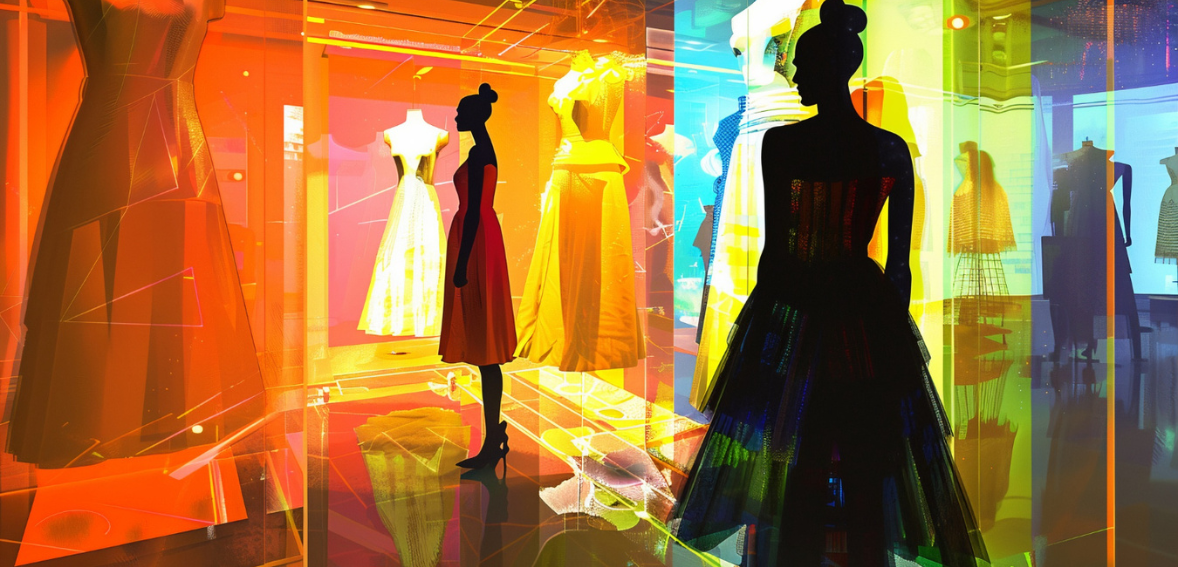
The Rise of Virtual Fashion Shows in the Age of Livestreaming
Fashion has always been a place where creativity meets showmanship, and virtual fashion shows are the ultimate expression of design and innovation. Historically, these events were super exclusive, only open to industry insiders, celebrities and select media. But with the rise of digital technology and livestreaming, the fashion industry has opened its doors to the world in new and exciting ways. What was once an intimate experience is now a global phenomenon that can be accessed from your living room.
The virtual runway is not just about how fashion is presented, but how it’s consumed. Livestream fashion events and digital fashion week experiences have redefined the relationship between brands and audience. For designers it’s a chance to reach a bigger and more diverse demographic. For consumers it’s fashion closer than ever.
From Physical to Virtual Fashion Shows
The shift from traditional catwalks to digital shows didn’t happen overnight. While livestreams of fashion shows existed before, they were often secondary to the main in-person event. The pandemic accelerated this shift dramatically as lockdowns made physical gatherings impossible. Designers and brands turned to virtual runways out of necessity but quickly realised the benefits of digital accessibility and global reach.
Audiences from all over the world could now attend events that were once reserved for the select few. The democratisation of fashion gave enthusiasts, students and everyday consumers a front row seat. This change also allowed brands to experiment with creativity in ways that were impossible on a physical stage, using 3D modeling, CGI and augmented reality. What was once a solution to restrictions has become a permanent part of the fashion calendar, with livestream fashion events now a key way brands engage with their global audience.
Expanding Access to Global Audiences
One of the biggest effects of the virtual runway is the opening up of access. Traditional shows were limited by geography and exclusivity, only a few hundred people would attend. Now millions can log in and watch collections as they drop. This inclusivity has created a new kind of fashion fan, one that feels more connected and part of the industry.
Livestreaming fashion events allows fans from different countries to participate in real time, share their reactions on social media and create global conversations around collections. This collective participation takes fashion from a niche luxury experience to a widely shared cultural phenomenon. Digital fashion week events amplify this inclusivity by allowing an international audience to participate at the same time, breaking down access barriers. For brands this means wider exposure, more markets, stronger connections with audiences who would never have been part of the traditional fashion ecosystem.
Creativity Beyond Physical Limits
The digital format of virtual runway shows is endless. Traditional shows are limited by venue size, budget and logistics. Digital fashion presentations remove many of those limitations and allow designers to go in entirely new directions. Some have created virtual landscapes, others have animated fabrics to life and many have used AR and VR to create fully immersive experiences.
This creativity makes livestream fashion events exciting not just for industry insiders but for casual viewers too. Audiences tune in not just to see clothes but to experience storytelling on a cinematic scale. For example a designer might show a collection in a futuristic cityscape or create a fantasy world where gravity defying fabrics float across the screen. These experiments turn a digital fashion week into more than just a presentation; it’s art, performance and innovation all in one.
The Influence of Social Media Engagement
Social media has made livestream fashion events more impactful than ever. Platforms like Instagram, TikTok and YouTube allow clips and highlights to go out instantly, extending the life of a show. A great look from a virtual runway can trend worldwide in hours, reaching people who may not have even planned to watch the event.
For millennials and Gen Z who make up a large part of the fashion consumer today, social engagement is almost as important as the show itself. Memes, reaction videos and influencer commentary all feed into the bigger picture of a collection. Digital fashion week events are designed with this in mind, often with interactive features to encourage sharing. By using social media, brands make sure their shows are not static events but living conversations that continue long after the livestream ends. This has made fashion more engaging, interactive and inclusive than ever.
Redefining Brand Identity in the Digital Space
Fashion brands have always used runway shows as an extension of their brand, and the move to digital has forced them to think about how they present themselves. The virtual runway is no longer just a platform to show clothes; it’s a space where brand storytelling becomes 3D. From music and visuals to interactive features, every element of a livestreamed show shapes perception.
This allows smaller or emerging brands to stand out in creative ways. Without the need for expensive venues or travel, they can focus on telling compelling stories that resonate online. Established fashion houses use livestream fashion events to reinforce their global status while experimenting with technology. By the time digital fashion week rolls around, each show feels like a statement not just of style but of innovation, brand vision and adaptability. We no longer just watch clothes; we experience a brand’s ethos in motion.
The Role of Technology in Shaping Virtual Fashion
Behind the spectacle of virtual runway shows lies advanced technology. High-definition livestreaming, 360-degree cameras, augmented reality overlays, and interactive features have all elevated the digital fashion experience. Some shows even allow viewers to choose camera angles or virtually “walk around” the space. This level of control creates a sense of immersion that physical runways cannot always match.
Technology also integrates with commerce, as many livestream fashion events now feature direct shopping links, letting viewers purchase pieces instantly. This innovation has blurred the line between show and store, making digital fashion week both a cultural and commercial moment. As technology continues to evolve, fashion shows will become even more interactive and personalized. Virtual reality may one day allow audiences to sit in front rows with headsets, and AI could create custom viewing experiences tailored to each individual. These advancements underline how technology is not just supporting but transforming the fashion industry.
Sustainability and Reduced Environmental Impact
Sustainability has become a major concern in fashion, and virtual runway shows offer a more eco-friendly alternative to traditional events. Physical fashion weeks involve extensive travel, set construction, and resource consumption, all of which contribute to environmental impact. Digital formats significantly reduce these costs by eliminating travel and minimizing material waste.
For brands looking to align with environmentally conscious consumers, livestream fashion events provide a practical solution. They allow creativity without the same carbon footprint, demonstrating a commitment to sustainable practices. Digital fashion week platforms highlight that innovation and environmental responsibility can coexist, making sustainability part of the appeal rather than a limitation. Younger audiences, especially, value this shift and often support brands that embrace digital methods. By merging technology with sustainability, virtual shows showcase how fashion can adapt to modern values while still retaining its glamour and influence.
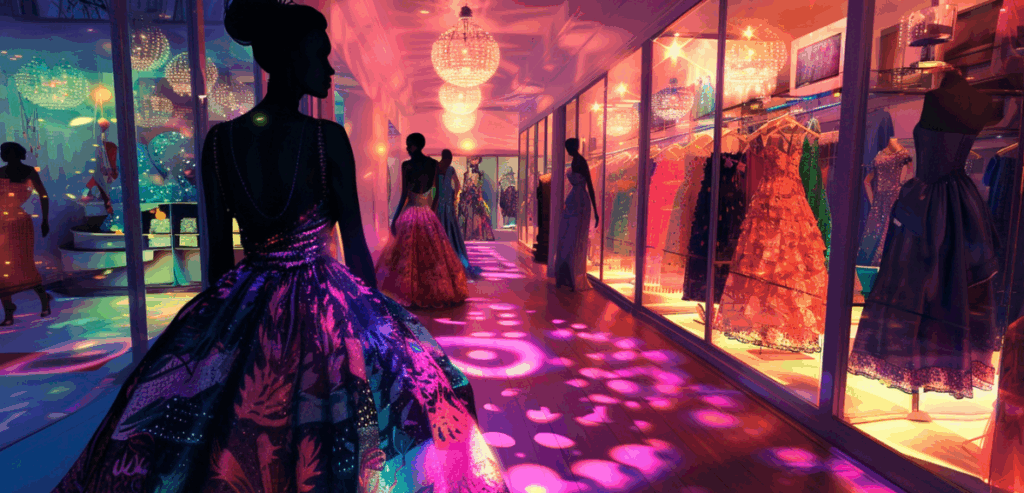
Economic Opportunities for Designers and Brands
The global reach of the virtual runway has created new economic opportunities for designers and brands. Previously, only large fashion houses could afford the costs of staging a major show, while smaller designers were often left on the sidelines. Digital presentations level the playing field, enabling emerging talent to share their vision with international audiences at a fraction of the cost.
Additionally, livestream fashion events open up revenue streams through sponsorships, product placements, and direct-to-consumer sales integrated into the broadcast. A collection debut can double as a shopping event, creating immediate returns. For established houses, digital fashion week ensures that visibility is not limited to buyers and press but extended to consumers who can purchase items instantly. This blend of marketing and commerce highlights how virtual shows are not only creative outlets but also powerful business tools. The economic inclusivity ensures a broader range of voices and styles are represented in fashion’s digital age.
The Cultural Impact of Digital Fashion Weeks
Fashion is not just about clothing; it is about culture, identity, and values. The virtual runway has amplified this cultural influence by making fashion shows accessible to anyone with internet access. What was once an elite event now sparks global conversations about style, diversity, and innovation. For younger generations, participation in livestream fashion events represents more than entertainment; it is an opportunity to connect with cultural movements and trends.
Digital fashion week events also promote inclusivity by showcasing diverse models, themes, and voices. Online platforms allow for greater representation, ensuring audiences see themselves reflected in the fashion they consume. This cultural democratization is shaping the way fashion interacts with society, making it a medium for expression that is broader, more relatable, and more powerful than ever before. Virtual fashion is not just a format shift; it is a cultural revolution that resonates with the values of modern audiences.
Future Outlook: The Next Era of Fashion Shows
The rise of virtual runway presentations has only just begun. As technology advances and consumer expectations evolve, fashion shows will become increasingly immersive, interactive, and personalized. The integration of AI, virtual reality, and blockchain may lead to digital collectibles, NFT fashion pieces, or entirely virtual wardrobes. These innovations will blur the lines between fashion, gaming, and digital art, appealing particularly to younger audiences.
Livestream fashion events will continue to expand their influence, offering brands endless ways to connect with audiences while creating commerce-driven opportunities. Digital fashion week may eventually become the standard, with physical shows serving as exclusive complements rather than the main event. The future of fashion is digital, inclusive, and innovative, driven by creativity and technology. Brands that embrace this evolution will not only stay relevant but thrive in a global market where accessibility and innovation are key.
Virtual Fashion and Consumer Shopping Behavior
The virtual runway has not only changed how audiences view fashion but also how they shop. With integrated e-commerce links during livestream fashion events, viewers can instantly purchase items they see on screen, eliminating the long wait between show and release. This immediacy caters to younger consumers who crave instant gratification and personalized shopping experiences. Brands are also experimenting with pre-orders during digital fashion week, allowing customers to secure pieces before they even hit stores.
For consumers, this seamless blend of entertainment and commerce makes fashion shows more interactive and practical. It also reduces the gap between inspiration and purchase, which has traditionally been a challenge for the industry. Virtual shopping tied directly to shows ensures that the excitement of a debut translates into immediate sales. By reshaping shopping behaviors, the virtual runway strengthens its position not just as a cultural spectacle but also as a direct driver of consumer spending.
Inclusivity and Representation in Digital Fashion
Virtual fashion platforms have opened doors to greater inclusivity, allowing designers to represent diversity in ways that traditional runways sometimes overlooked. Online spaces provide opportunities for models of all backgrounds, body types, and gender identities to be featured. Livestream fashion events often celebrate global representation, breaking the dominance of Western-centric beauty standards. Audiences watching a digital fashion week now expect to see collections that reflect inclusivity, making representation not just a value but a requirement.
For designers, the virtual stage offers flexibility to showcase stories rooted in different cultural heritages, broadening the conversation around identity and fashion. Brands that embrace inclusivity online often find deeper resonance with younger consumers who prioritize authenticity and diversity. By embedding inclusivity into the virtual runway, the fashion industry moves closer to reflecting the reality of its audiences. This cultural shift not only strengthens loyalty but also highlights fashion as a tool for empowerment, visibility, and change.
The Role of Collaboration and Cross-Industry Partnerships
Another significant outcome of the virtual runway is the rise of collaborations between fashion and other industries. Technology companies, music artists, and even gaming platforms have partnered with designers to create unique livestream fashion events. These partnerships merge audiences and create hybrid experiences that appeal to both traditional fashion fans and new digital communities. For example, collaborations with gaming platforms allow avatars to wear designer outfits, extending fashion beyond the physical world.
Digital fashion week often becomes a stage for such collaborations, where music performances, digital art, and interactive features converge with fashion presentations. This blending of industries not only enhances entertainment value but also opens new markets for brands. Younger consumers in particular value these innovative crossovers, seeing them as creative expressions that reflect the interconnectedness of modern culture. By building partnerships, the virtual runway evolves into more than a fashion platform; it becomes a cultural hub that merges creativity across sectors.
Education and the Future of Fashion Careers
Virtual shows have also impacted education, offering unprecedented access for students and aspiring professionals. In the past, only a handful of students might have been invited to observe major runway events. Now, livestream fashion events allow thousands of learners to study collections in real time, analyzing design choices, presentation styles, and audience reactions. This accessibility fosters innovation among the next generation of fashion professionals.
For those entering the industry, digital fashion week serves as both inspiration and a practical learning tool. Aspiring designers can study digital presentation techniques, while marketers can analyze engagement metrics tied to the virtual runway. The democratization of access ensures that education is no longer restricted to elite institutions or expensive travel. Instead, global learners can connect with fashion’s cutting edge from their laptops. By integrating education into the digital fashion ecosystem, the industry secures its future by nurturing creativity and innovation among emerging talent.
Conclusion
The evolution of fashion shows from exclusive gatherings to accessible global experiences highlights the adaptability and creativity of the industry. The virtual runway has shifted fashion from a closed-off event to a shared cultural moment, engaging audiences worldwide. Livestream fashion events and digital fashion week platforms have not only expanded reach but also transformed fashion into a more sustainable, inclusive, and interactive space.
What started as a response to global restrictions has now become a defining feature of the fashion industry’s future. With technology at its core, virtual shows represent a fusion of artistry, commerce, and cultural expression. They are proof that fashion will always find new ways to captivate, inspire, and evolve. As audiences continue to embrace digital innovation, the rise of virtual fashion shows will remain one of the most exciting and transformative shifts in the world of style.