







The Renaissance of Old Styles: Why Past Trends Keep Coming Back
Fashion is said to be a reflection of culture, identity and expression but it’s also cyclical. What was once deemed old is now back and catching new generations with a new spin. From bell bottoms to chunky sneakers, from leather jackets to floral prints, there seems to be a pattern to how trends come back after years of being gone. This isn’t an accident. The return of old styles can be attributed to nostalgia, cultural reinterpretation and the constant search for individuality in a fast changing world. The concept of a vintage style revival is one of the most powerful forces shaping how we dress today and it shows that the past still has so much influence on the present.
The idea of clothing being temporary or permanently discarded is no longer true. Every decade has seen the return of looks from past eras whether in small details or full blown comebacks. Designers borrow from archives, youth discover the wardrobes of their parents and celebrities reintroduce once forgotten silhouettes on global stages. This cycle proves that old styles are resilient and can adapt to modern contexts. By looking into the mechanics of fashion cycles it’s clear the past is never really gone, just waiting for the right moment to come back.
Understanding Fashion Cycles
Fashion cycles are why trends come back around. Typically styles go through introduction, growth, peak, decline and obscurity. But instead of disappearing forever, many trends come back around with renewed energy when the cultural conditions are right. This isn’t just about copying the past but reinterpreting it for the current generation. For example the flared trousers of the 70s came back around in the early 2000s and again recently but with subtle changes in cut and fabric. These updates keep the style relevant while maintaining the retro charm.
The length of a cycle can vary but most trends come back around every 20-30 years, a timeline often linked to nostalgia and generational shifts. People who wore a style in their youth eventually influenced new markets whether as designers, media figures or parents. Younger generations adopt the look and interpret it in their own way. This cycle keeps fashion dynamic, weaving past and present together in a constant conversation. The recurrence of styles shows how memory and innovation are connected, making retro fashion more than a passing fancy but a recurring cultural force.
The Psychology of Nostalgia in Fashion
Nostalgia is one of the biggest drivers of old styles going mainstream. Clothing is not just fabric and design; it has emotional connections to personal milestones, cultural moments or even entire eras. When we buy into a vintage style revival we are looking for comfort in familiarity especially during uncertain times. Wearing pieces from our childhood or youth gives us a sense of security and belonging. That’s why economic downturns or cultural upheavals often coincide with the resurgence of past fashion trends.
But nostalgia doesn’t mean we want exact replicas of old looks. We want modern interpretations that capture the spirit of the past but are relevant to now. For example oversized denim jackets from the 80s are often styled with slimmer silhouettes today so they can be worn for different occasions. The emotional hit of reliving history while still feeling current is what keeps these trends going. So nostalgia ensures retro fashion is not just costume-like but an evolving part of our everyday wardrobes.
The Role of Pop Culture in Reviving Retro Fashion
Pop culture plays a central role in bringing forgotten trends back to life. Movies, television shows, and music often set the stage for a vintage style revival by showcasing looks that audiences find both nostalgic and aspirational. For instance, period dramas that highlight earlier decades frequently influence modern runways. A popular show set in the 1960s can spark a renewed interest in mod dresses, bold prints, or cat-eye glasses. Similarly, musicians who adopt vintage aesthetics create new demand for older silhouettes and accessories.
Celebrity influence further accelerates the revival of past styles. When high-profile figures wear something that references a bygone era, it immediately captures media attention and inspires audiences. Think of red carpet appearances that highlight 1990s slip dresses or the return of 1970s-inspired bohemian gowns in festival fashion. Pop culture not only reintroduces these styles but also frames them in fresh narratives, allowing younger generations to embrace them without feeling outdated. Through entertainment and celebrity culture, retro fashion becomes more than history; it becomes a living trend with renewed relevance.
Sustainability and the Rise of Vintage
One of the strongest forces behind the comeback of old styles today is the growing emphasis on sustainability. Fast fashion has created significant environmental challenges, leading consumers to seek more responsible ways of dressing. As a result, thrifting, secondhand shopping, and upcycling have become mainstream practices. These movements align perfectly with the concept of a vintage style revival, as people actively look for unique pieces from past decades rather than constantly buying new items. Wearing vintage is now both environmentally conscious and socially admired.
This shift also gives fashion a deeper purpose, where clothing is valued not just for trends but for its story and craftsmanship. Many older garments were made with higher quality fabrics and techniques, making them desirable for those who want durability alongside style. The combination of sustainability and uniqueness ensures that vintage is not just a short-term fad but a lasting part of the fashion cycles. It allows individuals to stand out while also supporting eco-friendly practices, reinforcing why retro-inspired looks continue to thrive in today’s world.
Technology’s Role in Amplifying Vintage Style Revival
The digital age has accelerated the return of past trends in unprecedented ways. Social media platforms showcase endless inspiration, with influencers, stylists, and everyday users posting their takes on vintage-inspired looks. Algorithms that highlight nostalgia-driven content further fuel interest in retro fashion, turning individual expressions into viral movements. Online marketplaces also make it easier than ever to source authentic vintage pieces or purchase modern recreations. Apps dedicated to thrifting have expanded the accessibility of older garments to global audiences.
Technology also enables designers to revisit archives with greater ease. Digital collections, fashion history blogs, and virtual exhibitions preserve the aesthetics of past decades, making them readily available for reinterpretation. This accessibility ensures that designers and consumers alike are constantly reminded of the timelessness of older trends. The result is a continuous cycle where history is not just remembered but actively repurposed for the present. In this sense, the vintage style revival is no longer limited to specific boutiques or niche communities but is instead a global phenomenon supported by technology.
Individuality and Identity Through Retro Fashion
In a world of mass production and uniformity, many people turn to retro fashion as a way to assert individuality. Wearing clothes that echo past decades allows people to differentiate themselves from mainstream styles while still appearing fashionable. For younger generations, adopting old looks is a way of making a statement, signaling creativity, nonconformity, or an appreciation of history. This aligns with the desire for personal branding in an age where identity is closely tied to visual presentation.
Moreover, retro-inspired clothing often carries symbolic value, associating the wearer with the ideals of a particular era. Flapper dresses may signal liberation and rebellion, while punk styles from the 1980s reflect defiance and counterculture. This connection between fashion and identity ensures that old trends resonate beyond aesthetics. They provide people with tools to express deeper values and align themselves with cultural narratives. As long as identity remains central to fashion, fashion cycles will continue to reintroduce past styles in ways that keep them relevant for new audiences.
Designers and the Reinterpretation of Archives
Fashion designers play a crucial role in reintroducing past trends through their collections. Many major houses maintain archives that serve as constant sources of inspiration. By reinterpreting silhouettes, fabrics, and patterns, designers give old styles new life, aligning them with modern preferences. A vintage style revival on the runway often sparks trickle-down effects, influencing ready-to-wear markets and fast fashion alike. This professional reinterpretation ensures that old styles return not as mere replicas but as elevated expressions suited for contemporary wardrobes.
The balance between homage and innovation is key. Designers who successfully reinterpret the past manage to capture the essence of older looks while avoiding the impression of being outdated. They might, for example, modernize 1950s dresses with contemporary tailoring or refresh 1990s slip dresses with sustainable fabrics. These thoughtful adaptations demonstrate that retro fashion is not about living in the past but about creating new possibilities from history. Through their creativity, designers sustain fashion cycles that guarantee the longevity of old trends.
Cultural Shifts and the Demand for Authenticity
Another reason old styles repeatedly return is the increasing cultural demand for authenticity. In a world where digital images and mass production dominate, authenticity becomes a prized value. Wearing vintage clothing or adopting styles from the past connects individuals to tangible history. This authenticity makes retro fashion more meaningful than fleeting micro-trends, as it carries the weight of cultural memory. People find satisfaction in wearing pieces that represent something beyond current consumerism, such as a handmade dress from decades ago or a jacket that has lasted through multiple eras.
This search for authenticity is also tied to cultural storytelling. Families pass down garments, and communities preserve heritage through clothing traditions. In this context, a vintage style revival is not just about aesthetics but about reconnecting with cultural roots. By embracing authenticity, individuals resist the disposability of modern trends and find continuity in fashion cycles. As authenticity remains a major cultural priority, the return of older styles is unlikely to slow down, making the renaissance of retro influences an enduring part of fashion’s evolution.
The Influence of Streetwear on Retro Fashion
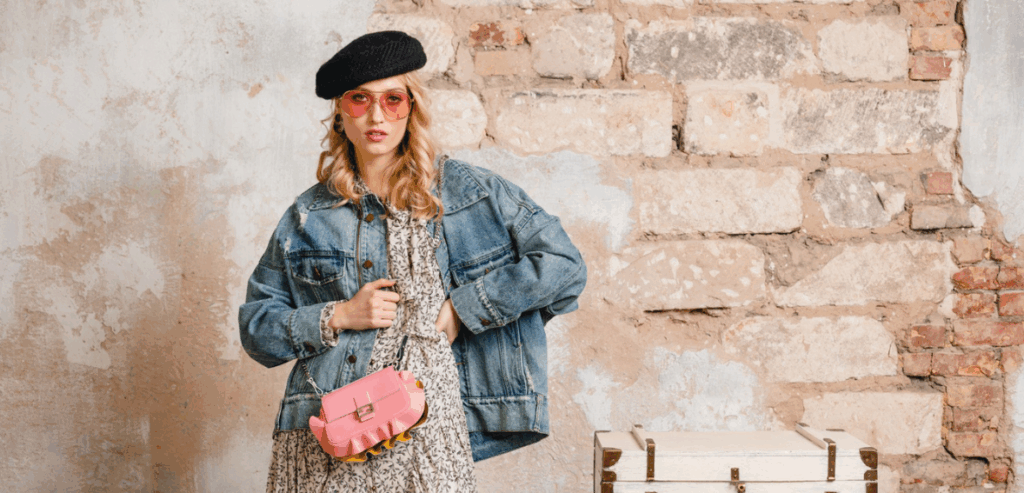
Streetwear has become one of the strongest cultural forces in shaping how older styles reenter the mainstream. Unlike traditional fashion houses that carefully curate collections, streetwear thrives on immediacy and authenticity, often blending the past with present trends. Sneakers, oversized jackets, and graphic tees that once dominated earlier decades are constantly being revived through collaborations between brands and cultural icons. This demonstrates how retro fashion adapts to modern sensibilities while maintaining its nostalgic roots. The success of these revivals lies in their accessibility, as streetwear makes it possible for everyday consumers to embrace vintage-inspired looks without needing runway-level budgets.
The connection between streetwear and fashion cycles is particularly clear in the way certain items achieve cult status after years of obscurity. Limited-edition sneakers from the 1990s, for example, now resell at premium prices because they embody both nostalgia and exclusivity. Streetwear communities further amplify this revival, with enthusiasts trading, collecting, and celebrating pieces that carry historical significance. The blending of subculture with high fashion ensures that vintage style revival is not just a fleeting interest but an integral part of how younger generations engage with fashion. Streetwear bridges eras, proving that old styles can be continuously reinvented to stay relevant.
The Globalization of Vintage Style
The resurgence of old trends is no longer limited to Western fashion hubs. With globalization, vintage style revival has become a worldwide phenomenon where cultural exchange allows old aesthetics to gain new life across borders. Denim jackets from the United States, Japanese workwear, and Indian embroidered textiles are being reimagined in contemporary contexts, showing how global creativity fuels the constant renewal of fashion. Social media and online marketplaces have made it easier for people anywhere to access retro-inspired looks, further accelerating their global spread.
This globalization also adds depth to fashion cycles, as trends are not simply recycled within one culture but are reinterpreted across different traditions. A retro silhouette popular in Europe may be styled with Asian accessories or African patterns, resulting in entirely new aesthetics that still retain a sense of history. By blending global influences with local reinterpretations, the retro fashion movement gains momentum and relevance. Instead of being confined to specific regions or demographics, vintage-inspired looks have become universally appealing. This global accessibility strengthens the long-term survival of old styles, ensuring that their renaissance is not a narrow trend but a diverse and inclusive phenomenon.
The Role of Fashion Education and Archives
Fashion schools and historical archives play a quiet but essential role in sustaining the return of old styles. Students often learn by studying the designs of past decades, gaining inspiration from silhouettes, fabrics, and cultural contexts. This education ensures that fashion cycles are not just accidental but deliberate, with each new generation of designers reinterpreting history through their own lens. Archival collections maintained by museums and fashion houses provide direct access to garments that continue to inspire creativity in modern times. Without these resources, many of today’s revivals might not carry the same authenticity or depth.
For consumers, exhibitions and books on fashion history also spark interest in retro fashion. Seeing iconic pieces from the 1920s, 1960s, or 1990s displayed as cultural artifacts reinforces their timeless appeal. This educational dimension adds legitimacy to the vintage style revival, transforming it from a nostalgic fad into a studied appreciation of craftsmanship and cultural significance. Designers who draw from archives often elevate past styles by adapting them to modern sustainability or inclusivity concerns. By keeping history alive in both academic and professional spaces, fashion education ensures that the cycle of revival continues with fresh interpretations that resonate across generations.
The Economics of Vintage and Resale Markets
The business side of fashion also plays a decisive role in why old styles come back so frequently. The growing popularity of resale platforms has turned vintage clothing into a thriving market, where consumers actively seek pieces from previous decades. These platforms not only make vintage style revival accessible but also create demand for items that were once forgotten in closets or thrift stores. The resale economy validates retro fashion by assigning it tangible value, proving that old garments can still hold prestige and desirability.
This economic shift influences fashion cycles by encouraging brands to reissue archival designs or collaborate with resale platforms to authenticate and celebrate older collections. Luxury houses, in particular, have recognized the potential in marketing retro-inspired lines as both exclusive and timeless. For everyday consumers, resale shopping offers affordability and sustainability, making it possible to participate in the trend without excessive spending. The cycle of buying, reselling, and reusing ensures that vintage-inspired looks remain in circulation for longer, further strengthening their cultural relevance. By linking economics with nostalgia and sustainability, the resale market has cemented its role as a key driver of the renaissance of old styles.
Conclusion
The revival of old fashion styles reflects nostalgia, sustainability, pop culture influence, and creative reinvention. Fashion cycles ensure that no trend truly disappears; it evolves to suit new cultural and technological contexts. This return of vintage aesthetics satisfies modern desires for authenticity, identity, and individuality while connecting wearers to history. Designers and brands find endless inspiration in reinterpreting the past, turning familiar looks into fresh expressions of creativity. The ongoing retro renaissance highlights fashion’s cyclical nature, where history remains a living canvas that continues to shape contemporary style and inspire future trends through timeless reinvention and cultural resonance.