










3D Printing in Fashion: Revolutionizing Design and Production Processes
Fashion, similar to various industries, is quickly transforming due to the impact of technology. Among the groundbreaking innovations altering its terrain is 3D printing, a technology that has transitioned from industrial manufacturing prototyping to a crucial element in design and production across various fields. Within the fashion sector, 3D printing is opening up creative opportunities, improving sustainability, and transforming production methods.
Understanding 3D Printing in Fashion
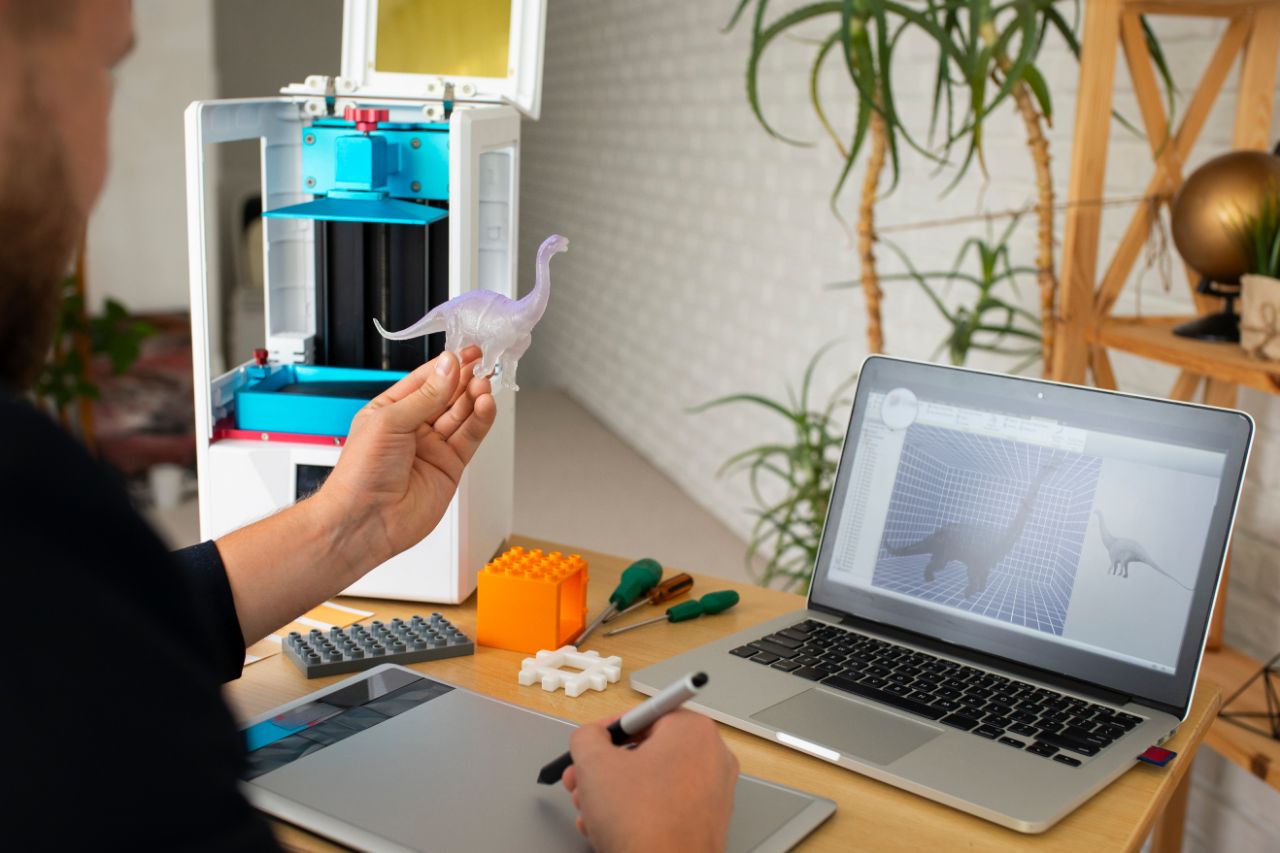
3D printing, also called additive manufacturing, involves creating three-dimensional objects by layering materials based on a digital design. In the context of fashion, it allows for crafting garments, accessories, and footwear with precision and complexity that traditional methods struggle to achieve. Designers can print directly from CAD models, streamlining the process from concept to finished product.
Materials are crucial in determining the functionality and appearance of fashion created through 3D printing. Frequently utilized materials consist of PLA, a compostable thermoplastic sourced from renewable resources, and thermoplastic polyurethane, recognized for its resilience and flexibility. Resins, commonly utilized in jewelry and detailed designs, offer extra flexibility.
Applications are vast and growing. Runway shows now feature bold, innovative designs created entirely through 3D printing. Accessories like bracelets, necklaces, and handbags are custom-made to reflect individual style preferences. Even footwear brands are harnessing the technology to create ergonomic, personalized shoes, further highlighting the versatility of 3D printing.
Redefining Creativity and Design
One of the most striking impacts of 3D printing in fashion is its ability to redefine creativity. Unlike traditional manufacturing, which imposes limitations on shapes, textures, and materials, 3D printing enables designers to think outside the box. Intricate geometries, patterns inspired by nature, and avant-garde styles are now possible without constraints.
A prime example is Dutch designer Iris van Herpen, who seamlessly blends innovative design with artistic expression. Her 3D-printed garments are celebrated for their organic shapes and futuristic aesthetics, setting a benchmark for creativity in fashion. Similarly, couture houses like Chanel have explored 3D printing in their collections, showcasing how technology can coexist with tradition.
Personalization is another defining feature of 3D printing in fashion. Shoppers are progressively seeking distinctive, customized items that represent their individuality and match flawlessly. 3D printing enables custom-made clothing and accessories, guaranteeing uniqueness and an ideal fit. This personalization attracts not only affluent buyers but also individuals looking for practical solutions, including prosthetic devices or adaptive apparel.
Revolutionizing Production Processes
The fashion industry has long grappled with inefficiencies in its production processes, often resulting in overproduction, waste, and high environmental costs. 3D printing offers a sustainable alternative, addressing many of these challenges.
Through 3D printing, production as needed turns into a reality. Instead of creating large volumes of clothing to satisfy expected demand, designers can make products solely upon request, significantly cutting down on waste and surplus stock. This change closely matches the tenets of sustainable fashion, which emphasize minimizing the environmental impact of the industry.
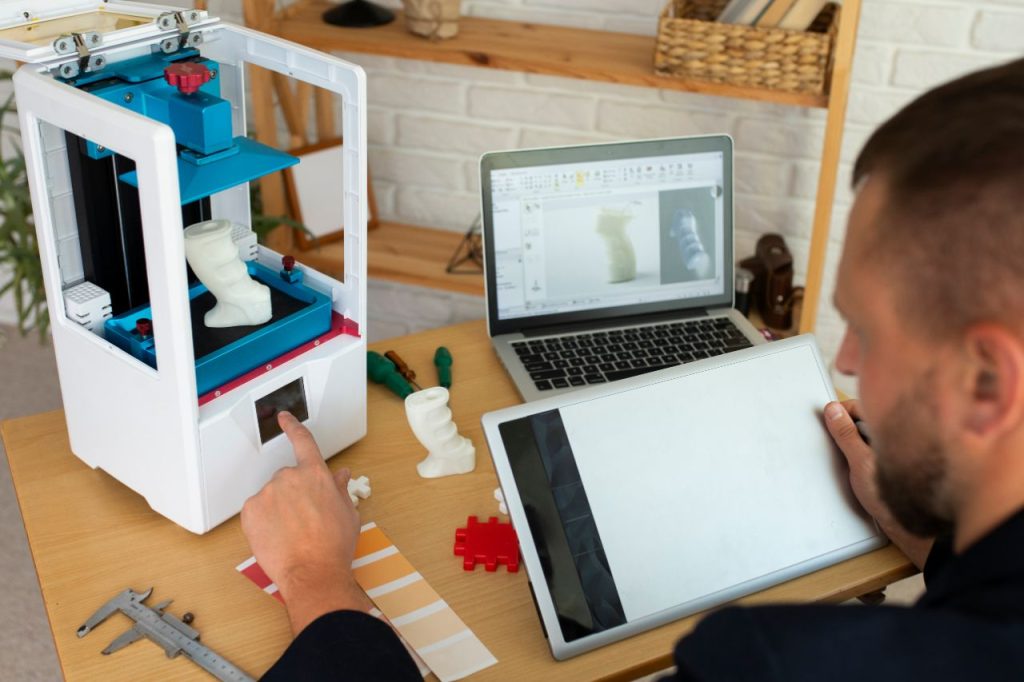
One more important benefit is quickness. Conventional fashion manufacturing consists of several phases, ranging from pattern creation to stitching, with each step requiring a significant amount of time. In comparison, 3D printing streamlines and speeds up this procedure by producing complete clothing or parts straight from a digital blueprint. This rapid pace aids designers by reducing time-to-market and helps consumers by facilitating faster product delivery.
Sustainability is further enhanced through material efficiency. 3D printing uses only the material required for the design, unlike traditional methods that generate significant waste through cutting and trimming. Additionally, recycled and biodegradable materials used in 3D printing contribute to a circular fashion economy, where waste is minimized, and resources are reused.
Democratizing Fashion: Accessibility and Inclusion
Fashion has often been criticized for its exclusivity, with high costs and limited accessibility keeping many from enjoying custom or high-quality products. 3D printing is leveling the playing field, making fashion more inclusive and accessible.
For emerging designers and small businesses, 3D printing removes the financial barriers associated with traditional manufacturing. With no need for bulk production or expensive machinery, designers can produce small, affordable runs of innovative designs, enabling creativity without financial risk. Platforms that provide shared access to 3D printers further empower entrepreneurs to experiment and innovate.
Inclusion encompasses adaptive apparel for individuals with disabilities. 3D printing enables the fabrication of clothing and accessories customized for personal needs, including functional and visually appealing prosthetic covers or footwear made for particular orthopedic specifications. This customization increases comfort and assurance, illustrating how technology can address the requirements of various communities.
Beyond individuals, 3D printing democratizes high fashion. As production costs drop and accessibility rises, unique designs once reserved for couture become attainable for a broader audience. This trend challenges the exclusivity of luxury fashion and fosters a more egalitarian approach to style.
Challenges and Limitations
While the potential of 3D printing in fashion is immense, the technology is not without challenges. Addressing these issues is essential for widespread adoption and success.
Material limitations are among the primary hurdles. While significant progress has been made, many materials used in 3D printing lack the durability, softness, or flexibility required for everyday wear. Innovations in materials science are critical to bridging this gap, with ongoing research focused on developing fabrics that combine functionality and comfort.
Expense is another obstacle, especially for smaller designers or producers. High-quality 3D printers and materials can be costly, and although prices are falling, the upfront investment continues to be a hurdle for many. Nonetheless, as technology progresses and gains broader adoption, these expenses are predicted to decrease.
Acceptance by consumers is another factor to consider. Although runway crowds and technology fans welcome 3D-printed fashion, typical consumers might be reluctant because of their views on the technology or worries regarding durability and design. Informing consumers about the advantages of 3D printing, particularly its contribution to sustainable fashion, will be crucial in addressing these challenges.
Finally, IP issues pose a unique challenge. The ease of sharing digital designs opens the door to unauthorized copying, potentially undermining creators’ rights. Robust legal frameworks and advancements in blockchain technology could help protect designers’ IP in the digital age.
Future Trends and Possibilities
The future of 3D printing in fashion is filled with exciting possibilities. Advancements in materials science are paving the way for fabrics that are softer, more flexible, and biodegradable, aligning with the principles of sustainable fashion. Researchers are exploring innovative solutions like plant-based filaments and recycled materials to reduce the environmental impact of 3D printing.
The combination of 3D printing with other new technologies, like AI and AR, is set to further revolutionize the fashion experience. Design tools powered by AI can help in crafting intricate patterns, whereas AR allows consumers to see and personalize items prior to buying. Collectively, these technologies may result in a future where fashion is both customized and extremely interactive.
Mass adoption of 3D printing in mainstream fashion is another potential trend. As costs decrease and awareness grows, brands may incorporate 3D printing into their supply chains to reduce waste, improve efficiency, and offer unique designs. This shift could redefine how fashion is produced and consumed, prioritizing sustainability and individuality.
Visionary designers and innovators are already experimenting with concepts like 4D printing, where materials change shape over time or in response to stimuli. While still in its infancy, 4D printing could revolutionize the way garments interact with the human body, opening up entirely new possibilities for fashion.
Conclusion
3D printing is transforming the fashion industry by empowering designers with unparalleled creative freedom, enhancing sustainability, and revolutionizing production processes. Its ability to produce complex, innovative designs, reduce waste, and customize products has positioned it as a game-changer in the quest for sustainable fashion.
Even with obstacles such as resource constraints, expenses, and public attitudes, the ongoing progress of technology provides optimism for addressing these challenges. By adopting 3D printing, the fashion sector can transition to a more inclusive, sustainable, and customized future, addressing the needs of a new generation of consumers who prioritize innovation and environmental stewardship.
As the lines between technology and creativity continue to blur, 3D printing stands as a testament to the transformative power of innovation in reshaping industries and redefining possibilities. The future of fashion is here—and it’s being printed one layer at a time.