











AI-Powered Trend Prediction: How Artificial Intelligence is Shaping Future Runways
AI has become essential in revolutionizing various industries, with fashion leading the way in this transformation. The fashion industry is being redefined by the integration of AI, from predicting trends accurately to transforming runway experiences. This article delves into the impact of AI-powered trend prediction, design processes, and sustainable practices, as well as addressing the challenges and future possibilities it brings.
The Intersection of AI and Fashion
Fashion has always been a reflection of cultural, social, and economic changes. Traditionally, predicting trends relied on human intuition, industry experience, and analyzing broader cultural phenomena. However, in today’s fast-paced, tech-driven world, these traditional methods fall short of capturing the complexities of consumer behavior and the sheer volume of data available.
Access AI: a tech that handles huge datasets instantly, offering new insights into consumer desires and global trends. AI allows for trend prediction through data-driven methods, such as recognizing popular colors and styles on social media and studying buying habits on online shopping websites. This method guarantees that fashion brands and sellers stay competitive in a sector where preferences can shift rapidly.
AI’s influence is not limited to efficiency; it empowers brands to innovate. By understanding trends earlier and with greater accuracy, businesses can create designs that align seamlessly with consumer preferences, blending creativity with informed decision-making. This merging of art and technology underscores how essential AI has become in the modern fashion landscape.

Understanding Trend Prediction in Fashion
Trend prediction forms the backbone of the fashion industry. It involves forecasting the styles, colors, fabrics, and themes that will dominate future seasons. Accurate predictions are critical not only for designers but also for retailers and marketers. They determine what collections are showcased on runways, stocked in stores, and promoted online.
Historically, trend forecasting was a manual, subjective process. It depended on industry experts attending trade shows, analyzing past collections, and observing societal changes. While effective in its time, this approach was slow, reactive, and prone to errors.
AI has transformed trend prediction in the fashion industry by speeding it up, using data, and increasing accuracy. Machine learning models examine trends on social media platforms such as Instagram, TikTok, and Pinterest, where users regularly post fashion ideas. These models can identify small changes, like the increasing trend of pastel colors or the comeback of vintage-inspired styles, well before they become popular.
For example, an AI tool might notice a surge in posts featuring bold prints in a specific region, signaling a potential global trend. Retailers can act on this information, adjusting inventory to meet predicted demand. By identifying trends early, brands reduce overproduction and stay ahead of competitors.
How AI Analyzes Trends: Data at the Heart of Fashion
The process of analyzing trends with AI involves a multi-faceted approach, leveraging a mix of data sources and advanced technologies. Here’s how it works:
- Data Collection: AI collects data from diverse sources, including social media hashtags, e-commerce sales, search engine queries, and even weather patterns. Consumer preferences often vary by region and season, and AI helps to consolidate this fragmented data.
- Pattern Recognition: Machine learning algorithms analyze the data to reveal patterns. For instance, they could observe the rising popularity of metallic fabrics in Europe or the trending sneaker styles in urban American markets.
- Sentiment Analysis: NLP helps AI assess the sentiment behind online mentions of fashion items. Are people praising a particular silhouette or critiquing it? This insight helps refine predictions.
Brands like Tommy Hilfiger and H&M already use AI for trend analysis. These tools help them adapt collections in real-time, ensuring relevance and reducing wasted resources. This efficient process underscores why AI-powered trend prediction is a game-changer in the future of fashion.
The Role of AI in Design and Collection Planning
Fashion design has always been a blend of creativity and technical skill. Now, AI is becoming a collaborator in the design process, helping to create collections that balance artistic vision with consumer appeal.
AI-Assisted Creativity: Designers can use AI-powered tools to generate innovative patterns, cuts, and textures. For instance, platforms like Adobe’s AI-driven tools allow creatives to experiment with endless variations of a design. This not only speeds up the design process but also inspires new ideas by showcasing combinations that human designers might not have considered.
Virtual Prototyping: AI allows brands to create virtual simulations of designs, making it possible to visualize collections without the need for physical samples. This helps save time, cut expenses, and is in line with eco-friendly methods. Feedback enables immediate adjustments to a virtual prototype, reducing the necessity for repeated iterations.
Personalization: AI allows brands to incorporate consumer data directly into the design process. For example, companies like Nike use AI to offer customizable shoes, catering to individual tastes while maintaining trend relevance. This personalization enhances customer satisfaction and loyalty.
By combining creativity with analytics, AI ensures that collections resonate with market demands without sacrificing artistic integrity. This hybrid approach is central to the future of fashion.
Shaping the Runways of Tomorrow: Virtual and Augmented Reality
AI is transforming how runway shows are conducted, pushing the boundaries of creativity and accessibility. Virtual and AR experiences are becoming key elements of modern fashion presentations.
Virtual Runways: Virtual fashion shows, powered by AI, allow designers to present their collections to global audiences in immersive digital settings. During the COVID-19 pandemic, brands like Balenciaga embraced this concept, showcasing collections through video game-inspired environments. Virtual shows eliminate geographical barriers, making high-fashion events accessible to anyone with an internet connection.
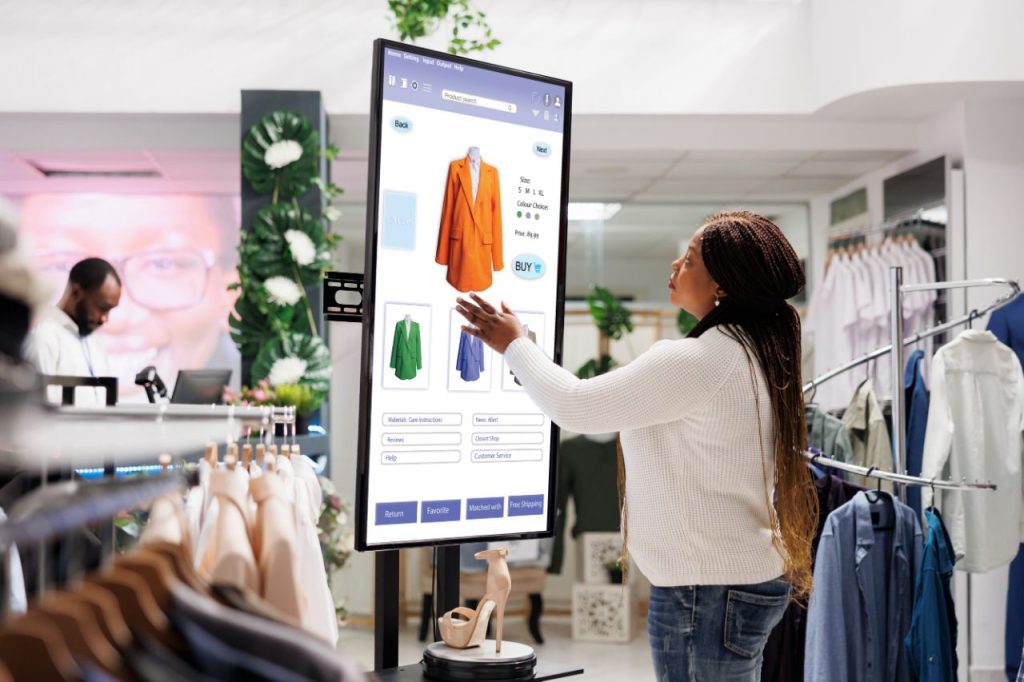
AR Experiences: Augmented reality improves the consumer’s experience by enabling them to see clothing in their own surroundings. Zara and Gucci utilize AR applications to allow customers to virtually “test out” clothing before buying them. This enhances the shopping process and also decreases the number of returns.
Data-Driven Consumer Insights: AI tracks audience engagement during virtual shows, providing insights into which designs resonate most. This feedback loop allows brands to refine collections and marketing strategies based on real-time consumer data.
These innovations are redefining the runway, proving that the future of fashion lies at the intersection of technology and artistry.
Sustainability and Ethical Trends: AI’s Green Impact
Sustainability is one of the biggest challenges facing the fashion industry, and AI offers solutions that make eco-friendly practices more attainable.
Reducing Waste: Overproduction is a significant problem in fashion, leading to excess inventory that often ends up in landfills. AI’s accurate demand forecasting helps brands produce only what’s needed, minimizing waste.
Ethical Supply Chains: AI-driven technology can oversee all phases of the supply chain to guarantee ethical sourcing of raw materials and fair treatment of workers. For instance, when blockchain technology is integrated with AI, it enables brands to ensure the authenticity of their products by offering transparency on their origins.
Eco-Friendly Materials: AI helps identify and develop sustainable materials. By analyzing environmental impact data, brands can make informed choices about fabric use and production methods.
As consumer demand for sustainability grows, the integration of AI in fashion ensures that brands meet these expectations without compromising profitability.
Challenges and Future Outlook
While the potential of AI in fashion is vast, it is not without challenges. One significant concern is the risk of losing the human element in design. Fashion is an art form, and over-reliance on data could stifle creativity, resulting in homogenized collections.
Additionally, ethical issues around data privacy and algorithmic transparency need to be addressed. Consumers are increasingly concerned about how their data is used, and brands must prioritize ethical AI practices to maintain trust.
In spite of these difficulties, the outlook appears positive for AI in the fashion industry. As technology advances, it is probable that it will enhance human creativity instead of replacing it. By combining modernity with heritage, the sector can create a harmonious equilibrium that is advantageous for both companies and customers.
Conclusion
The infusion of AI in the fashion industry is an evolutionary experience, changing the way trends are anticipated, designs are created, and fashion shows are conducted. Through harnessing the potential of AI, the sector is becoming more productive, inventive, and environmentally friendly. As we envision the future of fashion, it is evident that AI will have a crucial impact on creating a harmonious environment where technology and creativity blend effortlessly.