










Consumer Behavior Shifts: The Impact of Secondhand Fashion and Rental Markets
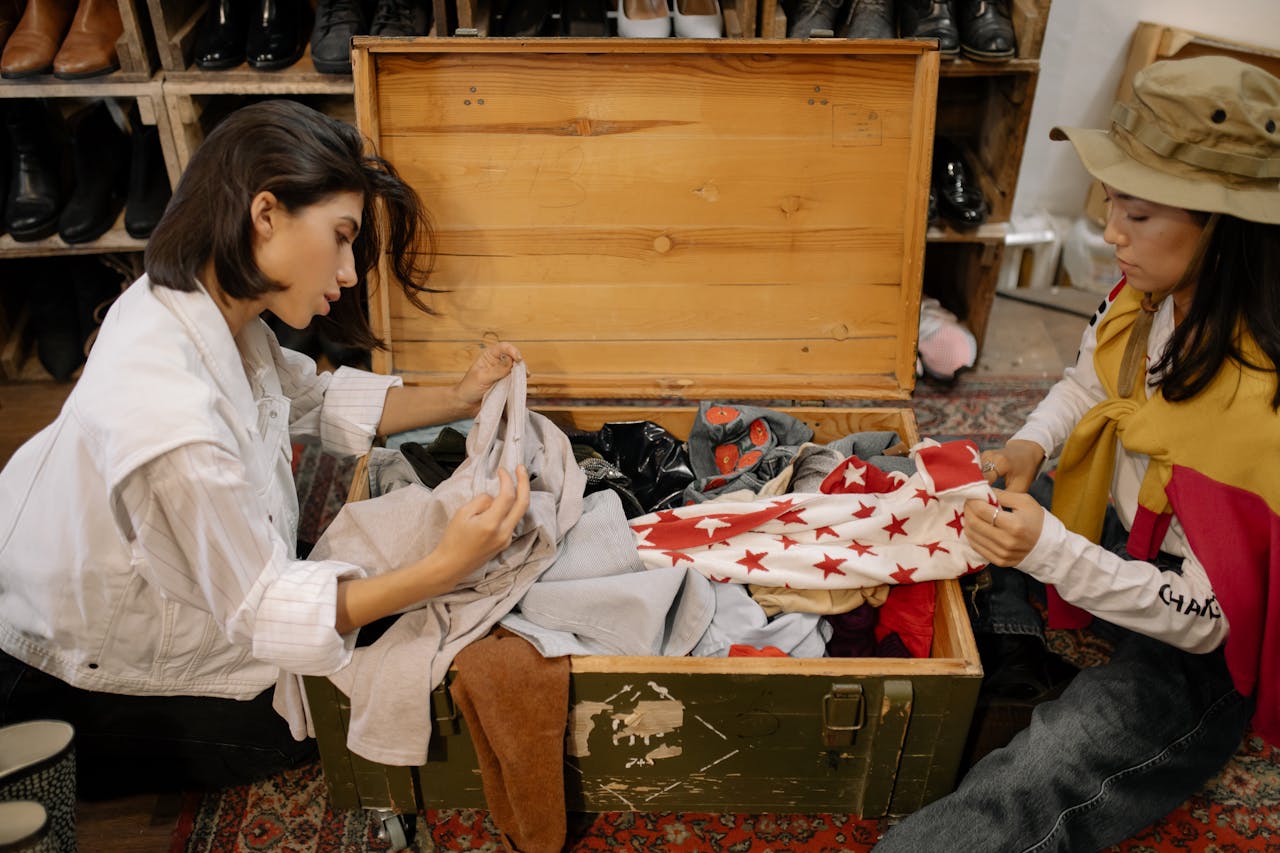
The fashion sector has experienced a dramatic change in consumer habits in the past ten years, propelled by a demand for sustainability, value, and individuality. As consumers grow more environmentally aware and budget-conscious, secondhand Fashion and apparel rental have surfaced as major trends transforming the market. This transition indicates a departure from the conventional cycle of purchasing and disposing of items towards more eco-friendly consumer practices. Thrift shopping and embracing secondhand clothing have evolved from niche activities to popular options, attracting the interest of consumers and prominent fashion brands alike.
In America, where fast fashion has long dominated, this change in consumer mindset is reshaping how people engage with clothing. Pre-loved clothing and rentable wardrobes offer alternatives that align with the values of an increasing number of shoppers. This article explores the drivers behind this shift, the economic and environmental impacts, the challenges these markets face, and their influence on traditional retail.
Drivers of Change: Why Consumers are Embracing Secondhand and Rentals
Several factors contribute to the growing popularity of secondhand fashion and clothing rental. First, sustainability plays a pivotal role, as consumers become increasingly aware of the environmental impact of fast fashion. The fashion industry is one of the top polluters globally, with textile production contributing significantly to carbon emissions and waste. Eco-friendly shopping choices, such as thrift shopping and adopting rentable wardrobes, help mitigate these environmental challenges. Buying pre-loved clothing reduces the demand for new production and the depletion of resources associated with it.
Cost-effectiveness is another strong factor contributing to this change. Secondhand clothing provides shoppers with the chance to acquire high-quality or designer items for a much lower price than new ones. For individuals who appreciate diversity in their clothing collections without the obligation of possession, apparel rental services provide a versatile and cost-effective option. Renting is particularly attractive for special events when it feels excessive to invest a significant amount in an outfit for just one occasion. This affordability factor attracts a wide variety of consumers, from college students searching for fashionable clothing on a budget to working professionals in need of business wear without high costs.
Younger generations, particularly Millennials and Gen Z, are leading the charge in sustainable consumer behavior. These groups are known for prioritizing environmental responsibility and seeking unique fashion statements that set them apart. The availability of secondhand fashion through thrift shopping or online platforms provides a way for them to align their purchasing habits with their values. This generational shift is pushing the boundaries of traditional fashion consumption, making secondhand fashion and rentable wardrobes not just an option but a preference.

The Role of Technology in Facilitating Secondhand and Rental Markets
The rise of digital platforms has been instrumental in the growth of the fashion resale market and the expansion of clothing rental services. Apps and websites like Poshmark, ThredUp, and Rent the Runway have revolutionized how consumers engage with fashion, making it easier than ever to buy, sell, or rent clothing online. These platforms leverage user-friendly interfaces and smart algorithms to connect sellers and buyers or to facilitate rental transactions seamlessly. Online marketplaces have brought thrift shopping into the digital age, allowing customers to browse thousands of items with just a few clicks.
Technology has also played a critical role in enhancing consumer trust and safety. Features such as secure payment options, buyer protection policies, and comprehensive product descriptions help ensure a positive experience. Additionally, these platforms often use machine learning to curate personalized recommendations, making eco-friendly shopping as convenient and appealing as traditional retail.
Social media enhances the visibility of secondhand and rental clothing. Sustainability advocates and influencers often display their thrift store discoveries and rented clothing, raising awareness and motivating their followers to embrace similar practices. Platforms such as Instagram and TikTok have emerged as influential resources for advertising secondhand fashion and clothing rental services, nurturing a community that appreciates pre-owned apparel and sustainable purchasing habits. This digital presence is crucial in popularizing thrift shopping and transforming it into a fashion trend instead of just an option for those mindful of expenses.
Economic and Environmental Impacts
The shift toward secondhand fashion and clothing rental has notable economic and environmental benefits. Economically, the fashion resale market has seen substantial growth, with analysts forecasting continued expansion in the coming years. According to industry reports, the fashion resale market is expected to grow at a rate nearly 11 times faster than traditional retail over the next decade, indicating a strong consumer interest in sustainable fashion options. This growth has not only created opportunities for consumers to save money but has also generated new business models for startups and established brands alike.
From an ecological perspective, sustainable shopping habits like thrift store visits and buying second-hand apparel are essential for minimizing textile waste. Annually, millions of tons of garments are discarded in landfills, leading to environmental harm. By prolonging the lifecycle of garments via resale and rental, fewer pieces are thrown away, resulting in a reduced carbon footprint. Moreover, creating new garments demands substantial water and energy resources, both of which are saved when shoppers choose pre-owned apparel. Rentable wardrobes and clothing rental services enhance sustainable consumer habits by advocating for shared use instead of individual ownership, subsequently decreasing the need for mass production.
A circular economy, where products are reused and recycled rather than discarded, aligns with the principles of secondhand fashion. This approach not only benefits consumers by offering more choices and lower prices but also supports global efforts to combat climate change. The environmental savings achieved through these practices make a compelling case for their continued growth.
Challenges and Limitations in the Secondhand and Rental Fashion Space
While secondhand fashion and clothing rental are thriving, the industry faces several challenges. One significant issue is quality control. Consumers often worry about the condition of pre-loved clothing or the reliability of rental services. Unlike new items, secondhand pieces may show signs of wear, which can be a deterrent for some shoppers. To address these concerns, many platforms invest heavily in quality assurance measures, including thorough inspections and clear condition ratings. Nonetheless, maintaining high standards across a large inventory remains a complex task.
Logistics and supply chain management also present obstacles. Ensuring that items are shipped, returned, and restocked efficiently is essential for maintaining customer satisfaction. For rental services, maintaining a rentable wardrobe that stays stylish and in good condition adds operational complexity and cost. Late returns, damaged items, and inventory tracking can create challenges that impact the user experience and profitability of these services.
Moreover, establishing consumer confidence can be challenging. Though perceptions of thrift shopping and apparel rental are changing, certain individuals still favor the confidence that comes with purchasing new products. Education and transparency are essential for tackling these concerns. Platforms should transparently convey their quality assurance procedures, return policies, and sustainability efforts to foster trust. As increasing numbers of consumers discover the advantages and protections of secondhand fashion, these obstacles may become simpler to address.

The Influence on Traditional Retail: Adapt or Innovate
The rise of the fashion resale market and clothing rental services has pushed traditional retailers to reevaluate their business strategies. Many established fashion brands are now entering the space with their own initiatives. For example, some luxury labels have launched secondhand programs or clothing rental options to cater to eco-conscious shoppers while maintaining brand loyalty. This shift allows brands to engage with sustainability-minded consumers who might otherwise turn to alternative sources.
In contrast, fast fashion brands are encountering heightened scrutiny regarding their unsustainable methods. To remain relevant, some are trying out circular fashion initiatives, like take-back programs where customers return worn items for store credit. This not only aids in minimizing waste but also maintains customer involvement with the brand. These initiatives indicate a recognition that sustainable shopping is not merely a fad but a vital element in securing the future of their companies.
The integration of secondhand and rental models into traditional retail signifies a pivotal change in how businesses operate. Retailers that adapt to the growing demand for sustainable, eco-friendly shopping experiences can thrive, while those that stick solely to the fast fashion model may struggle to keep up with changing consumer expectations. Embracing these trends allows retailers to appeal to a broader audience and align with sustainable consumer behavior.
Future Prospects: Will Secondhand and Rental Fashion Continue to Grow?
The future of secondhand fashion and rentable wardrobes looks promising. With continued advancements in technology and growing environmental awareness, these practices are poised to gain further traction. As more consumers adopt eco-friendly shopping habits, the demand for pre-loved clothing and rental options will likely expand. Younger generations will continue to drive this change, influencing older demographics and inspiring a widespread shift toward sustainability in fashion.
The adoption of new technologies, such as blockchain for transparency in the supply chain, could further enhance trust and efficiency in the secondhand market. Integrating innovative solutions can make transactions more secure, ensuring that buyers know the history of their pre-loved clothing. Additionally, AI and machine learning could be used to optimize inventory management and predict consumer preferences, making the experience even more user-centric.
There is also opportunity for cooperation among brands, platforms, and consumers. Retailers might more often collaborate with established secondhand or rental services, creating a fluid shopping experience that merges conventional and contemporary methods. The acceptance of thrift shopping and rental wardrobes designed for different demographics is expected to be crucial in the development of fashion consumption. The rise of environmentally-friendly shopping and sustainable consumer habits is more than a temporary trend—it represents a lasting change that will influence the future of the fashion sector.