


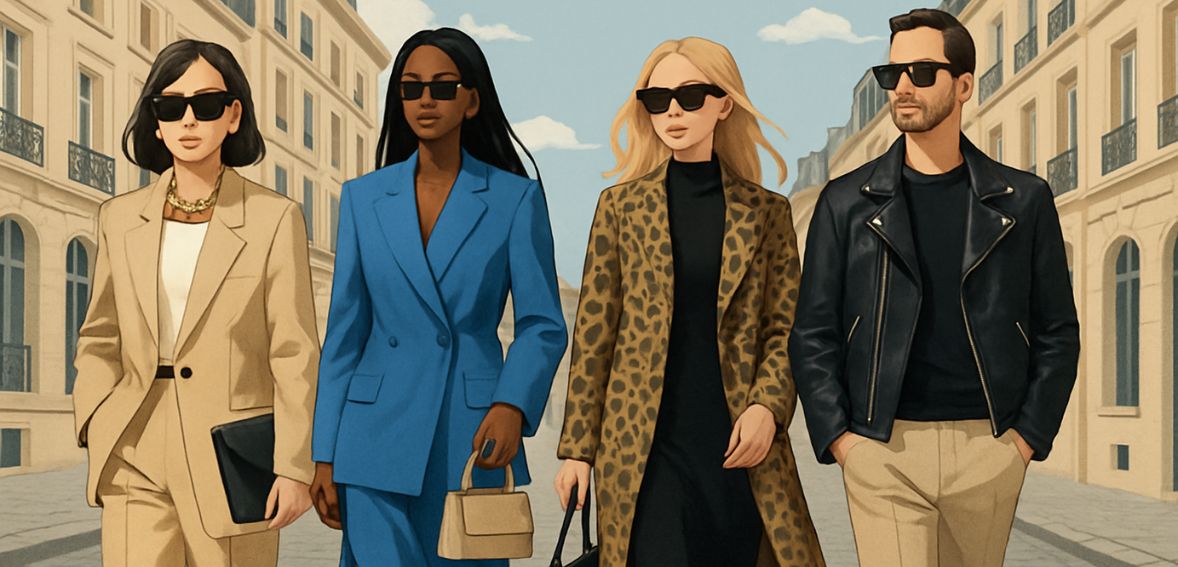
Couture Week Street Style: 8+ Trends You Can Wear
Paris Couture Week is the only event that truly embodies the connection between art and actual fashion. The streets outside Schiaparelli, Dior, and Chanel have evolved into stages equal to those inside their runways. Trendsetters and tastemakers appear here wearing ensembles so inspired that they resemble contemporary sculptures; they are daring enough for the catwalks of fashion but completely wearable in daily life.
Street style during couture week in 2025 provided more than just eye candy; it had an impactful impression. These street styles, which range from bold outerwear to sophisticated monochromes, have found their way into wardrobes worldwide. The question is: which trends from the glare of event cameras truly work off the runway?
Trend 1: Unexpected Tailoring: Blazers I Didn’t See Coming
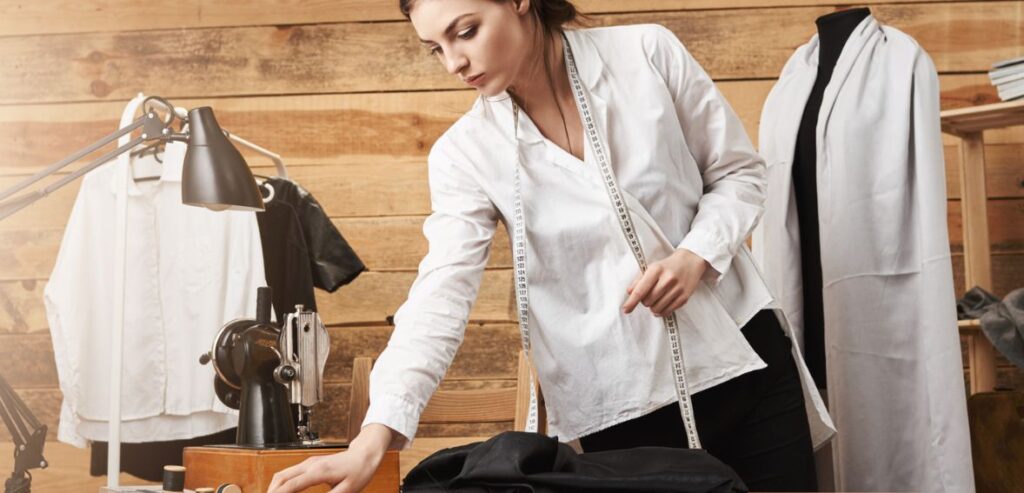
The basic blazer saw an epic transformation throughout Paris. This year’s couture week tailoring leaned toward contrast, being oversized but purposeful and structured yet unconventional. We saw boxy fits sculpted with delicate, artistic drapes, and high-sheen satins paired with rough-hewn wool.
These blazers completely redefined traditional suiting, not just giving it a nod. Some were accessorized with carefully chosen chaos, while others were anchored by leather pants and styled over silk slip dresses. Think of sophisticated streetwear combined with business casual or partywear ,transformed into office attire thanks to the versatility of tailoring.
These blazers’ tension—a balance of style and familiarity—was what gave them such a novel feel. They shouted originality and whispered elegance at their best. They only need confidence to fit in, not a corporate boardroom or the red carpet. For those seeking wardrobe longevity, this type of tailoring—part armor, part artwork—is not only wearable but powerfully personal.
Trend 2: Power Shoulders, Soft Vibes
The rise of strong shoulders in 2025 has a softer undertone than its previous implication of hard-edged 1980s power dressing. The silhouette has changed over time, becoming characterized by flowing textiles, delicate seams, and a generous amount of movement. Statement shoulders were seen on trench coats, cropped jackets, and longline dresses outside of couture shows; each style was designed to make an impression without being stiff.
The style included sculptural sleeve drapes, balloon sleeves, and lightly puffed caps in place of harsh padding and sharp corners. The end effect is a poetic yet empowered vibe. The psychology is obvious: a tall, non-abrasive silhouette seems like the ideal message during uncertain times.
It is assertive without being violent and powerful without yelling. By adding elegance to power dressing, these shoulders give the wearer a deliberate, grounded, and contemporary appearance. Integrating this into daily wear is simpler than it looks. Try a billowy blouse with tapered jeans or a softly structured blazer over a knit dress. It’s about building your silhouette from the shoulders down—with care, not force.
Trend 3:Sheer Layers & Soft Textiles
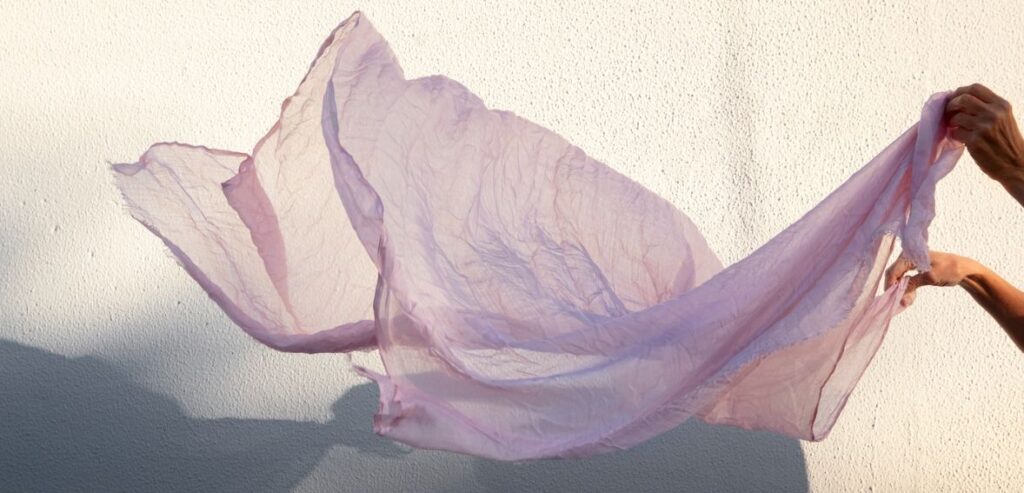
Although transparency has always flirted with provocation, this season’s couture streetwear plays on suggestion rather than exposure. Whether they were panels, overlays, or full ensembles, sheer clothing exuded curiosity rather than drama. We saw chiffon overlays giving even the most grounded ensembles ghostly motion, transparent tulle layered over casual shirting, and mesh turtlenecks underneath sleeveless wool dresses.
This was about lightness, not bareness. Sheer textiles caught light as their wearers moved, producing a subtle shadow play. They added a touch of breathability to the bulky winter clothing and a hint of sensuality to otherwise buttoned-up ensembles. The power of sheer dressing is found in the way it adds dimension and movement while reducing the visual weight of an ensemble.
Back in real life, this translates beautifully into layered blouses, midi skirts with transparent hems, and dresses with sheer sleeves or necklines. It’s proof that opacity doesn’t define polish—and that elegance often lies in the barely-there.
Trend 4: Reinvented Denim & Casual Luxe
Although denim has long dominated street style, this season’s couture week offered a fresh perspective by tailoring, splicing, recoloring, and layering denim into elegant combinations. It was front row ready instead of confined to casual Friday. Clean raw-edge jackets over silk pants were walked alongside full denim suits in acid wash.
Some went one step further with patchwork, creating tapestry-style outerwear out of recycled denim. There was no denying the artistry. Denim evolved into a medium rather than just a practical item. Our perception of casualwear has changed as a result of denim’s evolution; it is now the focal point rather than the backup option.
Wide-leg, cropped, belted, and asymmetrical, the new denim silhouette is oversized and surprising. It’s expressive, and that makes it incredibly scalable. For the everyday wearer, the trick is to choose cuts and shades that disrupt the norm—a stiff raw denim jacket over flowing layers or classic jeans dressed up with velvet loafers and a satin tank.
It’s about elevating denim while letting it retain its nonchalance. As denim evolves into a more expressive and upscale staple, it also becomes a target of wardrobing behavior—a growing issue in retail where customers return used items under the guise of temporary ownership.
Trend 5: Statement Footwear: Elevate the Everyday
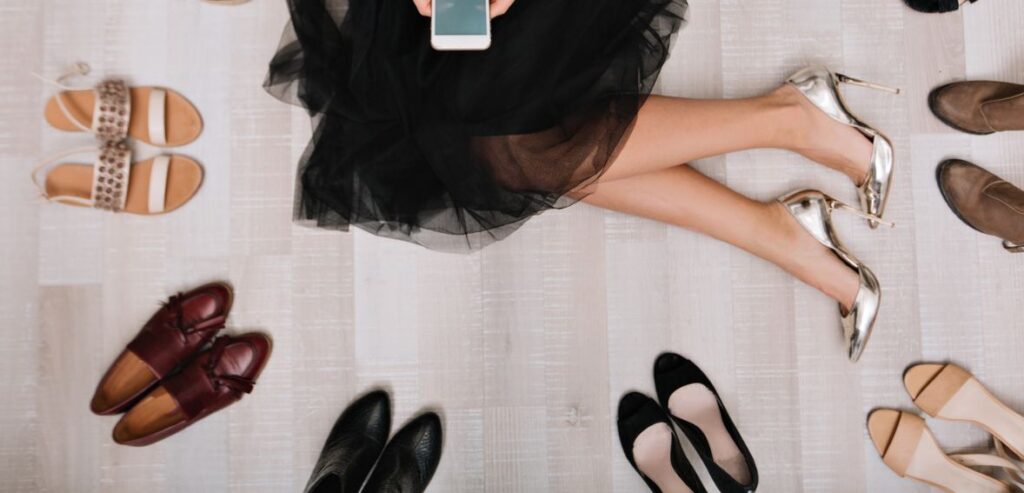
One of the most obvious takeaways from couture week is that footwear is now the focal point of an ensemble rather than an afterthought. Street-level footwear took center stage, ranging from futuristic architectural boots to platform heels with a nod to the past. They were provocative and grounding, frequently the most daring element of an otherwise neutral ensemble.
Flowing dresses gained structure from the addition of square toes. Cropped pants gained weight from chunky-soled loafers. Even delicate shoes, such as minimalist sandals or soft ballet flats, featured textural twists, such as metallic accents, mismatched straps, or faux fur linings. A unique shoe this season is not only practical, but also expressive. It conveys a message about the wearer’s attitude and state of mind.
Whether you like bold or subtle styles, the appeal lies in how adaptable these statements can be. Want a wearable version of couture-level shoes? Choose footwear with architectural elements—like a sculpted heel or an exaggerated sole. The street taught us this: even the most basic outfit becomes elevated with shoes that dare to lead the way.
Trend 6: The Perfect Accessory: Understated, Unexpected
This couture week, accessories whispered instead of screamed. Gloves, belts, jewelry, and bags were not merely accessories; they were purposeful architectural elements. Mirrored handbag hardware and sculptured gold cuffs. Leather belts created shaped silhouettes out of outerwear. Oversized clothing was given proportion by small, sleek-lined bags.
The way accessories enhanced the overall appearance rather than overshadowed it is refined. Consider it the progression of an accessory from eye-catching piece to ensemble staple. This understated strategy enhances design intelligence rather than lessening its impact. Less noise, more focus is the obvious message. Practically speaking, choose an accessory that subtly contrasts in texture or fabric.
A padded clutch tucked into a puffer coat or a metal choker over a knit turtleneck produces layers of visual interest that seem carefully chosen. Accessories, this season, are not trends—they’re the moments that hold an outfit together.
Trend 7: Monochrome Mood, Layered Depth
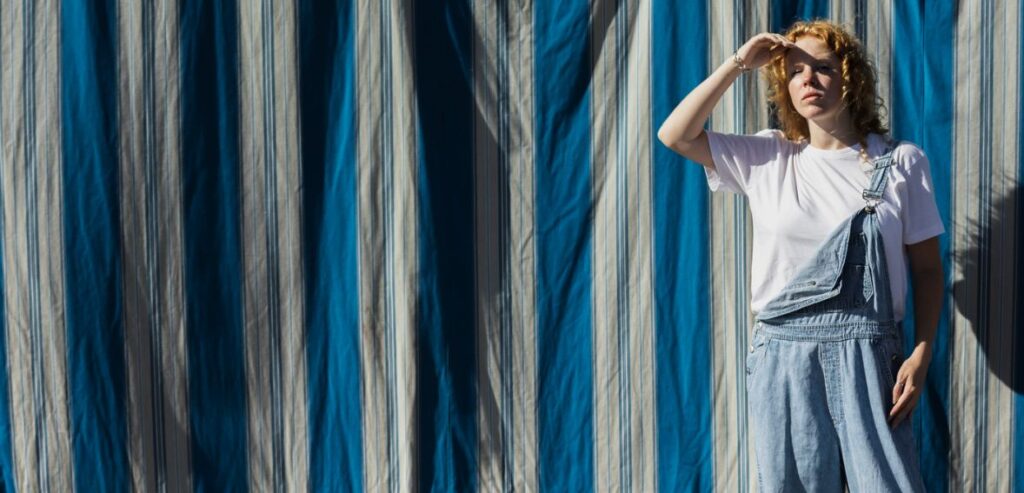
The days of mastering monochrome solely by dressing entirely in black are long gone. The palette for this season grew to include earthy reds, sage greens, icy lavenders, and soft caramels, all of which were purposefully combined with other textures to create whole ensembles. One particularly striking example was a soft olive suede coat worn with a tonal wool sweater and wide-leg pants that matched.
Monochrome triumphs in presence, as evidenced by the serene yet commanding appearance. Color focus is more important than color restraint. Nowadays, monochrome styling entails experimenting with surfaces by combining glossy leathers, matte suedes, ribbed knits, and silks in the same shade. Without using contrast, this produces visual interest. This trend is wearable because it makes dressing easier.
This trend is how easily it simplifies dressing. Choose your color and build from there—texture, shape, silhouette—knowing each component adds tone without creating noise. It’s minimalist in palette but maximalist in effect.
Trend 8: Prints Tamed with Structure
Prints purposefully made a comeback in couture. Leopard coats were elegant rather than untamed. Tartan trousers showed sophistication rather than punk. The secret? Utilizing architectural structure to anchor prints. During Fashion Week, attendees paired tailored blazers with animal-print midi skirts or turtlenecks and slacks with oversized checkered coats. These looks struck a balance between poise and playfulness.
The trick was to keep the rest of the look controlled and sculpted while allowing the print to shine on one piece. The way prints are worn daily is changed by this stylistic change; they now convey a sense of accuracy rather than rebellion. Start with a single printed item, such as a dress, skirt, or jacket, and ground it with structured companions for a more realistic version.
Crisp shirting, strong outerwear, or clean shoes temper the print, allowing it to read intentional rather than impulsive. Couture street style reminded us that prints can be daring and deliberate in the same breath.
Why These Trends Work Off the Pavement
These eight looks are practical style codes rather than just runway tributes. They are effective because they emphasize personality, balance, and structure without resorting to artificial drama. Denim, blazers, boots, and layering pieces are wardrobe essentials that can be put together with texture and proportion changes to elevate the look. Every trend respects comfort, editability, and versatility, making them all wearable. These trends resonate because they blend personal identity with evolving aesthetics—many of which are shaped by deeper forces like inclusive fashion and cultural influence.
Bringing Couture Flair into Everyday Life
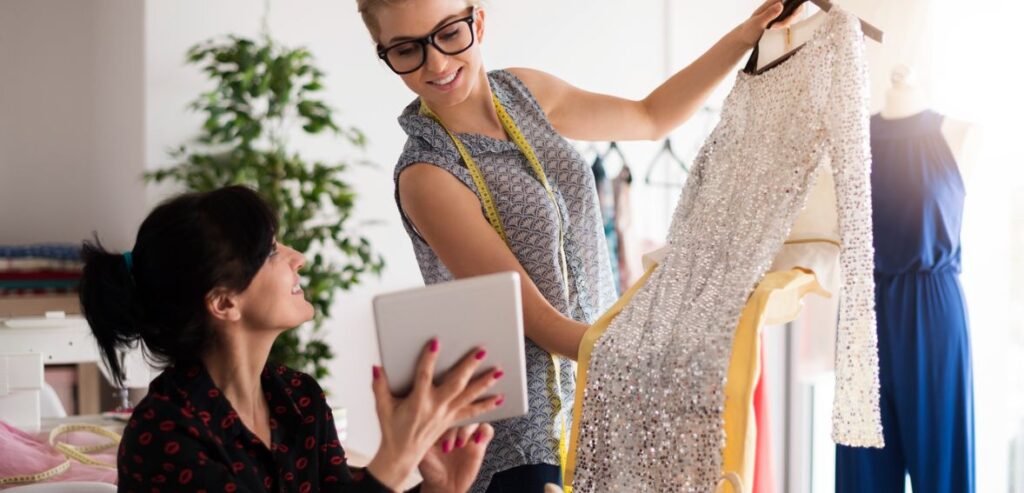
To adapt couture street trends into your own closet, focus on:
- Balance: Pair one bold element—a puff sleeve, statement shoe—with simple basics.
- Texture: Mix fabrics—like soft knits and structured jackets—for depth without complexity.
- Dimension: Use layers and volume to create shape without sacrificing comfort.
- Subtlety: Opt for accessories that enhance rather than overpower, like architectural belts or earrings.
Conclusion: Style That Speaks Without Saying Too Much
Couture Street Style is not about costume—it’s about presence. It is the result of people making thoughtful, rather than impulsive, clothing choices. Lessons in volume, texture mixing, denim reinvented, and tailoring with personality were available in 2025 on the stands outside of couture shows. It serves as a reminder that great style resonates rather than shouts.
These trends can be worn, modified, and customized regardless of your preference for casual elevation, unexpected structure, or monochromatic layering. The most astute trendsetters in fashion don’t seek out extremes; instead, they curate their wardrobe, transforming high-concept ideas into authentic, grounded, and completely wearable moments of personal style.