








The Role of Culture in Shaping Inclusive Fashion Narratives
Fashion is more than just style, it is a form of self-expression that communicates identity, values, and belonging. As societies become more diverse and interconnected, fashion must evolve to reflect these cultural shifts. In recent years, the industry has begun to acknowledge the need for broader representation and meaningful inclusion. This shift has led to new conversations around design, storytelling, and how different cultures are portrayed on global platforms.
At the center of this movement is the growing emphasis on cultural inclusivity in fashion. This goes beyond simply showcasing diverse models or offering a wider range of sizes. It involves recognizing and respecting the cultural heritage behind certain garments, patterns, and traditions. Inclusive fashion draws from a broad spectrum of global influences, aiming to create space for historically underrepresented communities while ensuring their stories are told authentically.
This cultural approach to fashion is shaping how brands design clothing, how consumers engage with trends, and how fashion is used as a tool for both empowerment and education. Through efforts like traditional wear adaptation and multicultural fashion design, the industry is beginning to reframe its narrative, one that embraces diversity not as a trend, but as a core value.
Understanding Cultural Inclusivity in Fashion
Cultural inclusivity in fashion means more than adding colour to runways or releasing collections inspired by different cultures. It means involving people from those cultures in the design, production and storytelling. It means accuracy, heritage and collaboration. The fashion industry has been called out for borrowing from different cultures without permission or credit, cultural appropriation.
Inclusive fashion counters this by promoting respect and education. When brands work with local artisans, partner with cultural consultants or invite designers from underrepresented backgrounds to lead the creative work, they move from appropriation to appreciation. This means more thoughtful designs and deeper connections with consumers who feel seen and heard.
By embracing cultural inclusivity in fashion, the industry expands its creative boundaries. It also helps dismantle harmful stereotypes by presenting authentic narratives that go beyond surface-level aesthetics. This approach benefits not only the communities represented but also the fashion world at large, offering richness, depth, and integrity to contemporary design.
The Importance of Traditional Wear Adaptation
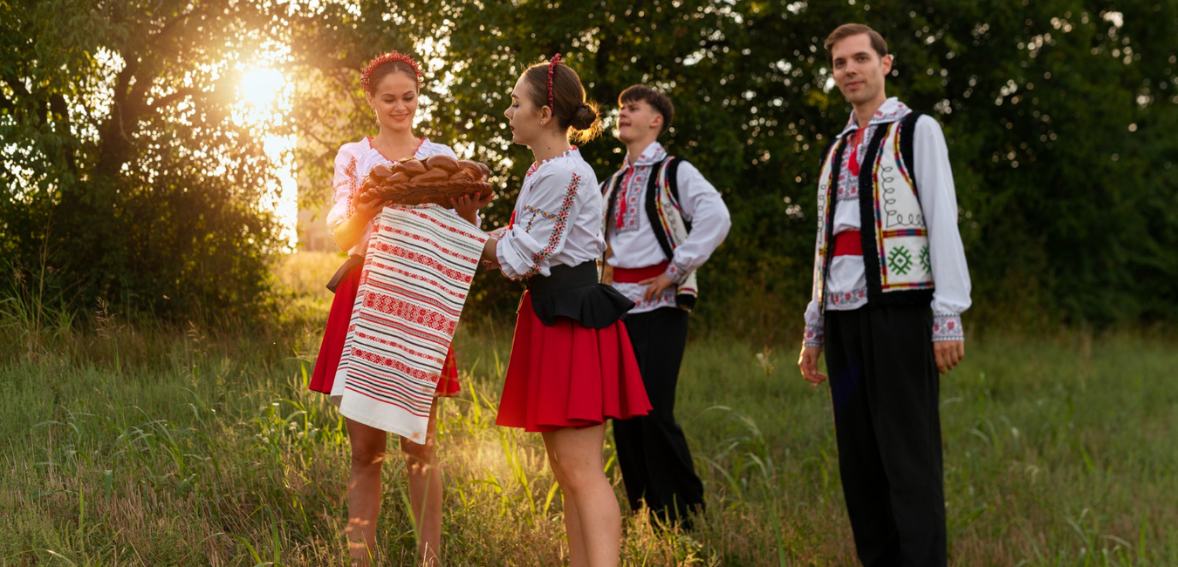
One of the most visible ways culture shapes inclusive fashion is through traditional wear adaptation. This involves reinterpreting cultural garments in ways that honor their heritage while making them wearable in modern contexts. Designers are finding creative ways to blend historical clothing elements with current fashion sensibilities, resulting in pieces that are both meaningful and accessible.
A classic example is the sari being adapted into ready-to-wear dresses or coordinated sets that appeal to both younger generations and global consumers. Similarly, the kimono has evolved beyond its ceremonial role into lightweight outerwear found on runways around the world. These adaptations allow for cultural garments to live beyond their traditional setting, promoting a continuous conversation between past and present.
It is essential, however, that this adaptation process respects the cultural significance of each piece. The goal is not to dilute or commercialize tradition, but to preserve its essence while expanding its reach. When done well, traditional wear adaptation becomes a bridge between generations and communities, inviting pride rather than appropriation.
Representation and the Power of Visibility
In fashion, visibility is power. Seeing yourself in magazines, campaigns and collections can have a big emotional impact. It confirms your identity and that your culture is valued. For years fashion excluded many communities by centering Western aesthetics and Eurocentric beauty standards. Now that’s changing.
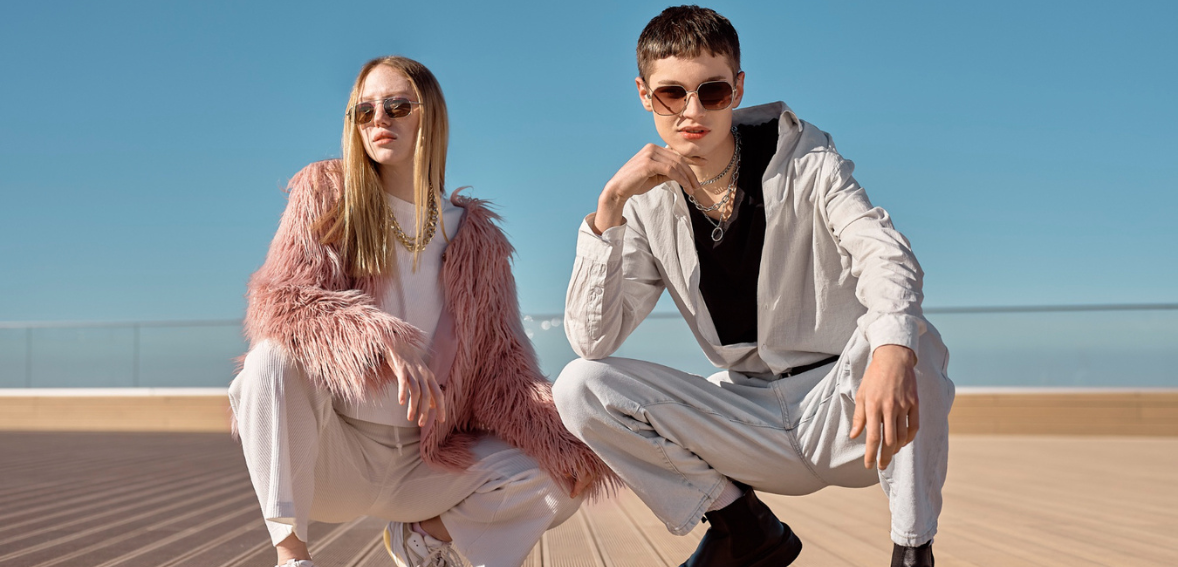
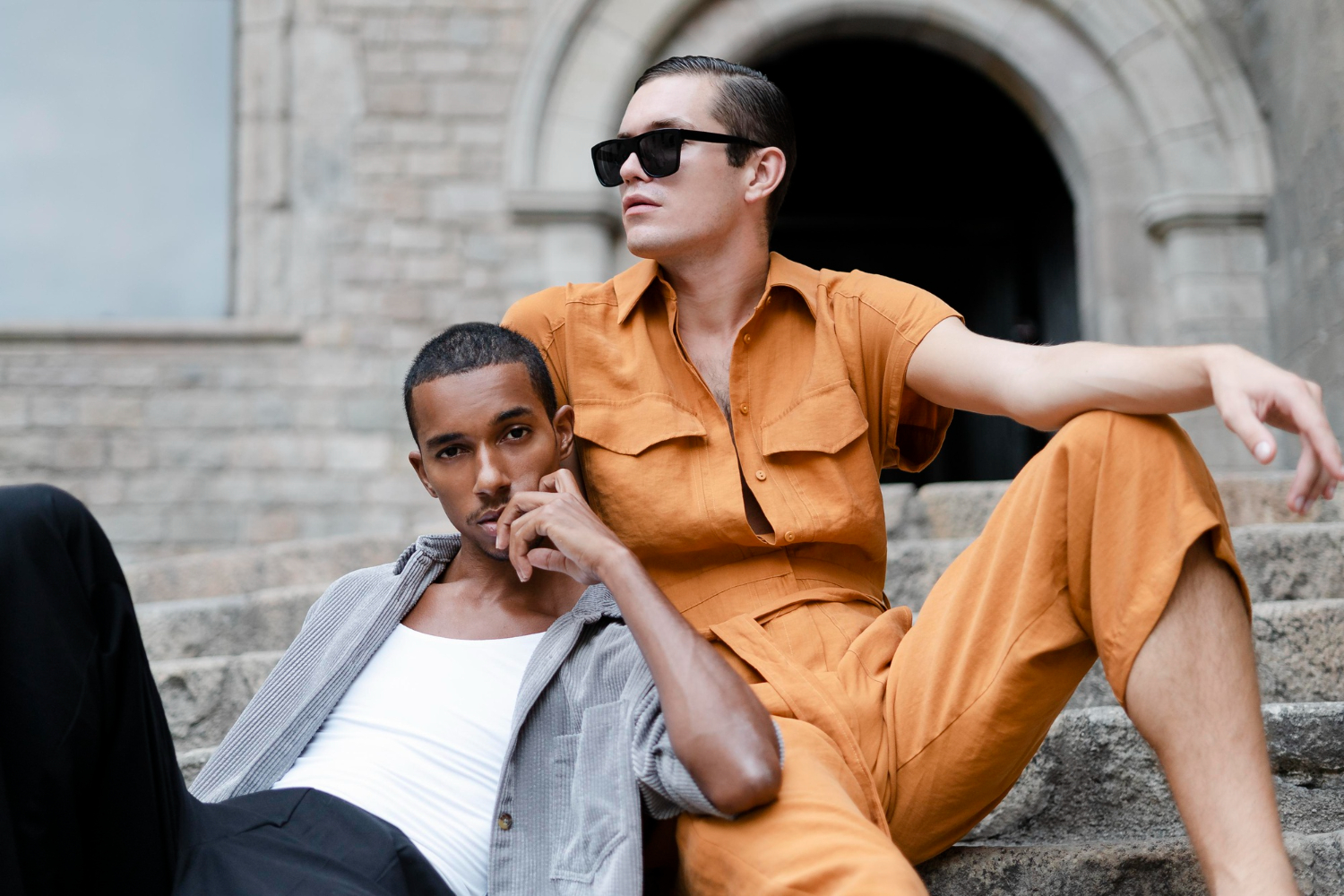
Inclusive fashion campaigns now feature people of different ethnicities, body types and cultural backgrounds. This isn’t just about appearances. It’s about making fashion accessible and affirming for all. Models wearing hijabs, Indigenous regalia or Afrocentric styles send a clear message: fashion is for everyone. These choices matter. They shape how society views beauty and identity. They also influence how young people understand their place in the world. When brands prioritize cultural inclusivity in fashion, they contribute to a more equitable and respectful global narrative.
Multicultural Fashion Design and Creative Innovation
Multicultural fashion design is becoming a hallmark of modern creativity. Designers are moving away from monolithic styles and instead drawing inspiration from a range of cultural sources. This isn’t just a design trend, it’s a response to the diverse societies in which we live.
In multicultural design, elements like embroidery, fabrics, color palettes, and construction methods from various cultures are combined to create something new. A jacket might feature African wax prints with European tailoring. A tunic may incorporate Middle Eastern embroidery and South American textile patterns. These combinations result in hybrid styles that reflect global identities.
However, true innovation comes not from mixing cultures randomly but from understanding and respecting their context. When multicultural fashion design is built on research, dialogue, and intention, it creates collections that are bold, inclusive, and rooted in authenticity. This approach also encourages cross-cultural learning and appreciation among consumers.

Local Artisans and Global Impact
One of the strongest ways culture is shaping inclusive fashion is through the empowerment of local artisans. Many traditional techniques, such as block printing, beadwork, weaving, or natural dyeing, are still practiced in small communities around the world. Inclusive brands are now choosing to work directly with these artisans, creating partnerships that benefit both parties. This model of collaboration provides economic support to artisans while bringing unique craftsmanship to the global market. Consumers, in turn, gain access to clothing that tells a story, not just through design, but through the people who made it. This adds depth and meaning to fashion consumption.
Supporting traditional skills also helps preserve cultural knowledge that is often passed down through generations. It turns the act of dressing into a form of cultural preservation. Through these efforts, cultural inclusivity in fashion becomes not only visual but structural, embedded in how fashion is produced and who benefits from it.
Fashion Education and Cultural Awareness
Fashion education is playing a bigger role in producing designers who get cultural diversity. Schools and training programs now have courses on cultural studies, ethical sourcing and inclusive design. This is a big shift. Educating designers from the get go means inclusivity becomes part of their design DNA, not an afterthought.
By studying fashion history from multiple global perspectives students get a broader understanding of how garments evolve and what they mean. Exposure to different fashion systems, from Indigenous to diasporic fashion, fosters deeper empathy and creativity. Designers trained this way are better equipped to practice multicultural fashion design with care and authenticity.
And platforms like exhibitions, panel discussions and public lectures provide spaces for designers, scholars and communities to talk. These conversations push the industry towards more inclusive practices and make sure voices from all backgrounds are heard.
The Role of Consumers in Promoting Inclusivity
While designers and brands play a major role, consumers are also powerful agents of change. Today’s fashion buyers are more informed and conscious than ever. They are asking questions about where their clothes come from, who made them, and what values they represent.
Choosing to support brands that practice cultural inclusivity in fashion sends a clear message to the industry. It tells companies that there is demand for respectful representation and ethical production. Consumers can also influence change by learning about the cultural significance of the garments they wear and avoiding trends that trivialize sacred symbols or practices.
Social media plays a huge part in this cultural exchange. Platforms like Instagram and TikTok allow people from all over the world to share their personal styles, traditional outfits, and fashion stories. This democratization of fashion helps break down stereotypes and allows a broader range of voices to shape fashion narratives.
Challenges and Criticisms in Inclusive Fashion
Despite the progress, challenges remain. One major concern is performative inclusivity, when brands claim to support diversity but fail to act meaningfully. Representation without equity is superficial. If inclusive campaigns are not supported by internal change, such as diverse hiring and fair production practices, they lose credibility.
Another issue is the risk of homogenizing cultural designs. In the effort to make traditional clothing marketable, some designers simplify or alter elements to suit mainstream tastes. While adaptation is part of the process, it’s crucial not to strip designs of their cultural significance. There is also a need for greater transparency. Many consumers want to support inclusive fashion but lack access to clear information about sourcing, design influence, or cultural context. To build trust, brands must communicate openly about their processes and partnerships.
Moving Toward a More Inclusive Future
The fashion industry is at a crossroads. The opportunity to reshape fashion into a space that honors all cultures is within reach. By embracing traditional wear adaptation, prioritizing multicultural fashion design, and centering voices from historically excluded communities, fashion can become a more inclusive and meaningful space. This journey requires ongoing reflection and willingness to listen. Brands must move beyond token gestures and commit to systemic change. Designers must seek inspiration with humility and share credit generously. Consumers must hold the industry accountable while continuing to learn and grow.
Ultimately, the role of culture in shaping inclusive fashion narratives is not about blending traditions into a single global style. It’s about allowing each culture to stand tall and be celebrated on its own terms, while also creating space for collaboration and mutual respect.
Conclusion
Fashion can include or exclude, celebrate or ignore. In today’s world where diversity is a fact, the industry must choose to reflect that. Through efforts in cultural inclusivity in fashion, traditional wear adaptation and multicultural fashion design, we can create a fashion landscape that includes everyone. When culture is respected, stories are told and identities are acknowledged, fashion becomes more than clothes, it becomes connection. As designers, brands, educators, and consumers, we all have a part to play in this. Together we can make sure the future of fashion is not only beautiful but truly inclusive.