






Designing with Dignity: Adaptive Fashion for Elderly Populations
Clothing is a powerful tool that influences how we see ourselves and how we’re seen by others. For older adults, it can be the difference between feeling confident and feeling invisible. Yet, for decades, the fashion industry has largely overlooked the unique needs of aging populations. As individuals grow older, their bodies change, their mobility may decline, and their energy may shift, but their desire for self-expression, dignity, and independence remains as strong as ever.
The simple act of getting dressed can become frustrating for those dealing with arthritis, reduced range of motion, muscle weakness, or cognitive impairments. Fasteners like buttons, hooks, and zippers can pose real challenges. Traditional clothing often requires assistance, stripping seniors of privacy and autonomy. At the same time, many elderly individuals are reluctant to wear garments that look or feel clinical. They want clothes that are stylish, comfortable, and respectful of their evolving needs.
That’s where senior adaptive fashion steps in. This growing category of fashion merges functional design with thoughtful aesthetics. It represents a more inclusive and compassionate approach to clothing; one that considers both the physical and emotional well-being of seniors.
The Evolution of Adaptive Fashion
Adaptive clothing for seniors isn’t a new concept, but its design and visibility have come a long way. For years, functional wear meant hospital gowns, Velcro shoes, and elastic waistbands. While these met physical needs, they often lacked style, dignity, and personal flair. The focus was solely on practicality, with little regard for how seniors felt in these garments.
Recently, however, designers have started to rethink this approach. Driven by demographic changes and a growing awareness of age-inclusive design, a new wave of adaptive fashion is emerging. These collections aim to address specific mobility and sensory challenges while maintaining a stylish appearance. Designers are beginning to understand that older adults want to dress well, feel good, and maintain control over their daily lives.
The shift has also been influenced by aging populations living longer and remaining active later in life. Today’s seniors are not just seeking comfort. They want fashion that reflects who they are; vibrant, varied, and still engaged with the world.
Key Features of Senior Adaptive Clothing
The hallmark of senior adaptive clothing is functionality without losing dignity. These garments are built around the concept of ease; easy to put on, easy to wear and easy to care for. Magnetic closures and Velcro fasteners replace buttons and zippers for those with limited hand dexterity. This makes dressing faster and reduces the need for help so seniors can stay independent. Side opening pants and back closing shirts make dressing easier for those in wheelchairs or those who need dressing assistance.
Other thoughtful features include flat seams, tagless labels and soft breathable fabrics that prevent irritation. Clothing designed for wheelchair users often has shorter back panels and longer front hems to accommodate seated posture, so there’s no bunching or discomfort. Adaptive shoes are also part of inclusive senior wear. They have wider openings, easy fasteners and non-slip soles for safe mobility and foot health.
Balancing Style and Practicality
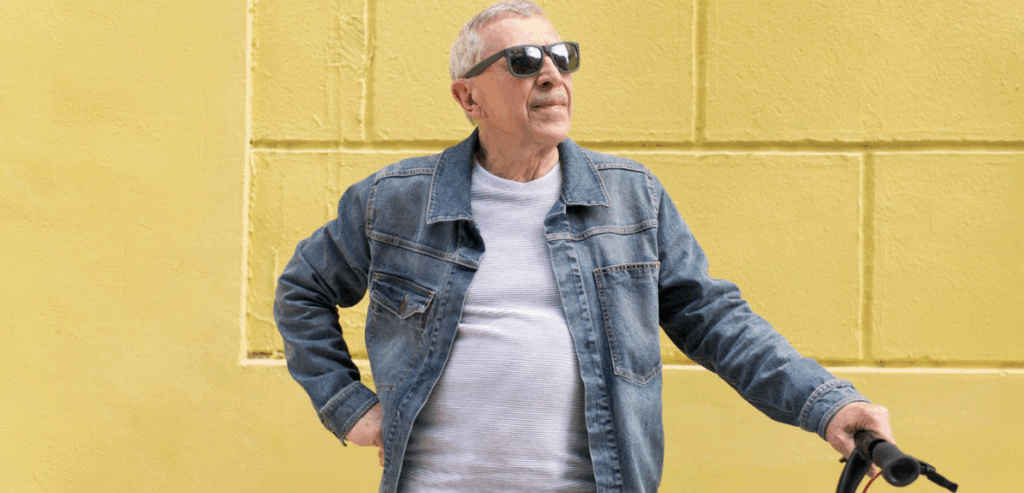
One of the biggest strides in adaptive fashion has been the move away from purely medical-looking garments. Seniors don’t want to wear clothes that make them feel like patients. They want fashion that is stylish, colorful, and age-appropriate without looking dull or outdated.
Designers are now prioritizing aesthetics in senior adaptive clothing collections. Garments feature modern cuts, attractive patterns, and flattering silhouettes. The goal is to make sure that seniors feel good not only in how they move, but also in how they look.
Personal style doesn’t disappear with age. In fact, it can become even more important as a way of asserting identity in a world that often overlooks older adults. With adaptive fashion, seniors no longer have to choose between function and style, they can have both.
The Link Between Aging and Fashion Identity
Fashion is deeply personal. It reflects mood, personality, and cultural belonging. For older adults, maintaining their fashion identity can be a powerful act of self-care and resistance to ageism. Wearing clothes that feel good and look good helps reinforce a sense of autonomy and dignity.
Unfortunately, mainstream fashion has often ignored the intersection of aging and fashion, presenting limited choices that don’t reflect the diversity of elderly lifestyles or body types. Seniors come in all shapes, sizes, and style preferences, and they deserve the same level of variety and customization as younger consumers.
Adaptive fashion seeks to fill that gap by acknowledging that aging bodies need different designs, but not less thought or creativity. By celebrating individuality, adaptive clothing can help older adults reconnect with their style and express themselves with confidence.
The Role of Technology in Adaptive Design
Technology is also driving innovation in clothing design. From motion sensors to 3D body scanning, technology is helping designers get to grips with the challenges of dressing for older people. The result is a new generation of elderly wear that fits better, moves with the body and anticipates the challenges.
Smart textiles are also making an appearance in adaptive fashion. These are fabrics that respond to temperature changes, wick moisture or offer gentle compression to aid circulation. Some designs have wearable tech features like alert sensors or location tracking which are particularly helpful for people with dementia or memory loss. It’s still early days but these high tech additions are part of the bigger trend towards supportive, accessible and beautiful clothing for older people.
Designing for Caregivers Too
Adaptive clothing not only benefits the wearer but also eases the burden on caregivers. Dressing someone with mobility or cognitive challenges can be time-consuming and physically demanding. Garments with back closures, adjustable fits, and soft fabrics can make this process more comfortable and respectful for both parties.
Many care home professionals report that senior adaptive clothing improves their ability to deliver compassionate care. The ability to dress a person without unnecessary twisting, lifting, or awkward movements helps preserve the dignity of the wearer and the well-being of the caregiver. Designing with caregivers in mind acknowledges the full context in which adaptive fashion is used. It recognizes that supportive clothing serves both function and emotional needs.
Accessibility and Affordability Challenges
While the adaptive fashion space is growing, there are still obstacles to overcome. One big one is cost. Many adaptive garments are more expensive than regular clothes due to special materials, smaller runs or patented fasteners. This makes them less accessible to seniors on fixed incomes.
Another is availability. Despite the growing interest, adaptive clothing is still not widely stocked in most big retail stores. Seniors have to shop online or through medical catalogs which limits options and complicates sizing or returns.
To solve these issues we need mainstream brands to adopt adaptive fashion more widely, better public awareness and incentives for manufacturers to scale up without increasing cost. Inclusive elderly wear should be a shared goal across healthcare, fashion and policy.
Changing the way we think about aging and clothes
To support adaptive fashion we also need to change the way we think about aging and clothes. Age should not be seen as decline but as a stage of life that deserves care, respect and thoughtful design. The more we normalize seeing seniors in fashionable, dignified clothing, the more we reinforce the message that they deserve full participation in style, culture, and public life. Campaigns that feature elderly models, celebrate fashion diversity, and challenge age stereotypes are a step in the right direction.
Encouraging conversations about aging and fashion helps dismantle the stigma that often surrounds growing older. It creates space for elderly individuals to be seen, heard, and celebrated for who they are.
Community and Emotional Impact
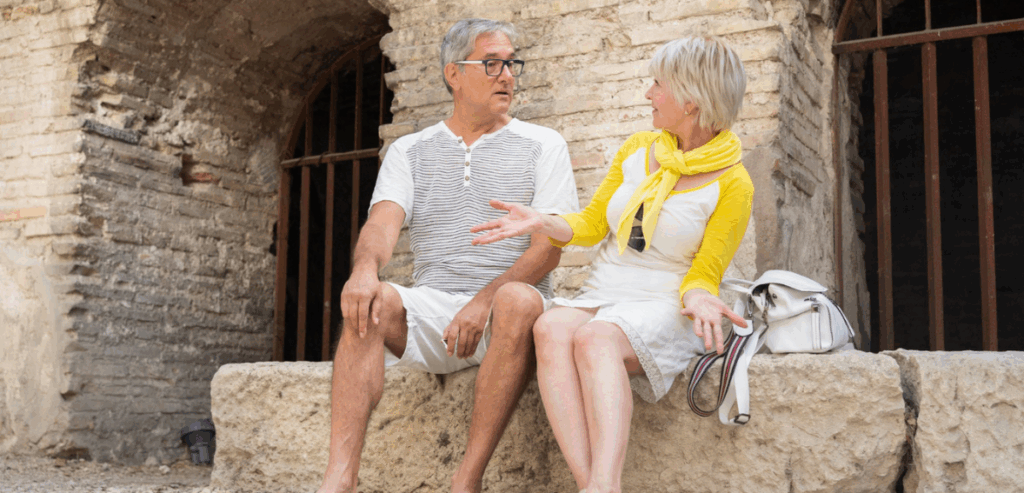
Beyond function and fashion, senior adaptive clothing plays an emotional role in the lives of older adults. The ability to dress oneself, choose outfits, and feel presentable contributes to emotional well-being, confidence, and mental health. In care communities, having options for clothing that feels personal and comfortable can improve social interaction and boost morale. It sends a powerful message: you matter, your preferences matter, and your dignity is important.
For families and loved ones, seeing an elderly parent or grandparent dressed well and feeling good creates a sense of pride and relief. It strengthens the connection between generations and deepens empathy for the aging experience.
Looking Ahead: The Future of Adaptive Fashion
The future of inclusive elderly wear is promising. As awareness grows and innovation continues, we can expect more integration of adaptive fashion into mainstream offerings. Larger brands are beginning to explore age-inclusive collections, while startups continue to push the boundaries of what adaptive clothing can look and feel like.
Consumer demand will play a key role in driving this progress. As more families, caregivers, and seniors prioritize accessibility and style, the industry will respond. Cross-disciplinary collaboration among designers, healthcare professionals, and engineers will also lead to smarter, more elegant solutions. Ultimately, adaptive fashion is about more than clothing. It’s about treating every stage of life with respect, celebrating individuality, and supporting independence through thoughtful design.
Conclusion: Dressing with Dignity at Every Age
Aging should never mean giving up on style or self-expression. With the rise of senior adaptive clothing, elderly individuals are gaining access to clothing that supports both function and fashion. By embracing inclusive elderly wear, society affirms that every person; regardless of age or ability; deserves comfort, confidence, and dignity. As we continue to challenge outdated ideas about aging and fashion, we move toward a more compassionate and inclusive vision of design. Adaptive clothing is not just a product. It’s a reflection of how we value one another across all stages of life.