




Breaking the Mold: Inclusive Fashion Brands Leading the Inclusivity Movement
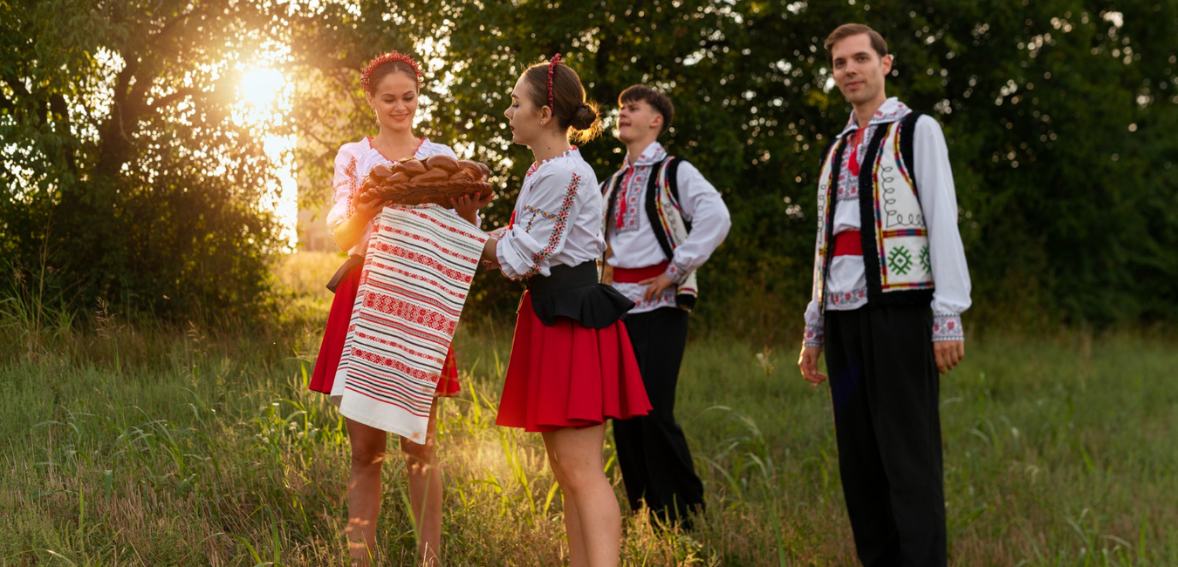
The fashion industry is changing. For decades fashion has presented a narrow view of beauty, size, ability and identity. But times are changing. A growing wave of brands and designers are breaking the mold, going beyond the norm to create a space where everyone can be seen and celebrated. This is not just reshaping aesthetics but also how clothing is designed, marketed and sold. From extended sizing to adaptive clothing lines and ethical production practices, inclusive fashion brands are leading the way to a more diverse and responsible future.
True Inclusivity in Fashion
For too long fashion has been built around limited representations. Whether in ads, runway shows or clothing sizes, the industry has excluded large parts of the population. Consumers who didn’t fit the norm were made to feel invisible. Now people are demanding more. They want to see bodies like theirs in the media. They want clothing that fits and functions for all of life. Inclusivity is no longer a buzzword, it’s a requirement. Brands that don’t reflect their audience will lose relevance and trust.
This is where inclusive fashion brands are making a difference. They design with real people in mind, creating collections that reflect a range of needs, experiences, and identities. Their success shows that fashion doesn’t have to be exclusive to be aspirational.
What Makes a Brand Inclusive?
Inclusivity in fashion is more than offering a few extra sizes or adding diverse models to a campaign. It’s about embedding diversity into the brand’s values, designs, and customer experience. An inclusive brand considers different body types, skin tones, abilities, and identities at every step of the process. For instance, adaptive fashion leaders think beyond the typical consumer. They design for individuals with disabilities, chronic conditions, or mobility challenges. These clothes are not only functional but also stylish, removing the trade-off that once existed between utility and aesthetics.
Similarly, ethical clothing companies ensure that inclusivity extends to the people making the clothes. By prioritizing fair wages, safe working conditions, and environmentally responsible practices, these brands show that fashion can be both inclusive and conscious.
Adaptive Fashion: Clothing That Works for Everyone
Adaptive fashion leaders are redefining what it means to dress with dignity and style. This segment of the fashion world focuses on clothing for people with disabilities, medical conditions, or other mobility-related challenges. From magnetic closures and easy-access waistbands to seated wear and sensory-friendly fabrics, these designs are thoughtful and innovative.
For years, people with disabilities were forced to modify existing garments or settle for limited options. Now, brands are listening and responding. Adaptive collections are being launched by both mainstream companies and specialized designers, finally bringing functional fashion into the spotlight.
This movement has opened up new conversations around body autonomy and self-expression. Adaptive fashion leaders understand that people of all abilities deserve choices that reflect their personality and lifestyle. It’s about more than comfort; it’s about confidence.
Size Inclusivity: Beyond Standard Ranges
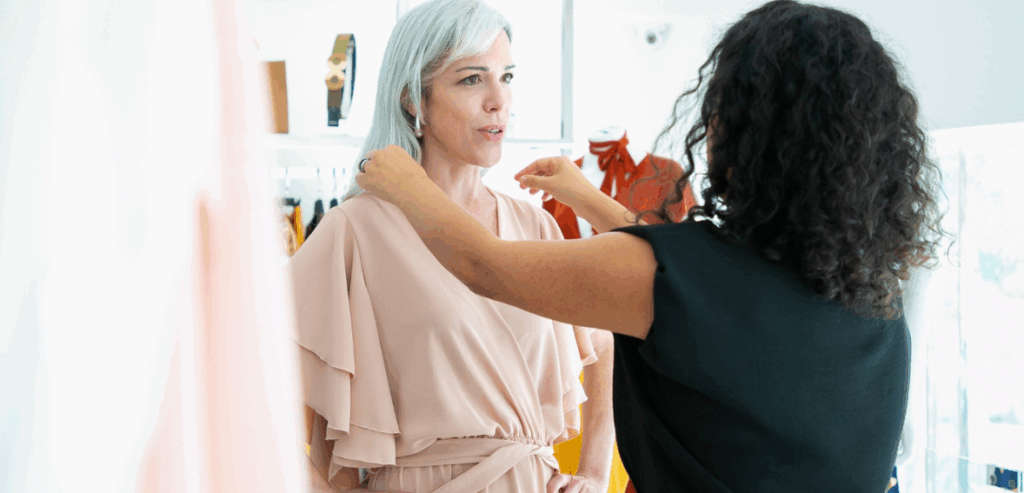
Size inclusivity is one of the pillars of the inclusive fashion movement. Many brands still only cater to a narrow size range, leaving millions of customers behind. This has led to frustration and feelings of exclusion especially for plus-size and petite customers. Luckily a new generation of inclusive fashion brands are offering extended sizing as part of their standard range not as an afterthought. They use real customer data to create sizing that fits different body shapes so everyone has a better experience.
Some brands are even involving customers in the design process through surveys and feedback loops. This creates a deeper connection between brand and customer and signals that all bodies are welcome, not just the ones that fit a mold.
Representation in Marketing and Media
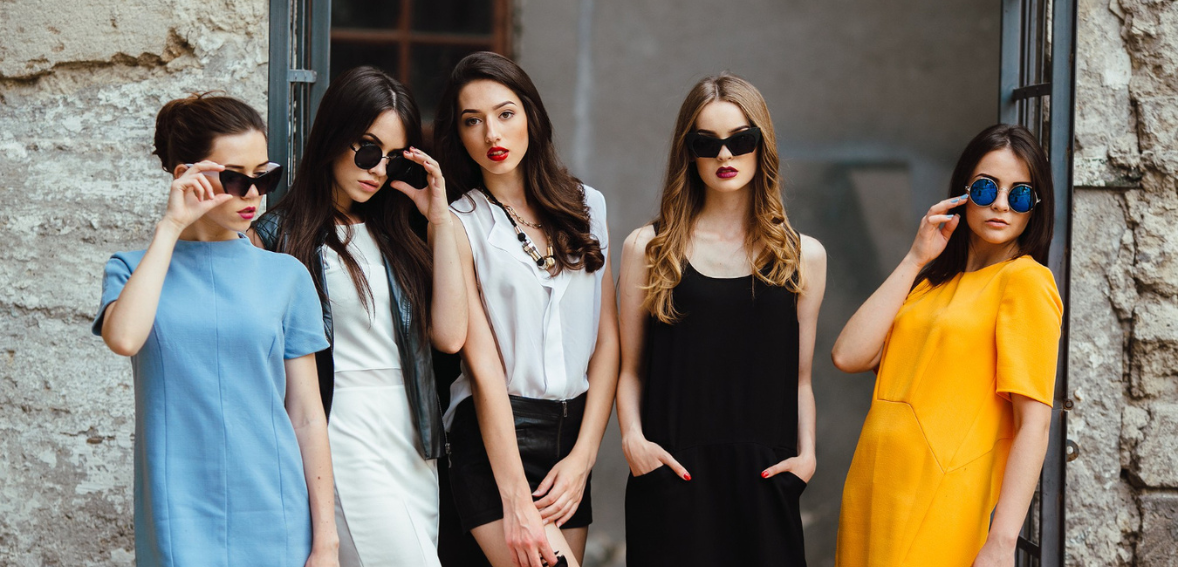
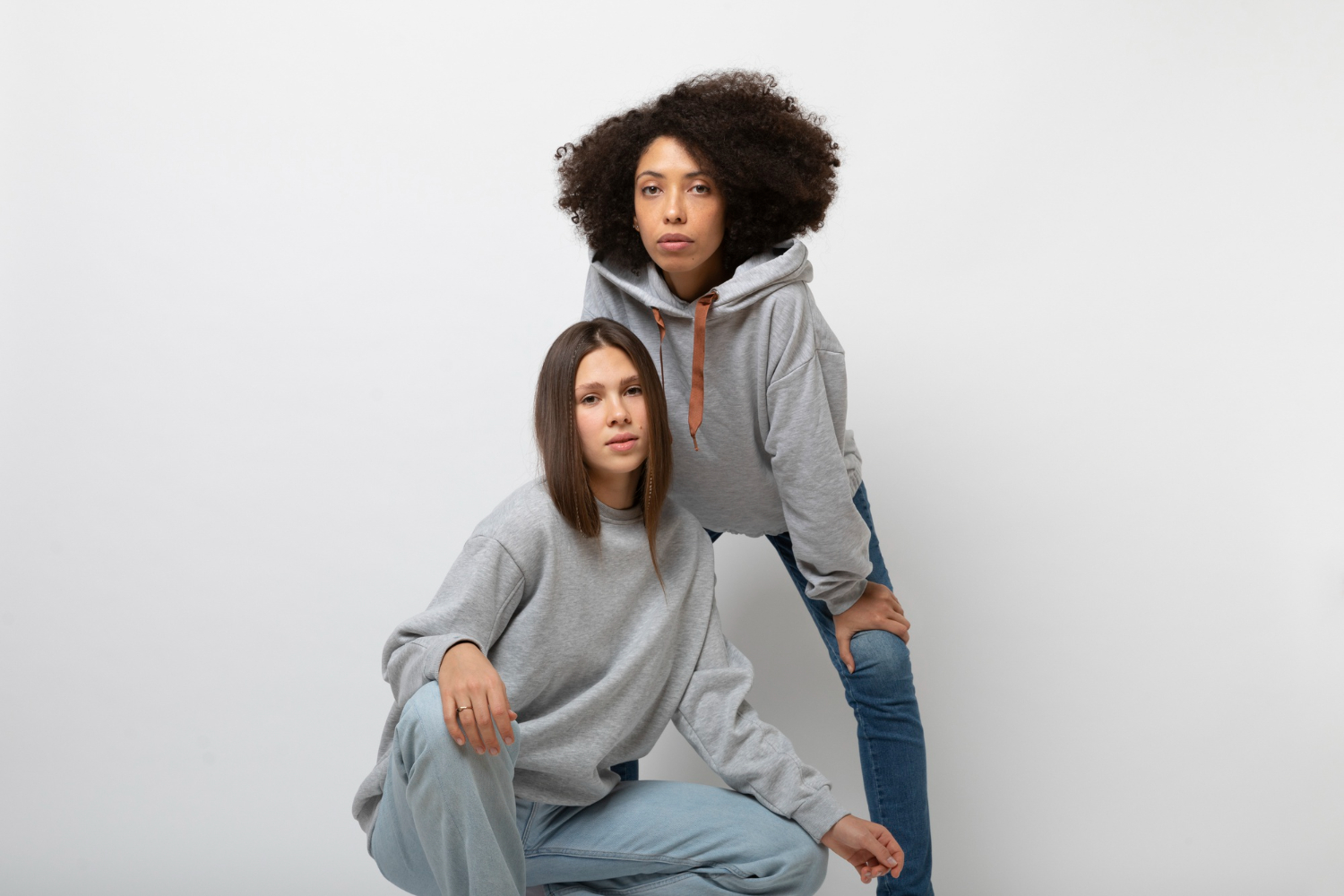
Clothing is more than fabric. It’s a form of identity and self expression. That’s why representation matters so much in fashion marketing. Seeing people who look like you in campaigns, on websites and on social media helps you feel seen. Inclusive fashion brands are now casting diverse models who reflect real world variety in size, race, gender, age and ability. This isn’t just symbolic, it actually impacts how customers feel about a brand.
When a brand consistently features a wide range of people in their visuals it sends a message that everyone deserves to feel good in what they wear. It’s a message that resonates deeply and builds loyalty beyond trends or pricing.
Ethical Fashion: A Natural Companion to Inclusivity
Inclusivity in fashion often goes hand in hand with ethical values. Many ethical clothing companies understand that social justice and environmental responsibility are connected. They recognize that caring for people includes those who wear the clothes and those who make them. These brands prioritize fair labor practices, sustainable materials, and transparent supply chains. They avoid exploitative manufacturing and invest in long-term relationships with workers. This ethical approach extends inclusivity beyond the consumer, making it a holistic mission.
Ethical clothing companies also challenge the fast fashion model that values speed and cost over quality and fairness. By slowing down production and focusing on craftsmanship, these brands offer a more thoughtful and inclusive way to engage with fashion.
Gender-Inclusive and Non-Binary Fashion
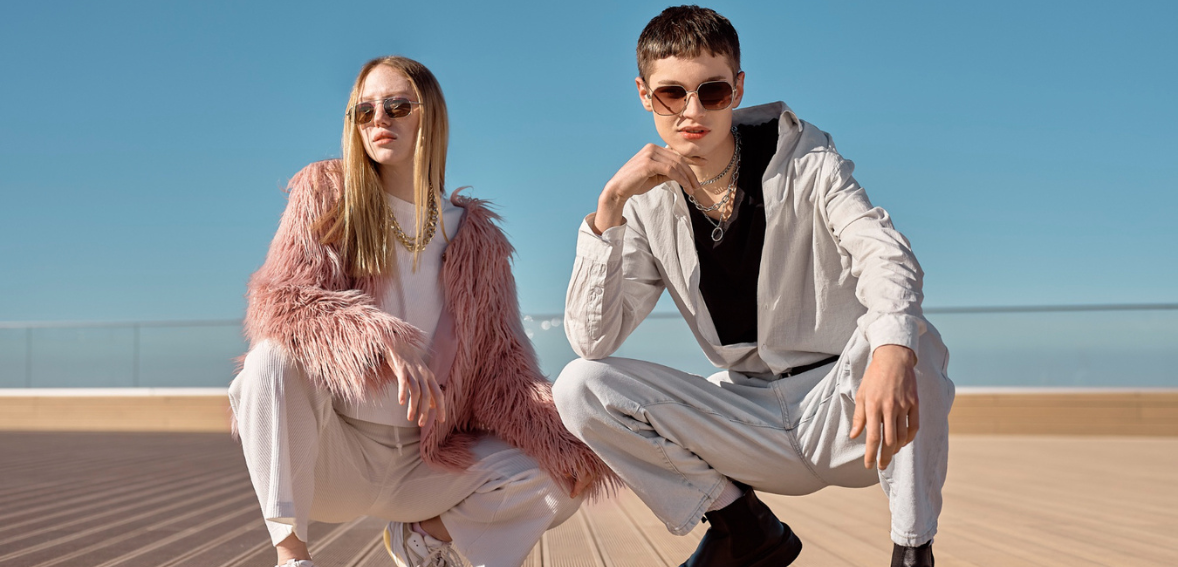
Traditional fashion categories have long been divided into men’s and women’s sections. But many people don’t fit neatly into those boxes. Gender-inclusive and non-binary fashion offers an alternative; one that celebrates fluidity and freedom. Brands leading this space often focus on versatile silhouettes, neutral colors, and unisex sizing. But more importantly, they create marketing and customer experiences that welcome people of all gender identities without assumptions.
Some inclusive fashion brands are rethinking the in-store layout or removing gender labels entirely. They’re also featuring non-binary and transgender individuals in campaigns, ensuring these communities feel seen and valued. This aspect of fashion inclusivity acknowledges that clothing is deeply personal and that everyone deserves access to styles that align with who they are; not who society expects them to be.
Affordability and Accessibility in Inclusive Fashion
While progress is being made, inclusive fashion must also be affordable to be truly accessible. Premium pricing can often leave out the very people who need inclusive designs the most. This is a challenge many brands are working to address. Some ethical clothing companies offer flexible payment plans, size exchanges, or capsule wardrobe collections to make pricing more accessible. Others are using digital platforms to reach wider audiences without the overhead of physical stores.
The goal is to strike a balance between fair labor costs and consumer affordability. As the demand for inclusive options grows, increased competition and innovation may help bring down costs and broaden access further.
Education and Advocacy Through Fashion
Fashion has always had a powerful platform for communication. Today’s inclusive fashion brands are using that platform not just to sell clothes but to educate and advocate. Many are active on social media, sharing resources about body positivity, disability rights, and sustainability. Some brands collaborate with nonprofits or activists, raising awareness and funds for underrepresented communities. These partnerships help turn fashion into a tool for social impact, connecting consumers to causes they care about.
By weaving advocacy into their brand identity, these companies show that fashion can be both expressive and purposeful. It’s not just about what you wear; it’s about what you stand for.
Digital Tools Supporting Inclusivity
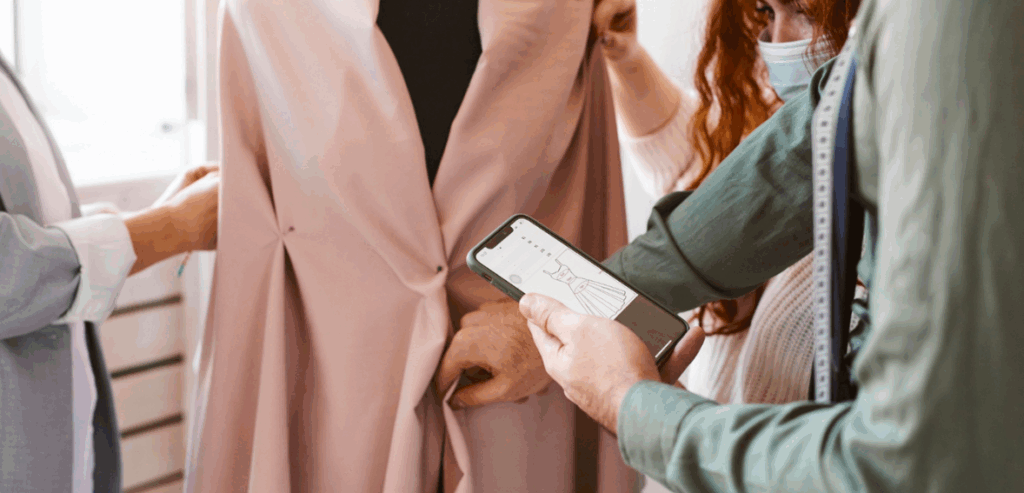
Technology is helping with inclusive fashion. From virtual fitting rooms to AI sizing tools, brands are finding ways to reduce guesswork and improve the customer experience. Some adaptive fashion leaders have digital customization tools where customers can modify clothing for medical devices, prosthetics or specific mobility needs. Others have 3D garment previews so customers can see how clothes will look on different body types.
These innovations build confidence at checkout and reduce returns and also prove that every customer matters. As tech advances expect more tools for inclusive design, personalized fit and accessibility.
Real Impact: Stories from the Community
What makes inclusive fashion real are the stories behind it. A plus size woman finding her first pair of well fitting jeans. A wheelchair user finding adaptive clothing that feels stylish. A non-binary teen feeling represented in a clothing ad. These stories show how powerful clothing can be when made with intention and care. Inclusive fashion brands, adaptive fashion leaders and ethical clothing companies aren’t just selling garments they’re selling dignity, confidence and connection.
As more people share their stories online it creates a ripple effect. One brand’s commitment to representation can inspire others to follow. The industry changes from the inside out, one story at a time.
What the Future Holds for Inclusive Fashion
The movement toward inclusivity is not a passing trend. It is part of a larger cultural shift toward empathy, equity, and awareness. Consumers are more informed and more vocal than ever, holding brands accountable and demanding better. As technology improves and market demand increases, expect to see more collaboration between adaptive fashion leaders, inclusive fashion brands, and ethical clothing companies. These connections will lead to more innovation, better access, and a wider impact.
Fashion is meant to reflect the times. And the times are calling for kindness, creativity, and community. The brands that embrace these values are not just succeeding in business; they are shaping the future of how we all dress and express ourselves.
Conclusion
The fashion world is being reshaped by voices that once lived on the margins. Through the work of inclusive fashion brands, adaptive fashion leaders, and ethical clothing companies, the industry is becoming more reflective of real people, their stories, and their needs. This movement is about more than expanding size ranges or diversifying campaigns. It’s about creating a culture where clothing serves everyone equally, honors all identities, and uplifts every wearer. The path to inclusivity is ongoing, but the momentum is clear. As more brands break the mold, fashion will continue to evolve into a space that welcomes all; and that is something truly worth celebrating.