










Fashion in the Metaverse: How Digital Runways Are Taking Over
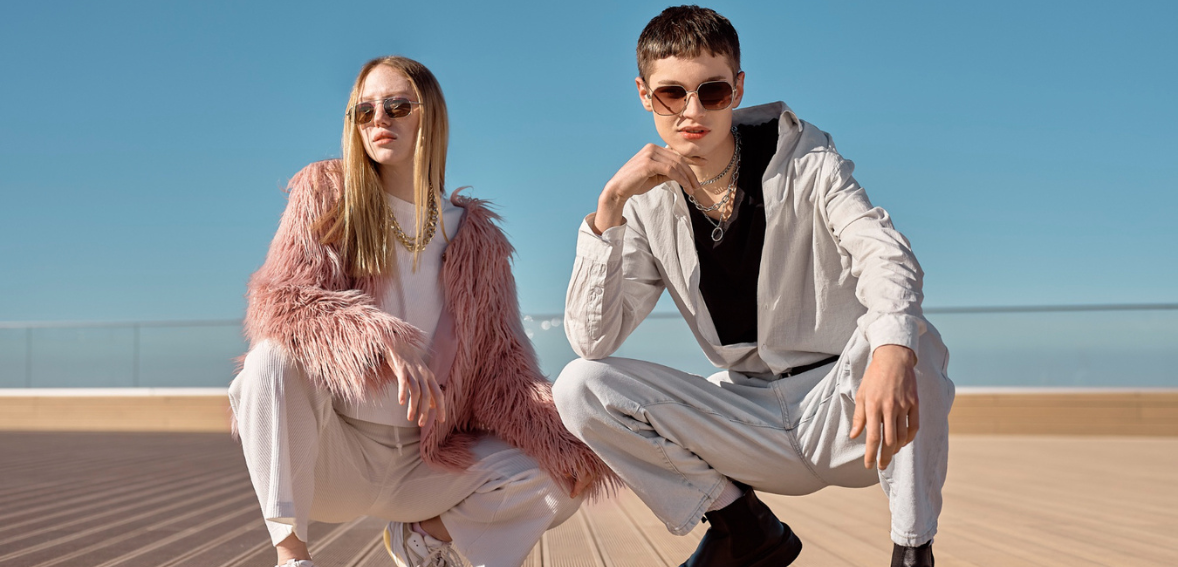
The fashion sector is experiencing a significant change as it adopts the metaverse—a combined virtual environment that unites physical and digital worlds. This development has led to digital couture and virtual catwalks, transforming how fashion is designed, showcased, and experienced. The merging of fashion and technology signifies not just a trend but a fresh era of opportunities. Let’s investigate how the metaverse is transforming the environment of fashion.
What Is the Metaverse and How Does It Impact Fashion?
The metaverse refers to interconnected virtual environments where users interact through digital avatars. In fashion, this digital world offers designers and brands innovative platforms to showcase their creations beyond traditional physical limitations. By entering the metaverse, fashion houses can engage with tech-savvy audiences, offering immersive experiences that blend technology and style.
Fashion labels are utilizing the metaverse to transform their relationship with buyers. These serve as canvases for artistic expression, enabling designers to craft clothing and accessories that challenge the limitations of the physical world. For instance, digital fashion in the metaverse enables the addition of animated features, turning garments into dynamic artwork. Moreover, virtual runways in the metaverse allow brands to connect with worldwide audiences, making high fashion accessible to all while promoting inclusivity and innovation.
The metaverse also offers an escape from the conventional fashion calendar, freeing brands from the seasonal demands of physical shows. Designers can create and release collections at their own pace, ensuring each piece resonates with their audience. This flexibility not only promotes creativity but also aligns with the growing demand for sustainability by reducing the pressure for overproduction.
The Rise of Virtual Fashion Shows
The COVID-19 pandemic accelerated the adoption of virtual events, leading to the emergence of virtual fashion shows. With physical gatherings restricted, designers turned to the metaverse to present their collections. Brands like Balenciaga and Gucci have pioneered digital runways, leveraging technology to create immersive experiences.
Virtual fashion shows offer numerous benefits. First, they are highly accessible. Audiences worldwide can attend these shows without the need for travel or expensive tickets, making high fashion more inclusive. Second, they are cost-effective. Brands save on logistics, venue rentals, and travel expenses, redirecting resources toward creative innovation. Third, virtual runways are environmentally friendly. By eliminating the need for physical setups, these shows reduce the carbon footprint associated with traditional fashion events.
Additionally, virtual fashion shows allow designers to explore fantastical and creative ideas. For example, a digital runway can be created in a sci-fi city or a suspended island, enriching the narrative of the collection. Designers are no longer constrained by physical limitations like fabric or gravity, enabling the development of designs that would be unfeasible in reality. These productions not only engage viewers but also reimagine the potential of fashion showcases.
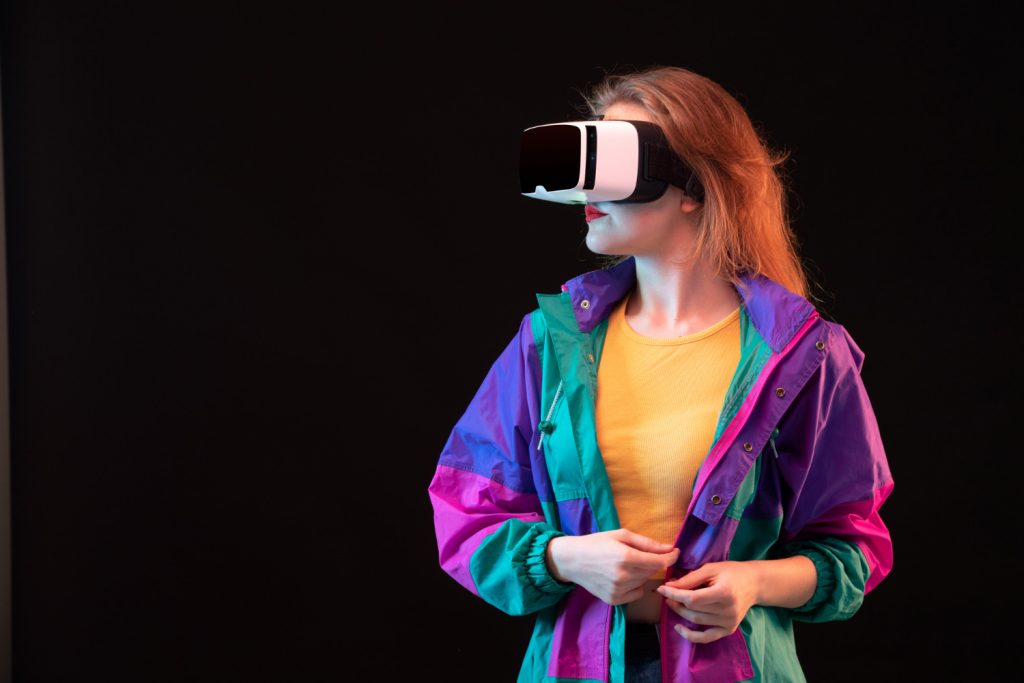
The integration of AR and VR technologies further elevates virtual fashion shows. Audiences can use VR headsets to immerse themselves in the event, feeling as if they are physically present. AR features enable viewers to project digital garments onto themselves, providing an interactive and personalized experience. This level of engagement fosters a deeper connection between brands and consumers, transforming how fashion is experienced.
Digital Fashion: Redefining Style
Digital fashion involves designing clothing and accessories exclusively for virtual avatars. This concept has gained traction with the rise of NFTs, which allow for ownership and trade of unique digital garments. NFTs have become a cornerstone of digital couture, offering exclusivity and authenticity in the virtual world.
Collaborations between tech companies and fashion houses have led to the creation of innovative virtual designs. For example, The Fabricant, a digital fashion house, creates entirely virtual garments that can be “worn” in digital spaces. Platforms like DRESSX offer marketplaces for digital-only clothing, enabling consumers to purchase and wear these items in virtual spaces, social media, and gaming platforms.
Digital fashion redefines traditional ideas of style. In the metaverse, clothing can be animated, luminous, or even engaging. This liberty motivates designers to challenge limits and produce pieces that are as much artistic creations as they are fashion statements. As shoppers adopt digital fashion, it’s evident that the metaverse is more than a stage for displaying designs; it’s an area where fashion is being transformed.
Furthermore, digital fashion promotes inclusivity. In the virtual world, garments can be tailored to fit any avatar, regardless of size, shape, or gender. This flexibility eliminates many barriers associated with traditional fashion, empowering individuals to express themselves authentically. Additionally, digital couture aligns with the growing demand for sustainability, as it eliminates the waste and pollution associated with physical garment production.
The Consumer Experience: Shopping for Virtual Wardrobes
Consumers are increasingly engaging with virtual fashion through gaming platforms and social media. Games like Roblox, Fortnite, and Zepeto allow users to dress their avatars in branded virtual apparel, blurring the lines between gaming and fashion. This trend represents a shift in how consumers interact with brands, focusing on self-expression and identity in digital spaces.
Digital closets provide numerous benefits. Sustainability is an important advantage, as digital apparel lessens the ecological footprint linked to the creation of physical garments. In contrast to conventional fashion, digital couture removes the necessity for raw materials, production, and transportation, positioning it as a more sustainable choice. Moreover, virtual apparel tends to be cheaper, granting access to luxury fashion styles at a much lower price.
The shopping experience for virtual wardrobes is also highly interactive. Consumers can customize their avatars and experiment with different styles, creating looks that reflect their personality. Social media platforms further amplify this trend by enabling users to showcase their virtual outfits in online communities. As digital fashion becomes more mainstream, the metaverse is emerging as a vibrant marketplace for self-expression.
Brands are also exploring virtual try-ons through AR technology. For instance, apps allow users to see how digital garments look on their avatars before making a purchase. This not only enhances the shopping experience but also reduces returns, a significant issue in traditional e-commerce. By integrating these technologies, fashion brands are creating a seamless and engaging consumer journey.

Challenges and Opportunities in the Metaverse for Fashion
While the metaverse presents exciting opportunities, it also poses challenges. Accessibility barriers, such as the digital divide and varying levels of technological literacy, can limit participation. Advanced hardware and software are often required to fully experience the metaverse, which may hinder widespread adoption.
Intellectual property concerns are another issue. In a digital environment, designs can be easily copied and shared without proper authorization, posing risks to creators. However, the integration of blockchain technology and NFTs offers potential solutions by ensuring authenticity and ownership of digital assets.
In spite of these obstacles, the metaverse presents substantial prospects for the fashion sector. Brands can enhance their identity by developing engaging virtual experiences that connect with younger audiences. Digital fashion creates fresh revenue opportunities, ranging from selling virtual apparel to licensing designs for gaming systems. Moreover, the metaverse promotes innovation by allowing designers to explore cutting-edge ideas without the limitations of physical manufacturing.
As technology continues to advance, these challenges are likely to diminish, paving the way for a more integrated digital fashion ecosystem. The metaverse is not just a trend; it is a transformative force that is reshaping the future of fashion.
Conclusion
The incorporation of fashion into the metaverse is transforming the industry, providing unparalleled opportunities for creativity, accessibility, and sustainability. Digital haute couture and virtual catwalks are transforming not only the way fashion is showcased but also the way it is viewed and experienced. To designers, the metaverse serves as a way for creativity; for consumers, it represents a domain for self-expression and discovery.
As the boundaries between physical and digital realities continue to blur, the fashion industry must adapt to this new landscape. Embracing the metaverse is not just about staying relevant; it is about leading the charge into the future. By harnessing the power of technology, the fashion industry can create a more inclusive, sustainable, and imaginative world of style. Let’s step into this exciting digital world and explore the limitless possibilities of fashion in the metaverse.