









Cultural Identity Through Clothes: What We Wear and What It Means
Clothing has historically been more than just a fundamental requirement; it acts as a vital aspect of cultural identity, providing insight into an individual’s background, convictions, and principles. As time has passed, our clothing has evolved to represent not just personal fashion but also social norms, customs, and cultural identity.
Cultural Expression and Clothing
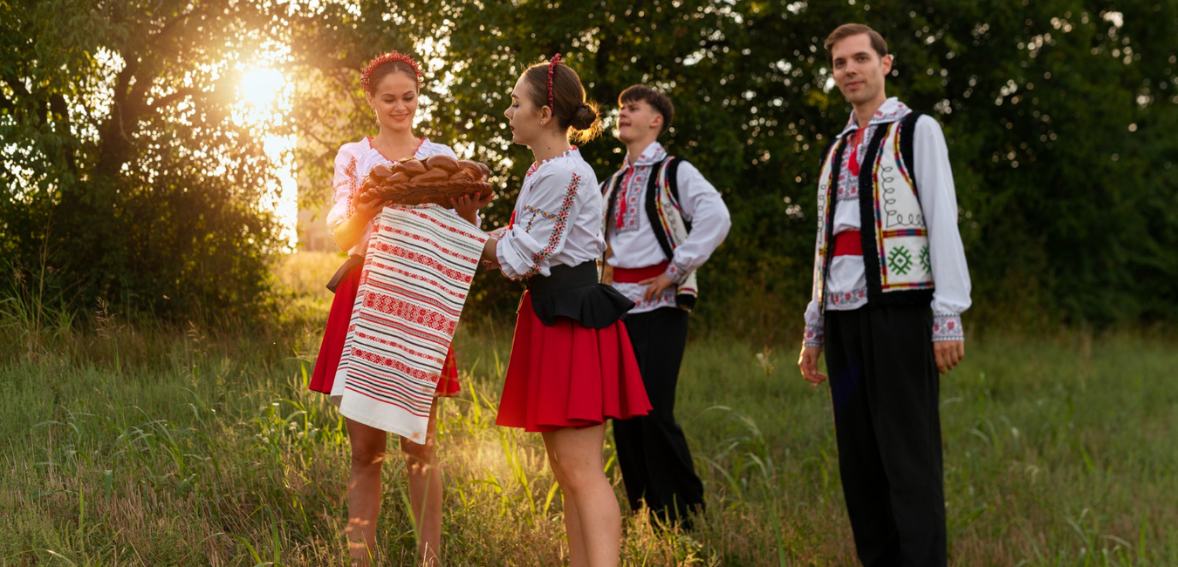
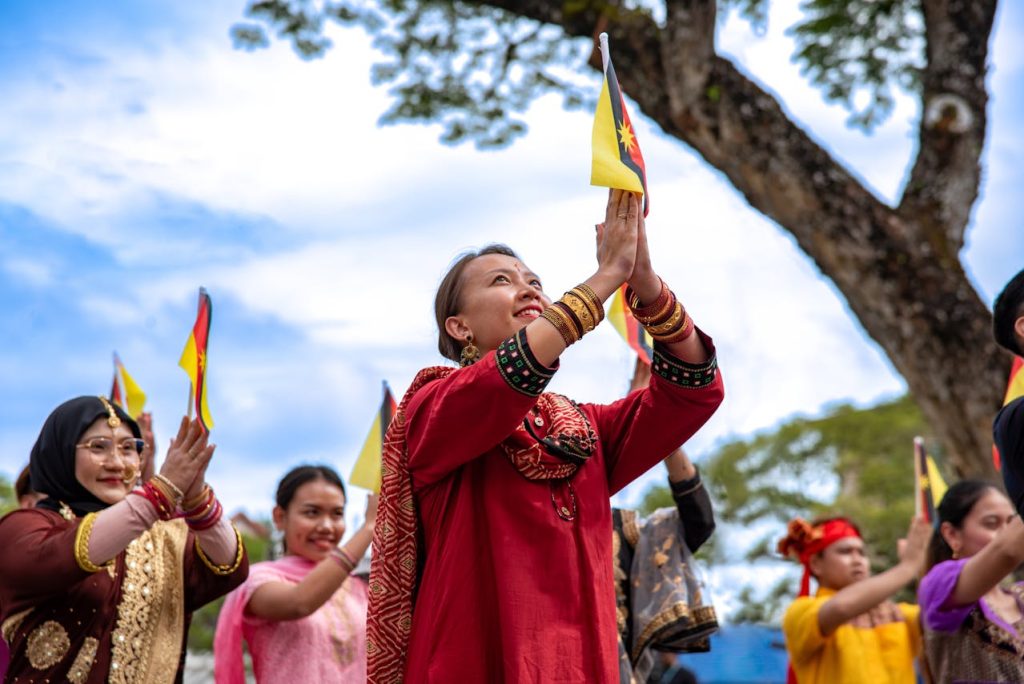
Clothing is one of the most prominent ways people express their cultural identity. Across different societies, clothes reflect a shared history and cultural heritage. Traditional garments, for example, are deeply rooted in history and are often worn during special occasions, ceremonies, and festivals. These outfits serve as a bridge between the past and present, keeping cultural narratives alive.
In various cultures, specific fabrics, designs, and styles carry important significance. Consider the customary clothing of the Maasai community in East Africa: their bright red shukas and elaborate bead designs represent strength, bravery, and cultural identity. Likewise, in India, the sari symbolizes elegance and femininity, where diverse draping techniques and materials showcase regional distinctions. Wearing traditional attire allows individuals to express their cultural pride and maintain the heritage of their forebears.
Furthermore, fashion serves as a language of cultural expression in modern society. Contemporary designers often incorporate traditional elements into their creations, blending heritage with modern aesthetics. This fusion not only keeps traditional art forms relevant but also introduces cultural elements to a global audience, promoting cross-cultural understanding.
Identity in Fashion: More Than Just Style
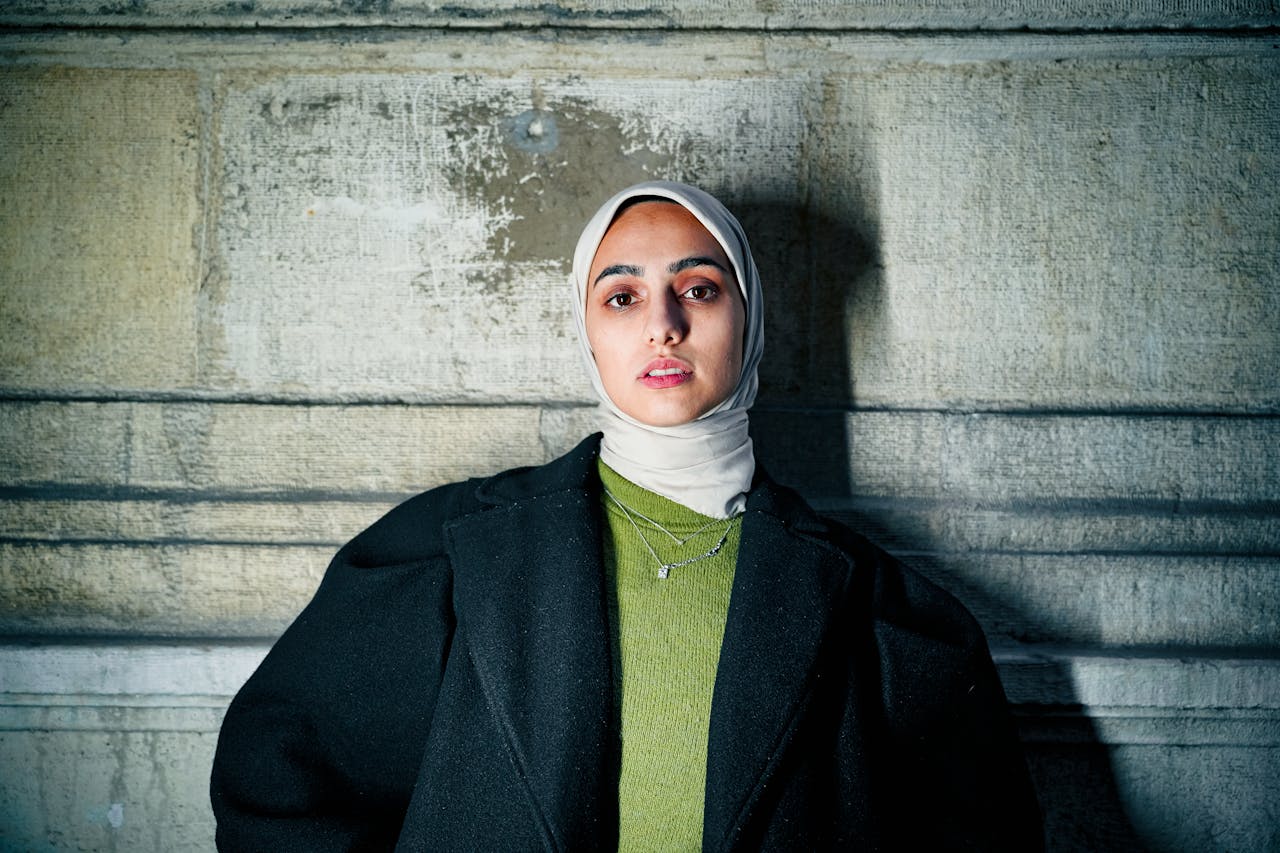
Fashion is not only about aesthetics; it’s a powerful medium through which people assert their identity. What we wear can signify our belonging to a particular group or our desire to stand out as individuals. For many, clothing choices reflect their personal beliefs, cultural background, and social status.
Fashion is utilized by subcultures globally to set themselves apart. From the 1970s punk movement, marked by torn apparel and striking hairstyles, to the 1980s hip-hop culture featuring loose jeans and large shirts, fashion has consistently been linked to identity and social expression. These styles, originally based in defiance and individual expression, have frequently been embraced by conventional fashion, illustrating how identity in fashion transforms through time.
Moreover, fashion allows individuals to explore and redefine their personal identity. For some, this means embracing cultural roots by incorporating traditional elements into their daily attire. For others, it means breaking away from cultural norms to forge a unique personal style. In both cases, fashion becomes a medium of self-expression and personal storytelling.
Symbolic Clothing: More Than Meets the Eye
Clothing often carries symbolic meaning, transcending its functional purpose. Many traditional outfits are imbued with symbolism that conveys a message about the wearer’s status, role, or beliefs. For example, in many indigenous cultures, specific garments or accessories are worn during rites of passage to signify the transition from one stage of life to another.
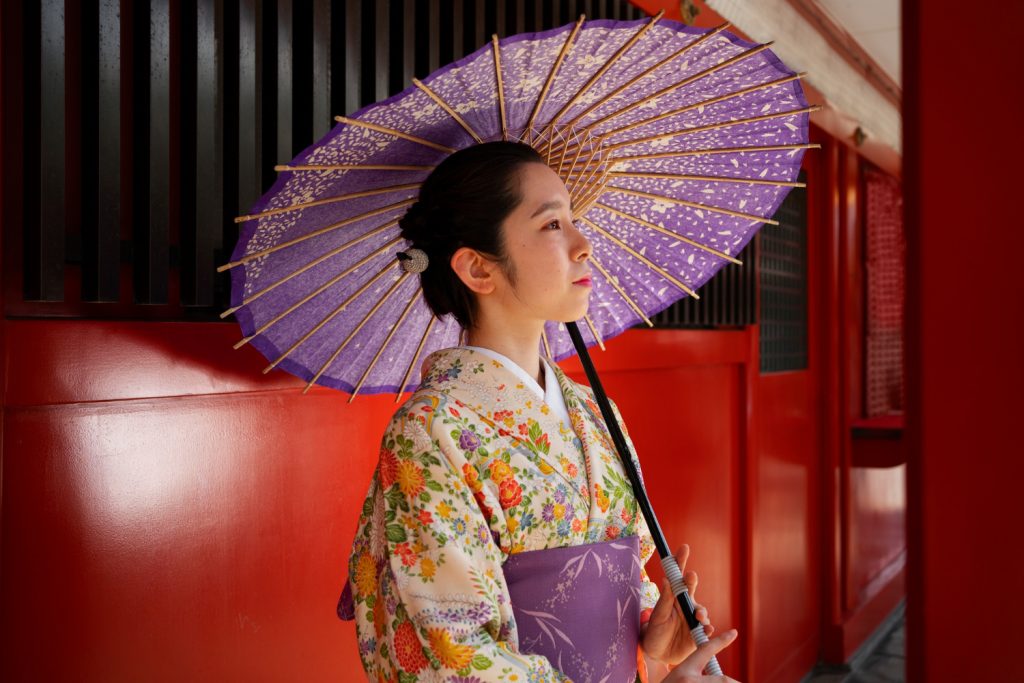
In Japan, the kimono serves as a prominent instance of symbolic attire. The designs and hues of a kimono can symbolize different themes, including seasons, celebrations, or individual achievements. In a like manner, the kente cloth in West Africa possesses profound symbolic significance. Every hue and design in the kente fabric represents a particular significance, like prosperity, knowledge, or tranquility.
Even in contemporary fashion, symbolic clothing plays a role. Political activists often use clothing as a form of protest. The black turtleneck, popularized by figures like Steve Jobs and artists of the Beat Generation, came to symbolize minimalism, creativity, and a rejection of excessive consumerism. In this way, clothing transcends its material form, becoming a symbol of ideas and ideologies.
Traditional Dress: A Link to Cultural Heritage
Traditional dress serves as a tangible link to cultural heritage, helping communities maintain a sense of identity and continuity. Across the globe, traditional attire varies widely, reflecting local customs, climate, and history. These garments often feature intricate craftsmanship, with techniques passed down through generations.
In China, the qipao or cheongsam is a traditional dress that has evolved over time while retaining its cultural significance. Originally worn during the Qing dynasty, it is now a symbol of Chinese heritage and elegance. Likewise, the Scottish kilt, with its distinctive tartan patterns, represents clan identity and regional pride.
Maintaining traditional attire is essential for upholding cultural identity, particularly in a globalized society where uniformity jeopardizes distinctive cultural expressions. Numerous communities actively encourage wearing traditional clothing during festivals and national holidays, helping younger generations stay linked to their heritage.
Personal Style and Cultural Identity
Personal style is an extension of cultural identity, shaped by a combination of individual preferences and cultural influences. While some people choose to adhere strictly to traditional styles, others blend elements from different cultures to create a unique look.
In multicultural societies, individual style frequently showcases a blend of cultural influences. For example, second-generation immigrants may integrate aspects of their heritage into their daily attire, merging it with modern styles. This fusion of styles not only establishes a varied fashion environment but also enables people to honor various facets of their identity.
Social media has played a significant role in the evolution of personal style, allowing individuals to showcase their fashion choices to a global audience. Influencers often draw inspiration from various cultures, creating new trends that further blur the lines between traditional and modern fashion. However, it’s important to approach cultural fashion with respect, ensuring that cultural elements are appreciated rather than appropriated.
Modern Fashion Movements and Cultural Identity
Modern fashion movements often emerge in response to societal changes, reflecting shifts in cultural identity and values. The rise of sustainable fashion, for example, reflects growing awareness about environmental issues and a desire to preserve cultural heritage through ethical practices.
Brands that prioritize sustainability often collaborate with local artisans to create garments that reflect traditional craftsmanship. This not only supports local communities but also helps preserve traditional art forms that might otherwise be lost. By wearing such clothing, consumers participate in a movement that values cultural diversity and environmental responsibility.
Another significant fashion trend is the embrace of body positivity and inclusivity. Designers are progressively crafting clothing for individuals of various shapes, sizes, and backgrounds, encouraging a broader understanding of beauty. This change signifies a wider cultural trend towards acceptance and diversity, enabling individuals to showcase their identity without adhering to conventional beauty norms.
Conclusion
Clothing goes beyond being a mere practical requirement; it serves as a potent medium for cultural expression, identity through fashion, and individual storytelling. From classic attire that upholds cultural traditions to contemporary styles that reshape self-expression, our clothing communicates much about our identity and origins.
As the world becomes increasingly interconnected, the significance of clothing in maintaining and celebrating cultural identity remains paramount. By understanding and respecting the cultural meanings behind different styles, we can foster greater appreciation for the rich tapestry of human expression. Whether through symbolic clothing, personal style, or traditional dress, our attire continues to be a vital part of the human experience, telling stories that words often cannot.