






Fashioning the Self: How Personal Style Shapes Identity
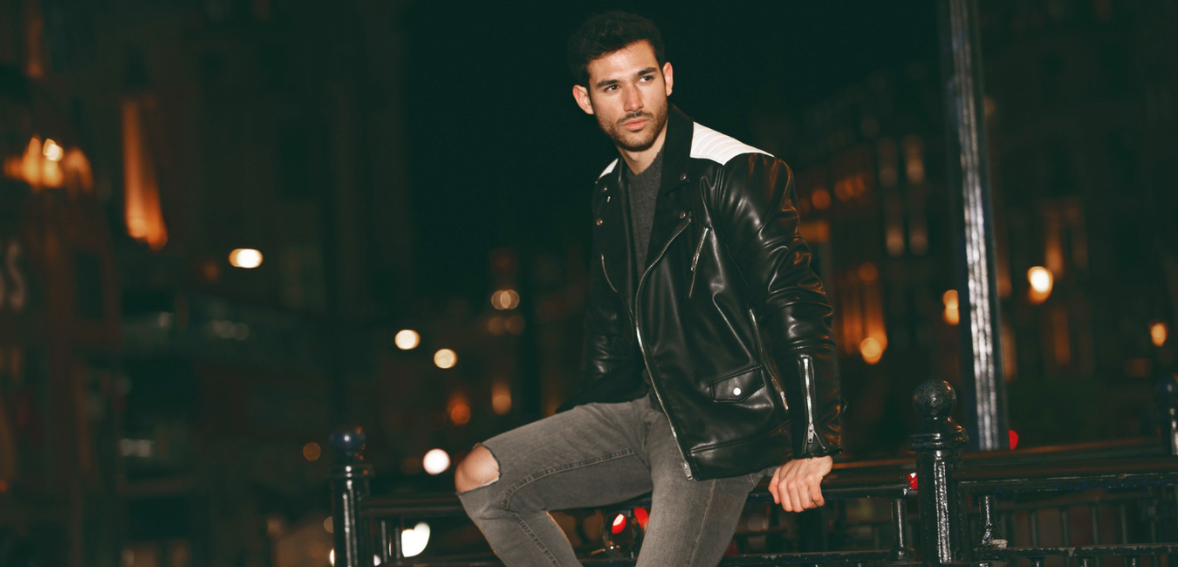
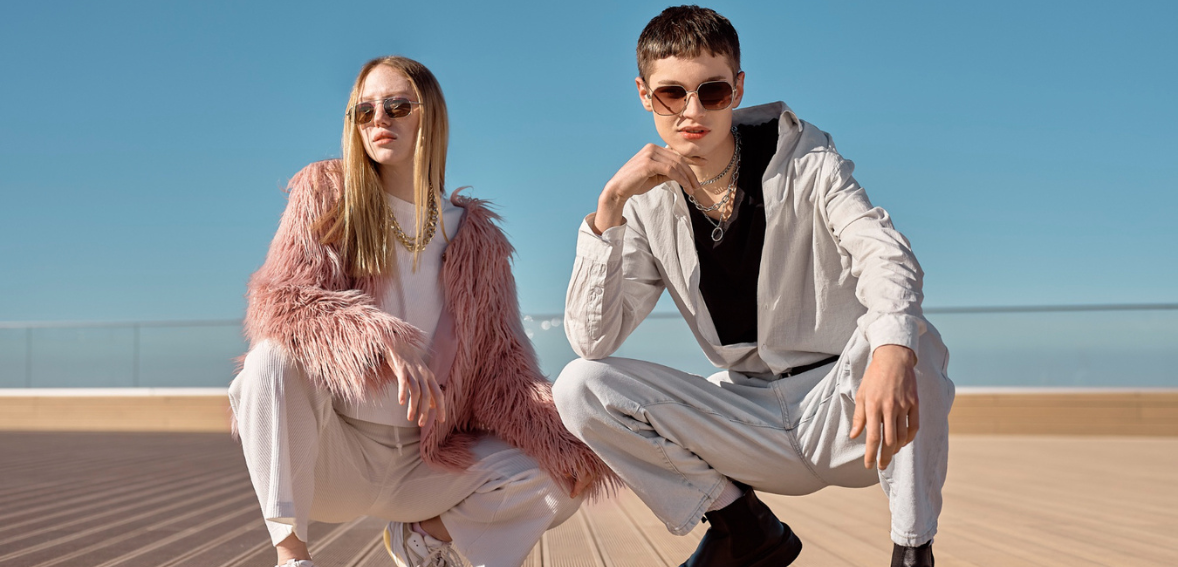
Our attire reveals a lot about our personalities. Our wardrobe choices often serve as our first impressions on others and, for many, are a major means of expressing who we are. Style is a reflection of who we are and how we want to be perceived, from the easygoing jeans-and-sneakers look to daring, avant-garde ensembles.
The concept of personal style identity originates from this relationship between attire and self-perception. In a society where outward appearances are highly valued, our clothing choices serve as instruments for self-definition. The relationship between style and self will be discussed in this article, along with how our wardrobe choices affect who we are and how other people see us.
The Psychological Roots of Style
Fashion has always been more than just fabric. At its core, it speaks to our emotions, our culture, our environment, and our sense of self. Psychology tells us that the way we dress affects our confidence, our behavior, and even how others respond to us. The act of selecting an outfit isn’t just about comfort or trend-following; it’s an unconscious dialogue with our identity.
This is where fashion and self-image begin to intertwine. How we see ourselves mentally often translates into what we choose to wear. Someone going through a transformative phase in life; say, a career change or a major personal milestone; may find themselves drawn to different styles than they previously wore. Our wardrobe becomes a canvas for personal change, a visual declaration of a new chapter.
Developing a Personal Style Identity
Developing a personal style identity takes time and doesn’t occur instantly. It’s the outcome of years filled with experimentation, mistakes, motivation, and exploration. For certain individuals, it begins in their youth; selecting preferred colors or being shaped by familial customs. For some, it develops through encounters with art, media, travel, or alternative cultures.
Personal style involves harmonizing one’s inner self with outward appearance. It focuses more on being genuine than on fashion guidelines. Some individuals might prefer minimalist neutrals due to their admiration for simplicity and clarity. Another could embrace bohemian patterns as they resonate with a sense of freedom and creativity. These decisions aren’t made randomly; they’re influenced by our experiences, values, and feelings of belonging.
Over time, this evolution helps form a clear and confident personal style identity, one that becomes recognizable and uniquely yours. Whether consciously or not, we use clothes to say something; about our mood, our values, and even our ambitions.
Fashion as Communication
Clothing is a form of non-verbal communication. Before we speak, we’re often seen. People form impressions of us based on what we’re wearing; whether it’s professional, edgy, elegant, casual, or experimental.
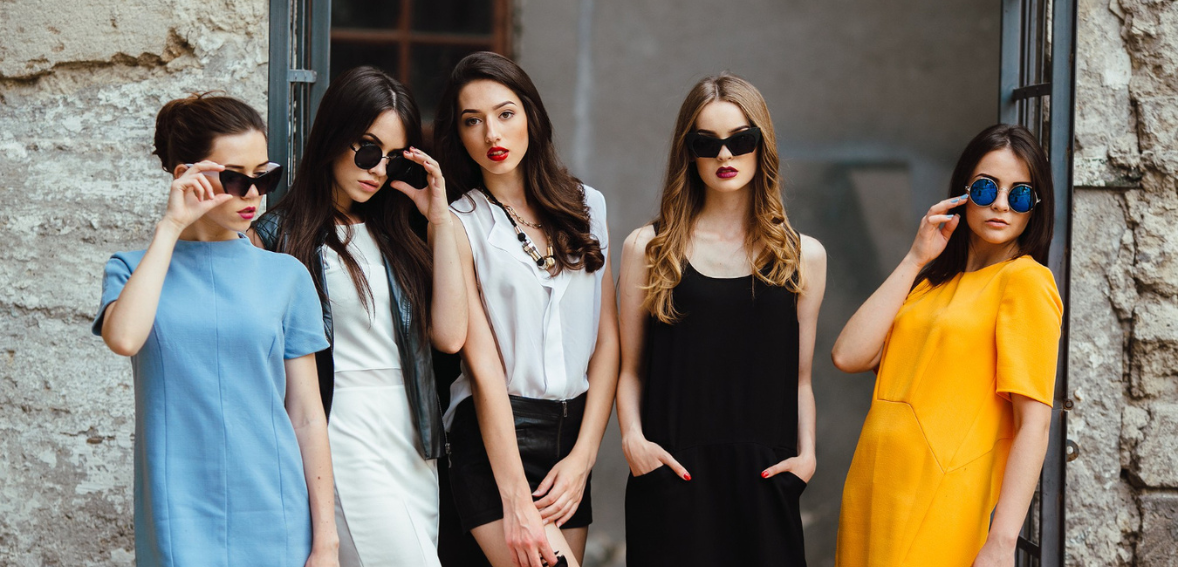
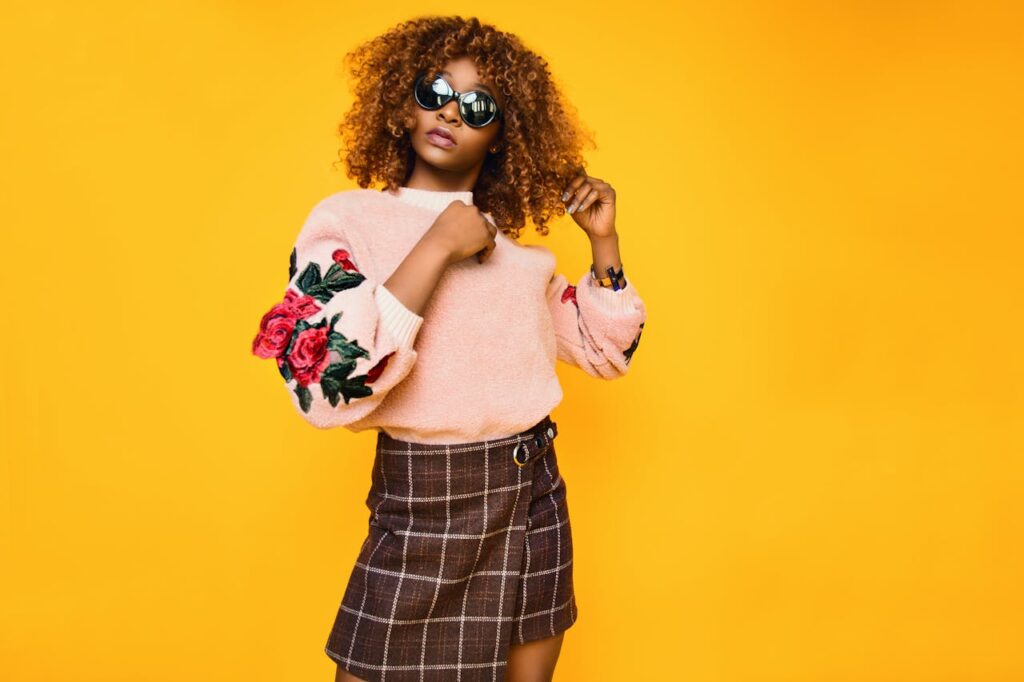
In this way, how clothes reflect personality becomes evident in daily life. Someone who dresses in tailored, clean silhouettes might come across as organized and focused. A person who wears bold prints and vibrant colors might seem more creative or spontaneous. These impressions aren’t always accurate, but they show how style becomes a language we all speak; whether we realize it or not.
Fashion allows us to choose what we project. Some days, we may want to blend in; other times, we might want to stand out. And in both cases, our clothing is the tool we use to navigate those desires. This ongoing process is central to fashion and self-image, shaping how we see ourselves in various social contexts.
The Role of Culture and Environment
Our environment plays a big role in shaping our personal style identity. Where we live, work, and socialize all influence what we wear and how we present ourselves. In metropolitan cities, style may be more experimental and fast-paced, influenced by streetwear, fashion shows, or high-end designers. In contrast, rural or smaller communities may lean toward practical, comfort-oriented clothing.
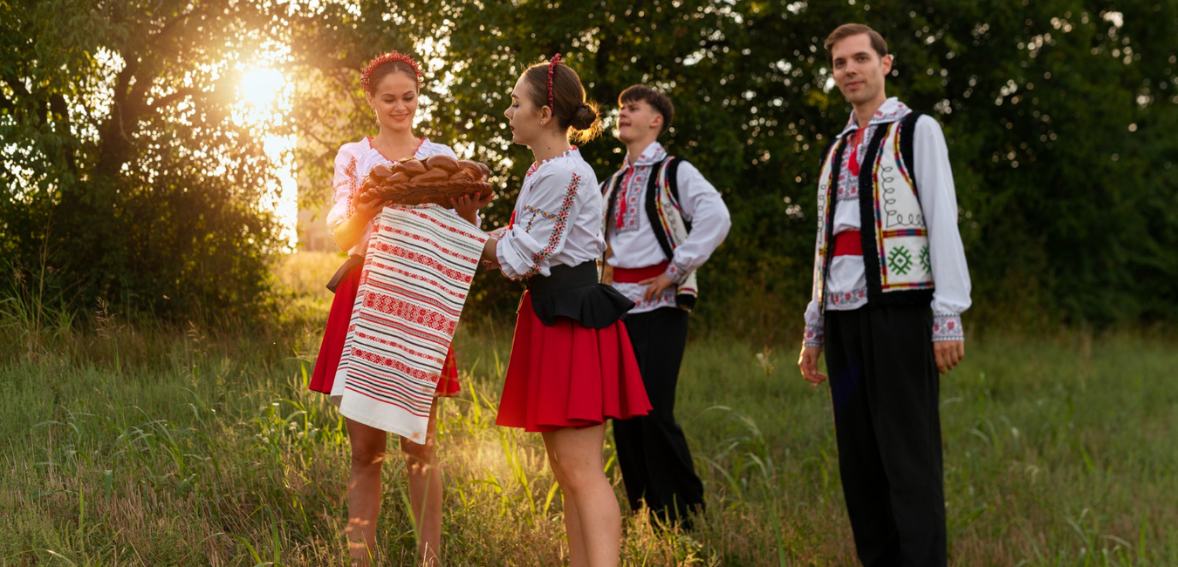
Cultural heritage also plays a major role. Traditional garments, family customs, or religious attire often intersect with personal style, helping to preserve identity while allowing for self-expression. Wearing a sari, a kimono, or a kente cloth isn’t just about aesthetics; it’s about honoring roots, telling stories, and affirming identity.
As we grow and move through different environments, our fashion choices evolve too. What we wore in high school may differ from what we wear in our careers. And yet, each phase adds to the richness of our fashion and self-image, contributing to a deeper understanding of how clothes reflect personality.
Clothing and Confidence
There’s an undeniable connection between clothing and confidence. Think about how it feels to wear your favorite outfit; the one that fits perfectly, matches your mood, and makes you feel powerful. That feeling isn’t just imagined. Studies have shown that what we wear can influence our posture, mindset, and even our productivity.
This psychological phenomenon, commonly known as “enclothed cognition,” indicates that clothing can impact cognitive functions. For instance, wearing a suit may empower a person with more authority, whereas sporting activewear could boost the desire to stay active. These responses are part of the broader interaction between style and self-perception.
When an individual creates a distinct personal style identity, their self-assurance often increases. Understanding what suits your body, lifestyle, and preferences simplifies and enhances the dressing experience. It transforms shopping into a deliberate activity instead of a game of chance. It additionally aids in strengthening a positive self-image, particularly when your external look corresponds with your internal beliefs.
Style as Rebellion or Belonging
For some, personal style is a form of rebellion. It’s a way of challenging norms, rejecting conformity, and asserting individuality. Subcultures throughout history; punk, goth, hip-hop, grunge; have all used fashion as a way to say, “This is who I am, and I won’t follow your rules.”
On the flip side, style can also serve as a means of belonging. Uniforms, dress codes, or shared aesthetics within communities can create a sense of connection and unity. Wearing certain brands or styles becomes a signal of group identity, whether in sports teams, fan communities, or professional networks.
This dual role between standing out and fitting in, adds complexity to how clothes reflect personality. We may shift our style depending on the setting. A person might dress differently for a music festival than they do for a job interview, not because they’re hiding who they are, but because they’re adapting different parts of their identity to suit the environment.
The Digital Era and Style Identity
In today’s digital world, our clothing choices are no longer limited to physical spaces. Social media platforms like Instagram, TikTok, and Pinterest have made fashion a daily performance. Style inspiration is everywhere, and people now curate their looks not just for real-life interactions, but for online audiences.
This has created new opportunities for self-expression, but also new pressures. With the rise of trends, influencers, and fast fashion, staying true to your personal style identity can be challenging. The constant cycle of what’s “in” and “out” can make people feel like they have to chase relevance rather than authenticity.
Still, many use social platforms to refine their aesthetic and document their fashion journey. Digital visibility has helped marginalized voices gain representation in fashion spaces and allowed people from all backgrounds to share how they use clothes to express identity.
The Power of Wardrobe Choices
Each morning, we choose what to put on. These decisions might appear minor, but gradually, they influence our self-perception and the way others view us. Building a wardrobe that showcases your identity isn’t about adhering to trends, it’s about tuning into your own desires.
When individuals begin to understand the link between fashion and self-image, they often become more deliberate in their decisions. They look for hues that elevate their spirits, styles that provide confidence, and materials that match their way of living. As time passes, this creates a wardrobe that is not only stocked with garments, but also with self-assurance.
Understanding how attire mirrors character can enhance self-awareness. Are you choosing your outfit to amaze others or to express your true self? Do you utilize fashion to convey liberation, power, gentleness, or defiance? When your attire reflects your true self, it turns into a daily source of strength.
Rediscovering Identity Through Style
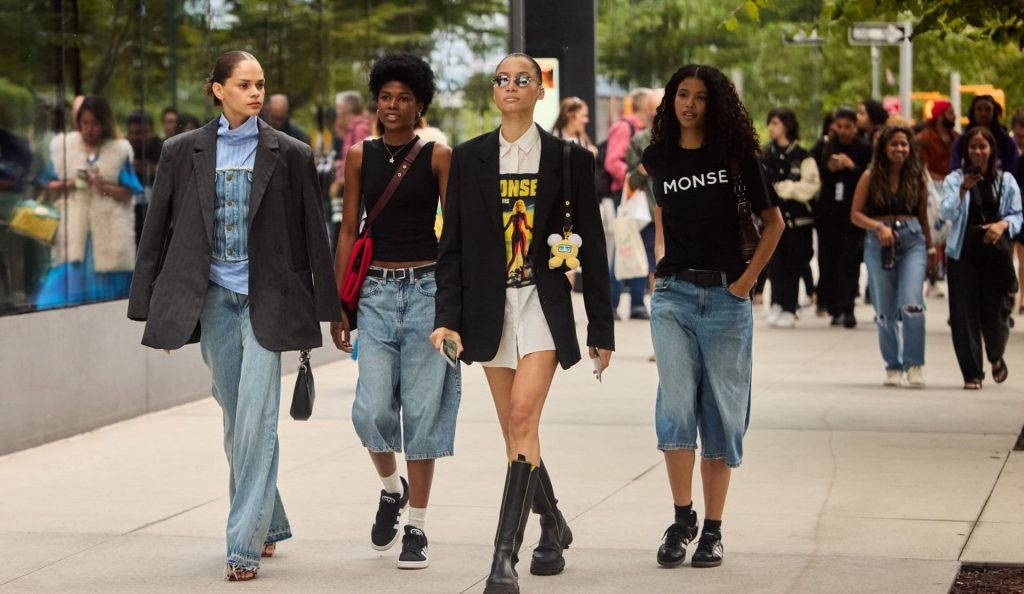
Style can be especially powerful during moments of transition. People often update their wardrobes after breakups, career changes, health milestones, or moves. These moments are about more than a new outfit, they’re about discovering a new version of the self.
Reclaiming or redefining your personal style identity can feel like hitting a reset button. It allows you to shed old layers, embrace new values, and step into the future with confidence. That’s why style makeovers, though often treated as surface-level, can be deeply transformative.
Fashion isn’t just decoration; it’s declaration. And learning to use it thoughtfully can open the door to personal growth and self-acceptance.
Conclusion
Fashion reflects reality. It represents not only our preferences but also our identity, history, and ambitions. As we traverse the intricacies of contemporary living, understanding our individual style identity aids us in remaining anchored to our true selves. Regardless of whether we opt to stand out, fit in, or completely transform ourselves, style provides us with the means to achieve this with clarity and assurance.
The connection between fashion and self-perception is constantly changing. Our attire evolves as we evolve, and that’s a positive aspect. What is most important is that our style feels authentic. Ultimately, the way clothes express personality is not concerned with others’ views; it’s about the feelings they invoke in us and the individuals we transform into while wearing them.