





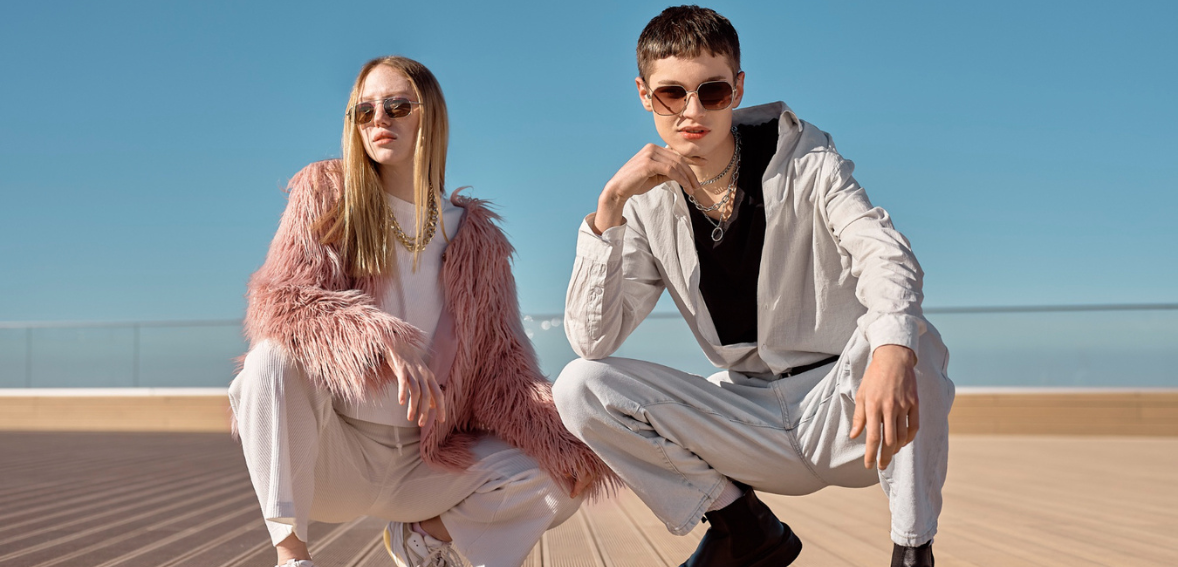

The Fashion Psychology Behind Style: How Clothing Influences Self-Esteem
Fashion is about how we feel, not just about clothes and trends. The clothes we wear have a significant influence on how we see ourselves and are seen by others, whether we are dressing to impress for a crucial meeting or selecting comfortable loungewear. Experts refer to this relationship between our clothing choices and self-perception as fashion psychology.
Understanding Fashion Psychology
Fashion psychology is a growing field that examines how clothing affects our thoughts, emotions, and behavior. It’s not just about fashion trends; it’s about the psychological processes behind why we wear what we wear and how those choices influence our daily lives.
The idea is simple: clothes are more than just a physical covering. They act as an extension of our identity. Studies show that the right outfit can increase focus, reduce stress, and even change how we interact with others. In other words, fashion has the power to shape our mental state.
The Link Between Clothing and Confidence
We’ve all experienced that boost of confidence from wearing an outfit that makes us feel powerful, attractive, or in control. This isn’t just in our heads, it’s backed by science.
This phenomenon is known as “enclothed cognition” by researchers. Accordingly, the symbolic meaning of the clothing we wear can affect psychological processes. For example, wearing a lab coat can improve performance on attention-demanding tasks. Likewise, when we dress in ways that reflect success or professionalism, we are more likely to act in ways that support that perception.
In everyday life, clothing and confidence go hand in hand. The moment you put on an outfit you feel good in, your posture improves, you smile more, and you carry yourself differently. That’s the real-world evidence of how fashion directly feeds into self-esteem.
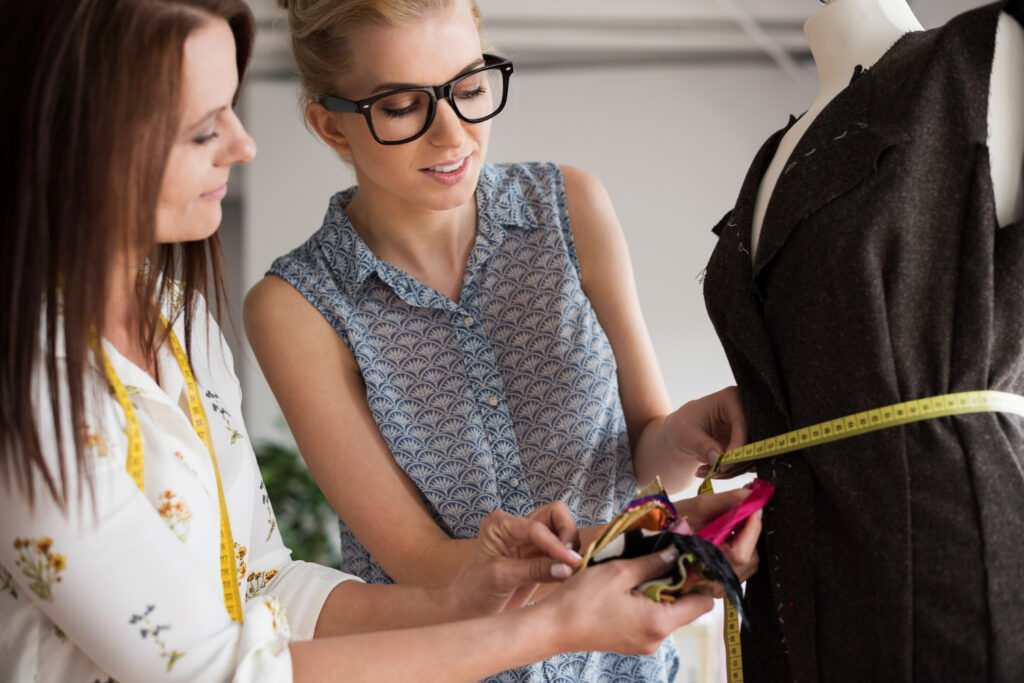
Style as a Form of Self-Expression
What we choose to wear is a personal statement. Whether consciously or unconsciously, our style communicates aspects of who we are; our mood, our values, even our aspirations. That’s why self-esteem and style are so deeply intertwined.
When people are confident in their style, they often show higher levels of self-worth. They feel seen and validated not just by others, but by themselves. Conversely, dressing in a way that doesn’t align with one’s personality or lifestyle can lead to discomfort and insecurity.
This self-expression isn’t about following trends. In fact, many people feel most confident when they dress in ways that reflect their individuality. Personal style, when nurtured authentically, can be a powerful tool for building long-term self-esteem.
The Impact of Social Perception
A crucial aspect of fashion psychology is the way others view us according to our clothing choices. Initial impressions are typically made in just seconds, with clothing having a significant influence on them. But here’s the catch: it’s not solely about others’ opinions; it’s about our perceptions of their opinions.
This perceived social feedback loops back into our self-image. If we believe that we are being viewed positively, our behavior changes to match that expectation. We smile more, engage more confidently, and perform better socially.
Thus, clothing and confidence are linked not just in a personal sense, but also socially. Style becomes both a mirror and a message.
Clothing and Mental Health
Clothing choices can even influence mental health. For individuals dealing with anxiety or depression, getting dressed in a way that makes them feel put-together can serve as a coping mechanism or a small act of self-care.
Wearing bright colors, structured outfits, or clothes with sentimental value can all contribute to a more positive mood. That’s why therapists and stylists alike often recommend “dressing up” even when staying at home, it helps shift the mental state from apathy to action.
This connection between self-esteem and style reveals how powerful fashion can be in emotional healing and self-care routines.
Dress Codes and Self-Image in Professional Settings
The workplace is a prime example of how attire can influence behavior and perception. Uniforms and dress codes exist for a reason, they’re designed to foster a certain mindset and culture.
In work environments, following or questioning these norms can significantly influence a person’s identity and self-assurance. Some find strength in business attire; others feel constrained. In any case, the impact of attire on an individual’s self-perception in such settings cannot be overlooked.
Fashion psychology suggests that allowing a degree of personal expression within professional guidelines can enhance productivity, creativity, and morale.
Gender, Clothing, and Confidence
Societal norms have long dictated how people of different genders should dress. Breaking away from these expectations can be both liberating and challenging.
For women, power dressing like wearing blazers, heels, or bold colors can be a form of empowerment in traditionally male-dominated spaces. For men, expressing vulnerability through softer fabrics or colorful patterns can challenge stereotypes and foster authenticity.
Non-binary and gender-nonconforming individuals often find clothing a critical part of identity affirmation. When style aligns with internal identity, self-esteem and style begin to strengthen one another.
Ultimately, clothing should be about empowerment for all, no matter the gender.
The Role of Color and Fabric
Color theory and texture significantly influence fashion psychology. Bright hues such as red and orange can energize and evoke assurance. Cool hues such as blue and green promote tranquility and convey reliability. Meanwhile, soft materials such as cotton can provide comfort, whereas leather or denim might convey a sense of strength and durability.
Understanding how these elements affect mood can help people make more intentional wardrobe choices that uplift and support their self-worth.
How Social Media Shapes Style and Self-Esteem
In the age of Instagram and TikTok, style is no longer just a personal matter, it’s public. This adds a layer of pressure and visibility to fashion choices.
While sharing outfits online can be fun and validating, it can also lead to comparisons, unrealistic standards, and even fashion fatigue. Still, many find that curating a personal style presence on social platforms boosts their confidence and opens up communities of like-minded individuals.
Striking a balance is key. Style should remain a source of joy and self-expression rather than a performance for validation.
The Science of Dressing for Success
You’ve likely come across the saying “dress for the job you aspire to,” and there is genuine research supporting this idea. When we dress purposefully, selecting clothing that makes us feel competent, smart, and inspired, we typically excel more. There is a clear connection between apparel and self-assurance.
Students who dress well for exams, professionals who prepare their outfits before meetings, and athletes who wear their “winning gear” are all examples of how clothing primes the brain for success.
This doesn’t mean expensive or trendy; just thoughtful and purposeful.
Building a Wardrobe That Supports Your Self-Esteem
Creating a wardrobe that nurtures confidence involves understanding what works for you; not just in terms of fit or trend, but emotionally. What makes you feel comfortable? What colors lift your mood? Which outfits bring compliments or help you stand taller?
When your closet is filled with pieces that reflect your personality and values, you eliminate the daily stress of decision-making and foster an environment of self-respect.
This mindful approach to dressing is at the heart of fashion psychology, where style becomes a form of daily self-affirmation.
Cultural and Personal Influences on Style
Our clothing choices are also shaped by culture, upbringing, and environment. Traditional attire, religious garments, or family influences can all affect how we dress, and how we feel when we do.
Clothing can serve as a potent source of pride and identity when it connects you to your roots. Conversely, insecurity or exclusion can result from trying to conform to a dominant style norm.
Fashion becomes most powerful when it celebrates diversity and authenticity. That’s when self-esteem and style flourish together.
Dressing for Different Life Stages
Our relationship with clothing evolves with time. What we wore in college may no longer suit us in our 30s or 40s. As our bodies, roles, and routines change, so does our sense of style.
This evolution can either support or challenge self-esteem. Embracing these changes, rather than resisting them, is key. Developing a flexible, age-appropriate wardrobe that feels current but comfortable allows confidence to grow with you.
Remember, fashion psychology isn’t about chasing youth; it’s about embracing who you are at every stage of life.
Conclusion
The next time you reach for a favorite shirt or hesitate over an outfit choice, remember; your clothing isn’t just about looks. It’s a tool, a mood booster, and sometimes, even a shield. By being mindful of how style affects your inner world, you empower yourself to make choices that lift you up.
What you wear is important whether you’re starting a new job, going on a date, or just working from home. You can navigate life with greater confidence, joy, and control over your own story if you understand the science behind clothes and confidence.