









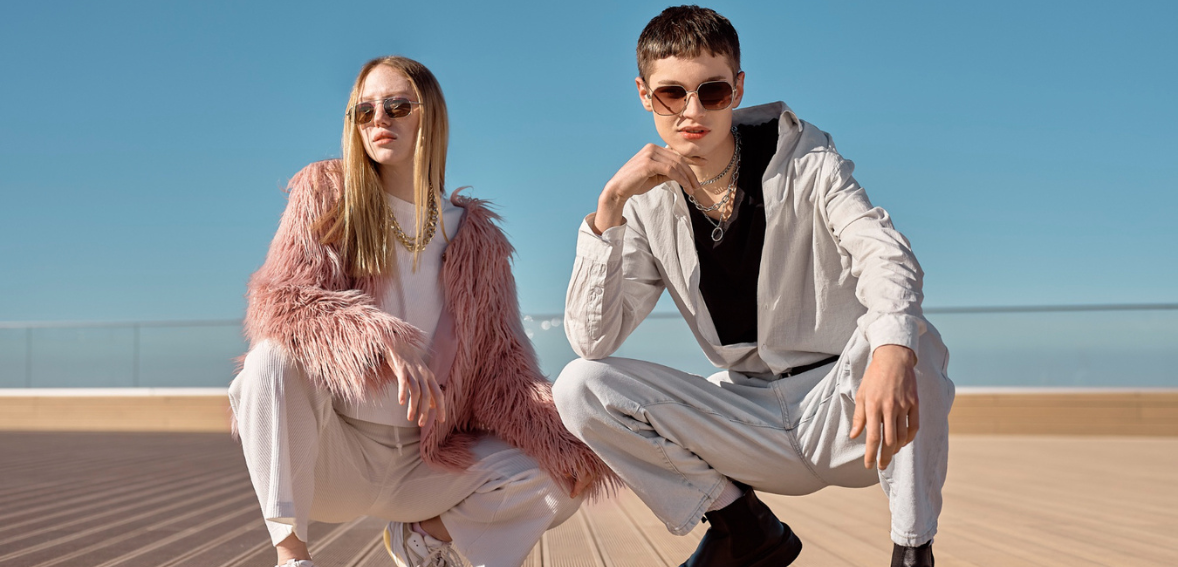

Fast Fashion vs. Inclusive Design: Can They Coexist?
Fast fashion has changed the way we shop. Affordable, on trend and instant, this model of clothing production delivers new designs to the market at lightning speed. Brands are releasing new collections weekly and consumers are lured by the low prices and the ability to update their wardrobes frequently. This model feeds on immediacy and mass appeal and offers a wide range of styles for those who want variety.
But the fast fashion problems that come with this convenience are huge. The industry is built on a cycle of overproduction, disposable clothing and exploitative labour practices. Environmental issues include textile waste, water usage and pollution. Most garments are made from synthetic materials that don’t break down. Socially the pressure to produce fast and cheap leads to poor working conditions for garment workers globally.
While fast fashion responds to consumer demand for novelty and low cost, it often overlooks important values like inclusivity, ethical sourcing, and long-term wearability. As public awareness grows, many people are beginning to question whether this model can evolve to support a more inclusive design and ethical fashion landscape; or if its very speed and scale are inherently at odds with those goals.
What Inclusive Design Really Means in Fashion
Inclusive fashion is not just about plus size or unisex. It’s a bigger philosophy that’s about clothing for all body types, abilities, genders and backgrounds. It recognises that the traditional standards of beauty and fit in fashion have excluded a huge chunk of society for too long. Slow fashion inclusive aims to break that pattern.
True inclusive design considers mobility challenges, sensory sensitivities, cultural needs and gender identity. Features like magnetic closures, adjustable hems and seamless construction aren’t afterthoughts but intentional design choices. Clothing becomes a tool for empowerment, so people can feel comfortable, respected and seen in their daily lives.
Unfortunately mainstream fast fashion doesn’t address these needs because of its fast production cycles and standard sizing. Inclusive design takes time, research and feedback from diverse groups – things that don’t fit into a high speed low cost model. But more and more designers and small brands are proving that prioritising inclusivity leads to loyal customers and long term brand value even if growth is slower.
Why Fast Fashion and Inclusivity Clash
The underlying conflict between fast fashion and inclusive design comes down to values and priorities. Fast fashion thrives on mass appeal and quick turnarounds, often relying on templated designs and standard sizing. This leaves little room for customization, innovation, or feedback-driven development. Inclusive design, on the other hand, demands a deliberate, people-first approach. It calls for garments to be adaptable, functional, and accessible to those whose needs are rarely represented in mainstream collections.
When inclusivity is approached in a rushed, surface-level way, it can result in token gestures; adding a few extended sizes or rebranding existing lines without rethinking the actual design. This not only misses the point but also risks alienating the very audiences it intends to welcome. The core fast fashion problems of overproduction and limited personalization make it difficult to serve niche or underrepresented consumer needs with genuine care.
Additionally, the pricing pressure in fast fashion discourages the use of quality materials or specialized design features, both of which are critical in creating inclusive and adaptive garments. Without a shift in mindset, the two approaches seem incompatible. For coexistence to be possible, fast fashion would need to embrace slower, more intentional practices; something that fundamentally challenges its business model.
The Rise of Ethical Adaptive Clothing
One promising and meaningful response to the limitations of fast fashion is the rise of ethical adaptive clothing. This growing niche redefines fashion by prioritizing not just aesthetics, but functionality and inclusivity; especially for individuals with disabilities, chronic illnesses, and age-related mobility challenges. Adaptive clothing includes features such as Velcro fastenings, magnetic closures, side openings, sensory-friendly fabrics, and seated fits, all designed to support ease, independence, and dignity in daily life.
What sets these brands apart from fast fashion is their deep commitment to real-life utility. Rather than chasing fleeting trends, ethical adaptive brands collaborate closely with users to understand their unique needs and pain points. This user-centered approach leads to thoughtful, purpose-driven designs that solve everyday challenges. Production is often done in smaller, more controlled batches, under ethical labor practices, which aligns with the values of slow, inclusive fashion and counters the wastefulness of mass-produced garments.
Sustainability is another key pillar. These brands often prioritize eco-friendly materials, such as organic cotton or recycled fibers, and maintain transparent supply chains to minimize environmental impact. By focusing on quality over quantity, they create garments built to last; both in wear and relevance.
As the call for inclusivity, sustainability, and ethics in fashion grows louder, adaptive clothing brands are setting a powerful example. They demonstrate how fashion can be functional, stylish, and compassionate; offering a vision of the industry that values people and the planet over profit and speed. In doing so, they challenge fast fashion to evolve for a more inclusive and responsible future.

Can Technology Bridge the Gap?
While fast fashion and inclusive design currently seem like opposites, technology could potentially offer ways to bring them closer. Innovations like 3D body scanning, AI-driven style prediction, and on-demand production are changing how fashion can be created. These tools can reduce the reliance on standard sizing and allow for garments that adapt to individual needs; even in a faster production cycle.
Virtual fitting rooms and customization platforms also offer possibilities for a more inclusive shopping experience without sacrificing convenience. If used responsibly, technology could make it easier for large brands to cater to diverse bodies without overproducing or compromising quality. For instance, customers could select sleeve length, fit type, or closure preferences while ordering, and garments could be produced only when purchased.
However, for these solutions to work, the intent behind them must be rooted in the principles of ethical adaptive clothing and not just efficiency. Technology should be used to serve the user, not just the bottom line. Only then can it help shift fast fashion toward a model that embraces the values of slow inclusive fashion while retaining some of its accessibility and reach.
Social Pressure and the Power of Consumer Demand
Consumers are getting louder and fashion brands are listening. Social media allows us to hold brands accountable and demand more transparency around how clothes are made, who makes them and who they serve. Hashtags and viral campaigns around inclusivity, sustainability and representation are forcing independent designers and big fashion houses to rethink their approach.
As more consumers become aware of fast fashion issues they are choosing brands that align with their values. They are willing to invest in quality over quantity even if that means buying less often. This is where slow inclusive fashion gains traction. It’s for people who want their clothes to reflect not only their style but their principles.
Secondhand shopping, upcycling and rental fashion is further proof that the definition of “new” is changing. People are realising that ethical doesn’t have to mean ugly or boring. If this trend continues fast fashion will have to adapt to the changing expectations of a more conscious public.
Lessons from Brands Trying to Do Both
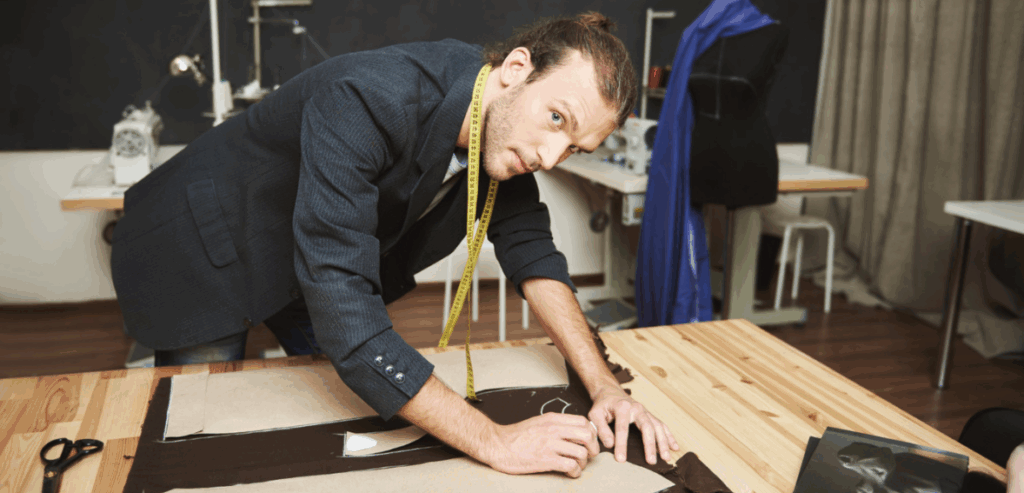
Some fashion brands are experimenting with hybrid models that aim to combine elements of fast and inclusive fashion. These companies produce frequent collections but incorporate inclusive sizing, ethically sourced materials, and user-informed design. While it’s a tough balance to strike, it shows that coexistence may be possible with enough commitment.
For example, some large retailers now collaborate with adaptive wear designers or launch inclusive lines alongside their main offerings. These initiatives typically receive strong positive feedback but also expose the challenges of scaling inclusivity without diluting it. Brands must maintain authenticity and ensure that inclusive collections are not treated as side projects but integrated into their core identity.
The success of these models depends on listening, transparency, and continual improvement. It requires rethinking traditional timelines, margins, and manufacturing processes. By treating inclusion as an ongoing practice rather than a one-off campaign, brands can begin to chip away at the limitations of the fast fashion model while serving wider and more diverse audiences with real impact.
The Psychological Toll of Exclusion in Fashion
One aspect of the debate that is often overlooked is the emotional impact of exclusion in clothing. When people cannot find garments that fit their body, accommodate their needs, or express their identity, it leads to a sense of invisibility. Clothing is more than fabric; it’s tied to dignity, confidence, and self-expression. The lack of inclusive options in mainstream fashion contributes to body image issues, alienation, and even social anxiety.
For individuals with disabilities, chronic illnesses, or non-binary identities, this exclusion can feel constant. Finding ethical adaptive clothing that meets their needs is often difficult and expensive, and fast fashion rarely provides an alternative. This is why slow inclusive fashion is so crucial; it validates every body and life experience, reinforcing the idea that everyone deserves to feel seen and valued through what they wear.
The fashion industry has the power to uplift or diminish people based on its choices. By broadening definitions of beauty and functionality, and removing barriers to access, clothing can become a source of empowerment. As conversations around mental health and inclusivity grow, so too should the pressure on fashion brands to meet people where they are; not just physically, but emotionally as well.
The Cost Factor: Affordability and Access
One of the biggest arguments in favor of fast fashion is affordability. For many people, especially those in low-income communities, cheap clothing is not a choice but a necessity. This makes the call for ethical or inclusive fashion more complex. If inclusive design is only available at premium prices, it risks becoming another form of exclusion.
This is where innovation and public support become important. Subsidizing ethical manufacturing, supporting inclusive fashion startups, or creating open-source adaptive design templates can help level the playing field. The goal should be to make ethical adaptive clothing accessible to those who need it most, without relying solely on luxury branding or niche markets.
The industry must also address how to scale inclusive design economically. While slow inclusive fashion may never match fast fashion’s speed, it can explore ways to streamline production, reduce waste, and share resources to keep costs reasonable. Collaboration among designers, nonprofits, and tech companies could help bring adaptive and inclusive designs to the mainstream without making them cost-prohibitive.
Moving Forward: Toward a More Inclusive Future in Fashion
Merging fast fashion with inclusive design is tough, but not impossible. It requires both industries and consumers to think differently about value, speed and purpose. Inclusivity can’t be an afterthought. It has to be baked into design, production, marketing and customer engagement from the start.
Progress won’t be overnight. But as fast fashion problems become more mainstream and slow inclusive fashion and ethical adaptive clothing continues to grow in demand, there’s an opportunity to remake the industry. Brands that can move beyond profit first thinking and get these values will earn trust, loyalty and long term success.
For coexistence to work fast fashion has to slow down where it matters and speed up where it can make a difference – like using tech to personalise at scale or reducing waste through smart inventory systems. Inclusive fashion has to keep advocating for those who have been excluded and never lose sight of the person behind every garment. Maybe they can find common ground.