











Shopping for All: Making E-Commerce More Inclusive
E-commerce has changed the way we shop, with convenience, choice and the ability to shop from anywhere in the world. But for many shoppers, the online experience is far from equal. People with disabilities, different body types or specific clothing needs face challenges that standard online stores overlook. Making online shopping more inclusive isn’t just about accessibility – it’s about creating an environment where every customer feels welcome and valued. That means inclusive fashion websites, adaptive clothing online and a user experience that supports all kinds of shoppers.
As technology advances, brands have more opportunities than ever to make their online platforms accessible and inclusive. From better website navigation to clothing that addresses different physical needs, inclusivity can be built into every stage of the e-commerce journey. By focusing on accessible fashion UX, retailers can reach more customers, increase customer loyalty and show they really get their diverse customers. Inclusivity isn’t a marketing trend – it’s the future of online shopping.
Why Inclusivity Matters in E-Commerce
The fashion industry has traditionally catered to narrow definitions of style, size, and ability. However, the growing awareness around inclusivity has pushed both physical and online stores to rethink their approach. In e-commerce, inclusivity is about more than offering a wide range of products; it is about ensuring that everyone can access, browse, and purchase those products with ease. A lack of inclusive design can alienate potential customers, leaving them frustrated or excluded.
Inclusive fashion websites are built with the understanding that customers come from diverse backgrounds and have different needs. They go beyond aesthetic variety to address functionality and usability. For instance, a shopper with a visual impairment may need screen-reader compatibility, while someone searching for adaptive clothing online may require clear size charts and detailed product descriptions. By prioritizing inclusivity, brands not only meet ethical standards but also tap into an underserved market, creating opportunities for growth and community impact.
The Rise of Inclusive Fashion Websites
In recent years, a number of brands have taken steps to make their platforms more welcoming and functional for everyone. Inclusive fashion websites recognize that representation matters; not just in the clothing offered, but also in the models chosen, the language used, and the accessibility features integrated into the site. Offering size ranges that go beyond the standard spectrum, showcasing models of different abilities, and providing filters for adaptive styles are just some ways inclusivity comes to life online.
These websites also consider the technical side of accessibility. This means designing layouts that are easy to navigate, ensuring color contrast is sufficient for readability, and avoiding overly complex menus that may be challenging for some users. The best inclusive fashion websites are those where the shopping experience feels equally smooth and empowering for every customer, regardless of their physical abilities or style needs.
Adaptive Clothing Online: Expanding Access to Functional Fashion
Adaptive clothing is clothing for people with disabilities, mobility limitations or medical needs. It may have magnetic closures instead of buttons, side open designs for wheelchair users or adjustable hems for different body proportions. Offering adaptive clothing online opens up a world of choice for customers who can’t get to physical stores.
The key to selling adaptive clothing online is product information and visuals. Customers need to see how the clothing works, which means multiple images and videos of the garment in use. Size guides need to be precise and descriptions need to explain the adaptive features. By making adaptive clothing online more visible and shoppable, brands can fill a gap in the fashion market and give customers confidence to shop.
The Role of Accessible Fashion UX
User experience design plays a crucial role in making e-commerce more inclusive, particularly in the fashion industry where visual appeal and ease of navigation are key. Accessible fashion UX ensures that every visitor; regardless of ability; can browse, understand, and complete a purchase without facing unnecessary barriers. This includes technical considerations such as optimizing sites for screen readers, providing descriptive alt text for all product images, and ensuring that interactive elements like buttons, drop-down menus, and sliders are large enough and easy to operate for people with limited mobility.
Accessibility also extends beyond physical and technical needs to include cognitive accessibility. This means creating a website experience that is easy to understand for users with learning differences, attention disorders, or memory challenges. Clear layouts, logical and consistent navigation, and concise, jargon-free language help reduce cognitive load and make shopping more intuitive.
By investing in accessible fashion UX, brands do more than meet legal and industry accessibility standards; they demonstrate a genuine commitment to their customers. This not only broadens their potential audience but also fosters trust and loyalty. An inclusive design approach creates an online shopping environment where every shopper feels welcome, valued, and empowered to engage with the brand.
Representation in Visuals and Marketing
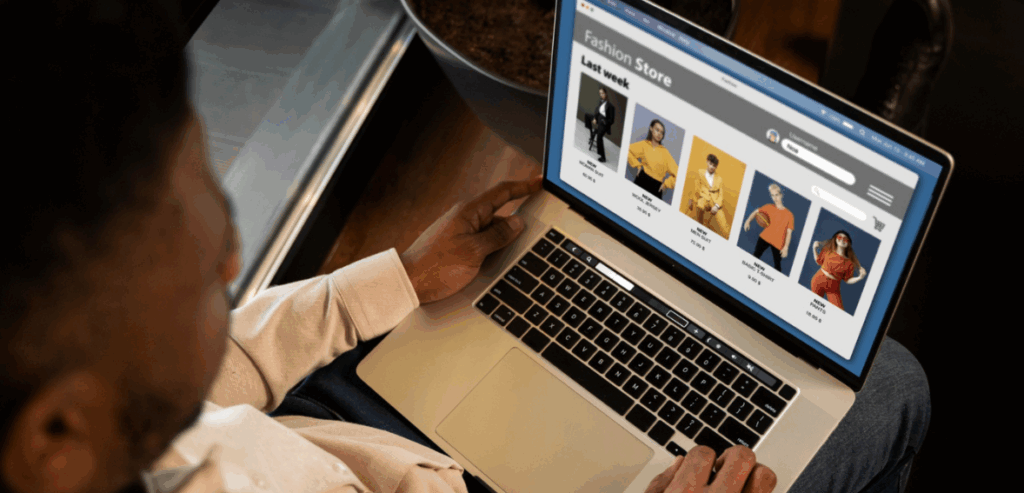
One of the most visible ways to create inclusive fashion websites is through representation in imagery and marketing campaigns. Featuring models of different body sizes, ethnicities, genders, and abilities helps customers see themselves reflected in the brand. For shoppers seeking adaptive clothing online, seeing garments worn by people who actually use adaptive apparel can make a huge difference in understanding fit and function.
Representation also builds trust. When customers feel seen and acknowledged, they are more likely to return to a brand that aligns with their values. In this way, representation is not only a moral choice but also a smart business decision. Marketing that reflects the diversity of real customers sends a clear message: this brand is for everyone.
Language and Communication in Inclusive Shopping
Words matter in e-commerce. From product descriptions to customer service interactions, the language used can either invite or exclude shoppers. Inclusive fashion sites use language that is respectful, descriptive and assumption free. For example describing clothing by style and function rather than assuming who it’s for means more people feel included.
In adaptive clothing online clarity is key. Descriptions should focus on how it works, who it’s for and what makes it different. And in accessible fashion UX, error messages, instructions and checkout prompts should be written in plain language so the shopping process is easy for all users.
Technology’s Role in Driving Accessibility
Technology has made it possible to create online shopping experiences that are truly inclusive. From AI-powered search tools that help customers find exactly what they need to virtual try-on features that show how clothes will look on different body types, innovation is helping bridge accessibility gaps. Some inclusive fashion websites use customization tools that allow shoppers to adjust clothing styles to their preferences, while others integrate accessibility plug-ins that let users modify the interface for better readability.
In accessible fashion UX, technology also enables smoother navigation through voice search, keyboard-only browsing, and customizable display settings. By adopting these innovations, e-commerce platforms can make online shopping easier and more enjoyable for people with varying needs and abilities.
Building Trust Through Customer Feedback
An inclusive e-commerce strategy is not static; it requires ongoing improvement based on real customer feedback. Inclusive fashion websites that actively seek input from shoppers can better understand what is working and where barriers still exist. Surveys, review sections, and focus groups can reveal whether adaptive clothing online offerings are meeting expectations or if certain aspects of accessible fashion UX need fine-tuning.
When customers see that their suggestions lead to tangible changes, they feel valued and respected. This trust encourages repeat purchases and positive word-of-mouth marketing, further expanding a brand’s reach and impact. Inclusivity, therefore, becomes an evolving process, shaped by the voices of the very people it aims to serve.
The Business Case for Inclusive E-Commerce
Inclusivity is a moral imperative but it’s also good business. Serving a wider audience means more market, more customer loyalty and a better brand reputation. Adaptive clothing online addresses a big and often overlooked market and accessible fashion UX means no customer is lost due to avoidable design barriers.
Research has shown customers will support brands that align with their values. When customers see inclusive fashion websites making a genuine effort to cater to diverse needs they will choose those brands over competitors. In the long term inclusivity can be a powerful driver of growth.

Challenges and Opportunities Ahead
Creating a truly inclusive online shopping environment is not without challenges. It requires investment in technology, thoughtful design, and a willingness to listen to and act on customer feedback. Brands must also navigate the balance between offering variety and maintaining clear, easy-to-navigate product categories.
However, these challenges also present opportunities for innovation. By leading in the areas of adaptive clothing online, inclusive fashion websites, and accessible fashion UX, brands can set new industry standards and inspire others to follow suit. The future of e-commerce lies in its ability to serve all customers equally and with respect.
Training Teams for Inclusive E-Commerce
While technology and design are key to an inclusive fashion website, the people behind the platform are just as important. Staff members – from web developers to customer service agents – need to understand the principles of inclusivity and how they apply to online retail. Training teams to recognise the needs of customers who use adaptive clothing online or need a well structured accessible fashion UX means the commitment to inclusivity is consistent across all touchpoints.
This training can include accessibility guidelines, empathy based customer service practices and technical knowledge for maintaining accessible site features. For example developers can learn how to code alt text for product images, customer service teams can be trained to support customers who use assistive technologies. By embedding inclusivity into company culture brands ensure accessibility is not an afterthought but part of the standard operating procedure. Well informed teams are better equipped to spot gaps in the customer journey and suggest improvements, so the platform evolves with customer needs.
Global Perspectives on Accessibility in Fashion Retail
E-commerce operates on a global scale, which means inclusivity should account for cultural, linguistic, and regional differences. Inclusive fashion websites that cater to international audiences must consider how accessibility standards and expectations vary from one country to another. For instance, certain regions may have specific regulations for accessible websites, while others might place greater emphasis on language translation or localized product descriptions.
When selling adaptive clothing online to global customers, brands must ensure size charts, product features, and accessible fashion UX elements are clear and adaptable for different markets. This might include offering currency conversion, multilingual support, and images that reflect cultural norms without losing the core message of inclusivity. Understanding and respecting these differences allows fashion retailers to create shopping experiences that feel personal and welcoming no matter where the customer is located. By adopting a global approach, brands expand their reach, strengthen their reputation, and demonstrate a genuine commitment to making fashion accessible to all.
Conclusion
Being inclusive in e-commerce isn’t a one off, it’s an ongoing commitment to accessibility, representation and customer centric design. By having inclusive fashion websites, offering adaptive clothing online and an accessible fashion UX brands can create a shopping experience that welcomes everyone. This benefits both customers and business, trust, loyalty and long term growth. Inclusion in e-commerce means more than just adding more products, it means building a platform where every visitor feels seen, heard and empowered to shop with confidence. As the digital shopping landscape continues to change the brands that put inclusivity first will be the ones that thrive in a global market.