






Festivals and Fashion: How Celebrations Influence Wardrobe Choices Globally
Festivals are not merely cultural or religious occasions; they are magnificent displays that unite individuals in joyful celebration. Around the world, various cultures celebrate festive events with intricate customs, music, and, importantly, style. Festive clothing is important for showcasing heritage, identity, and social standing. These festivities influence fashion trends, affecting what individuals choose to wear during and after the celebrations. Fashion at these events is not only about aesthetics; it holds significance, representing happiness, wealth, and at times, spiritual values.
The Deep Connection Between Festivals and Fashion
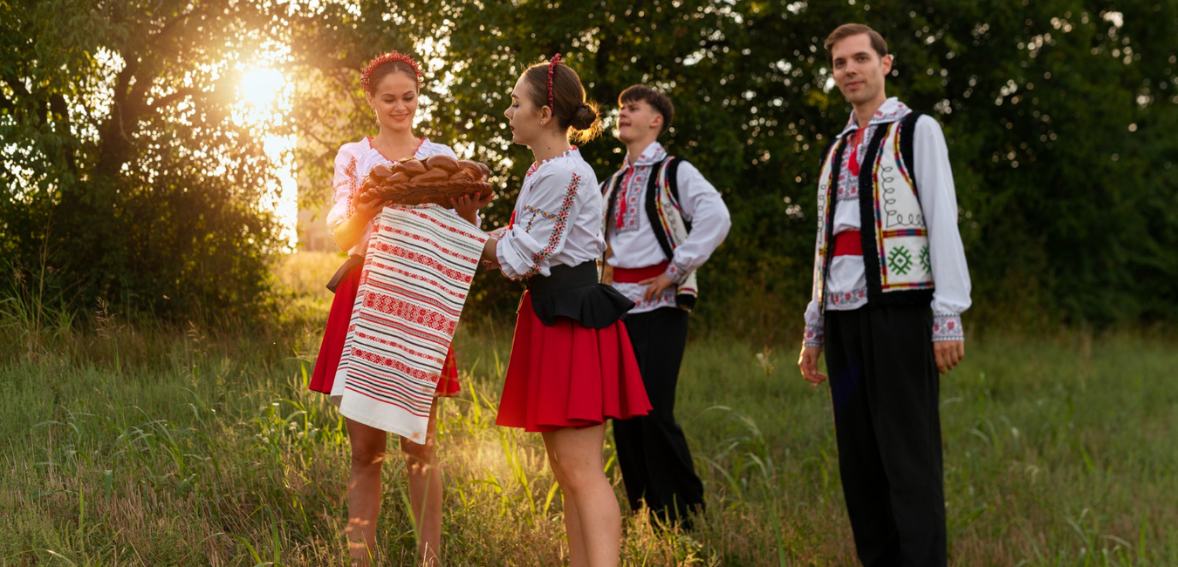
From centuries-old customs to contemporary celebrations, festive fashion remains integral to every culture. People carefully select occasion wear to align with the spirit of the event. Some outfits follow deep-rooted traditions, while others evolve with modern influences. Whether it is a traditional sari for Diwali, an elegant qipao for Chinese New Year, or vibrant dirndls and lederhosen for Oktoberfest, clothing is a key element of cultural celebrations. The way people dress during festivals is a reflection of their cultural background and personal expression, making festive fashion an evolving phenomenon.
How Different Festivals Shape Wardrobe Choices
1. Diwali: The Festival of Lights and Opulent Fashion
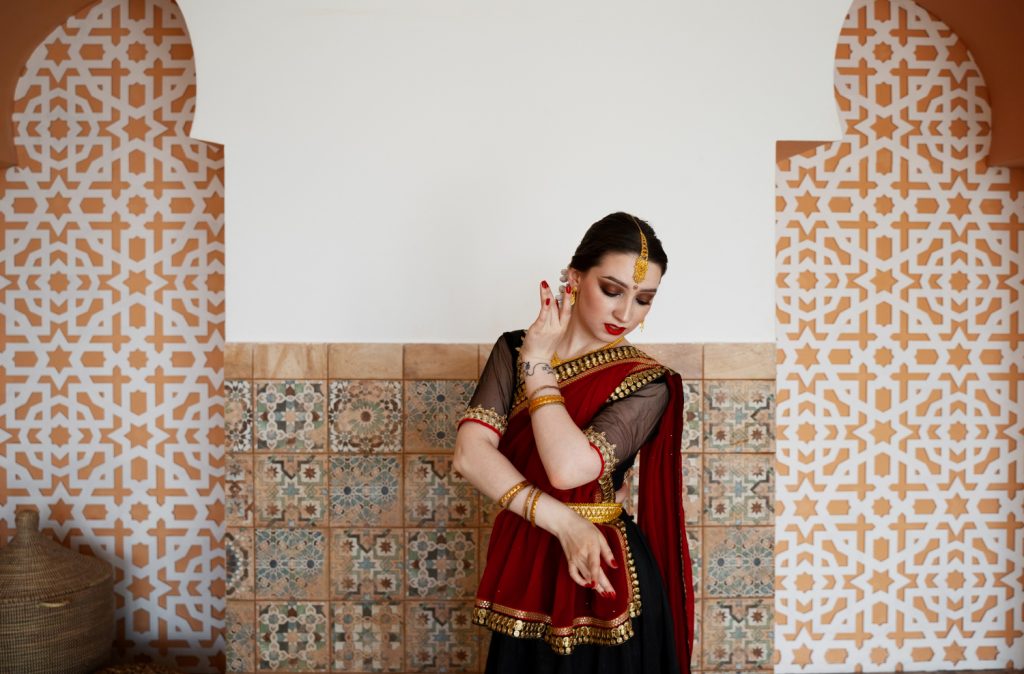
Diwali, a significant Hindu celebration, is synonymous with magnificence and sophistication. Individuals uplift their appearance with textiles, highlighted by detailed stitching and stunning decorations. Heritage attire like sarees, lehengas, and sherwanis prevail in the festive fashion arena. Gold and jewel colors continue to be favored selections, symbolizing wealth and happiness. As time has passed, contemporary silhouettes and Indo-western blends have become trendy, bringing a modern flair to the classic look. Families frequently purchase new clothing, seeing them as emblems of refreshment and luck. Items such as bangles, bindis, and traditional shoes amplify the festive outfit, resulting in a sophisticated and festive appearance.
2. Chinese New Year: Tradition Meets Symbolism
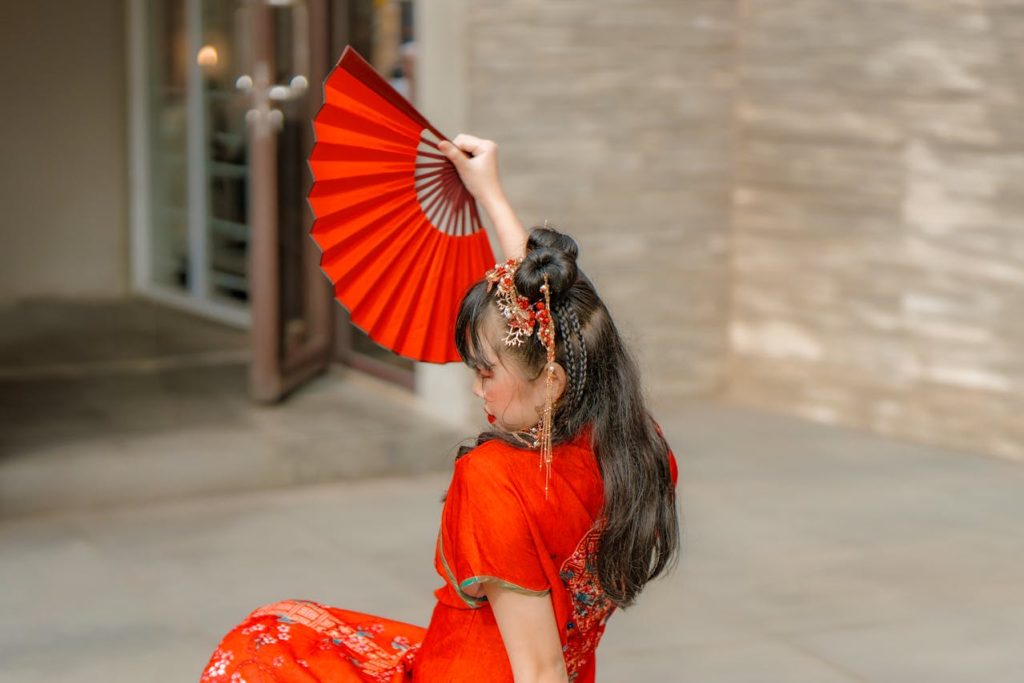
Chinese New Year marks a fresh beginning, and clothing choices reflect hope, luck, and prosperity. Red, considered the luckiest color, dominates festival attire. The qipao (cheongsam) for women and Tang suits for men are commonly worn. These garments feature intricate embroidery of dragons, phoenixes, and floral motifs, symbolizing power and renewal. In recent years, contemporary fashion has blended with traditional styles, creating a seamless mix of heritage and modernity. Silk and brocade fabrics, known for their elegance, remain a staple. The belief in wearing new clothes for the festival represents a wish for a fresh and prosperous year ahead.
3. Oktoberfest: A Celebration of Bavarian Heritage
Germany’s Oktoberfest goes beyond beer and celebrations; it also highlights traditional Bavarian attire. The dirndl worn by women and lederhosen worn by men symbolize regional pride. These ensembles, originally created for professional attire, have evolved into fashionable event wear, featuring elaborate designs, luxurious materials, and accessories that elevate their charm. Oktoberfest attire is continually changing, blending contemporary aspects with traditional influences. Individuals frequently incorporate fashionable hats, knee-length socks, and decorated suspenders, enhancing the appearance to be more sophisticated and celebratory. This festivity has impacted international fashion, resulting in Oktoberfest-themed looks emerging in contemporary closets.
4. Carnival: The Explosion of Color and Creativity
Carnival, celebrated in Brazil, the Caribbean, and parts of Europe, is a festival of music, dance, and vibrant fashion. Elaborate costumes, adorned with sequins, feathers, and bold colors, define the event. Each region adds its own flair, from Rio de Janeiro’s extravagant samba outfits to Venice’s elegant masquerade costumes. The festival’s influence extends into everyday fashion, inspiring bold patterns and statement pieces in global trends. The elaborate headpieces, shimmering fabrics, and artistic makeup used in Carnival celebrations make it one of the most visually stunning festivals worldwide. Many designers draw inspiration from these celebrations, incorporating similar flamboyant styles into modern occasion wear.
5. Eid: Modesty and Elegance in Festive Fashion
Eid, a significant festival for Muslims, calls for sophisticated and modest attire. Traditional clothing like the abaya, kaftan, and salwar kameez are popular among women, while men opt for embroidered kurtas or thobes. Rich fabrics like silk, chiffon, and velvet, along with intricate embellishments, define the occasion. In recent times, modest fashion has gained global recognition, blending cultural traditions with modern aesthetics. Families often invest in coordinated outfits, choosing garments that symbolize unity and celebration. Jewelry and finely crafted footwear complete the festive look, adding an extra touch of elegance.
6. Christmas: From Cozy to Glamorous
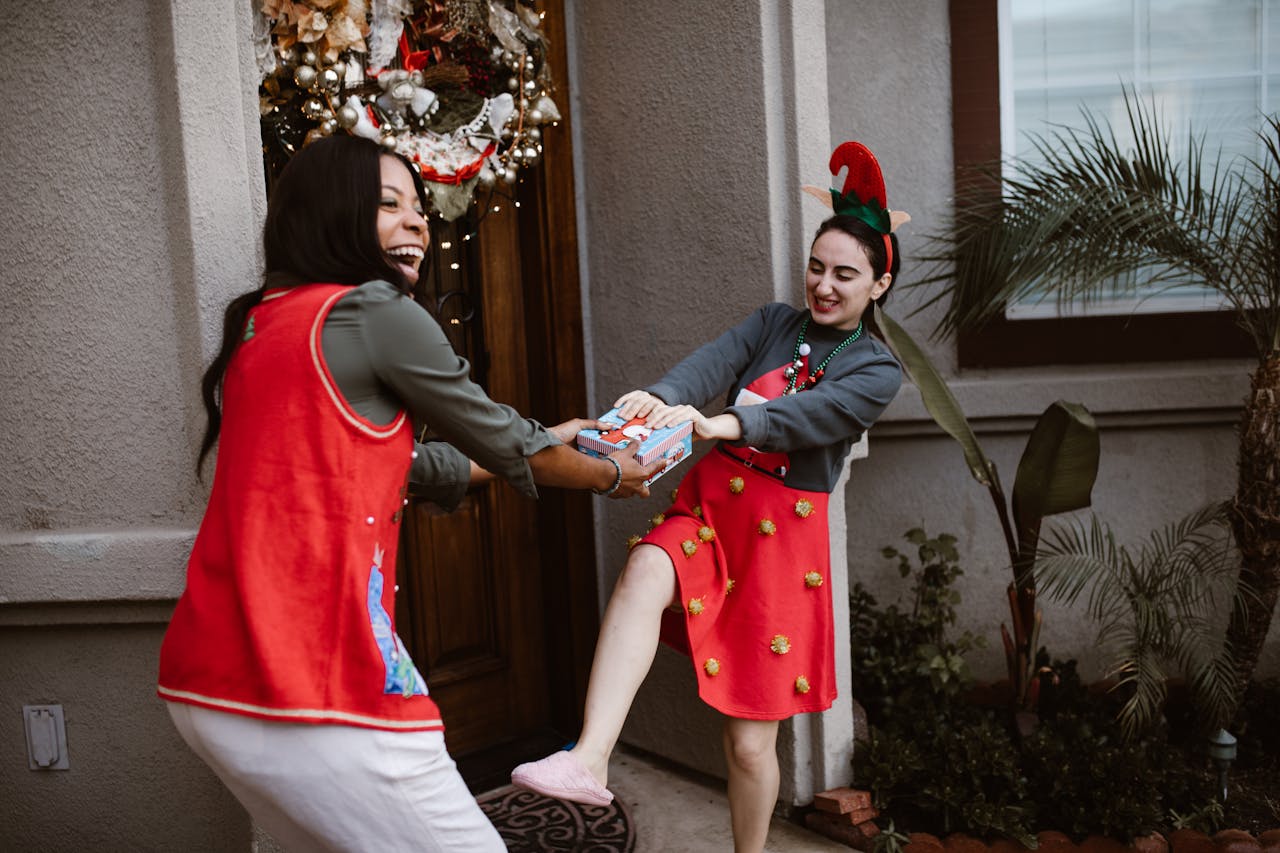
Christmas attire differs among cultures, mixing both casual and formal styles. In chilly areas, seasonal knitwear and multi-layered outfits dominate. In warmer regions, individuals choose fashionable but breathable and comfortable materials. Red, green, and gold continue to be classic holiday hues. Christmas festivities also require sophisticated evening attire, embodying the joyous essence of the season. Velvet gowns, fitted suits, and glittering accessories are seen at festive gatherings. The holiday season also impacts popular fashion trends, as collections inspired by festivities become essential for fashion brands globally.
The Evolution of Festive Fashion
Over time, festive fashion has undergone significant changes. Traditional garments have embraced modern influences, making them more adaptable to contemporary lifestyles. Globalization has played a vital role in shaping festive fashion trends, allowing for cultural fusion in occasion wear. Designers now incorporate traditional motifs into contemporary designs, creating outfits that honor heritage while appealing to modern tastes. Seasonal collections from designers worldwide reflect the impact of festivals, making festival-inspired fashion an integral part of the industry. Many fashion houses now release festive collections, blending tradition with high fashion to cater to diverse markets.
The Influence of Celebrity and Pop Culture
Famous endorsements and popular culture significantly influence holiday fashion. Social media and red-carpet events create trends, motivating individuals to try out new styles. Stars from Bollywood, Hollywood, and K-pop frequently impact fashion decisions during significant festivals. Cultural celebrations now feature a mix of traditional clothing and designer styles, offering a new viewpoint. Fashion selections by celebrities at festivals frequently influence consumer tastes, positioning festive attire as a major factor in seasonal sales. From influencers displaying Diwali attire to Hollywood stars adopting Christmas elegance, the connection between mainstream culture and festival fashion keeps growing stronger.
Sustainable and Ethical Festival Attire
With growing awareness of sustainability, festive fashion is gradually shifting toward ethical choices. People are opting for eco-friendly fabrics, handcrafted textiles, and sustainable fashion brands. Many cultures are reviving traditional handloom techniques, promoting artisanship while reducing environmental impact. Slow fashion is gaining momentum, encouraging people to invest in timeless pieces rather than fast fashion. Many designers are creating collections that merge sustainability with festive aesthetics, making ethical choices more accessible. The demand for sustainable festive fashion has also led to the resurgence of vintage and recycled clothing, proving that fashion and sustainability can coexist harmoniously.
Conclusion
Festivals and fashion are closely linked, influencing cultural identities and worldwide trends. From classic ensembles to contemporary interpretations, celebratory attire keeps changing. As individuals honor their cultural roots and showcase their uniqueness via apparel, the impact of festivities on clothing selections continues to be significant. Through enduring classics or modern interpretations, festival clothing remains a celebration of the diversity and vibrancy of cultures globally. Fashion will always remain a crucial aspect of these festivities, changing over time while preserving its profound cultural importance. The manner in which individuals attire themselves for festivals showcases not just customs but also the evolving trends of fashion, turning every event into a unique runway.