










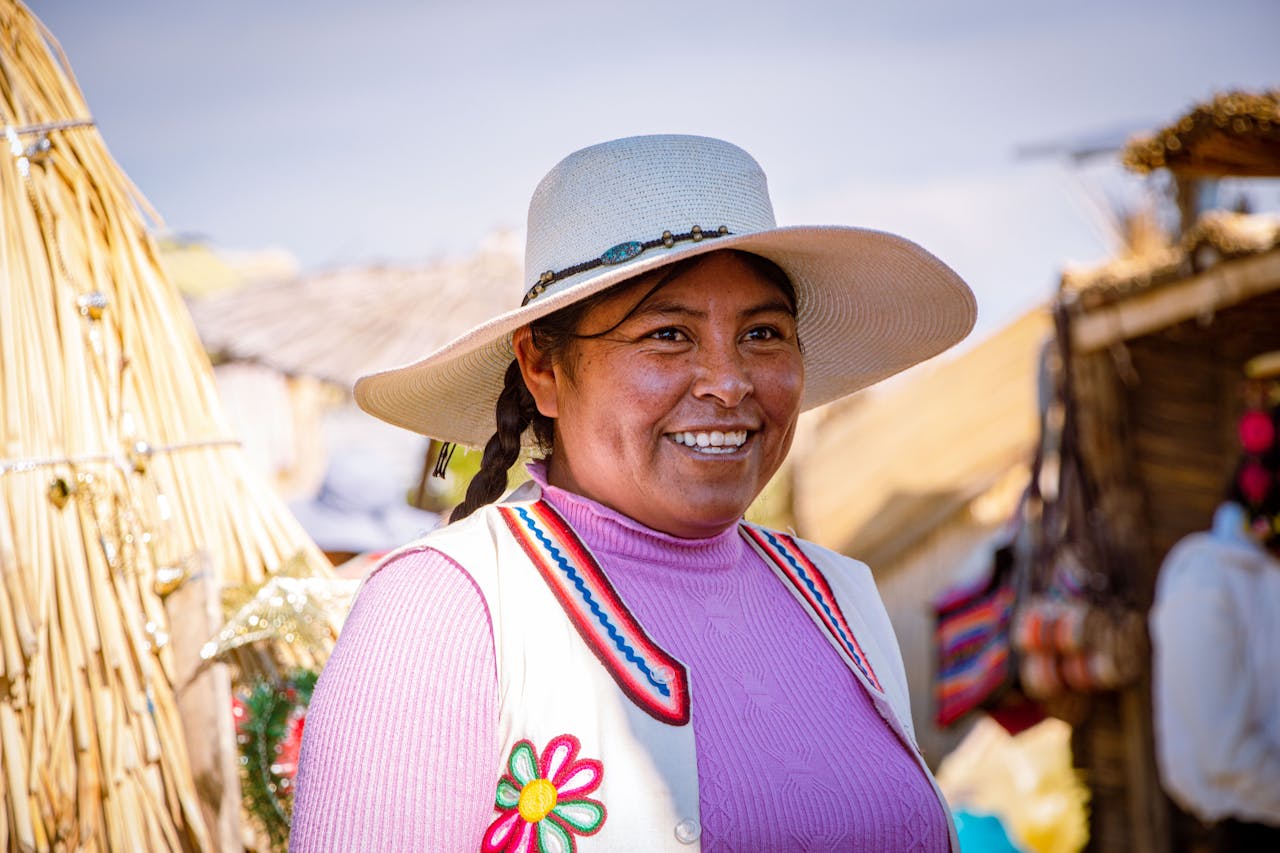
The Role of Indigenous Communities in Redefining Sustainable Fashion
Sustainable fashion is increasingly popular as buyers grow more aware of ethical and environmental issues. Nonetheless, the idea of eco-fashion isn’t recent. Indigenous groups have been engaging in sustainable fashion for centuries, utilizing eco-friendly materials and ethical design practices. Their proven techniques are currently impacting conventional sustainable practices.
Understanding Indigenous Fashion and Its Deep-Rooted Sustainability
Indigenous fashion refers to clothing and accessories created by native communities, often using locally sourced materials and traditional techniques.
These designs reflect the cultural heritage, spiritual values, and deep respect for nature that many indigenous groups uphold. Unlike mass-produced clothing, indigenous garments are crafted with minimal environmental impact.
Natural and Biodegradable Materials
Indigenous communities often use organic materials such as cotton, wool, bark, and plant-based dyes. These natural fibers decompose easily, reducing waste and pollution. Unlike synthetic fabrics, which contribute to microplastic pollution, indigenous textiles support a cleaner environment.
Handcrafting and Ethical Design
Sustainable methods are essential to native fashion. Numerous artisans depend on hand-weaving, natural dyeing, and embroidery, steering clear of detrimental industrial methods.
Principles of ethical design regulate manufacturing, guaranteeing fair compensation and maintaining traditional craftsmanship.
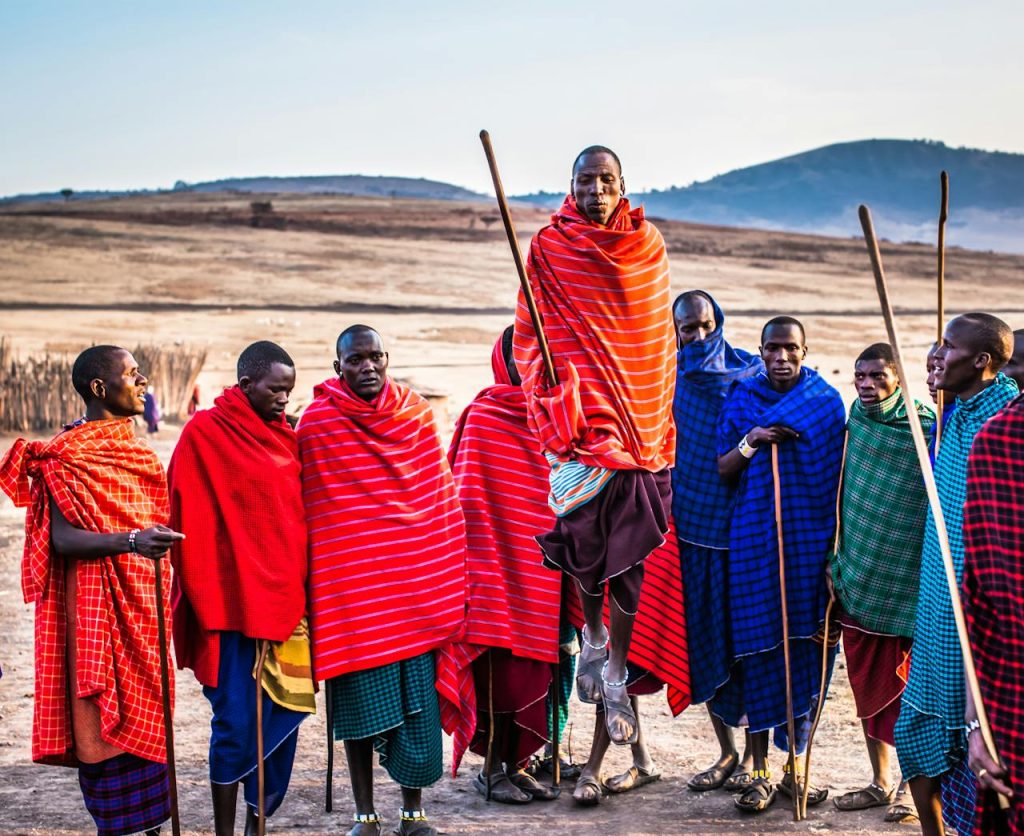
The Role of Indigenous Knowledge in Sustainable Practices
The fashion industry is gradually recognizing the value of indigenous knowledge. These communities have long mastered the art of sustainable living, using resources wisely and minimizing waste.
Zero-Waste Techniques
Many indigenous cultures follow zero-waste principles. Fabric scraps are repurposed for accessories or home textiles, reducing material wastage. This approach is now influencing sustainable fashion brands that aim to cut down on excessive production waste.
Eco-Friendly Dyeing Methods
Synthetic dyes frequently include harmful substances that contaminate water supplies. In comparison, native artisans utilize dyes from plants that come from roots, flowers, and minerals.
These natural dyes not only minimize environmental impact but also provide distinctive richness to fabrics.
The Influence of Indigenous Communities on the Modern Eco-Fashion Movement
The mainstream fashion industry has started embracing eco-fashion ideas inspired by indigenous traditions. Several sustainable brands now collaborate with native artisans, blending ancient techniques with contemporary styles.
Ethical Collaborations and Fair Trade
Numerous native artisans encounter financial difficulties because of the influx of mass-produced substitutes in the marketplace.
Collaborative efforts between designers and indigenous communities promote the preservation of traditional skills and ensure equitable remuneration.
Revival of Traditional Weaving and Embroidery
Handwoven fabrics and intricate embroidery are seeing a resurgence. Many ethical fashion brands incorporate indigenous craftsmanship into their collections, providing a platform for these artisans to reach global markets.
Challenges Faced by Indigenous Fashion in the Modern Industry
Despite their contributions to sustainable fashion, indigenous communities encounter several challenges. These include cultural appropriation, lack of recognition, and economic hardships.
Cultural Appropriation vs. Cultural Appreciation
Fashion brands frequently have taken indigenous patterns and methods without acknowledging the original designers. This appropriation takes advantage of traditional knowledge while failing to offer financial or social advantages to indigenous artisans.
Ethical brands are currently emphasizing cultural appreciation, making sure that indigenous contributions are acknowledged as they should be.
Economic Barriers and Accessibility
Handcrafted indigenous garments often carry higher price tags due to the labor-intensive processes involved. Competing with fast fashion brands that mass-produce cheap alternatives makes it difficult for indigenous artisans to sustain their businesses.
How Consumers Can Support Indigenous Fashion and Ethical Design
Individuals play a crucial role in promoting ethical fashion by making informed choices. Supporting indigenous artisans can drive positive change in the industry.
Buying from Ethical Brands
Consumers can choose brands that work directly with indigenous communities, ensuring fair wages and sustainable sourcing. Fair-trade certification helps identify ethical companies committed to supporting traditional artisans.
Understanding the Story Behind the Clothing
Every indigenous clothing item holds cultural importance. Gaining knowledge about the legacy and artistry behind these items cultivates a greater appreciation and respect for classic fashion.
Promoting Awareness and Advocacy
Raising awareness about indigenous contributions to sustainable fashion can lead to policy changes and increased recognition. Consumers can advocate for ethical production and challenge brands that engage in cultural appropriation.
The Future of Indigenous Fashion in Sustainable Practices
The integration of indigenous wisdom into mainstream fashion is a step toward a more responsible industry. As awareness grows, the collaboration between indigenous communities and ethical fashion brands is likely to strengthen.
Digital Platforms and Global Reach
Technology has allowed indigenous craftsmen to present their creations to a wider audience. Digital marketplaces and social networking sites establish a direct connection between craftsmen and consumers, lessening dependence on middlemen.
Innovations in Eco-Friendly Textiles
Some indigenous techniques are now being adapted for large-scale sustainable production. For example, natural dyeing methods are being explored as alternatives to chemical-based industrial dyes.
Preserving Indigenous Heritage Through Fashion
Indigenous fashion is more than just a sustainable practice; it is a vital part of cultural heritage. Traditional clothing often carries symbolic meanings, passed down through generations.
Preserving these practices ensures that the cultural identity of these communities remains intact.
The Role of Traditional Attire in Cultural Identity
Clothing reflects identity and heritage. Many indigenous garments are deeply rooted in rituals, ceremonies, and storytelling. Wearing traditional attire allows communities to connect with their ancestors and maintain their unique cultural expressions.
Education and Knowledge Transfer
Indigenous artisans maintain these traditions by passing their skills through family teachings and apprenticeships.
Nevertheless, globalization presents a risk to these traditions, highlighting the importance of developing initiatives that motivate younger people to uphold traditional artistry.
Sustainable Tourism and Indigenous Fashion
Tourism plays a significant role in promoting indigenous fashion. Visitors seeking authentic cultural experiences often purchase handmade garments and accessories, providing a sustainable income source for artisans.
The Benefits of Ethical Tourism
Ethical tourism supports local artisans by giving them direct access to customers. When tourists buy directly from indigenous creators, they contribute to the community’s economic stability and help preserve traditional skills.
Challenges of Commercialization
Although tourism provides indigenous artisans with visibility, widespread commercialization can weaken the authenticity of traditional creations. Achieving a balance between worldwide accessibility and cultural authenticity is essential for upholding ethical production.
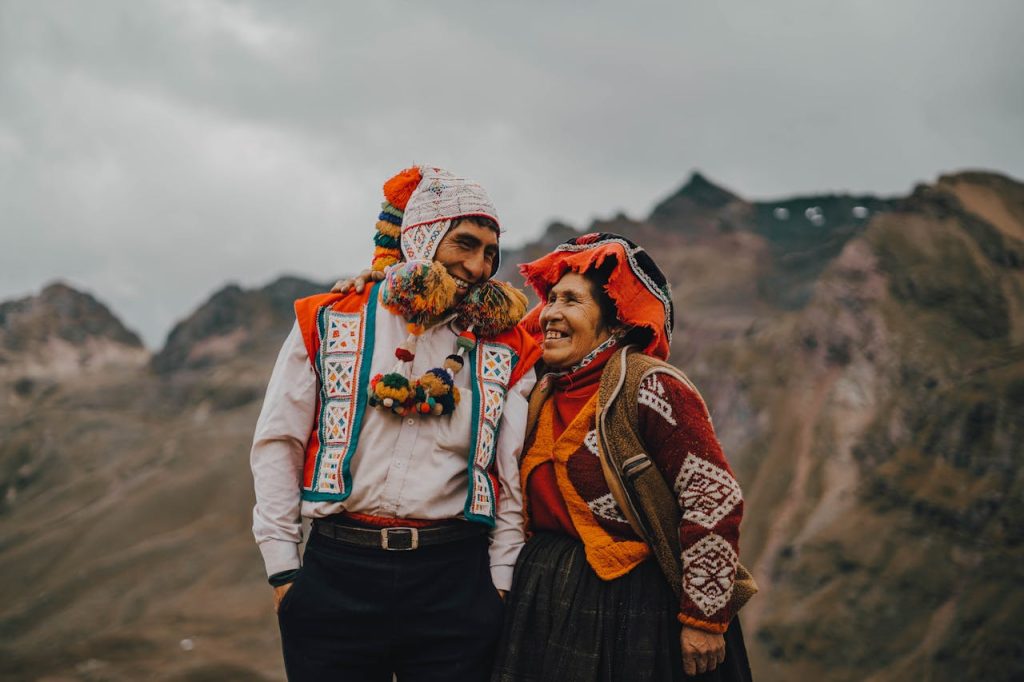
The Role of Policy in Protecting Indigenous Fashion
Government policies and industry regulations can help safeguard indigenous knowledge and craftsmanship.
Legal frameworks can prevent cultural appropriation and support artisans in maintaining their livelihoods.
Intellectual Property Rights for Indigenous Designs
Many indigenous designs lack legal protection, allowing corporations to exploit traditional patterns without permission. Recognizing these designs as intellectual property can help ensure fair compensation for artisans.
Funding and Support Programs
States and institutions can offer monetary assistance to native fashion businesses. Funding, small loans, and guidance programs can assist artisans in maintaining their enterprises while following sustainable methods.
Conclusion
Indigenous groups have historically led the way in sustainable fashion. Their profound reverence for nature, utilization of sustainable materials, and dedication to ethical design provide a model for today’s industry.
As the globe shifts towards greater sustainability, the knowledge of indigenous craftspeople still shapes ethical fashion decisions. Consumers, brands, and policymakers need to acknowledge and promote these efforts to create a fair and eco-friendly fashion industry.