









From Royal Courts to Instagram Feeds: How Fashion Trends Spread Across Eras
Fashion has always been more than just clothing; it reflects culture, status, and identity. Throughout history, fashion trends have spread through different means, beginning with monarchies and elite circles before expanding into global movements accessible to nearly everyone. What once emerged from the closed walls of palaces and royal influence is now shaped by viral posts and digital communities powered by social media fashion. By looking at the evolution of how trends travel from one group to another, we can better understand how style continues to shape society.
Fashion history provides countless examples of the way power, technology, and culture intersected to influence what people wore. Today, platforms like Instagram and TikTok set the tone for trends, but centuries ago it was royal courts dictating style through rules, symbolism, and visual spectacle. This article explores the journey of trendsetting, from the days when monarchs were fashion icons to the modern age where influencers can spark global conversations with a single post. By tracing this path, we gain insight into how fashion moves, adapts, and defines eras.
Royalty as the First Fashion Influencers
In early European courts, royal influence determined nearly every aspect of fashion. Kings, queens, and noble families set strict dress codes, using clothing to symbolize wealth, power, and hierarchy. For instance, sumptuary laws in places like England dictated which fabrics and colors could be worn by different social classes, ensuring that only royalty and the aristocracy could display luxury. This not only reinforced class divisions but also made royal attire aspirational for those who wished to imitate higher status.
Looking back at fashion history, one can see how monarchs became the earliest trendsetters. Figures like Louis XIV of France revolutionized style with ornate garments and elaborate wigs, influencing wardrobes across Europe. Royals functioned as the fashion editors of their time, shaping the aesthetics of entire nations. While the spread of these trends was limited to slower forms of communication, the impact was profound. Centuries before social media fashion made trends go viral, royal courts were already creating waves of influence that defined culture and identity.
The Printing Press and Early Media’s Role in Fashion
The invention of the printing press changed more than just literacy; it altered how trends were documented and shared. By the 16th and 17th centuries, fashion history began recording garments and styles in illustrations and pamphlets, making it easier for ideas to travel. For the first time, people outside of royal courts could glimpse what elites were wearing. Fashion plates became the early equivalent of magazines, offering a way for merchants and the growing middle class to emulate the aristocracy.
This shift marked a critical moment in reducing the exclusivity of royal influence. While monarchs still dictated many standards, publications allowed ordinary citizens to participate in style conversations. These media channels were predecessors to the fashion magazines of the 19th and 20th centuries, which would later dominate the industry. The process of mass communication that began here paved the way for today’s social media fashion, where ideas are instantly shared and reinterpreted by audiences worldwide. What once took months or years to spread could now be distributed in weeks, fueling quicker cycles of trend adoption.
Industrialization and the Democratization of Style
The Industrial Revolution brought sweeping changes to both production and consumption. Advances in textile manufacturing made fashionable clothing more accessible, eroding the monopoly of the wealthy on trendsetting. Ready-to-wear garments allowed the middle and working classes to adopt styles inspired by aristocracy, reshaping fashion history into one of increasing inclusivity. The growth of department stores also made it easier for people to access the latest looks without relying solely on custom tailoring.
Even as royal influence remained strong in certain circles, the industrial age introduced new players to the fashion conversation. Designers, merchants, and eventually celebrities began shaping public opinion alongside monarchs. The concept of aspirational dressing remained, but it expanded far beyond palaces into bustling cities and manufacturing hubs. This democratization foreshadowed the ultimate accessibility of social media fashion, where platforms are filled with voices, from luxury brands to everyday individuals experimenting with their personal style.
Hollywood Glamour and Celebrity Power
By the early 20th century, film and celebrity culture had become powerful drivers of fashion. Stars on the silver screen embodied glamour and became aspirational figures for audiences across the globe. Hollywood quickly assumed a role that royal influence once held, with actresses like Audrey Hepburn and Marilyn Monroe setting new beauty and style standards. The camera replaced the throne as the stage on which fashion could dazzle and inspire.
This era also added a new dimension to fashion history, as the public’s fascination with celebrity lifestyles translated directly into clothing choices. Magazines and tabloids amplified these images, making fashion more personal and more widely accessible. Celebrities became the bridge between designers and consumers, shaping trends that would later find even greater acceleration in the digital age. Today, the power once held by film stars has shifted toward influencers and content creators, highlighting the seamless transition from celebrity glamour to social media fashion.
Fashion Magazines as Cultural Gatekeepers
The rise of magazines such as Vogue and Harper’s Bazaar cemented the role of media as gatekeepers of style. These publications curated what was deemed fashionable, spotlighting designers, celebrities, and occasionally royals. In many ways, magazines were the last stronghold of centralized fashion authority before the internet disrupted the industry. Through editorials and carefully staged photography, they influenced global style for decades and shaped entire chapters of fashion history.
While royal influence still appeared in these glossy pages, the power dynamic shifted toward editors and designers. They became arbiters of taste, crafting narratives that trickled down to the masses. What made this era unique was its combination of exclusivity and mass appeal, with magazines controlling access while simultaneously broadening awareness. These dynamics serve as a precursor to social media fashion, where gatekeeping has been dismantled in favor of decentralized participation. What once required approval from editors now thrives in the hands of millions of users posting daily.
The Digital Shift and Social Media’s Rise
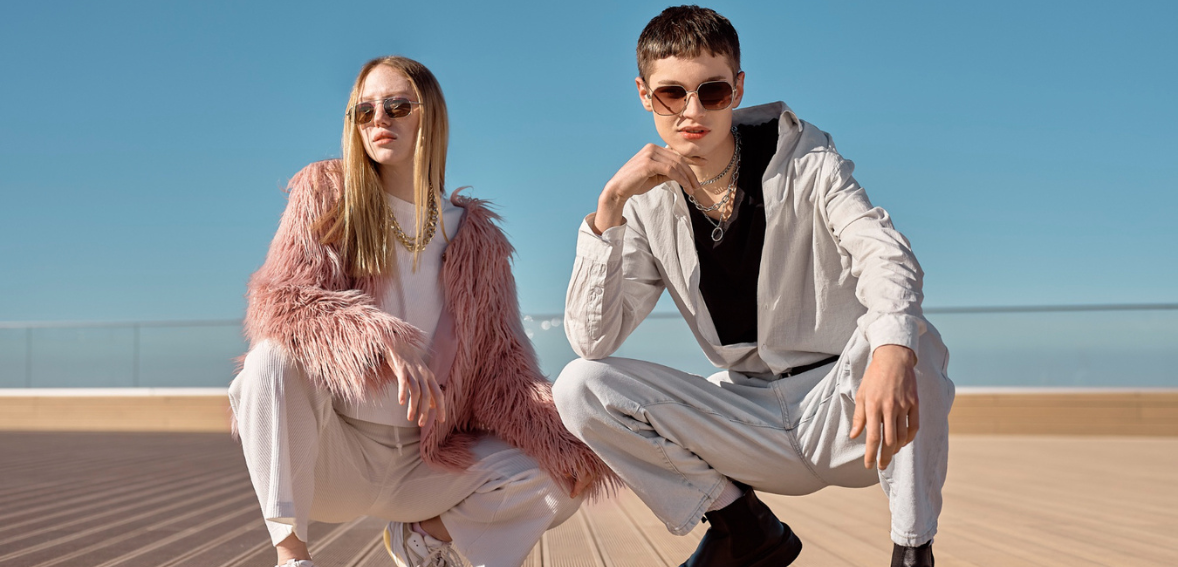
The arrival of the internet revolutionized how trends spread, collapsing timelines and erasing borders. With the rise of platforms like Instagram, TikTok, and Pinterest, social media fashion now dominates the cultural landscape. Unlike the past, where trends traveled from monarchs to subjects or from celebrities to fans, digital platforms have democratized influence. Anyone with a smartphone can become a trendsetter, capturing attention with unique outfits, styling tips, or creative reinterpretations.
This democratization is one of the most significant developments in fashion history. No longer confined to elites, fashion is now participatory, global, and immediate. While royal influence still makes headlines, particularly with events like royal weddings, it competes with viral posts that reach millions overnight. Algorithms fuel visibility, creating viral cycles where trends can emerge and fade within weeks. In this new ecosystem, fashion evolves in real time, shaped not by a handful of elites but by an ever-expanding global community.
Royal Influence in the Modern Era
Although the focus has shifted toward celebrities and influencers, royal influence remains relevant in modern fashion. Events like Prince William and Kate Middleton’s wedding, or Meghan Markle’s public appearances, have sparked significant fashion waves. Dubbed the “Kate effect” or “Meghan effect,” these moments highlight the enduring connection between monarchy and style. Even in an age dominated by social media fashion, royals continue to capture attention and inspire purchases worldwide.
This persistence demonstrates the deep cultural roots of fashion history, where monarchy and symbolism still carry weight. Royals represent tradition, elegance, and heritage, offering a contrast to the fast-paced, trend-chasing world of digital platforms. Their ability to influence suggests that while new systems have emerged, historical structures of fashion authority remain interwoven with modern ones. In essence, the power of royal courts has not disappeared but adapted, coexisting with the viral nature of online culture.
Globalization and Cultural Exchange in Style
Another defining characteristic of the 21st century is the globalization of fashion. Once limited by geography, style now crosses borders seamlessly, thanks to digital platforms and international retail. A Japanese streetwear look, for example, can inspire a teenager in Brazil within hours of being posted online. This cultural exchange reflects one of the most vibrant moments in fashion history, where local traditions interact with global conversations to create hybrid aesthetics.
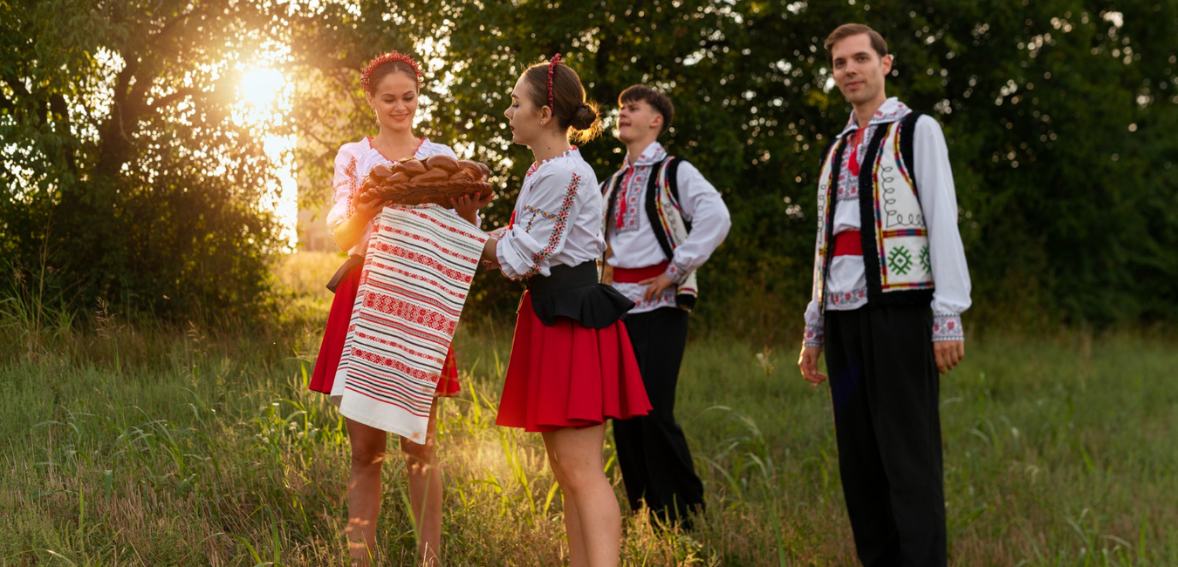
The interplay between royal influence and social media fashion also becomes evident here. Traditional attire and ceremonial clothing often find new life on digital platforms, celebrated for their cultural richness and artistry. Meanwhile, social media ensures that these once-localized styles are visible to global audiences. This blending demonstrates how fashion has become both a cultural archive and a dynamic playground, shaped by diversity and accessibility.

The Fast Fashion Effect
The rapid spread of trends through social media fashion has fueled the rise of fast fashion, changing consumption patterns dramatically. In the past, fashion history moved at a slower pace, with trends lasting seasons or even decades. Today, microtrends emerge and disappear within weeks, creating both excitement and challenges. While this accessibility allows consumers to experiment with style affordably, it has also raised concerns about sustainability and ethics.
Despite these drawbacks, the influence of royal influence and celebrity culture still fuels fast fashion, as retailers rush to replicate looks worn by prominent figures. Social media accelerates this process, ensuring new designs reach consumers almost instantly. The tension between accessibility and sustainability remains one of the defining debates in modern fashion, reflecting the dual-edged nature of instant connectivity and global trend cycles.
Fashion as a Political Statement
Throughout fashion history, clothing has often been used as a form of political messaging. Monarchs, revolutionaries, and public figures alike have used garments to signal power, allegiance, or defiance. During the French Revolution, for example, citizens deliberately abandoned aristocratic clothing styles as a way to reject royal influence and promote ideals of equality. Similarly, leaders in the 20th century leveraged uniforms and distinct dress codes to communicate authority and solidarity. These choices highlight that fashion is never just superficial; it serves as a visual language for larger societal movements.
In today’s world, the same principle applies through social media fashion, where activists use platforms to spread awareness and rally support. Campaigns featuring symbolic colors or slogans quickly go viral, proving that style continues to intersect with politics. This ongoing relationship demonstrates that while technology evolves, the use of clothing as a statement remains deeply rooted in cultural history.
Technology’s Role in Accelerating Style Cycles
Technology has always shaped how trends emerge and spread, from the invention of the sewing machine to the internet revolution. In fashion history, every new tool—from textile mills to photography—accelerated the pace of change and broadened access to style. The digital era has taken this acceleration to unprecedented levels, with social media fashion driving microtrends that can rise and fade within days. Algorithms push visual content across global audiences, ensuring that a single post can influence millions.
While this creates opportunities for diversity in expression, it also raises questions about the sustainability of rapid cycles. Despite this, technology remains an undeniable engine of fashion, democratizing influence and making once-exclusive aesthetics widely available. Even royal influence, once bound by slow communication, now reaches audiences instantly when ceremonial outfits or royal events are broadcast online. Technology not only speeds up trends but also amplifies voices, ensuring fashion reflects both tradition and innovation simultaneously.
Cultural Preservation Through Fashion
Another vital aspect of fashion history is its role in preserving cultural identity. Traditional garments, passed down through generations, serve as living records of heritage, values, and artistry. While royal influence often dictated formal attire in historical societies, local communities maintained distinct clothing traditions that celebrated regional diversity. Today, social media fashion offers an important platform for showcasing these cultural styles on a global scale. Designers and individuals use digital channels to share traditional attire, blending heritage with contemporary aesthetics.
This visibility helps protect cultural practices from fading, while also inspiring cross-cultural creativity. At the same time, it raises awareness about the importance of respecting origins rather than appropriating them. In this way, fashion functions as both preservation and evolution, ensuring that cultural identity remains strong while still participating in broader style conversations. The fusion of past and present demonstrates how fashion simultaneously anchors us in history and propels us toward new expressions.
The Future of Fashion Influence
Looking ahead, the trajectory of fashion history suggests that influence will continue to expand beyond traditional hierarchies. Royal influence will likely remain symbolic, shaping moments of elegance and tradition, but the real drivers of style will be increasingly digital. Social media fashion will evolve alongside technology, with virtual reality, artificial intelligence, and immersive platforms opening new spaces for creativity. Digital influencers may create entire fashion movements in virtual environments, redefining how trends are experienced. At the same time, sustainability concerns may reshape how quickly these cycles turn, encouraging slower, more mindful consumption.
The democratization of influence will remain central, as voices from diverse backgrounds continue to redefine what fashion means on a global scale. Just as kings, queens, and celebrities once held authority, the future belongs to communities that blend creativity, culture, and technology. This evolution shows that fashion will always adapt to its era, yet remain deeply connected to humanity’s need for expression and identity.
Conclusion
The journey of fashion trends from royal courts to digital platforms reflects broader shifts in society, technology, and culture. Fashion history reveals how royal influence once dictated style, evolving into a landscape where celebrities, designers, and finally everyday individuals share in shaping what people wear. In today’s world, social media fashion reigns supreme, making trends immediate and participatory while still acknowledging historical roots.
As fashion continues to evolve, its trajectory shows that while mediums may change, the desire to influence and be influenced remains timeless. From kings and queens to influencers and creators, the spread of style reflects humanity’s enduring fascination with identity, beauty, and belonging. Fashion’s story is one of both continuity and change, reminding us that every era leaves its mark on the fabric of culture.