





The Psychology of Fashion Influence: Why We Copy What We See Online
Fashion has always been a reflection of culture, identity and social influence. Trends used to spread through magazines, movies or celebrity culture, now they travel at lightning speed across digital platforms. Social media has changed the way we see style, not just by showing us global trends but by making them feel personal. This has added new layers to fashion psychology, that’s why people often copy the outfits, accessories or aesthetics they see online. It’s no longer just about inspiration, it’s about belonging, identity and the psychological rewards of imitation.
The rise of influencers, digital content creators and curated social feeds has given birth to what many call the fashion influencer effect. People no longer just admire what they see, they act on it by buying similar clothes, replicating poses and adopting entire aesthetics. This phenomenon is often referred to as social media style mimicry and is driven by deeper psychological forces than just consumer behavior. It reveals how fashion is tied to self-esteem, peer approval and cultural narratives. To understand why we copy what we see online, we need to explore the psychology behind these choices and how digital spaces amplify them.
Fashion Psychology and the Power of Perception
At the core of fashion psychology is the understanding that what we wear is more than fabric; it communicates identity, values and emotions. Clothing choices affect not just how others see us but also how we see ourselves. Social media intensifies this by creating a stage where we present ourselves, get judged and get rewarded. The likes, shares and comments on fashion content reinforces behaviors, encouraging users to mimic styles that get approval.
This is where the influencer effect kicks in. When we see others being praised for their style, we internalize the idea that adopting similar looks will also get us social validation. Social media style mimicry is therefore not about originality but about aligning with perceived norms of attractiveness or success. Fashion becomes a tool not just for self-expression but for social survival in digital spaces. The psychology of perception explains why copying styles feels natural; it makes us feel included, admired and relevant in an online culture where we are always visible.
The Influencer Effect and Its Reach
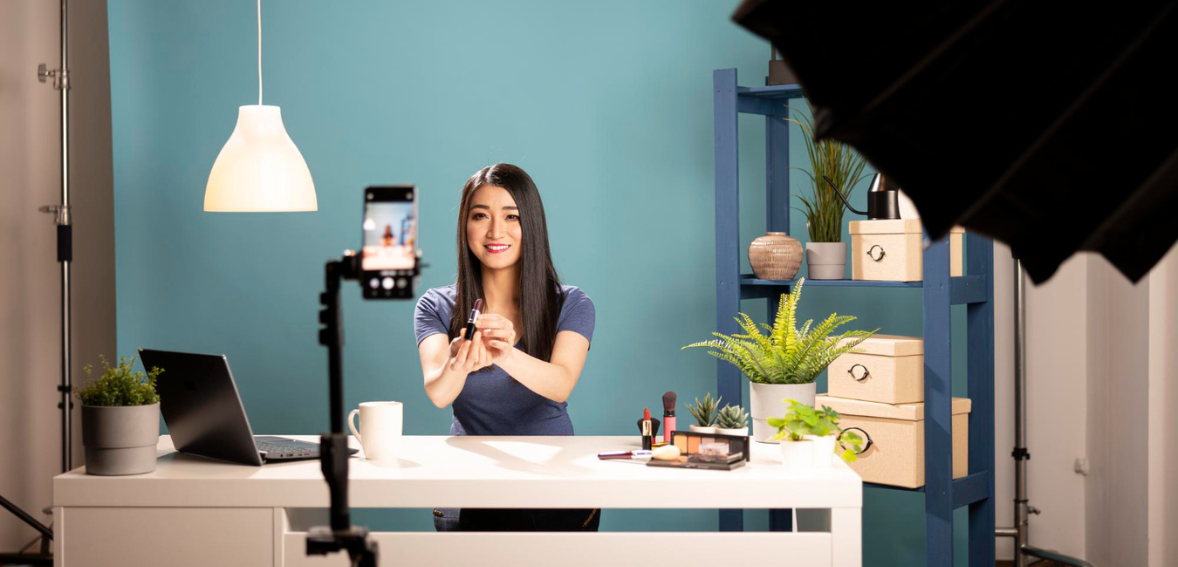
The influencer effect is central to why online fashion trends spread so quickly. Influencers build trust and authority by presenting themselves as relatable yet aspirational. Unlike traditional celebrities, they often share personal stories and behind-the-scenes moments, which makes their fashion choices feel attainable. Audiences do not just see outfits; they see lifestyles they want to emulate. Copying those styles becomes a way of participating in that aspirational narrative.
From a fashion psychology perspective, the influencer serves as both a role model and a peer. This dual role creates a stronger desire for imitation. When followers engage in social media style mimicry, they are not only adopting a look but also signaling their connection to the influencer’s identity and values. This explains why brands collaborate heavily with influencers; they are conduits of cultural influence who blur the line between advertising and personal recommendation. As long as influencers remain central to digital culture, their impact on how people dress and perceive themselves will remain significant.
Social Media Style Mimicry in Action
Social media style mimicry is evident in how quickly trends explode online. A single viral TikTok video or Instagram post can inspire thousands of people to recreate the same outfit, pose, or aesthetic within days. The trend cycle has accelerated to the point where micro-trends can dominate feeds for weeks before fading. This rapid mimicry reflects not just consumerism but also the psychology of belonging. People copy styles because it signals that they are in tune with the cultural moment.
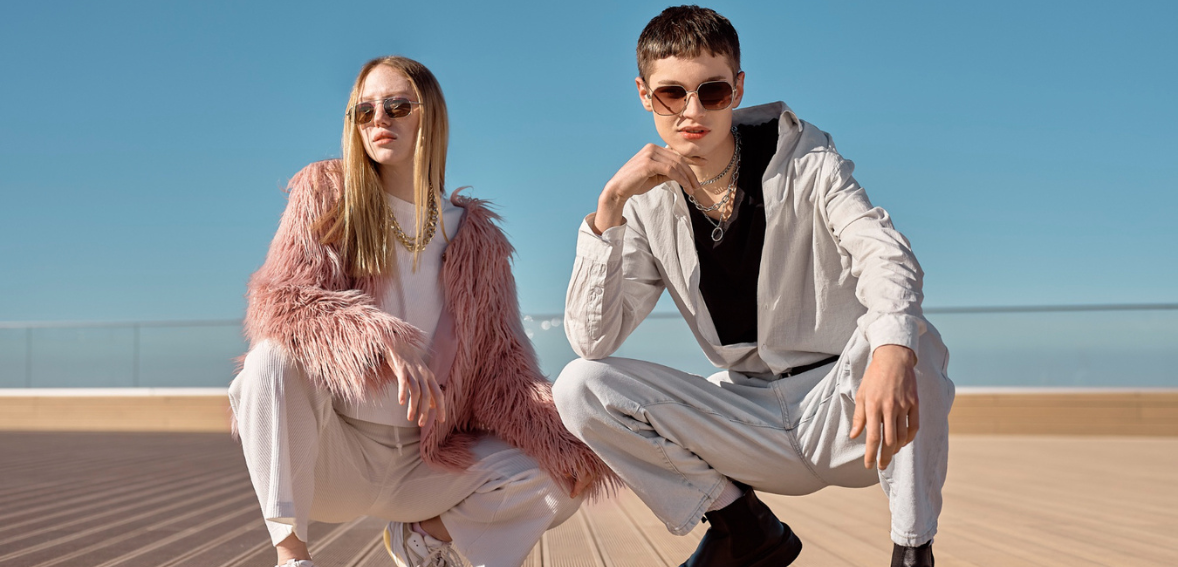
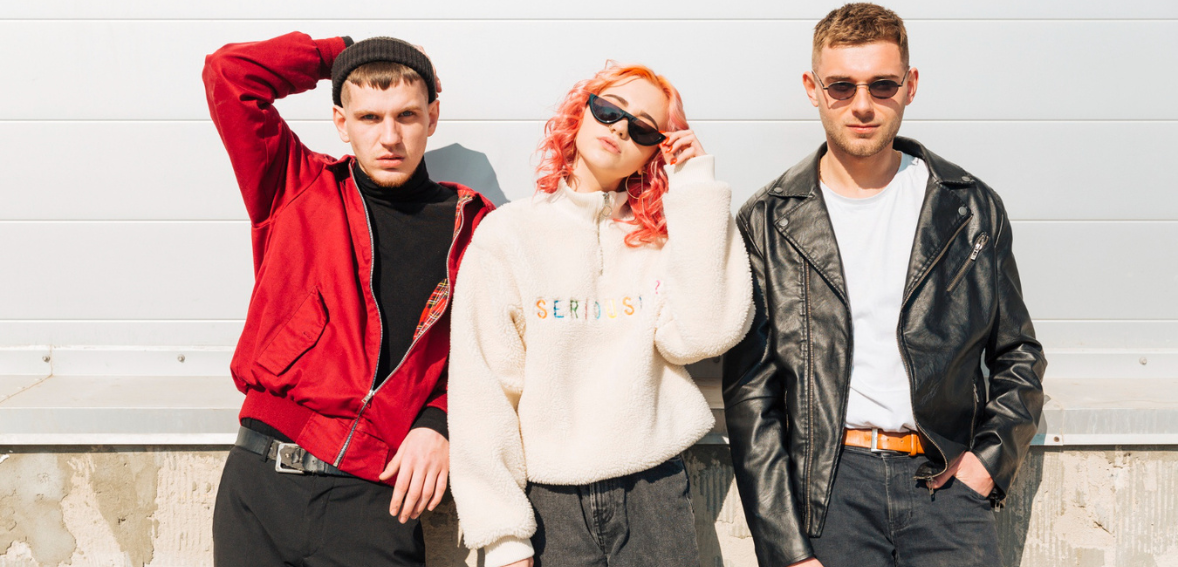
In terms of fashion psychology, mimicry is tied to group identity. Just as uniforms once signified membership in schools or professions, trending outfits now serve as digital uniforms for communities. Wearing the same oversized blazers, crop tops, or sneakers as popular influencers allows individuals to feel part of an online collective. The influencer effect fuels this by normalizing specific styles and framing them as the standard of relevance. This creates a cycle where mimicry reinforces popularity, and popularity drives more mimicry, embedding fashion trends into digital culture.
The Role of Identity in Fashion Influence
Fashion is not only about aesthetics; it is also about identity. People use clothing to signal who they are, what they value, and which groups they belong to. Fashion psychology explains that when individuals mimic styles online, they are engaging in identity construction. Copying influencers allows them to experiment with new personas while still feeling socially validated. This is particularly relevant for younger audiences navigating self-expression in digital spaces.
The influencer effect amplifies this identity play. Followers often see influencers as templates for who they could be, whether it is polished, edgy, casual, or glamorous. Social media style mimicry offers a safe way to try on these identities without the risk of being perceived as completely original. By dressing like others, individuals feel a sense of belonging, while still exploring their own style boundaries. In this way, fashion influence is not just about looking good; it is about negotiating identity in a world where self-presentation is constantly on display.
The Psychology of Aspiration and Desire
Desire is a central theme in fashion psychology, and online platforms intensify it. Influencers are often framed within aspirational lifestyles; traveling, attending events, or enjoying luxury experiences. Their clothing becomes a symbol of access to that world. The influencer effect works because followers believe that by copying the style, they might also gain a piece of the lifestyle it represents. Fashion becomes less about fabric and more about the emotions and aspirations attached to it.
Social media style mimicry thrives on this aspirational pull. When people see influencers wearing specific brands or styles, they imagine themselves stepping into similar scenarios. The outfit is not just a purchase but a passport to perceived happiness or success. This explains why certain looks sell out immediately after being featured by popular figures. Fashion influence, in this sense, is psychological marketing; appealing to emotions, dreams, and the human need for belonging in aspirational narratives.
The Impact of Constant Visibility
Living in the age of constant visibility means fashion choices are always on display. Social platforms act as ongoing stages where personal presentation is judged in real time. This creates pressure to keep up with trends, reinforcing social media style mimicry. For many, posting outdated or unfashionable looks risks social exclusion, even if only subtly. The need to remain visually relevant pushes individuals to copy styles more frequently than in pre-digital eras.
From a fashion psychology perspective, this constant visibility influences self-esteem and social validation. The influencer effect amplifies it further, as audiences compare themselves to carefully curated, seemingly effortless appearances. Fashion is no longer private but performative. Every post is a performance of identity and taste, encouraging individuals to adopt styles that will generate approval. This perpetual cycle of visibility and imitation explains why fashion influence online feels so powerful; it operates at the intersection of personal confidence and public validation.
Criticisms of Fashion Mimicry
While social media style mimicry drives trends, it also has critics. Some argue it reduces creativity, leading to homogenized fashion where everyone looks the same. From a fashion psychology standpoint, overreliance on mimicry can stifle individuality and create pressure to conform. The influencer effect is also criticized for encouraging materialism, where people buy clothes not for personal need but for social validation. This cycle often leads to overconsumption and unsustainable fashion habits.
At the same time, mimicry has its benefits. It democratizes fashion by making trends more accessible and reducing the barriers between high fashion and everyday wear. While criticisms remain valid, mimicry also provides opportunities for self-exploration, particularly when individuals adapt trends to suit their personal style. The challenge lies in balancing influence with originality, ensuring that copying does not erase individuality but rather enhances it. This balance is central to the ongoing role of fashion psychology in understanding online behavior.
The Future of Fashion Influence Online
Looking forward, the psychology of fashion influence will get even more complicated. As technology advances, virtual influencers, AI-generated outfits and try-ons and augmented reality will further blur the lines between inspiration and imitation. The influencer effect will spread into digital spheres where people copy not only real people but also virtual personas. Social media style imitation may evolve into entire virtual fashion worlds where identity is shaped through digital avatars as much as physical clothing.
But the core principles of fashion psychology will remain. People will still copy styles to belong, to express themselves and to get validation. The tools may change but the motivations will stay rooted in human psychology. Fashion will still be a language of identity shaped by the people and platforms that dominate digital culture. Copying what we see online will still be a natural if evolving response to the social and psychological dynamics of modern life.
Peer Pressure and Collective Fashion Choices
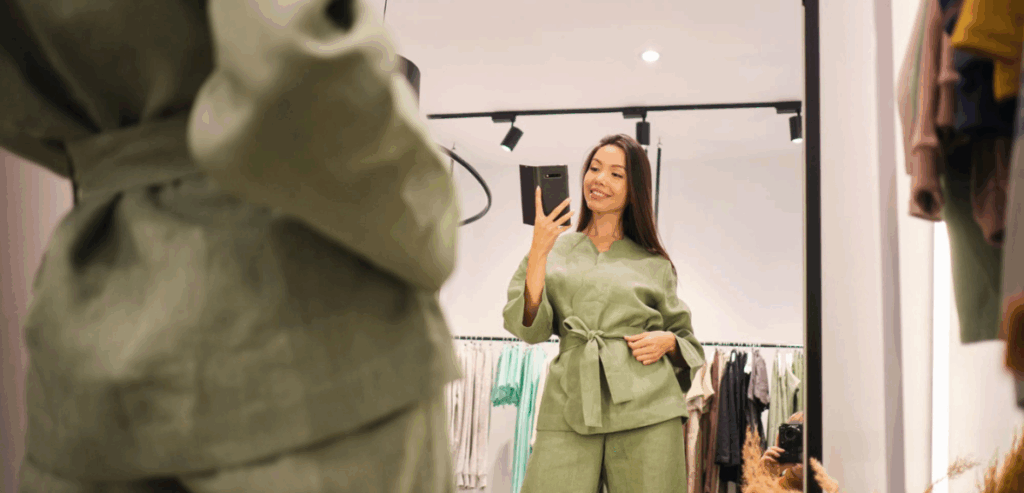
One of the biggest drivers of online fashion trends is peer pressure which ties closely to fashion psychology. When we see our friends, classmates or colleagues wearing something, the urge to follow grows not just to look stylish but to not stand out in the wrong way. This sense of collective influence is amplified online where trends spread fast and are visible to millions at once. Copying styles becomes a form of digital conformity, a way to signal we belong to a group.
The influencer effect often magnifies this pressure. When highly followed people wear something, it doesn’t just inspire us but creates a ripple effect where our peers start to wear the same trends and reinforce them further. This cycle of social media style imitation can make it feel almost obligatory to follow the latest looks especially for younger audiences. The psychology here is that fashion choices are rarely made in isolation; they are shaped by the desire to fit in with the collective both offline and online so mimicry is a natural response to social belonging.
Emotional Rewards of Mimicking Influencers
Fashion choices are not only about aesthetics; they also offer emotional rewards. From a fashion psychology standpoint, copying styles seen online provides feelings of confidence, happiness, and validation. Wearing an outfit inspired by an admired influencer can create a sense of pride, especially when it earns positive comments or engagement on social media. The simple act of mimicry can therefore serve as a psychological boost, connecting personal appearance with emotional satisfaction.
The influencer effect works because followers associate influencers’ style with success, popularity, and attractiveness. When they replicate those looks, they feel closer to achieving those same attributes. Social media style mimicry becomes rewarding when others recognize and affirm the effort. Even subtle gestures like likes and shares reinforce the idea that copying popular looks is beneficial. These emotional reinforcements explain why mimicry is so powerful; it ties clothing choices to self-esteem, turning fashion into more than just fabric but into a source of confidence and joy.
Generational Differences in Fashion Influence
Different generations respond to fashion influence in distinct ways, a reality shaped by fashion psychology. For younger audiences such as Gen Z, social media style mimicry is a natural part of their identity construction. They are more open to experimenting with micro-trends, shifting aesthetics quickly, and embracing fast-changing digital styles. For millennials, who experienced both pre-digital and digital eras, mimicry often blends with nostalgia, where copying online styles may merge with reviving trends from the past.
The influencer effect is also perceived differently across age groups. Younger users often see influencers as aspirational figures to emulate, while older audiences may approach them with more skepticism, copying selectively rather than habitually. Still, the psychological need to belong and express identity through fashion is universal across generations. What differs is the degree of imitation and the willingness to commit to fleeting trends. Understanding these generational nuances shows that while mimicry is widespread, the motivations behind it vary, reflecting how identity, technology, and culture intersect with fashion.
Balancing Inspiration and Originality
The challenge with social media style mimicry lies in finding a balance between inspiration and individuality. Copying influencers is psychologically satisfying, but too much imitation can lead to homogeneity, where everyone looks the same. Fashion psychology suggests that people crave both belonging and uniqueness, which means they often adapt trends rather than replicate them exactly. This balance allows individuals to participate in cultural movements while still maintaining personal expression.
The influencer effect provides the blueprint, but the most effective fashion adoption happens when followers reinterpret styles in their own way. For instance, someone may copy an influencer’s outfit formula but use different colors or accessories that reflect their personality. This adaptive mimicry highlights that copying does not have to erase individuality; it can enhance it when approached creatively. In the future, successful style influence will likely depend on empowering followers to not only mimic but also innovate. This evolution ensures that fashion remains diverse, reflecting both collective trends and personal identity.
Conclusion
The influence of fashion online cannot be separated from the psychology that drives it. Through fashion psychology, we see that clothing choices are deeply tied to identity, belonging, and self-perception. The influencer effect magnifies these forces, turning style into a powerful form of social persuasion. Social media style mimicry demonstrates how deeply people internalize what they see, shaping not only individual choices but entire cultural trends.
Far from being a superficial phenomenon, fashion influence online reveals much about human behavior and social dynamics. We copy styles not simply because they look good, but because they fulfill emotional and social needs. In this sense, the psychology of fashion influence is a mirror of modern culture, reflecting the way digital spaces have redefined how we express ourselves, connect with others, and create meaning through what we wear.