





Influencer Culture and Fashion Economics: Are They Driving Demand or Distorting It?
The intersection of influencer culture and fashion economics has sparked new debates in recent years. As fashion brands increasingly rely on digital platforms to reach their audiences, influencers have emerged as key intermediaries between designers and consumers. Whether they are driving genuine demand or simply distorting market trends is a question that carries weight for both established labels and independent creators.
Tastemakers and cultural icons have long influenced the fashion industry. But the emergence of social media has changed how people make and follow trends. Influencers can now make or break products thanks to their millions of followers and instant access to audiences around the world. This change has affected pricing models, supply chains, consumer behaviour, and marketing strategies.
The Rise of Influencer Marketing in Fashion
Fashion marketing has undergone a complete transformation with the rise of digital influencers. From fashion bloggers to Instagram models and TikTok creators, influencers have carved out a niche that traditional advertising methods struggle to match. Their authentic engagement and peer-like influence give them a credibility that often surpasses branded content.
How Influencers Became Central to Fashion Promotion
Over the last decade, fashion brands started collaborating with influencers as early adopters of digital marketing began experimenting with product placements and endorsements. This trend soon matured into an entire ecosystem where influencer marketing fashion strategies are now integral to launching new collections, driving traffic, and converting sales.
The Role of Micro vs. Macro Influencers
Micro influencers often have higher engagement rates than macro influencers, despite the latter’s ability to command large audiences. Nowadays, brands divide their campaigns into different segments, employing micro influencers for specialised targeting and macro influencers for widespread exposure. This method supports a multifaceted digital consumer impact strategy while striking a balance between reach and authenticity.
Social Media Fashion Trends and Their Lifecycle
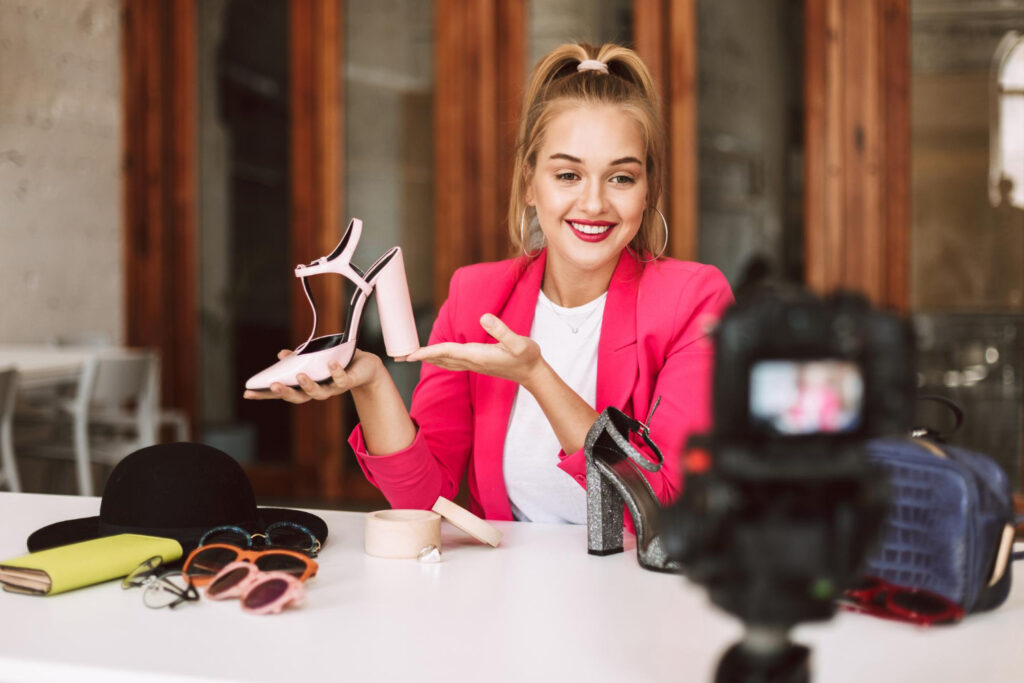
Fashion trends once developed organically through subcultures, designer innovation, and seasonal runway shows. Today, the lifecycle of a trend can be traced directly through social media platforms, often emerging and dying within weeks. Social media fashion trends are usually sparked by influencer posts, viral videos, or TikTok challenges. These trends become so widely adopted in such a short time that many brands are forced to pivot their production to meet immediate demand. This rapid cycle alters how brands plan and design collections.
The Short Shelf Life of Digital Trends
The demand for newness and novelty on platforms like Instagram and TikTok means trends peak quickly. This challenges sustainable production cycles and creates pressure on brands to adopt fast fashion models. While the digital consumer impact is high in the short term, it raises questions about long-term brand value and environmental consequences.
Viral Trends vs. Enduring Style
While some social media fashion trends attract short-term attention, they are short-lived. But some are able to develop into timeless fashion choices that become a part of a brand’s identity. Making the distinction between the foundational and the fleeting early enough to inform business strategy is the difficult part.
The Economic Implications of Influencer-Driven Demand
At a macro level, influencer marketing can dramatically alter the economics of fashion. From influencing production cycles to affecting retail pricing and even reshaping consumer expectations, the presence of influencers touches every point in the value chain.
Cost of Influencer Collaborations
Hiring top-tier influencers can be expensive. While the returns may justify the investment, smaller brands may find it challenging to compete in this high-stakes environment. This dynamic can lead to market consolidation where only well-funded brands thrive.
Effects on Pricing and Perceived Value
Price-value perception can be distorted when influencers dress in inexpensive clothing and promote it as luxury, or vice versa. Growing misunderstandings about brand positioning, quality, and cost are among the effects on digital consumers. Consequently, brands need to put in more effort to keep their offerings clear and trustworthy.
Consumer Psychology in the Age of Influencers
Consumers today are not just buying products, they are buying lifestyles. Influencers sell not just clothes but the aspirational image that comes with them. This blurs the line between marketing and identity-building.
Influence of Relatability and Aspiration
Audiences follow influencers because they find them relatable, aspirational, or both. This psychological connection drives impulse purchases and loyalty, contributing to a higher conversion rate than traditional ads.
The Role of FOMO and Urgency
Urgency is cultivated through time-sensitive campaigns, discount codes, and limited edition drops. Fear of missing out is a strong motivator that influencers use skilfully. This constant stimulation, though, may cause buyer fatigue and a disconnection between need and purchase.
Are Influencers Creating or Distorting Demand?
This question sits at the core of the debate. While influencers have helped brands grow rapidly, critics argue they may be distorting organic demand and undermining creative integrity. On one hand, influencers help democratize fashion by giving voice to diverse styles and body types. On the other, they often promote a homogeneous look that prioritizes aesthetics over substance. Brands must strike a balance between responding to demand and maintaining creative direction.
Market Efficiency vs. Hype Culture
From an economic perspective, influencers improve market efficiency by quickly testing product-market fit. However, they also contribute to hype culture, which may inflate demand for products that lack long-term relevance. The distinction lies in whether the product solves a real need or simply capitalizes on momentary appeal.
Regulatory and Ethical Considerations
With great influence comes responsibility. Influencers who use filters to distort quality, promote unsustainable consumerism, or promote products without disclosure are often under fire. In response, platforms and governments have put rules for sponsored content into place. In their influencer collaborations, brands are also growing more picky, placing a premium on transparency and alignment.
The Push Toward Ethical Influencing
The shift toward ethical influencer marketing includes clearer labeling of sponsored posts and prioritizing content that reflects real experiences. This trend not only builds trust but also aligns with the growing consumer preference for authenticity.
Sustainability in Influencer Campaigns
Influencer campaigns are also being scrutinized for their sustainability impact. Encouraging constant consumption contradicts the growing emphasis on mindful fashion. Brands that collaborate with influencers for long-term advocacy rather than one-off promotions tend to resonate more with conscious consumers.
Long-Term Impact on the Fashion Industry
Although influencer culture is here to stay, it will continue to have complicated long-term effects on the fashion industry. Influencer-heavy brands need to prepare for volatility and adjust to shifting audience tastes and platform algorithms. It’s possible that influencer roles will become more integrated over time, allowing content producers to work together on design and innovation projects in addition to marketing. This might result in the development of more sustainable and genuine fashion.
The Role of Influencers in Shaping Brand Strategy
Forward-thinking brands are beginning to treat influencers as strategic partners. From co-designing products to giving input on customer engagement, influencers can offer valuable insights that go beyond surface-level promotion.
Resilience in an Algorithm-Driven World
The fashion industry must also build resilience to platform changes. An overreliance on any one social media channel or influencer persona can create risks. Diversified digital strategies that include influencer marketing as one element rather than the whole can ensure long-term stability.
Conclusion
Influencer marketing has transformed fashion by connecting brands to niche audiences with measurable impact. However, lasting success depends on authenticity, sustainability, and strategic focus. Thoughtful use of influencers can enhance brand identity, while careless use risks misleading demand. The future belongs to brands navigating this space with integrity and creativity.