









The Digital Fashion Economy: NFTs, Virtual Clothing, and the Metaverse
The fashion industry, which is based on self-expression, creativity, and ongoing change, is going through a significant transition. The digital fashion economy is a new frontier that is emerging outside of physical boutiques and runways. With the help of innovative technologies like NFTs, the emergence of virtual fashion trends, and the metaverse’s rapid growth, this fascinating field is revolutionising the way we make, wear, and even own apparel. This change signifies a fundamental shift in the relationship between fashion, technology, and our increasingly digital lives; it goes beyond simply flaunting digital ensembles.
What is the Digital Fashion Economy?
The digital fashion economy refers to the entire ecosystem where fashion exists purely in digital form. This includes everything from 3D rendered garments for avatars to virtual showrooms and interactive experiences. It is a market that operates without physical materials, manufacturing, or traditional supply chains. Instead, it relies on advanced software, blockchain technology, and immersive digital environments.
This economy is built on the idea that our digital identities are becoming as important as our physical ones. Just as we choose physical clothes to express ourselves in the real world, we are now seeking ways to express our style and individuality in online spaces. The digital realm offers boundless creativity, allowing designers to create garments that defy the laws of physics, using textures, movements, and forms impossible in traditional fashion. This shift also brings a new focus on sustainability, as digital production significantly reduces waste and resource consumption compared to physical manufacturing.
The Rise of Virtual Clothing
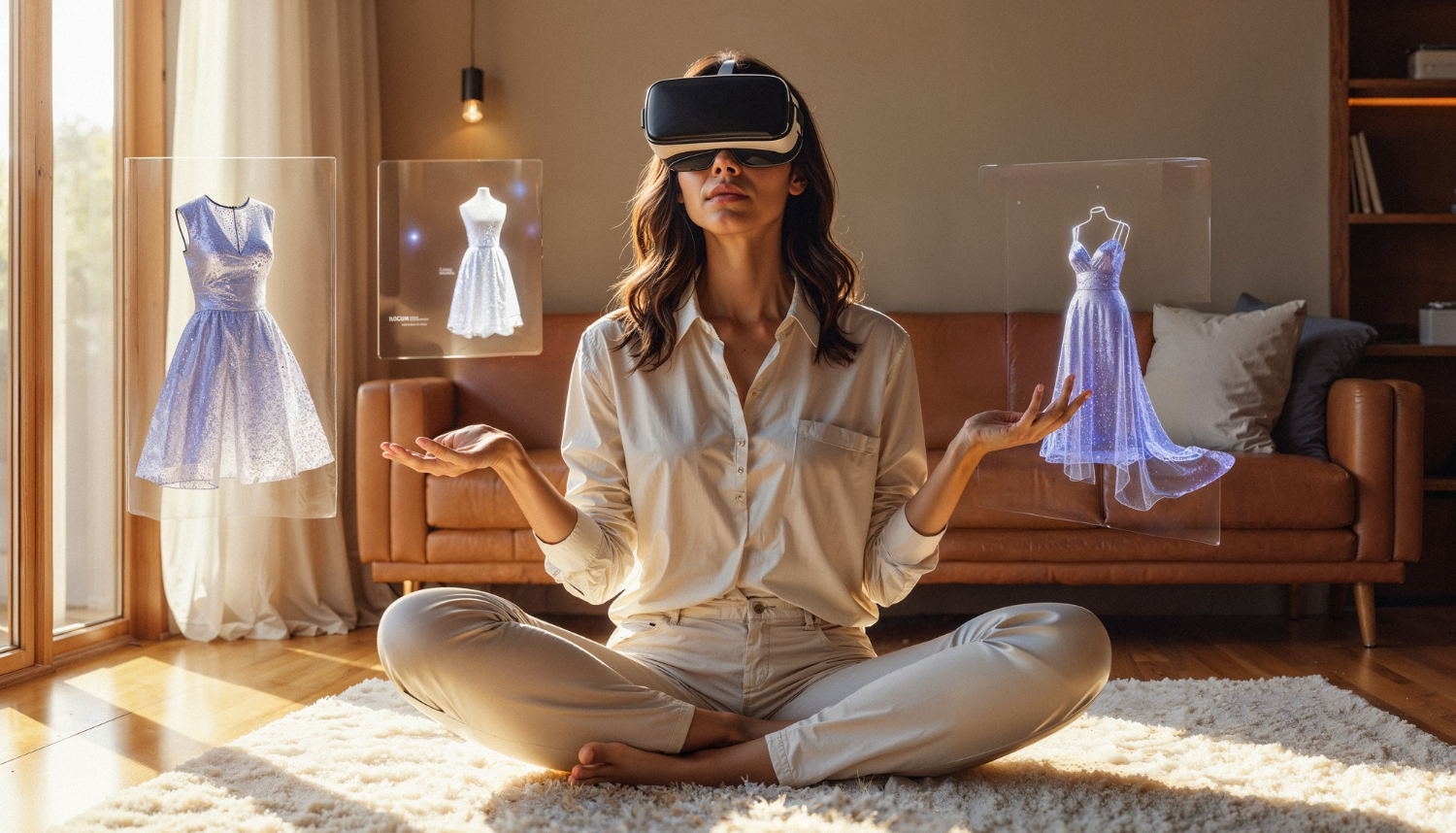
Virtual clothing is at the heart of the digital fashion economy. These are garments designed and rendered using computer graphics software, existing only as digital files. They can be “worn” by digital avatars in games, across social media platforms through augmented reality filters, or in fully immersive metaverse environments.
The idea of virtual clothes is not wholly new. Digital skins and clothing have been used by gamers to personalise their avatars for decades. The degree of realism, the increasing sophistication, and the growing popularity of these clothes are what are novel. In this field, companies like DressX and The Fabricant are pioneers, producing incredibly lifelike digital collections that are accessible to all users. Consider sharing a photo of yourself wearing a fantasy outfit that is only available online, dressing up your metaverse avatar in unique, limited-edition items, or trying on a designer dress using an augmented reality filter on your phone.
The appeal of virtual clothing trends is multifaceted. For consumers, it offers an accessible and often more affordable way to engage with high fashion, experiment with diverse styles, and express creativity without the environmental impact or financial commitment of physical garments. For designers, it removes the constraints of material limitations and physical production, opening up new avenues for artistic expression and innovation. It also provides a way for brands to connect with a younger, tech savvy audience that spends a significant portion of its time in digital spaces.
NFTs: Proving Ownership in the Digital Realm
Non Fungible Tokens, or NFTs, are a critical component of the digital fashion economy, particularly in establishing ownership and scarcity of virtual clothing. An NFT is a unique digital asset stored on a blockchain, a secure and transparent digital ledger. Unlike cryptocurrencies, which are “fungible” (meaning one Bitcoin is interchangeable with another Bitcoin), each NFT is unique and cannot be replaced by another identical item.
Within the fashion industry, NFTs signify possession of a particular digital garment, accessory, or even a one-of-a-kind digital artwork associated with a brand. You are purchasing a verifiable certificate of authenticity and ownership when you purchase a fashion NFT, not merely a digital file. In this way, virtual clothes are turned from easily replicable to valuable, collectible items.
Luxury brands have quickly embraced fashion NFTs. For example, Gucci has released NFT collections, sometimes tied to physical products, offering exclusive digital experiences and collectibles. Nike acquired RTFKT, a company known for creating digital sneakers and collectibles, highlighting their commitment to the digital fashion market. Dolce & Gabbana launched “Collezione Genesi,” a collection of nine unique NFTs that included both physical and digital items, blurring the lines between the two worlds. These examples show how NFTs create new forms of exclusivity and brand loyalty in the digital space.
NFTs also enable new business models for designers and brands. They can program royalties into the NFT, meaning they receive a percentage of every future sale of that digital item on the secondary market. This creates ongoing revenue streams and incentivizes continued creativity. Furthermore, the transparency of the blockchain helps combat counterfeiting, a long standing issue in the traditional fashion industry, by providing an immutable record of ownership and authenticity for virtual clothing.
The Metaverse: A New Frontier for Fashion
The metaverse is a collective, persistent, and immersive virtual environment where users can interact with each other, digital objects, and AI generated content through avatars. It is not a single platform but a network of interconnected virtual worlds, and it represents a significant opportunity for the digital fashion market.
In the metaverse, fashion is not just about what you wear on your avatar; it is about identity, status, and participation in virtual communities. Users can attend virtual fashion shows, visit digital boutiques, and purchase virtual clothing to personalize their avatars for various experiences, from gaming to virtual concerts and meetings. Brands are setting up virtual storefronts and experiences within popular metaverse platforms like Decentraland and Roblox, allowing users to engage with their products in new and interactive ways.
There are several ways in which the metaverse influenced fashion. Beyond geographic borders, it broadens fashion brands’ reach to a worldwide digital audience. Because designers are able to experiment with designs that would not be feasible in the real world, it encourages the development of new forms of creative expression. It blurs the distinctions between gaming, social media, and commerce while providing consumers with a new means of self-expression and participation in fashion culture. Virtual clothing trends will continue to develop and become more deeply rooted in our everyday digital lives as a result of the metaverse’s rise.
The metaverse also presents challenges and opportunities for the digital fashion market. Brands need to understand the unique dynamics of these virtual worlds, how to create engaging experiences, and how to build strong communities around their digital offerings. Interoperability, the ability to use virtual clothing and other digital assets across different metaverse platforms, is a key area of development that will further unlock the potential of this new economy.
The Growth and Evolution of the Digital Fashion Market
The digital fashion market is experiencing rapid growth, driven by technological advancements, changing consumer behaviors, and increasing awareness of sustainability. Market reports indicate significant projected growth, with the market size expected to reach billions of dollars in the coming years. This growth is fueled by factors like the increasing adoption of virtual try on technologies, the rise of avatar customization in gaming, and the growing interest in NFTs.
Traditional fashion houses are not the only players in this space. Digital native fashion brands are emerging, specializing exclusively in virtual clothing and fashion NFTs. These new players are often more agile and innovative, pushing the boundaries of what is possible in digital design. Collaborations between traditional brands and digital artists are also becoming common, blending established luxury with cutting edge digital creativity.
The evolution of the digital fashion economy also brings conversations about sustainability. By creating digital garments instead of physical ones, the industry can significantly reduce its environmental footprint. Less waste, fewer resources used in manufacturing, and reduced transportation emissions are major benefits. While the digital world still consumes energy, particularly with blockchain technologies, the potential for a more sustainable fashion future is a strong driving force behind its development. This move towards sustainability is one of the most compelling aspects of the digital fashion market.
Challenges and The Future
Despite its rapid growth and exciting potential, the digital fashion economy faces challenges. The high cost of creating sophisticated virtual clothing and fashion NFTs can be a barrier for smaller designers. Intellectual property rights in the digital space are still developing, leading to legal complexities. User adoption is also a factor; while tech savvy younger generations are embracing digital fashion, wider mainstream acceptance requires easier access and understanding of these new technologies.
Nonetheless, it seems that the digital fashion economy has a promising future. As 3D modelling, augmented reality, virtual reality, and blockchain technology continue to progress, virtual apparel will become more accessible, realistic, and a part of our everyday lives. We can expect increasingly complex virtual try-on experiences, which will enhance the immersiveness of online shopping. The metaverse will keep growing, providing more diverse spaces for online self-expression.
Conclusion
The convergence of physical and digital fashion is also a key trend. We may see more hybrid products, where purchasing a physical garment also grants you its digital twin as an NFT, allowing you to wear it in both the real and virtual worlds. This blurring of lines will further integrate digital fashion into our broader cultural landscape. The digital fashion market is not just a fleeting trend; it represents a significant paradigm shift that will reshape the industry for years to come, offering new avenues for creativity, commerce, and personal expression.