











The Economic Fallout of Fashion Waste and Overproduction
Although fashion has always moved quickly, the emergence of fast fashion in recent decades has significantly quickened that pace. The effects of this system are getting harder to overlook, even as the industry keeps releasing more styles at lower costs. The overproduction of fashion, the economy of fashion waste, and the hidden costs of sustainable fashion are some of the most urgent issues.
As trends turn over faster than ever before, brands manufacture far more clothing than consumers can reasonably wear. This overproduction has led to a mountain of unsold inventory, wasted resources, and an increasingly unstable economic model that burdens both producers and consumers. Meanwhile, efforts to move toward sustainability come with their own price tags, sparking debate over who should carry the cost of change.
Understanding Fashion Overproduction
The issue of fashion overproduction begins with the race to keep up with ever-changing consumer tastes. Brands churn out new collections every few weeks, hoping to meet demand and keep customers engaged. However, not every item sells.
Supply Beyond Demand
To remain competitive, fashion companies often produce more than necessary. This overproduction is driven by fear of stockouts, marketing-driven urgency, and the expectation of rapid trend turnover. As a result, global fashion manufacturers produce an estimated 100 billion garments annually, though a large portion never gets sold.
Cost of Excess Inventory
Significant financial costs are associated with unsold inventory. Brands’ profitability is directly impacted when they have to destroy or reduce unsold inventory. Companies occasionally burn or dispose of excess inventory to preserve brand exclusivity. These actions harm the environment and are inefficient from an economic standpoint.
The Rise of the Textile Waste Economy
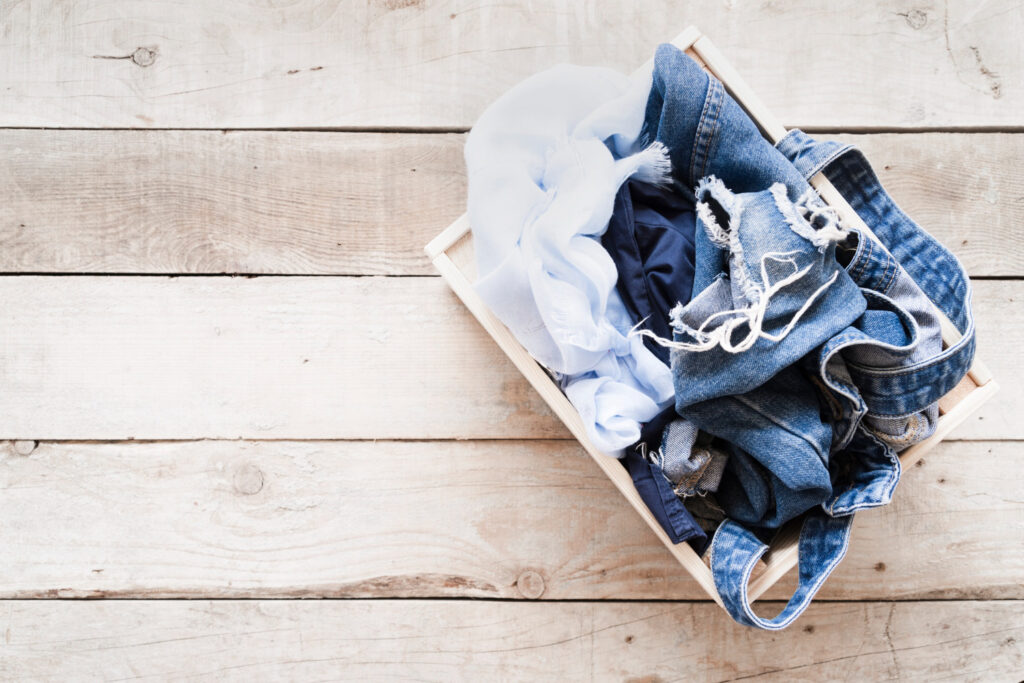
The textile waste economy is a byproduct of fashion’s high-volume model. From the start of production to end-of-life disposal, massive quantities of textiles are wasted every year.
Waste in Production
Even before garments reach store shelves, waste accumulates in cutting rooms and factories. Fabric offcuts, rejected pieces, and flawed designs are often discarded. Manufacturers dealing with large volumes may not have the infrastructure or incentives to recycle this material.
Consumer Disposal Habits
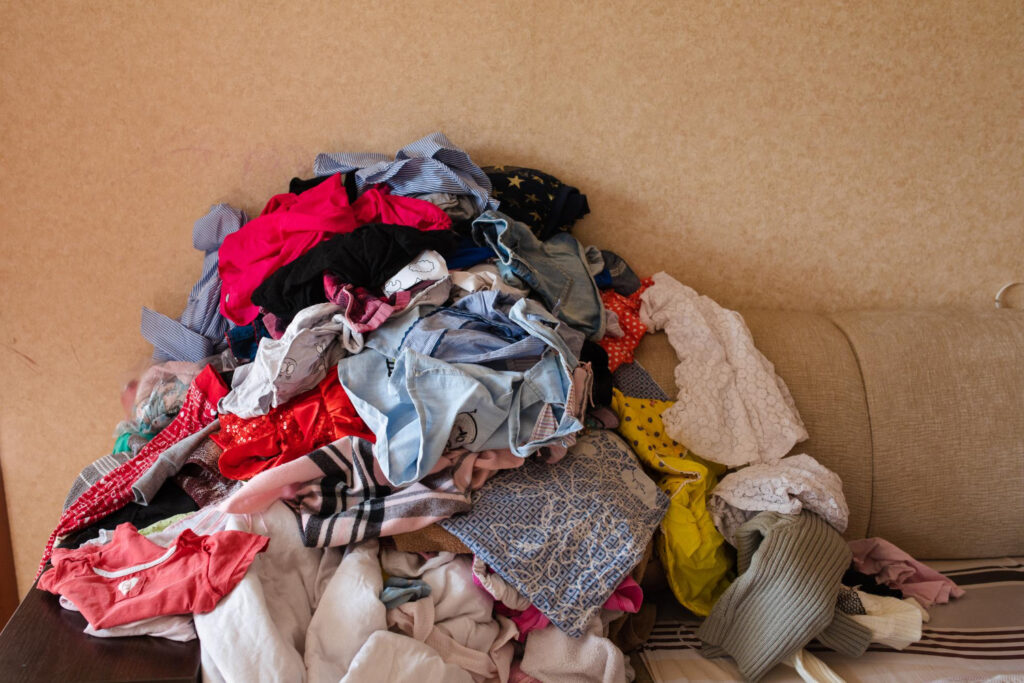
Once clothes are sold, the waste problem does not end. Consumers throw away clothing at alarming rates, often after only a few wears. In the United States alone, an estimated 11 million tons of textile waste end up in landfills each year. Globally, the numbers are even more staggering.
Resale and Recycling Challenges
Some of this excess is handled by donation centres and thrift stores, but they are only able to take so much. Technical and financial limitations continue to restrict the recycling of textiles into new clothing. A large portion of donations are sent to developing nations, where they either disrupt local textile industries or are disposed of as waste.
Environmental and Economic Consequences
The fallout of fashion overproduction and textile waste economy is not confined to warehouses and landfills. It has ripple effects throughout the global economy.
Resource Depletion
Producing textiles requires massive amounts of water, energy, and raw materials. Cotton farming, synthetic fiber production, and dyeing processes are all resource-intensive. Overproduction amplifies this burden by using resources for products that may never be worn.
Carbon Footprint and Pollution
The fashion industry is among the largest polluters globally. From greenhouse gas emissions to microplastic shedding from synthetic fabrics, the environmental costs are high. Overproduction contributes directly to these issues by increasing the volume of goods that need to be manufactured, transported, and ultimately disposed of.
Financial Losses
Brands suffer financial losses not just from unsold inventory but also from declining margins due to markdowns and waste management costs. Additionally, governments and municipalities spend public funds managing textile waste, making this an economic issue that affects taxpayers as well.
Sustainable Fashion Cost and Its Complexities
Sustainability has become a top priority for both consumers and fashion brands. However, there are drawbacks to the move towards environmentally friendly materials and ethical production, especially in terms of cost.
What Drives Sustainable Fashion Cost
Sustainable materials, fair labor practices, and eco-friendly production processes typically cost more. Organic cotton, recycled fibers, and natural dyes are more expensive than conventional alternatives. Labor costs rise when workers are paid fair wages and given safe working conditions.
Who Pays the Price
One of the ongoing debates is who should bear the additional cost of sustainable fashion. Should it fall on consumers through higher prices, on brands through reduced margins, or on governments through subsidies? At present, much of the burden is passed to consumers, limiting access to sustainable options for lower-income shoppers.
The Role of Transparency
Consumer trust is typically increased by brands that effectively convey the benefits and effects of sustainable practices. Transparency can result in better informed purchasing decisions and helps to justify the premium pricing. The economic feasibility of sustainable fashion is complicated by the fact that not all brands consistently practise transparency.
Retail Strategies in an Overproduced Market
The current fashion retail model is under strain. Overstocked shelves, aggressive discounting, and shortened product life cycles have made it difficult for businesses to sustain long-term profitability.
Just-in-Time Manufacturing
One strategy gaining traction is just-in-time manufacturing, where production occurs only after customer orders are received. This model reduces waste, lowers inventory costs, and responds more directly to consumer demand.
Data-Driven Forecasting
Advancements in data analytics have enabled more accurate demand forecasting. By understanding customer preferences and purchasing behaviors, retailers can produce closer to actual demand, thus minimizing overproduction.
Slow Fashion Movement
Some brands are embracing the slow fashion movement, which emphasizes quality over quantity. These companies release fewer collections annually and invest in timeless designs that do not go out of style quickly. While slower to produce, this approach can lead to more sustainable margins and brand loyalty.
Labor Market Pressures
The fashion industry is a major employer globally, especially in developing countries. However, overproduction and wasteful practices affect labor conditions and job security.
Job Insecurity
Factories often operate on tight deadlines and shifting order volumes. When brands overproduce and fail to sell, they may cancel or delay future orders, causing job instability for workers.
Ethical Labor Concerns
Subcontracting, a lack of supervision, and labour exploitation are frequently the results of attempts to reduce production costs. Sustainable fashion makes an effort to address these problems, but ethical labour practices usually result in higher costs, which further fuels the controversy surrounding the cost of sustainable fashion.
Government and Policy Interventions
Governments are increasingly aware of the environmental and economic damage caused by fashion waste. Some are taking steps to regulate the industry and promote more sustainable practices.
Regulations and Incentives
Policies such as extended producer responsibility laws require companies to take responsibility for the entire lifecycle of their products. Other measures include textile recycling targets, import restrictions on used clothing, and financial incentives for sustainable production.
Taxation on Waste
Some regions are exploring taxes on unsold inventory or landfill use to discourage overproduction. These measures aim to shift the cost of waste management from taxpayers to the producers themselves.
Consumer Behavior and Responsibility
Consumers play a crucial role in shaping the industry. Their purchasing habits influence how brands produce and market clothing.
Awareness and Education
More responsible shopping habits can result from campaigns that inform consumers about the economy of textile waste, overproduction in the fashion industry, and the cost of sustainable fashion. Waste can be greatly decreased by purchasing fewer, better-quality items and repairing and caring for clothing to extend its lifespan.
Support for Sustainable Brands
When consumers support brands that prioritize sustainability, it creates market pressure for others to follow. While not all consumers can afford premium pricing, even small shifts in behavior can make a difference over time.
Conclusion
Beyond its effects on the environment, fashion waste and overproduction have a global economic impact. Retail models, public resources, labour markets, and consumer welfare are all impacted. A system that needs to be reformed is reflected in the growth of the textile waste economy, and the high cost of sustainable fashion forces us to reconsider affordability and value. All parties involved must put forth effort to address these problems. In order to match production with demand, brands need to innovate. Governments must put supportive policies into place. Customers need to be more thoughtful about the decisions they make. The fashion industry can only move towards a more sustainable and financially secure future by working together.