



Shopping for Identity: Why We Gravitate Toward Certain Styles
Fashion is sometimes written off as superficial, but the things we wear reveal more about our values, identities, and self-perception. Each group is a complex web of psychological motivations, cultural cues, memories, and feelings. It takes more than a trend report to understand why we stick to particular styles. It reflects the relationship between the self and society, the past and the present, and the individual and the group. One question serves as the guide as we investigate the psychology of fashion choices that affect our purchasing and clothing choices. Why do we gravitate toward certain styles? The responses show how our clothing is a reflection of who we are.
The Psychology Behind What We Wear
Clothing is one of the most immediate and visible forms of self-expression. Before we speak, our clothes say something. This is where the psychology of fashion becomes important. What we wear is shaped by internal factors like mood and personality, and external influences like culture, status, and social groups.
Dressing for the Self and the Situation
It’s common for people to dress to reflect or change their emotions. Confident people might go for striking hues or well-defined shapes. They might choose looser fits and softer materials on a day when they want comfort or seclusion. A crucial aspect of the psychology of fashion choices is the fluid relationship between emotion and style. Our attire is also influenced by social contexts. What one might wear to a concert or on vacation is different from what one might wear to work. These changes aren’t random. They enable us to express our uniqueness while blending in with particular settings and navigating various social expectations.
The Impact of Early Experiences
Clothing preferences often stem from childhood memories, family traditions, and early exposure to certain aesthetics. Someone raised in a household that emphasized modesty may develop a preference for understated fashion. Another person who admired a stylish parent might adopt similar choices. These personal histories influence our clothing identity connection.
Clothing as a Symbol of Group Belonging
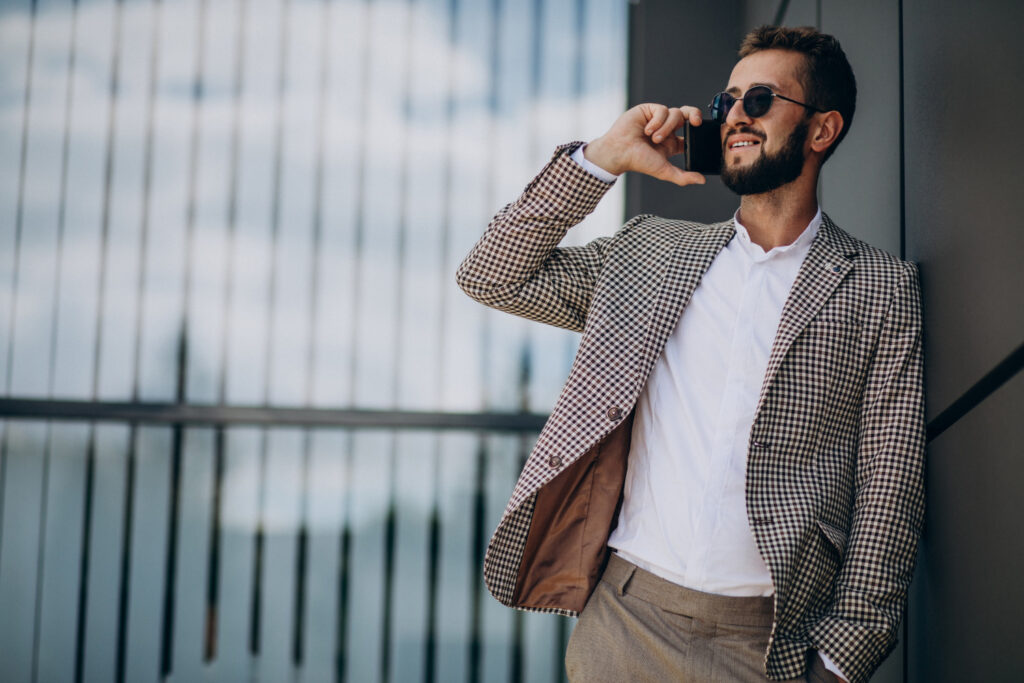
Fashion is also about inclusion and alignment. People often choose styles that reflect the groups they identify with or aspire to join. From high school cliques to professional networks to online communities, clothing serves as a silent badge of shared values or interests.
Subcultures and Certain Style Signals
Fashion is often used by subcultures to define themselves. Regardless of the genre; hip-hop, skateboarding, goth, or punk; each group uses style to indicate affiliation. These are powerful symbols. They give people a sense of belonging and convey identity without using words. This illustrates the larger relationship between clothing identity and the workplace. People are expressing more than just their personal preferences when they dress a certain way. Additionally, they are announcing that they belong to this group or that they support this culture.
Conformity and Rebellion
Sometimes, style choices reflect the desire to conform. Other times, they reflect rebellion. Both are valid forms of self-expression. Someone may wear formal business attire to fit into a corporate role, while another might choose eclectic vintage pieces to push back against mainstream fashion. These motivations are rooted in fashion choices psychology, which studies how individual personalities, values, and experiences influence the desire to stand out or blend in.
Why We Dress the Way We Do
The reasons behind our clothing choices are not always conscious. Some preferences emerge over time, shaped by repetition, comfort, and social feedback. Others are tied to life transitions, identity exploration, or aspirations.
Clothes as Storytelling Devices
People often choose clothes that help them tell a story. A graphic T-shirt may reflect a favorite band or political stance. A blazer might communicate ambition or professionalism. A flowing dress may project creativity or romance. Through these choices, individuals answer the question of why we dress the way we do. It is about presenting a curated image that feels authentic, strategic, or aspirational.
Identity Exploration Through Fashion
For many people, particularly the younger generation, fashion serves as a means of experimenting with various identities. Adolescents and young adults often try out different styles, trends, and subcultures to see what suits them. This process is essential to maturing and developing a solid sense of self. The ability to experiment with various styles allows people to discover their identities and potential. Evolution and self-reinvention are made possible by it.
Cultural Influence on Fashion Identity
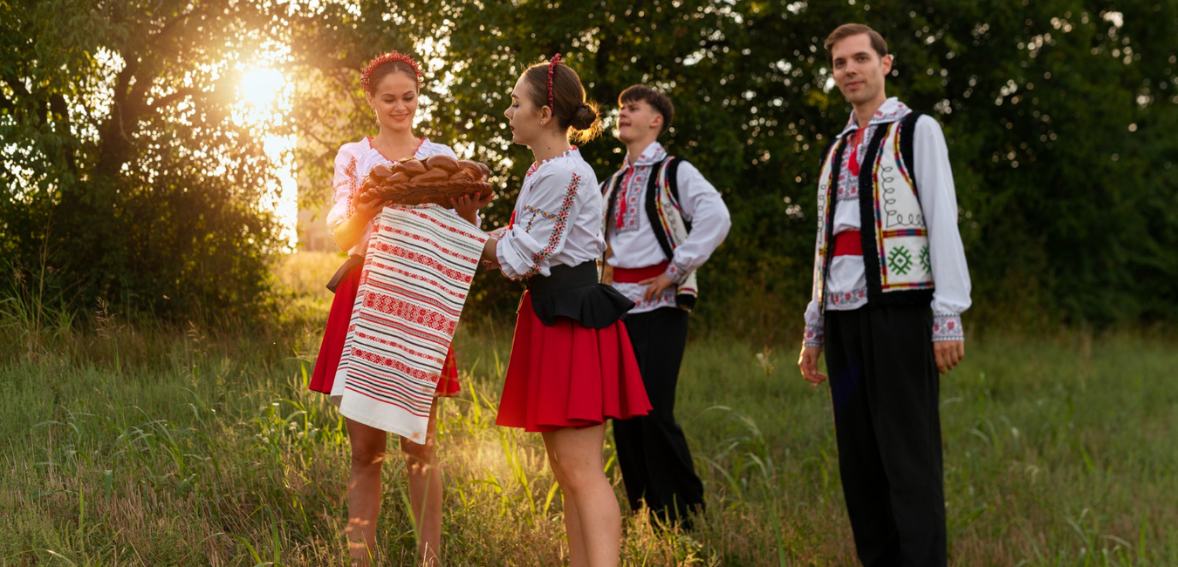
Culture plays a massive role in shaping how people dress. Traditions, norms, and media all influence what is considered appropriate, stylish, or desirable. These influences vary across regions, generations, and communities.
Globalization and Cross-Cultural Style
The blending of styles from many cultures is more common than ever in the connected world of today. Tokyo-inspired streetwear may be worn by someone in Paris. Scandinavian minimalism or African prints might be popular in New York. These worldwide influences broaden the range of options and enhance personal style. Simultaneously, this blending of aesthetics has complicated the psychology of fashion choices. It calls into question issues of authenticity, appropriation, and how crucial context is when making fashion decisions.
Media, Celebrities, and Social Influence
Celebrities, influencers, and digital media shape what is popular. When a public figure embraces a certain look, it often becomes mainstream. People emulate these figures because they represent success, beauty, or power. These aspirational styles influence why we dress the way we do. They provide reference points for self-presentation, often leading to mass adoption of certain trends.
Fashion as Resistance and Empowerment
Style is not just about fitting in. It is also a tool for resistance, empowerment, and reclaiming identity. Throughout history, marginalized communities have used fashion to assert pride, challenge stereotypes, and create space for visibility.
Fashion in Activism and Identity Politics
Clothing has been used to protest injustice, make political statements, and reclaim cultural heritage. From wearing black in solidarity movements to reviving traditional garments, fashion can carry powerful messages. This form of self-expression strengthens the clothing identity connection. It transforms fashion from a passive display into an active form of identity assertion.
Confidence and Self-Esteem
The right outfit can change how someone feels. It can boost confidence, shift posture, and influence behavior. When people feel good in their clothes, they often perform better, engage more, and express themselves more freely. This psychological uplift supports the idea that style is not just appearance. It is emotional armor, personal branding, and a declaration of worth.
Minimalism, Maximalism, and Modern Style Shifts
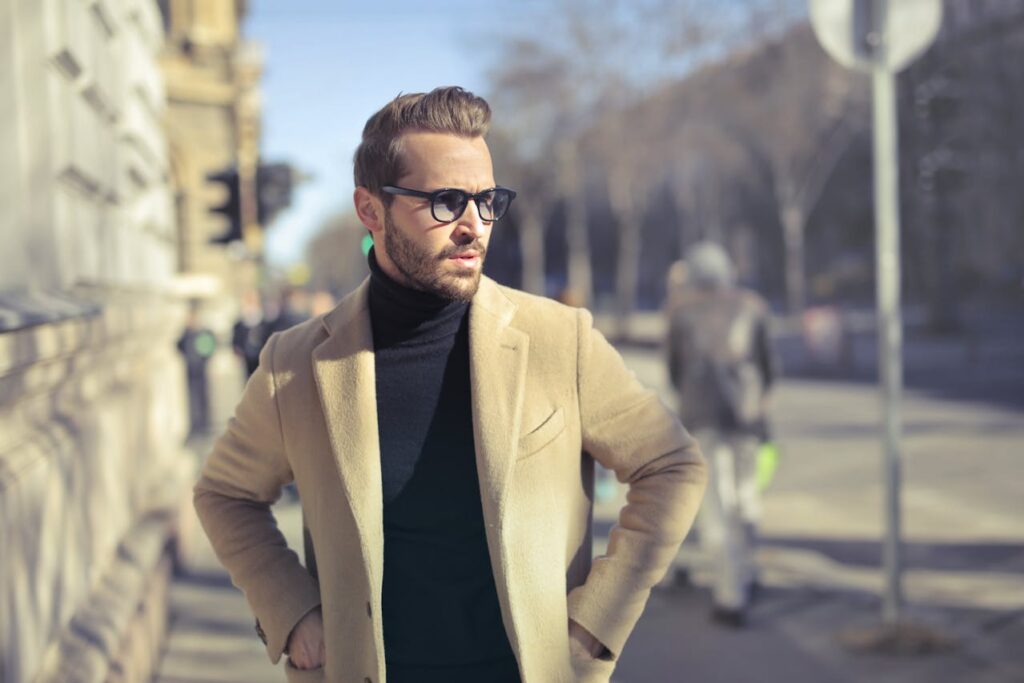
As style continues to evolve, two movements have emerged in recent years. Minimalism, with its clean lines and neutral tones, and maximalism, with bold prints and statement pieces, offer contrasting but equally expressive forms of dressing.
Dressing to Declutter or to Delight
Minimalists use fashion to reduce decision fatigue and highlight function. Their choices reflect a desire for simplicity and sustainability. Maximalists, on the other hand, dress to express joy, creativity, and individuality. Both approaches tie back to fashion choices psychology. One reflects a need for order, while the other reflects a need for self-celebration.
Fluidity and Gender-Neutral Fashion
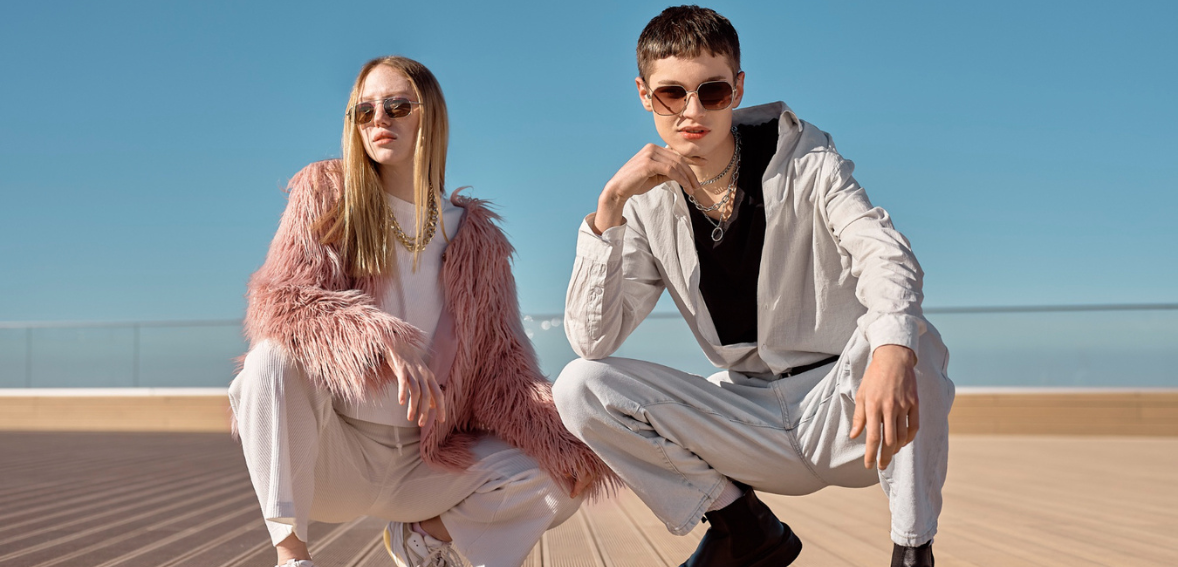
Traditional categories like men’s and women’s fashion are being questioned. Many people now embrace gender-neutral styles that allow freedom of expression beyond binary norms. This evolution expands the clothing identity connection and helps more individuals feel represented and seen in the fashion world.
Conclusion
Fashion is more than just appearances. It has to do with what feels real. Our individual histories, cultural influences, emotional states, and goals are all reflected in it. We often shop for identity when we buy clothes, trying to portray a picture of who we are or who we wish to be. We can appreciate the complexity of daily decisions when we comprehend the psychology of fashion choices.
It clarifies the strong identity connection between clothing and how we perceive ourselves and others. Fashion is fundamentally personal. It is influenced by our upbringing, emotions, and values. And it answers the question many of us ask quietly every day when we look into our closets: why do we dress the way we do?