







Cross-Cultural Style: How Social Platforms Merge Global Fashion Trends
Fashion has always been a universal language. From ancient trade routes where fabrics and designs traveled across continents to modern fashion weeks that showcase creativity from around the world, clothing has long reflected cultural exchange. But the way those influences spread today is very different. Social media platforms have made fashion a borderless industry where trends cross cultures in an instant and inspire people from all over. With Instagram, TikTok and Pinterest shaping our preferences, the idea of cross-cultural style exchange has never been more powerful. The digital world is not just reflecting fashion but also accelerating how global fashion trends are formed and shared.
What makes this era unique is that everyday people are part of the process. Unlike traditional fashion that was dictated by designers and magazines, social platforms have democratized influence. A teenager in Tokyo can inspire a stylist in New York, an influencer in Lagos can influence shoppers in Paris. This constant interaction creates a dynamic environment where global fashion influence gets stronger and richer. By merging cultural aesthetics, social platforms are not only reshaping the fashion industry but also redefining identity and community.
The Role of Social Platforms in Fashion
Social media platforms are the most powerful fashion runways of the 21st century. Instead of waiting for seasonal launches, we see and adopt styles in an instant. Instagram has highlights and curated feeds, TikTok thrives on short creative clips, Pinterest is a digital mood board. Together they amplify global fashion trends by connecting audiences across continents in real time. We don’t just consume fashion, we participate in it.
The interactive nature of these platforms means fashion is no longer top down but collaborative. Brands, influencers and everyday people contribute equally to the trends. This means cross-cultural style exchange is inevitable. A dance video from South Korea may feature streetwear that resonates in Europe, African print dresses online may inspire designers in America. These moments show how global fashion influence has moved from exclusive to inclusive, fashion is now a digital conversation.
Global Fashion Influence in the Digital Era
Historically fashion influence flowed from the cultural capitals like Paris, Milan, London or New York to the rest of the world. Today this hierarchy has shifted. Social media gives visibility to fashion voices from smaller cities and different regions, decentralizing power. A streetwear brand in Seoul or a jeweller in Jaipur can go global overnight with a viral post. This has created a cultural exchange where trends move faster and wider than ever before.
The rise of influencers has also played a big role in global fashion influence. Influencers represent authenticity and relatability which makes audiences trust their style choices. When they wear a piece of clothing from a specific culture, they expose it to their followers across borders. This ripple effect creates global fashion trends that are often more diverse than those created by luxury houses alone. It’s the inclusivity of the digital age and how fashion now reflects the global community.
Cross-Cultural Style Exchange Through Streetwear
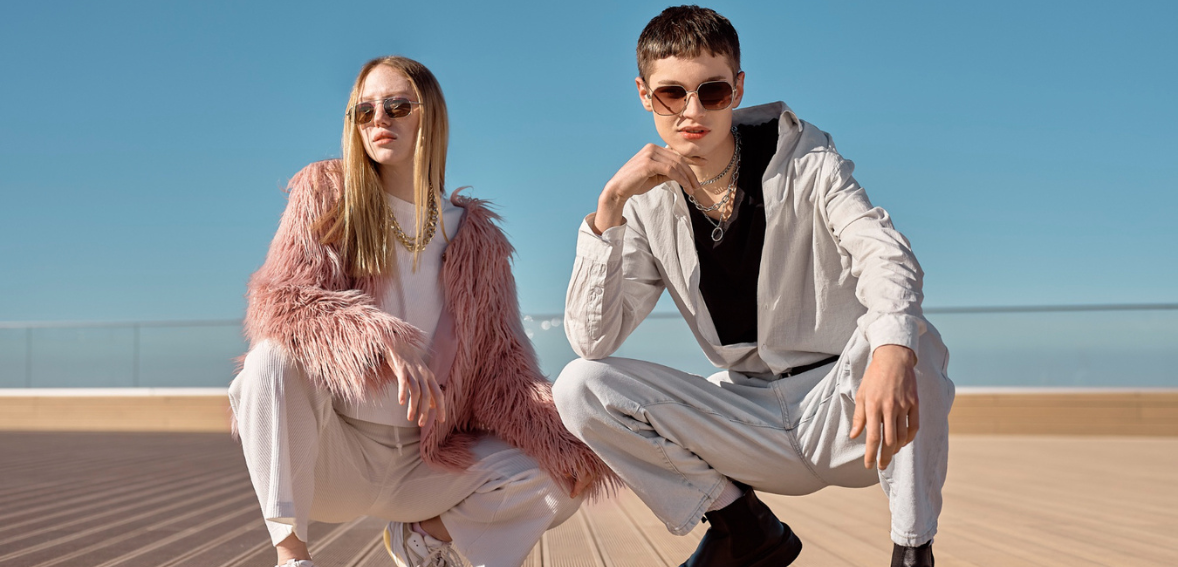
Streetwear has been one of the biggest examples of cross-cultural style exchange. What started as a subculture in the US has been adopted and reimagined worldwide. Japanese streetwear brands have added their own artistic flair, European designers have added high fashion elements. Social media is the stage where these styles meet, merge and gain momentum. A streetwear post from Tokyo can go viral in LA in hours, that’s how connected fashion is.
Streetwear is a global language. Sneakers, hoodies and graphic tees often carry cultural elements, from graffiti art to regional symbols. Social media amplifies these aesthetics and makes them desirable across markets. This is not a one way street but a two way street. While streetwear influences travel globally, local interpretations feed back into the international scene. This continuous cycle is how global fashion influence thrives in the digital ecosystem where borders no longer restrict creativity.
The Rise of Traditional Fashion in Global Trends
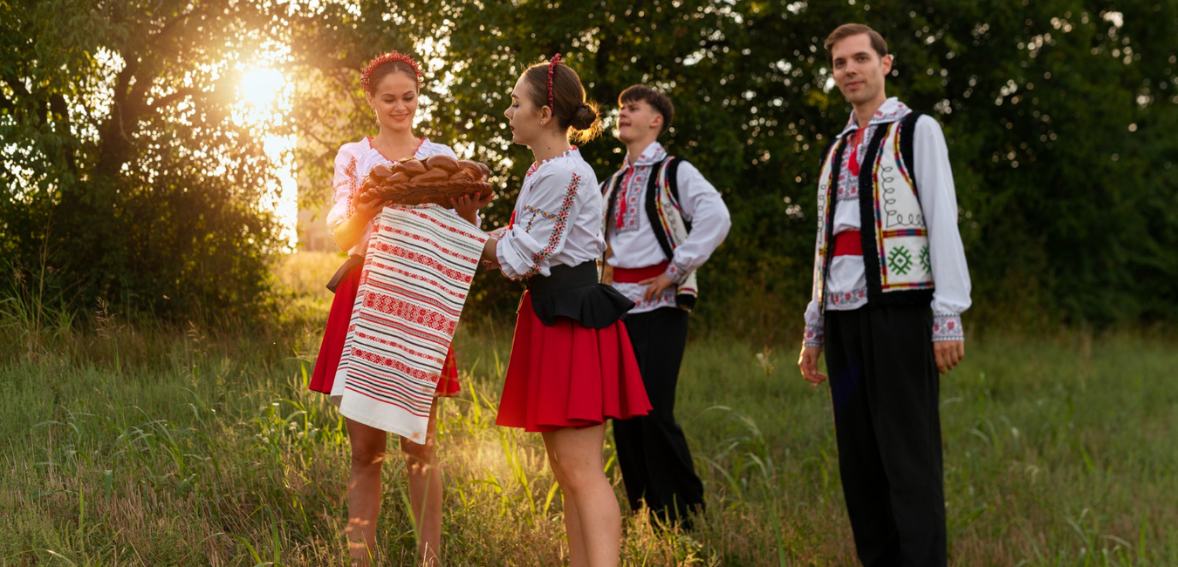
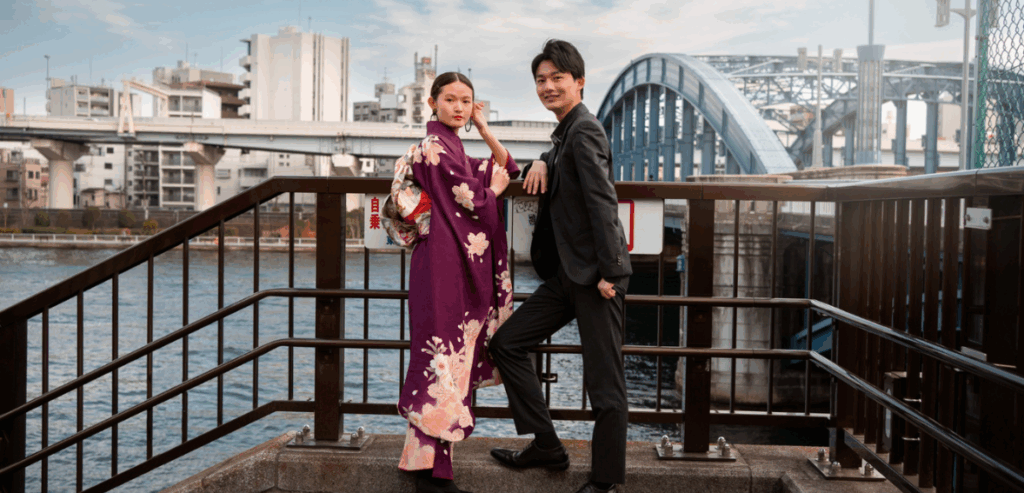
Cultural heritage has found new life on social platforms. Traditional garments that once stayed within cultural boundaries are now celebrated as part of worldwide fashion trends. For example, African prints, Indian saris, and Middle Eastern abayas are showcased with pride and embraced by global audiences. This exposure has helped reposition traditional clothing as fashionable, stylish, and modern while honoring cultural roots. By sharing these garments online, creators drive cross-cultural style exchange, giving ancient traditions a fresh relevance.
The acceptance of traditional styles highlights the inclusivity social platforms foster. Younger generations in particular embrace heritage wear not only as cultural expression but also as a style statement. Influencers often mix traditional and contemporary elements, showing how heritage can coexist with modern aesthetics. This blending resonates globally, making traditional attire part of global fashion influence rather than limiting it to regional importance. It reflects how fashion now serves both personal identity and global connection.
Worldwide Fashion Trends Driven by Virality
Virality has become the engine of worldwide fashion trends. A single video showcasing an outfit can influence millions within days. TikTok, in particular, has created viral challenges where fashion plays a central role. Whether it is styling a specific piece in multiple ways or showcasing outfits inspired by a cultural theme, virality ensures instant recognition and adoption. Social media algorithms further amplify this effect by recommending trending content across different regions.
The power of virality lies in its inclusivity. Anyone, regardless of background or status, can contribute to trend creation. This breaks down traditional barriers of fashion authority. Viral content often highlights cross-cultural style exchange, as creators experiment with clothing inspired by diverse traditions. The result is a fashion ecosystem that is both unpredictable and global. Trends no longer wait for runway shows but emerge organically from the interactions of millions of users worldwide.
The Blending of Luxury and Everyday Fashion
Luxury fashion has embraced social platforms to remain relevant in a fast-changing world. Brands now collaborate with influencers, release capsule collections, and engage directly with audiences online. At the same time, everyday creators share affordable fashion that resonates equally with global audiences. This merging of high fashion and everyday style underscores the fluidity of modern fashion. Luxury no longer exists in isolation but interacts with grassroots creativity on digital platforms.
This blending encourages cross-cultural style exchange, as luxury houses incorporate cultural motifs while local designers experiment with global aesthetics. The result is a more diverse representation of style, shaped by both elite and everyday voices. The inclusivity fostered by social media ensures that global fashion influence is no longer controlled by a select few but shared among many. Fashion becomes a dialogue, with luxury and everyday creators contributing equally to worldwide fashion trends.
Challenges in Cross-Cultural Style
While social platforms encourage inclusivity, they also raise concerns about cultural appropriation. Borrowing elements from another culture without respect or understanding can lead to misunderstandings and offense. The difference between appreciation and exploitation is subtle but significant. Fashion influencers and brands must navigate this carefully, ensuring they honor the origins of styles they adopt. Providing context and credit helps preserve authenticity while promoting responsible exchange.
Another challenge is the oversaturation of trends. With worldwide fashion trends changing so quickly, styles may lose their cultural depth when commercialized too rapidly. Social platforms thrive on speed, but fashion rooted in culture requires careful storytelling to maintain meaning. Ensuring that cross-cultural style exchange is built on respect rather than exploitation is crucial for its sustainability. Balancing speed, authenticity, and inclusivity remains one of the biggest tasks for global fashion in the digital age.
The Future of Global Fashion Influence
Looking ahead, global fashion influence will continue to expand as technology evolves. Augmented reality and virtual fashion are already redefining how people experience style online. Digital garments designed for virtual spaces are gaining popularity, and cultural influences are embedded even in these futuristic trends. The expansion of metaverse platforms may further accelerate cross-cultural style exchange, allowing individuals to experiment with cultural aesthetics in digital worlds.
At the same time, sustainability will shape the future of worldwide fashion trends. Consumers are becoming more conscious of environmental impact, demanding eco-friendly practices. Cultural fashion traditions often emphasize sustainability through handmade, long-lasting garments, making them highly relevant in this new era. Social platforms will continue to amplify these practices, merging cultural wisdom with modern needs. The fusion of tradition, technology, and sustainability promises a rich and diverse future for fashion.
The Impact of Influencer Culture on Style Exchange
Influencers are central to the rise of cross-cultural style exchange, acting as bridges between different regions and communities. Their ability to blend personal authenticity with global exposure makes them highly effective in spreading trends across borders. When an influencer from Brazil incorporates Japanese-inspired streetwear into their posts, or when a creator from Africa combines traditional fabrics with modern silhouettes, they showcase the depth of global fashion influence in real time. This visibility makes cultural appreciation accessible, inviting audiences to explore styles they may never have encountered otherwise.
What makes influencer-driven fashion powerful is its relatability. Followers trust creators who show how to wear diverse styles in everyday contexts. Unlike glossy magazine spreads, these posts feel personal and achievable, encouraging audiences to try them. The viral nature of platforms like TikTok magnifies this effect, quickly turning niche looks into worldwide fashion trends. By amplifying diverse aesthetics, influencers ensure fashion evolves into an inclusive dialogue that values cultural diversity while celebrating personal creativity.
The Role of Music and Pop Culture in Fashion Trends
Music and pop culture are inseparable from the way worldwide fashion trends are formed online. Genres like K-pop, hip-hop, and Afrobeat do more than entertain; they influence clothing styles across continents. Fans often emulate the outfits worn by their favorite artists, creating ripple effects that extend far beyond the original cultural context. A music video released in South Korea can inspire hairstyles in the United States, while an Afrobeat performer’s bold prints may influence European streetwear scenes. This interplay between music and fashion highlights the strength of global fashion influence.
Social platforms act as amplifiers in this process, where performance outfits and celebrity street style quickly go viral. The immediacy of sharing means fans adopt styles almost instantly, fueling cross-cultural style exchange. Beyond mere imitation, audiences mix these influences with their own cultural elements, leading to fresh interpretations. In this way, music becomes both a creative force and a cultural connector, pushing fashion into new territories while celebrating the richness of diverse traditions.
Sustainability and Ethical Considerations in Global Trends
As worldwide fashion trends spread rapidly across social platforms, conversations about sustainability and ethics have become increasingly important. Fast fashion brands often capitalize on viral styles, producing them quickly and cheaply, which raises concerns about waste, labor, and cultural appropriation. This tension has pushed audiences and creators to become more conscious of how cross-cultural style exchange should occur responsibly. Instead of mass-produced imitations, there is growing interest in sustainable collaborations that honor cultural heritage and ensure fair practices.
Influencers and brands now face greater accountability from audiences who value authenticity and ethics. Highlighting artisans, small designers, and traditional craftspeople allows for global fashion influence that uplifts rather than exploits. Social platforms are also being used to raise awareness, educating followers about the origins of trends and the importance of mindful consumption. This shift suggests that the future of cultural fashion online may balance speed with sustainability, ensuring that global style continues to grow without sacrificing respect for culture or the environment.
Technology and the Future of Cross-Cultural Fashion
Technology is pushing cross-cultural style exchange into new dimensions. Virtual fashion shows, augmented reality fitting rooms, and digital clothing for avatars are redefining how people engage with style. These innovations are not confined by geography, meaning a designer in India can present collections to audiences in Europe without leaving their studio. Such advancements reinforce global fashion influence, making fashion more inclusive and accessible than ever before.
Digital platforms also open space for experimenting with worldwide fashion trends in unique ways. Avatars in gaming communities or the metaverse often wear digital garments inspired by cultural aesthetics, blending tradition with futuristic creativity. While these digital pieces may not exist physically, they carry cultural narratives into global conversations. As technology continues to evolve, the merging of physical and virtual fashion will amplify cultural diversity, ensuring that cross-cultural fashion remains a central force in shaping how people express identity and creativity worldwide.
Conclusion
Fashion today transcends borders, driven by social platforms that foster real-time cross-cultural style exchange. Global trends now emerge simultaneously from diverse sources; Tokyo streetwear, African prints, Parisian luxury, and viral TikTok outfits; all contributing to a shared fashion ecosystem. This inclusivity makes fashion more diverse, representative, and reflective of a global society where clothing signifies identity, expression, and connection. As digital platforms evolve, they reinforce fashion’s role as a powerful cultural bridge. By promoting authenticity, respect, and inclusivity, social media not only shapes style but also deepens global understanding. Cross-cultural fashion is no longer a distant concept; it is shaping the present.