









African Print Revolution: How Ankara, Kente, and Mudcloth Took Over Street Style
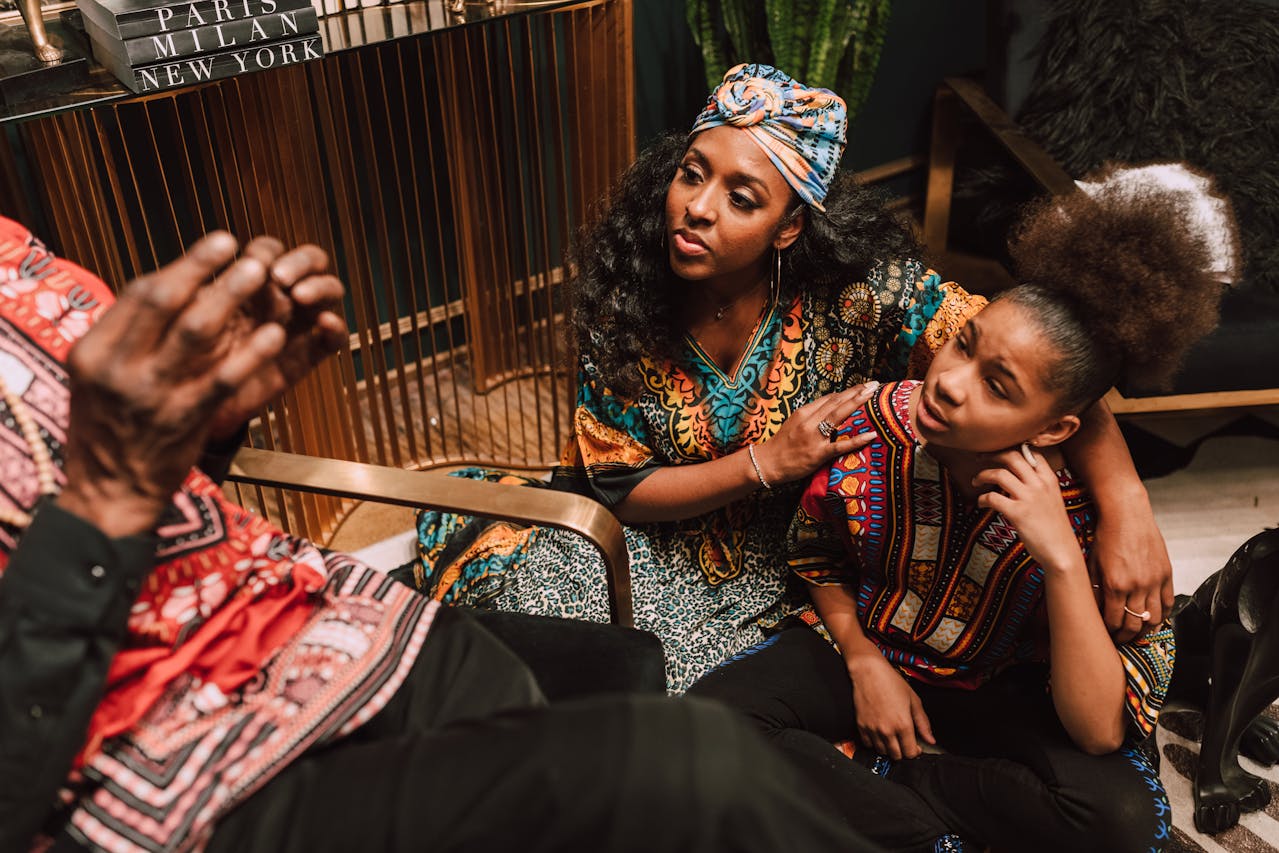
African textiles have traditionally represented culture, heritage, and narrative. Lively, striking, and steeped in tradition, textiles such as Ankara, Kente fabric, and Mudcloth have moved beyond their roots to become international fashion statements. From the roads of Lagos to New York and London, these fabrics are transforming modern streetwear, integrating tradition with contemporary design.
The African print revolution is more than just a trend—it’s a movement that celebrates identity, craftsmanship, and the influence of the African diaspora.
The Cultural Significance of African Textiles
Before diving into their global impact, it’s important to understand what makes these fabrics unique. African textiles are not just about patterns and colors; they carry deep cultural and historical significance. Each print tells a story, whether it’s about lineage, spirituality, or political statements.
- Ankara Fabric: Originally inspired by Indonesian batik, Ankara fabric has been embraced across West Africa. Its colorful and intricate patterns make it a favorite for clothing, accessories, and even home decor.
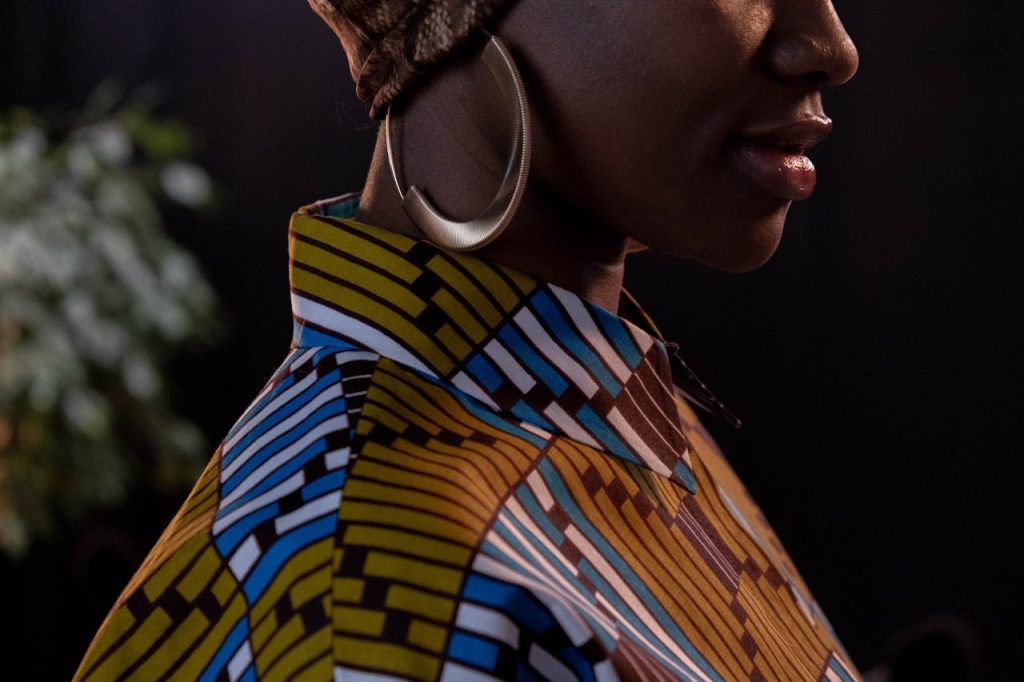
- Kente Cloth: Originating from Ghana, Kente cloth is handwoven and traditionally worn by royalty. Its geometric patterns and vibrant hues symbolize philosophical concepts and proverbs.
- Mudcloth: Also known as Bogolanfini, this Malian fabric is created using fermented mud dyes. The symbols painted on Mudcloth have meanings related to history, protection, and spirituality.
These textiles have moved beyond their traditional uses and become prominent in global fashion, especially in streetwear.
How Ankara, Kente, and Mudcloth Took Over Street Fashion
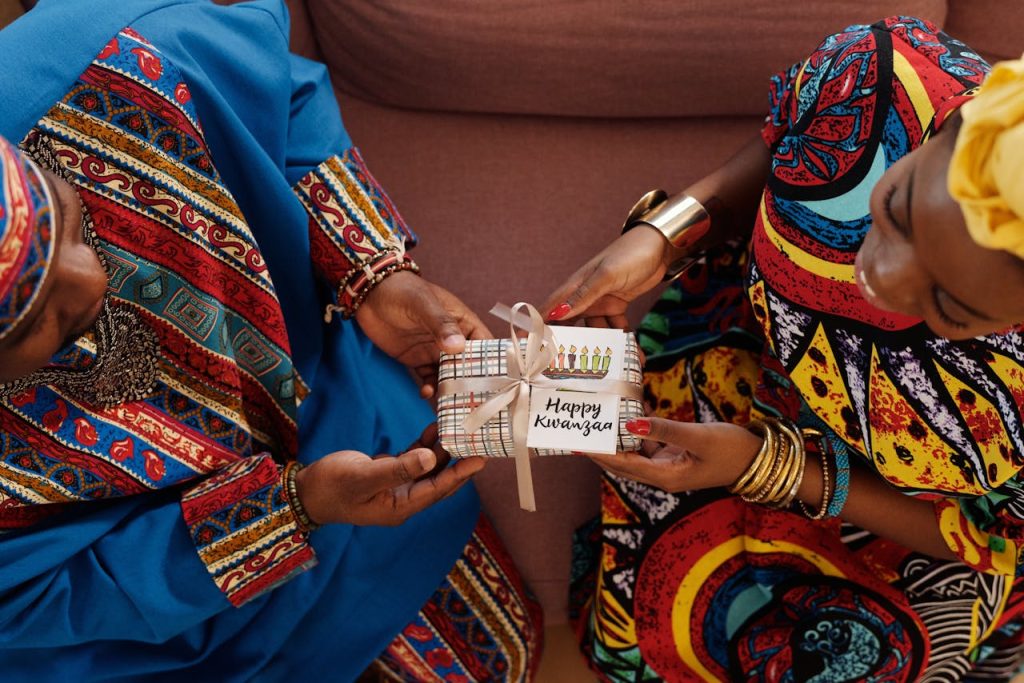
African textiles’ versatility and cultural depth are demonstrated by their widespread appeal in street fashion. These textiles provide a distinctive fusion of the past and present, whether they are used to create high-end fashion items or modern streetwear. African heritage is becoming more and more valued in mainstream fashion, as seen by the incorporation of Ankara, Kente, and Mudcloth into daily attire.
1. The Rise of African Prints in Urban Wear
The street fashion scene is renowned for its bold experimentation and blending of cultures. The incorporation of African prints into this space has been embraced by celebrities, influencers, and designers. Their ability to infuse modern styles with vivid color and narrative components is what makes Ankara, Kente, and Mudcloth fabrics so alluring.
In urban fashion, the use of these prints in denim, sneakers, hoodies, and bomber jackets shows a move toward cultural appreciation. These fabrics are being proudly worn by people from a variety of backgrounds, reinventing street style with African influences.
2. Influence of the African Diaspora
The African diaspora has played a significant role in popularizing African textiles worldwide. With migration and cultural exchange, these fabrics have found their way into international fashion hubs. Influential Black designers, musicians, and artists have been instrumental in making African textiles mainstream.
For instance, global superstars like Beyoncé, Rihanna, and Burna Boy have been seen rocking Ankara outfits, Kente prints, and Mudcloth designs. Their influence on pop culture has propelled these fabrics into everyday streetwear, making them symbols of cultural pride and self-expression.
3. Designers Embracing African Textiles
African textiles are being used by fashion designers worldwide to create their collections. Designers are coming up with creative ways to incorporate these fabrics into modern designs for everything from luxury fashion houses to small independent brands.
Ankara fabric has been featured in sophisticated dresses, suits, and contemporary streetwear by brands such as Stella Jean, Ohema Ohene, and Duro Olowu. In a similar vein, African-American designers like Kerby Jean-Raymond of Pyer Moss have created a new wave of Afrocentric luxury by incorporating Kente cloth and Mudcloth into their high-end collections.
4. Street Style and Social Media Influence
Social media platforms have been crucial in amplifying the African print revolution. Fashion influencers and content creators frequently showcase Ankara jackets, Kente-infused sneakers, and Mudcloth-inspired accessories, inspiring a global audience.
Instagram, TikTok, and Pinterest are flooded with street-style enthusiasts rocking African textiles in innovative ways. The visibility of these fabrics on social media has encouraged more people to incorporate them into their wardrobes, further fueling the trend.
5. Sustainable Fashion and Ethical Production
The popularity of African textiles has also been influenced by the desire for sustainable and ethical fashion. Using natural dyes and handwoven techniques, many African fabric production methods are eco-friendly. These textiles appeal to consumers who value sustainability because they are genuine and well-made.
Additionally, encouraging fair trade policies and maintaining traditional craftsmanship are two benefits of supporting African designers and textile makers. Purchasing African textiles is an investment in ethical fashion and cultural heritage, not just a fashion statement.
The Future of African Textiles in Fashion
The future of African textiles in street fashion looks promising. As more designers and fashion enthusiasts embrace these fabrics, the global fashion landscape will continue to evolve, blending heritage with modernity.
Some key trends to watch include:
- Tech-Infused Designs: Smart textiles integrating African prints with wearable technology.
- High-Fashion Collaborations: More luxury brands collaborating with African designers to bring these textiles to the global stage.
- Customization and DIY Culture: People creating their own Ankara, Kente, and Mudcloth outfits, adding a personalized touch to street fashion.
With increasing representation and appreciation, African textiles are set to become an even bigger force in global fashion.
Conclusion
A celebration of culture, history, and identity, the African print revolution is more than just a fad. The traditional origins of Ankara, Kente, and Mudcloth fabrics have been transformed into modern street fashion. Social media, the African diaspora, and ethical fashion movements are all contributing to their growing global influence.
The increased awareness of these textiles serves as a reminder of Africa’s rich cultural heritage and artistry. A striking Ankara bomber jacket, a chic Kente sneaker, or a handcrafted Mudcloth hoodie—African textiles are here to stay, and their colorful, meaningful designs will continue to influence street style in the future.