









Kimono to Streetwear: The Transformation of Traditional Asian Fashion in the West
Asian fashion has had a significant impact on international fashion, transforming deeply held cultural customs into current fashion trends. Reimagining traditional clothing, modernizing hanbok styles, and incorporating aspects of Japanese fashion have become popular in the West in recent years. Asian influences are still growing in modern fashion, from streetwear inspired by traditional motifs to kimono trends that grace runways.
The Historical Significance of Traditional Asian Fashion
Traditional Asian fashion reflects centuries of cultural heritage, craftsmanship, and symbolism. Each garment tells a story about its place of origin, societal influences, and artistic evolution. While these attires were once worn as part of daily life, modern fashion has transformed them into statements of identity and pride. This evolution has led to a resurgence of interest in these traditional styles, both in Asia and across the globe.
The Kimono: Japan’s Iconic Garment
The kimono is a cornerstone of Japanese fashion, symbolizing elegance, heritage, and craftsmanship. Historically worn by people of all classes, the kimono was a versatile garment that denoted status and occasion. However, with modernization, daily kimono wear declined in Japan. Today, the garment is largely reserved for formal events such as weddings, tea ceremonies, and festivals.
In spite of this change, kimono fashion has returned to the modern era, influencing streetwear brands and Western designers. Traditional and modern styles have been combined through the use of kimono silhouettes in coats, jackets, and flowing robes.
The Hanbok: Korea’s Cultural Treasure
The hanbok, a vibrant and structured traditional Korean outfit, was once everyday attire but is now primarily worn for special occasions. Designers have introduced hanbok modernized styles, incorporating Western tailoring and softer materials, making the attire more wearable in daily life.
With the rising popularity of Korean culture globally, hanbok elements have surfaced in Western streetwear. The influence is seen in oversized sleeves, layered skirts, and intricate embroidery techniques that blend tradition with contemporary aesthetics.
The Cheongsam and Ao Dai: Elegance from China and Vietnam
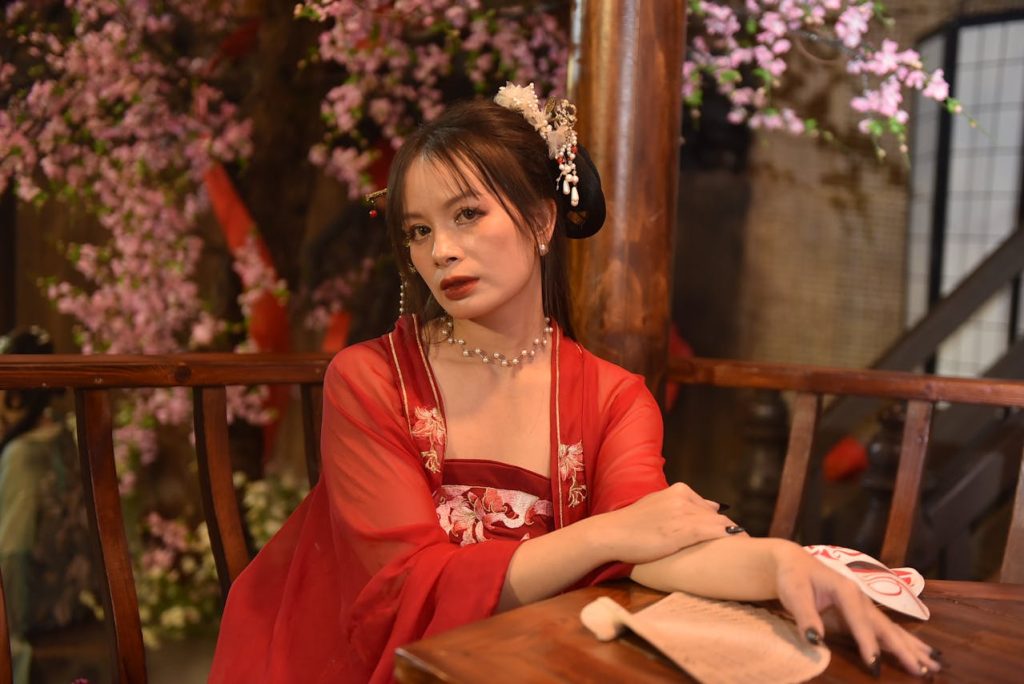
The cheongsam (qipao) from China and the ao dai from Vietnam embody feminine elegance. Their fitted silhouettes and high collars have been modernized into dresses and tops that merge traditional motifs with contemporary cuts.
From silk dresses with dragon patterns to modern two-piece sets, these garments showcase how Asian attire is being reinvented to suit global tastes. The reinvention of these traditional garments reflects the balance between cultural preservation and fashion innovation.
The Rise of Asian Influence in Western Fashion
The elaborate craftsmanship and distinctive aesthetics of Asian fashion have long been admired. Western fashion has gradually incorporated elements of traditional Asian clothing over the years, influencing everything from streetwear to haute couture. An appreciation of Asian styles that is more thoughtful and respectful has replaced the initial inspiration that came from exoticized depictions. This increasing integration emphasizes how pop culture, global interconnectedness, and changing ideas about traditional fashion in a contemporary setting have an impact.
Early Influence: Orientalism in Fashion
Western fascination with Asian aesthetics dates back centuries. The late 19th and early 20th centuries saw Japanese fashion influencing Parisian couture, with designers such as Paul Poiret drawing inspiration from kimono silhouettes.
During the 1960s and 1970s, kimono trends gained popularity in the West, with designers like Yves Saint Laurent and Issey Miyake incorporating flowing robes, obi belts, and intricate embroidery into their collections. However, these designs often exoticized Asian culture rather than authentically celebrating it.
Modern Era: Respectful Adaptation and Fusion
The traditional reinvention of fashion is now approached with greater respect and cooperation. By actively influencing trends, Asian designers, influencers, and brands preserve cultural authenticity. This has caused coats and jackets with kimono designs to become popular in both high fashion and casual wear. Today’s hanbok modernized skirts and dresses combine traditional elements with modern textiles to create a hybrid style that appeals to a wide range of consumers.
Streetwear brands have also incorporated cheongsam prints and embroidery, seamlessly merging heritage and modern aesthetics. Additionally, collaborations between Asian and Western designers promote genuine representation rather than cultural appropriation, fostering mutual appreciation rather than commodification.
The Kimono’s Transformation: From Tradition to Trend
The evolution of the kimono from a traditional garment to a global fashion statement highlights the adaptability of cultural attire. While the kimono remains an important symbol of Japanese heritage, its transformation into contemporary wear reflects a fusion of past and present. This shift is evident in both high fashion and streetwear, where designers incorporate kimono elements to create modern interpretations that retain cultural significance while embracing new trends.
High Fashion Adoptions
Luxury brands such as Gucci, Louis Vuitton, and Alexander McQueen have all featured kimono trends in their collections. Flowing robes, wide sleeves, and obi-inspired belts have made their way into haute couture and ready-to-wear fashion, redefining how traditional garments can be interpreted in modern contexts.
Streetwear Adaptations
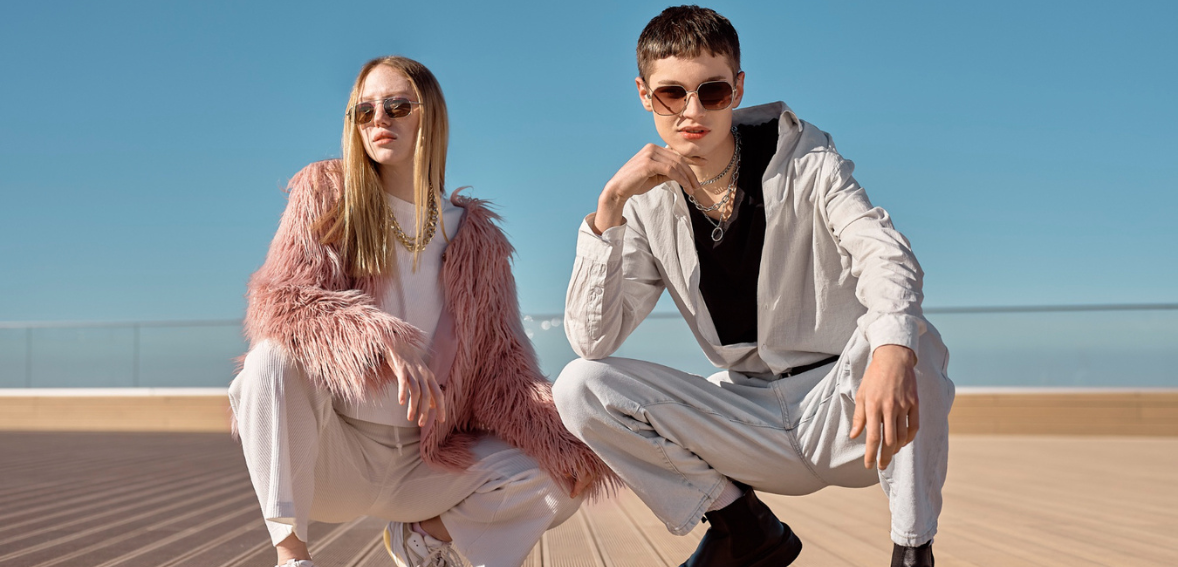
The impact of Asian culture on streetwear goes far beyond just luxury. Labels such as Supreme, Comme des Garçons, and Yohji Yamamoto have transformed the styling of kimonos. Jackets in kimono style combined with sneakers, baggy t-shirts, and denim present a contemporary interpretation of a timeless custom. The informal transformation of kimono fashion has made it more accessible, enabling individuals to incorporate cultural elements into their daily attire.
Hanbok Modernized: Korea’s Take on Contemporary Fashion
The hanbok has long been a symbol of Korean identity, characterized by its vibrant colors, structured lines, and elegant flow. While it remains a cherished part of Korean culture, recent years have seen its reinvention for modern fashion. This transformation has been driven by designers seeking to balance heritage with practicality, making hanbok-inspired clothing more adaptable for everyday wear. By blending traditional craftsmanship with contemporary materials and silhouettes, the hanbok has seamlessly transitioned from ceremonial attire to a dynamic part of global street fashion.
K-Pop and the Globalization of Hanbok
Korean pop culture has played a significant role in the hanbok modernized movement. Idols such as BTS and BLACKPINK have worn contemporary hanbok pieces in music videos, sparking global interest in the attire. These modernized versions incorporate elements of streetwear and high fashion, making hanbok more adaptable to various occasions.
Everyday Hanbok in Street Style
Hanbok has been redesigned for daily wear by designers like Danha and Leesle, making it appropriate for informal occasions. For a casual yet elegant look, wide-leg hanbok pants are now worn with crop tops, and flowing hanbok skirts are worn with sneakers. In order to combine cultural heritage with modern fashion sensibilities, embroidered jeogori (jackets) are also being worn over contemporary clothing.
These reinterpretations allow the hanbok modernized style to thrive in both Asian and Western fashion scenes, making traditional attire more accessible to younger generations.
Traditional Reinvention: The Cheongsam and Ao Dai in Contemporary Fashion
The cheongsam and ao dai have undergone significant reinventions to suit modern tastes. Designers have reworked high slits into functional, stylish cuts while using breathable fabrics to replace stiff silk. Contemporary adaptations have also incorporated streetwear aesthetics, such as hooded qipaos and ao dai-styled tunics, allowing these garments to transition seamlessly into urban fashion landscapes.
The reinvention of these garments showcases how cultural fashion can evolve without losing its essence. By modernizing traditional attire, designers ensure that these styles remain relevant while honoring their historical significance.
Challenges and Controversies in Adopting Asian Fashion
While the rise of Asian influence in global fashion is exciting, it has also sparked debates on cultural appropriation versus appreciation. Some brands use Asian aesthetics without understanding their cultural significance, leading to misrepresentation. The exoticization of traditional garments as mere costumes rather than as significant cultural symbols has also raised concerns.
Another issue is the lack of Asian representation in the global fashion industry. Often, Western designers profit from these styles without involving Asian creators. However, collaborations with Asian designers and influencers are helping address these concerns, ensuring that fashion celebrates heritage authentically while avoiding cultural exploitation.
The Future of Asian-Inspired Streetwear
Modern fashion and traditional Asian clothing are constantly combining to create distinctive looks that strike a balance between tradition and modern beauty. Brands and designers are pushing boundaries, reimagining cultural influences in new and creative ways. This movement makes sure that traditional clothing isn’t just a thing of the past and that it still has value in the rapidly evolving world of fashion.
Sustainability and Ethical Fashion
Sustainability is becoming a key focus in Japanese fashion and other Asian-inspired designs. Many brands are incorporating traditional dyeing techniques, natural fabrics, and ethical production methods into their collections. This shift ensures that the cultural significance of these garments is preserved while aligning with contemporary values of sustainability and eco-consciousness.
Technology and Fashion
Asian innovation is shaping the future of kimono trends and traditional wear. Smart textiles, 3D printing, and AI-driven designs are redefining how cultural garments can be worn in modern society. These advancements create new opportunities for preserving traditional craftsmanship while making fashion more adaptable and functional.
Cross-Cultural Fashion Exchanges
Future trends might see more fusion clothing combining Western cuts with modernized hanbok styles as East and West continue to influence one another. The industry’s future will also be influenced by the growth of gender-neutral traditional clothing and the growing number of Asian designers in international fashion houses. The international fashion scene can keep developing in a way that is inventive, inclusive, and respectful of heritage by embracing these cross-cultural exchanges.
Conclusion
The transformation of Asian traditional fashion into modern streetwear is a testament to the global appreciation of heritage styles. From kimono trends influencing high fashion to hanbok modernized pieces redefining street style, Asian aesthetics have found a place in contemporary wardrobes.
Fashion can embrace innovation while respecting tradition by fostering respectful adaptation and teamwork. The combination of contemporary design and cultural heritage will continue to influence how the world of fashion develops in the future.