










The Influence of African Prints on Global Fashion Trends
African textiles, celebrated for their vivid patterns and deep cultural meaning, have significantly influenced worldwide fashion. Among these, Ankara fabric is distinguished by its vibrant patterns and hues. Let’s examine the path of African prints, tracing their evolution from traditional clothing to global fashion shows, emphasizing their cultural impact and incorporation into worldwide trends.
The Rich Heritage of African Textiles
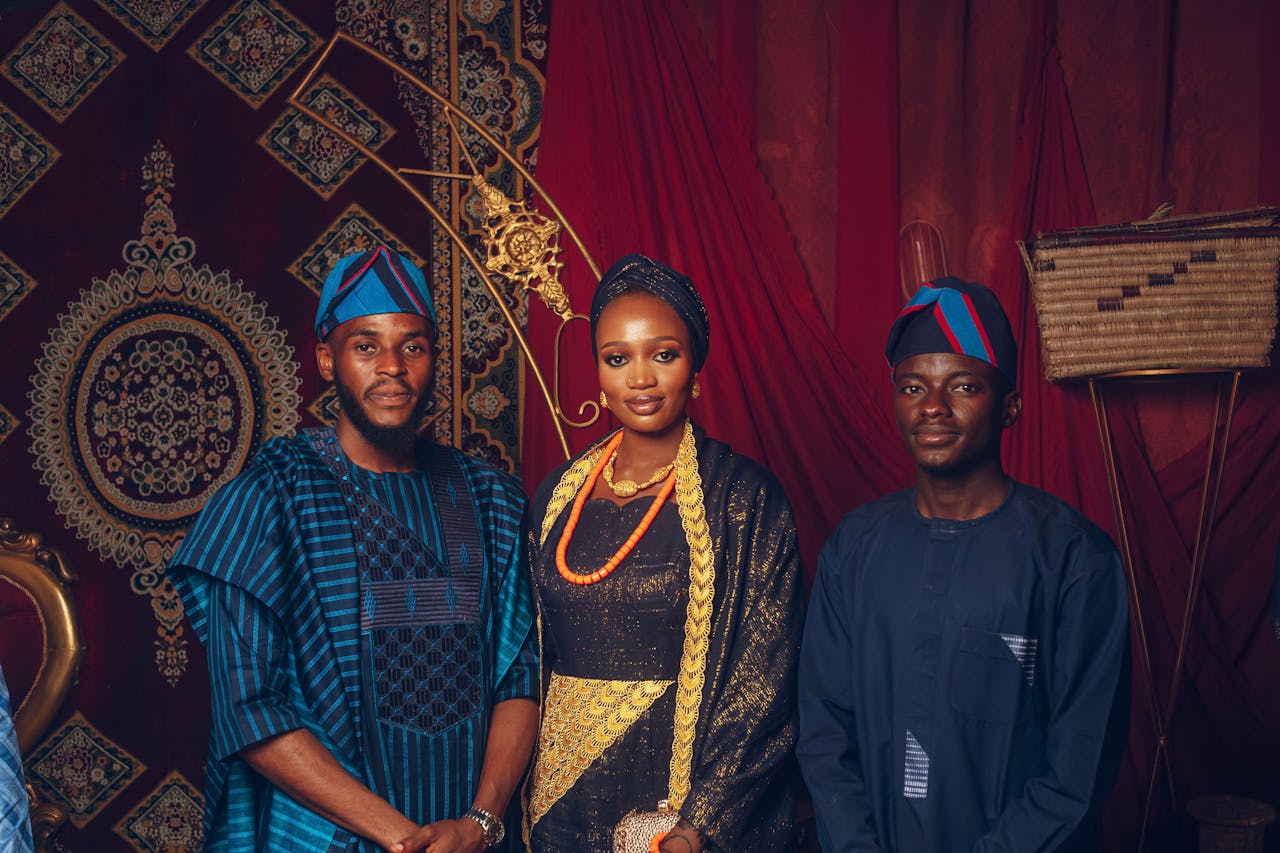
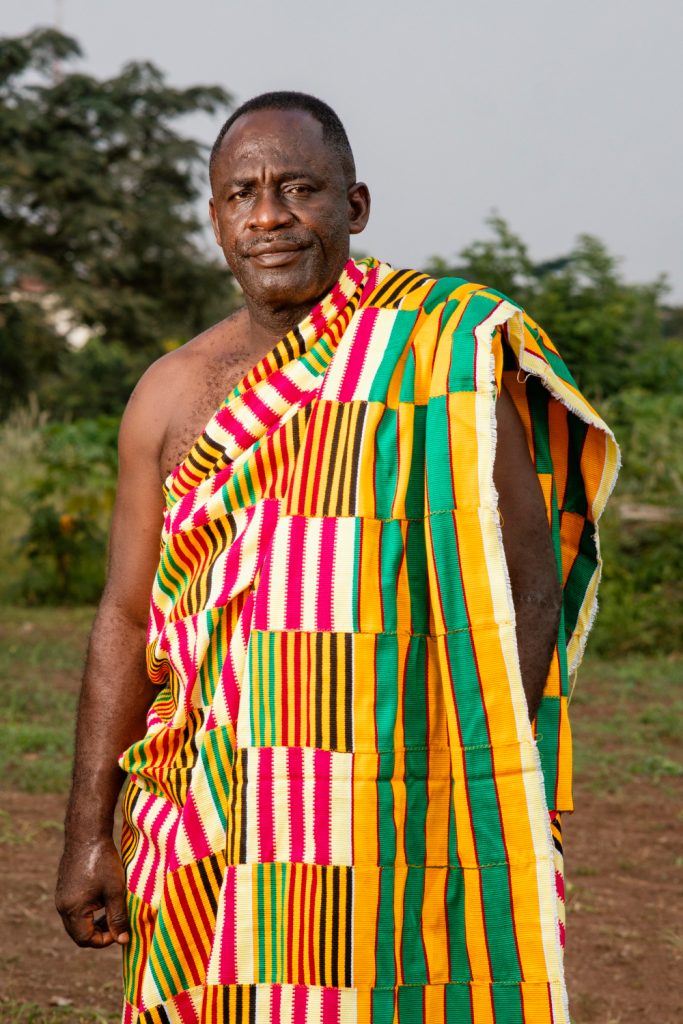
African textiles are deeply embedded in the continent’s history and culture. Each region boasts unique fabrics, weaving techniques, and dyeing methods that convey stories, social status, and traditions. For instance, Kente cloth from Ghana is characterized by its multicolored patterns, each design holding specific meanings related to proverbs, historical events, or human behavior. Similarly, Adire fabric from Nigeria showcases indigo-dyed patterns created through resist-dyeing techniques, symbolizing various cultural narratives.
These textiles act not just as garments but also as means of expression. Designs and hues are frequently selected to communicate messages, honor important occasions, or indicate community belonging. The artistry required to create these textiles—hand-weaving, dyeing, and embroidery—embodies a strong link to tradition and identity.
The global appreciation of African textiles has grown over time, with designers and fashion enthusiasts recognizing the intricate artistry and cultural depth they represent. This acknowledgment has paved the way for African prints to influence fashion trends worldwide, blending traditional aesthetics with contemporary designs.
Ankara Fabric: From Local Craft to Global Fashion Staple
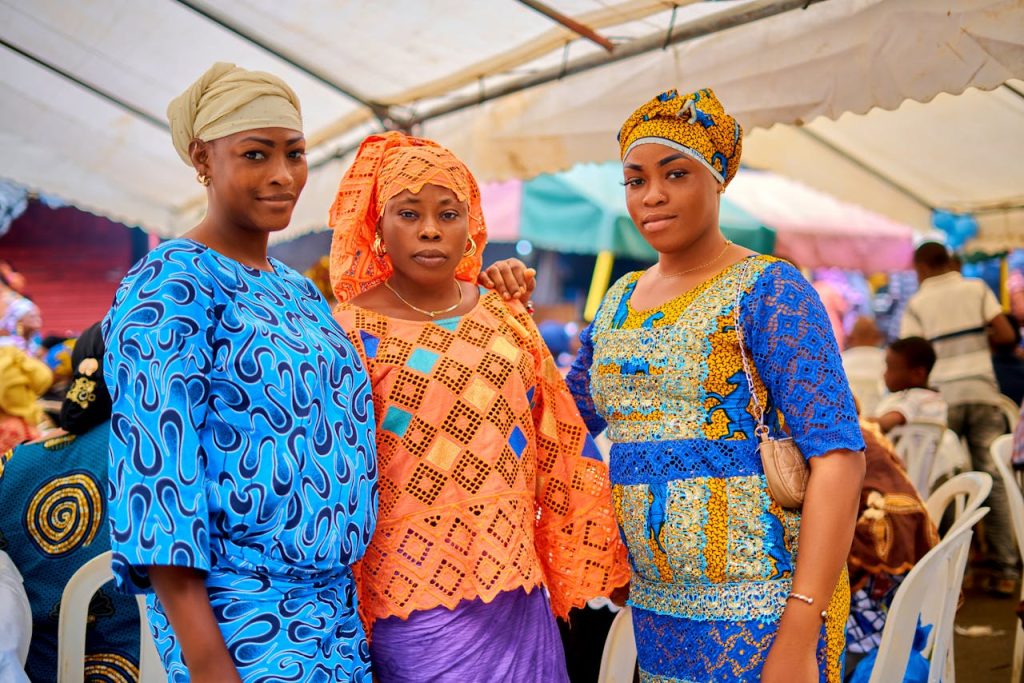
Ankara fabric, also known as African wax print, has a fascinating history that bridges continents. Originating from Indonesian batik, it was introduced to West Africa by Dutch traders in the 19th century. The vibrant patterns and colors resonated with African consumers, leading to the fabric’s widespread adoption and eventual integration into African culture.
The importance of Ankara fabric goes beyond just its visual attraction. It has grown into a representation of cultural identity and expression, frequently donned during important occasions like weddings, festivals, and ceremonies. The adaptability of the fabric enables it to be crafted into a range of clothing, from classic outfits to current urban fashion, showcasing both tradition and modern trends.
In recent years, Ankara has gained international recognition, with global designers incorporating it into their collections. Celebrities and fashion icons have been spotted wearing Ankara-inspired designs, further propelling its popularity. This global embrace underscores the fabric’s adaptability and the growing appreciation for African-inspired aesthetics in the fashion industry.
Cultural Influence: African Prints as Symbols of Identity and Expression
African prints are more than mere fabrics; they are embodiments of cultural narratives and personal expression. The choice of patterns, colors, and designs often reflects individual identity, social status, and community affiliation. For example, certain motifs in Ankara fabrics are associated with proverbs or historical events, allowing wearers to convey messages or showcase their heritage.
The revival of African prints in worldwide fashion has also been associated with movements honoring Black identity and culture. Designers of African heritage are employing these fabrics to create works that celebrate their origins while attracting a wide audience. This blend of conventional and contemporary aspects confronts stereotypes and encourages a broader fashion story.
Moreover, the popularity of African prints has fostered cross-cultural exchanges, encouraging designers worldwide to draw inspiration from African aesthetics. This cultural diffusion enriches the fashion industry, introducing diverse perspectives and fostering creativity.
The Integration of African Prints into Global Fashion Trends
The global fashion industry has witnessed a significant incorporation of African prints into mainstream trends. High-end designers and fashion houses have showcased collections featuring African-inspired patterns, bringing these vibrant designs to international runways. For instance, British luxury fashion houses have created collections around Ghanaian styles, highlighting the global appeal of African aesthetics.
Famous individuals have been crucial in promoting African prints. Celebrities such as Beyoncé and Rihanna have donned African-inspired outfits, boosting the recognition and appeal of these patterns. Beyoncé’s visual album “Black is King” prominently showcased African fashion, honoring the continent’s vibrant cultural heritage.
The influence of African prints extends beyond apparel. Accessories, home décor, and even footwear have embraced these vibrant patterns, making African-inspired designs a versatile and enduring trend in the global market.
The Role of African Designers in Shaping Global Fashion
African designers have been instrumental in bringing African prints to the global fashion forefront. By blending traditional fabrics with contemporary styles, they have created unique designs that resonate with audiences worldwide. Designers such as Stella Jean, Duro Olowu, and Lisa Folawiyo have garnered international acclaim for their innovative use of African textiles.
These designers highlight the elegance of African prints while also defying traditional fashion standards. Through the integration of traditional artistry and contemporary shapes, they have transformed worldwide views of African fashion. Their achievements have motivated a fresh wave of designers who actively challenge limits and honor their cultural roots through fashion.
In addition, African fashion weeks held in cities like Lagos, Accra, and Johannesburg have provided platforms for local designers to present their work to international audiences. These events have further cemented the role of African prints in shaping contemporary fashion trends.
Sustainable Fashion: African Prints and Ethical Practices
The rise of African prints in global fashion has also brought attention to sustainable and ethical practices. Many African textile producers employ traditional, eco-friendly methods of dyeing and weaving, minimizing environmental impact. By supporting these artisans, fashion brands can promote sustainability and preserve indigenous craftsmanship.
In addition, the popularity of African prints has generated economic prospects for local populations. Small-scale producers and cooperatives gain from higher sales, enhancing artisans’ empowerment and promoting economic growth. Fashion brands that emphasize fair trade practices foster these beneficial social effects.
As consumers become more conscious of their fashion choices, the appeal of African prints lies not only in their aesthetic value but also in their connection to sustainability and ethical production. This alignment with global values has further boosted the popularity of African-inspired designs.
Challenges and Future Prospects
Despite their growing popularity, African prints face several challenges in the global fashion industry. One significant issue is the mass production of imitation fabrics by foreign manufacturers, which undermines local artisans and dilutes the authenticity of African textiles. Ensuring that genuine African prints are recognized and valued remains a critical task.
A further challenge is the necessity for improved representation of African designers in mainstream fashion. Although advancements have occurred, additional work is necessary to guarantee that African perspectives are acknowledged and honored in the worldwide fashion story.
Looking ahead, the future of African prints in global fashion appears promising. With continued innovation, cultural exchange, and support for ethical practices, African textiles will likely remain a vibrant and influential force in the industry. As more designers, consumers, and brands embrace these prints, they will continue to shape fashion trends and celebrate the rich cultural heritage they represent.
Conclusion
The impact of African fabrics on worldwide fashion styles reflects the strength of culture, creativity, and artistry. From classic fabrics to contemporary catwalks, African prints have inspired the creativity of designers and fashion lovers around the globe. Whether via the lively patterns of Ankara material or the meaningful designs of Kente fabric, these textiles narrate tales, honor identities, and spark creativity.
As the fashion industry continues to evolve, the enduring appeal of African prints underscores their timeless beauty and cultural significance. By appreciating and supporting genuine African textiles, we not only enrich the global fashion landscape but also honor the heritage and artistry of the continent.