




Trend Forecasting in the Age of Social Media Analytics
In the past, trend forecasting relied on runway shows, fashion magazines and consumer surveys. These methods gave insight but often lagged behind cultural shifts. With the rise of digital platforms, the speed at which styles evolve has accelerated dramatically. Social media has not only changed how trends spread but also how brands, designers and retailers can anticipate what’s next. By tapping into real-time user data and global conversations, businesses can now refine fashion trend prediction with a level of accuracy and speed that was unimaginable 10 years ago.
Social media analytics gives us a window into consumer behavior, uncovering preferences, sentiments and emerging aesthetics as they happen. The global nature of platforms like Instagram, TikTok and Pinterest means a trend can go global in hours. As this continues, social media data fashion has become an essential tool for anyone involved in forecasting. Whether high-end fashion houses or fast-fashion retailers, understanding and interpreting this data is the foundation of modern digital style analysis.
The Evolution of Fashion Forecasting
Fashion forecasting has always been about being one step ahead of the consumer. Traditional methods relied on fashion weeks, expert panels and in-store sales performance to determine future directions. While effective in slower cycles, these approaches often missed sudden cultural shifts or grassroots movements. The digital era has disrupted this model, giving rise to more immediate forms of fashion trend prediction powered by big data and real-time analytics.
Social media has created a feedback loop where consumers are not just passive recipients of fashion but active participants. Platforms allow individuals to show off their style, influence others and create viral moments that can define entire seasons. The result is a system where social media data fashion reflects real consumer desire not top down direction from designers. This democratisation of influence makes forecasting more complex and more accurate as it’s based on millions of data points not a few voices.
How Social Media Drives Trend Cycles
Social media is the engine behind today’s trend cycles. On TikTok a single hashtag can turn a niche aesthetic into a global phenomenon overnight. Instagram amplifies visual storytelling while Pinterest helps users curate looks that inspire shopping decisions. This speed has redefined digital style analysis where experts monitor likes, shares and comments to identify patterns before they hit mainstream retail.The viral nature of social media trends brings opportunities and challenges.
Brands can quickly jump on emerging aesthetics and incorporate them into collections. But the speed means some trends will have disappeared before products hit the shelves. That’s why fashion trend prediction now relies on constant monitoring of social media data fashion. Instead of relying on seasonal calendars, businesses must be agile and adapt to a consumer landscape that moves at digital speed.
Tools for Digital Style Analysis
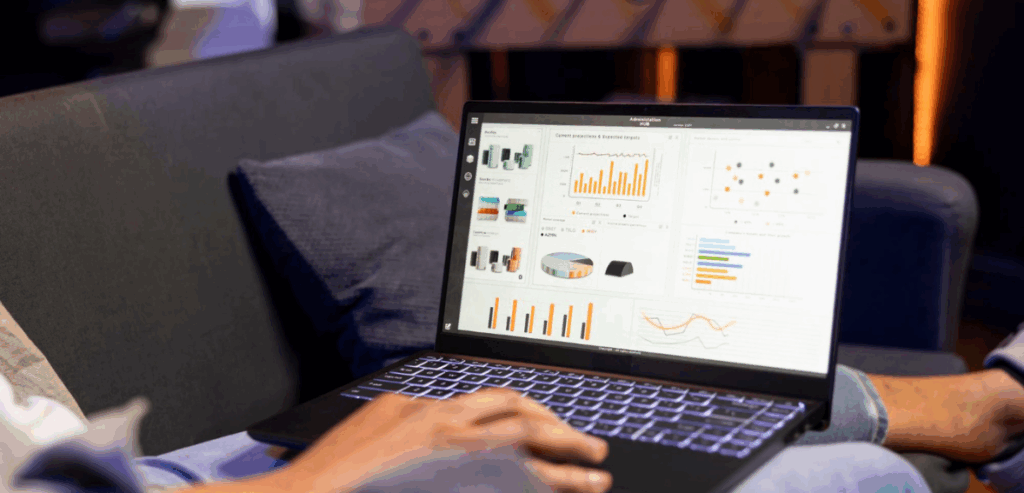
Technology has given us powerful tools to track, interpret and leverage fashion data. Machine learning algorithms can scan millions of posts to find color palettes, patterns and silhouettes that are trending. These tools make digital style analysis more precise, with quantitative backing for what was once intuitive work. Sentiment analysis for example can tell us not just what people are wearing but how they feel about it, giving us deeper insight into long term potential.
These tools go beyond consumer facing platforms. Online shopping data, influencer partnerships and even resale platforms feed into social media fashion systems, giving us a complete picture of demand. By combining these sources forecasters can be more confident in their predictions. This marriage of technology and creativity means fashion trend forecasting is both art and science, so brands can balance intuition with hard evidence.
The Role of Influencers in Forecasting
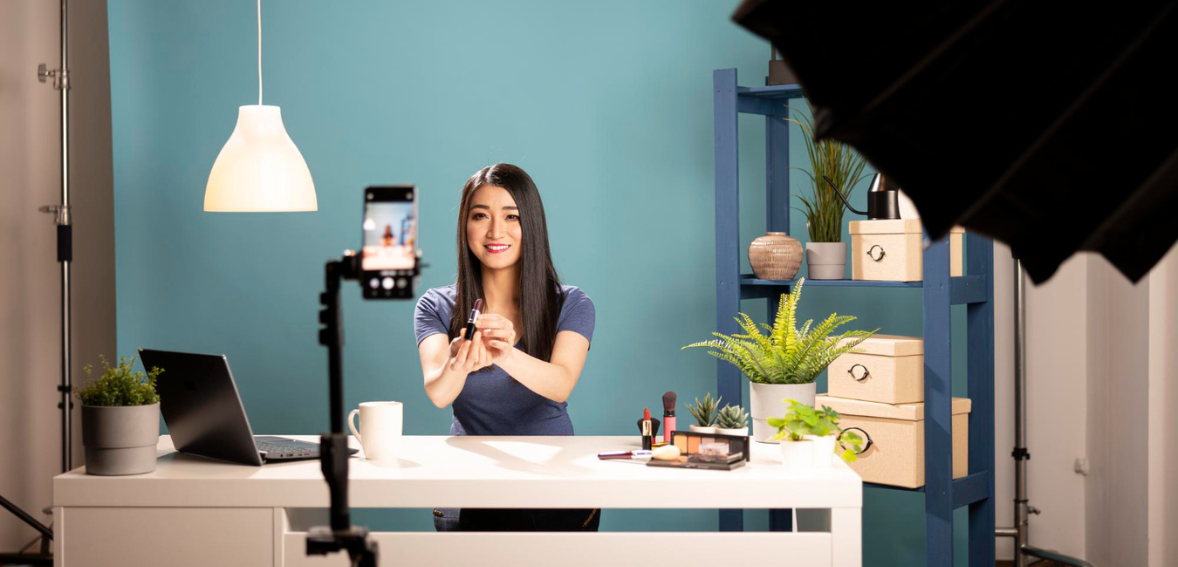
Influencers have become key players in shaping and forecasting fashion. Their ability to create relatable content makes them a powerful bridge between brands and consumers. An influencer’s endorsement can make a style go mainstream, while their disinterest can signal declining relevance. For fashion trend forecasting, tracking influencers gives us a direct line into consumer preferences and aspirational aesthetics.
Influencers are also test beds for new ideas. Brands often collaborate with them to gauge reactions before committing to full production. This is why digital style analysis is so important, it evaluates how audiences engage with influencer content across platforms. By using social media fashion data companies get real time insight into how styles are received and can refine product launches and marketing strategies. The growing partnership between influencers and forecasters shows how much power individuals have in shaping collective taste.
Regional Variations in Social Media Data
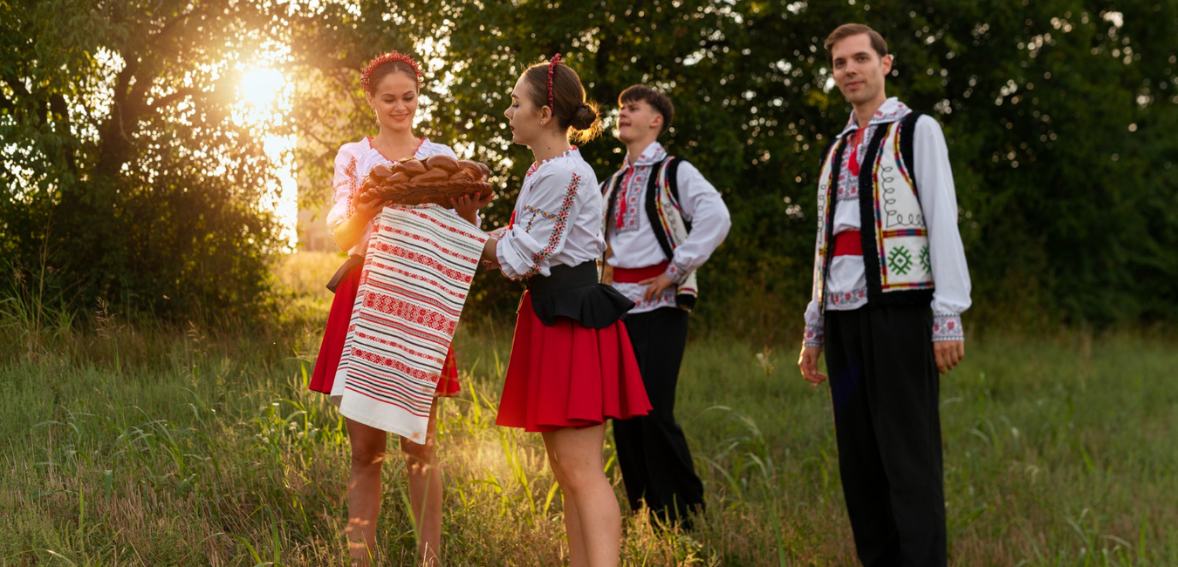
Trends don’t emerge globally. What works in Europe may not work in Asia or North America. Social media gives us visibility into these regional differences, making digital style analysis more nuanced and adaptable. Monitoring hashtags and engagement patterns in different markets allows us to tailor our strategies accordingly.
For example sustainable fashion might be top of mind in Western markets, while vibrant streetwear is big in Asia. By using social media fashion data forecasters can identify these differences and adjust designs, pricing or marketing campaigns to resonate locally. This means fashion trend forecasting can capture not just global movements but regional subtleties. The result is a more accurate and culturally sensitive approach that reflects the diversity of consumer needs.
The Intersection of Sustainability and Trend Forecasting
Sustainability has become a major concern for consumers and brands alike. While fast-moving trends risk fueling overproduction and waste, social media also enables awareness and advocacy around sustainable practices. Forecasters now consider ethical and environmental factors alongside aesthetics in their fashion trend prediction models. Consumers are vocal about eco-consciousness on platforms, making sustainability a critical part of social media data fashion.
Analyzing discussions about materials, recycling, and conscious consumption allows brands to align with evolving values. Digital style analysis reveals that trends rooted in sustainability often enjoy longer lifespans, as they resonate with deeper cultural shifts rather than fleeting moments. By integrating sustainability into forecasting, companies not only stay relevant but also build trust with consumers seeking ethical fashion choices.
Opportunities and Challenges of Real-Time Forecasting
The real-time nature of social media presents unique opportunities for forecasting but also introduces significant challenges. The ability to monitor global conversations instantly enhances digital style analysis, providing forecasters with immediate insights. However, this speed also makes it harder to differentiate between short-lived fads and sustainable movements. Brands must learn to identify which viral moments represent lasting fashion trend prediction opportunities and which will fade quickly.
This balancing act requires careful analysis of social media data fashion combined with expert judgment. While algorithms provide raw information, human forecasters bring cultural context and industry knowledge to interpret it correctly. Without this balance, brands risk overproducing trends that disappear within weeks, leading to wasted resources and missed opportunities. Real-time forecasting is powerful but demands discipline, caution, and a willingness to adapt strategies quickly.
How Consumers Shape Trends Directly
One of the most transformative aspects of social media is that consumers themselves are now active creators of trends. User-generated content often rivals professional campaigns in influence, with viral challenges or outfit hashtags spreading faster than traditional marketing could achieve. This grassroots influence shifts the power dynamic, making social media data fashion critical for capturing authentic consumer preferences.
For fashion trend prediction, this means observing not only influencers and brands but also everyday users. A single viral video can inspire millions to adopt a style, while widespread rejection of a look can signal the end of its relevance. By incorporating consumer-driven content into digital style analysis, forecasters ensure they stay aligned with actual demand rather than industry assumptions. The democratization of trend creation highlights how deeply social media has reshaped the fashion ecosystem.
The Future of Trend Forecasting
Looking ahead, trend forecasting will continue to evolve alongside advancements in technology and shifts in consumer behavior. Artificial intelligence will make digital style analysis even more precise, integrating deeper layers of consumer psychology, purchase intent, and lifestyle indicators. Augmented reality and virtual try-ons will generate new forms of social media data fashion, offering insight into how consumers engage with digital products before physical release.
At the same time, the importance of human expertise will remain. While machines can analyze data at scale, cultural understanding and creativity ensure that fashion trend prediction remains connected to real-world experiences. The future will likely combine predictive analytics with emotional intelligence, creating a more holistic forecasting model. In this evolving landscape, those who embrace both technology and culture will be best equipped to anticipate and shape the fashion of tomorrow.
Data Privacy and Ethical Concerns in Fashion Analytics
As brands increasingly rely on social media data fashion to guide decisions, questions of privacy and ethics are becoming unavoidable. Collecting and analyzing user content can reveal powerful insights, but it also risks overstepping boundaries if not handled responsibly. Many consumers remain unaware that their posts, likes, and comments are part of large-scale datasets used for digital style analysis, which raises concerns about consent and transparency. The challenge lies in balancing the value of these insights with respect for individual rights.
For forecasters, ethical use of fashion trend prediction tools means prioritizing anonymized data and ensuring consumer privacy remains intact. Transparency builds trust, as users are more likely to engage with brands they know handle data responsibly. Ethical practices also include being aware of biases that arise when certain groups are underrepresented in datasets, leading to skewed predictions. Ultimately, respecting privacy while leveraging analytics ensures a fairer system where consumer voices guide fashion without being exploited. As this field evolves, ethical standards will be as critical as technological advancement in shaping the future of fashion forecasting.
The Power of Visual Content in Prediction
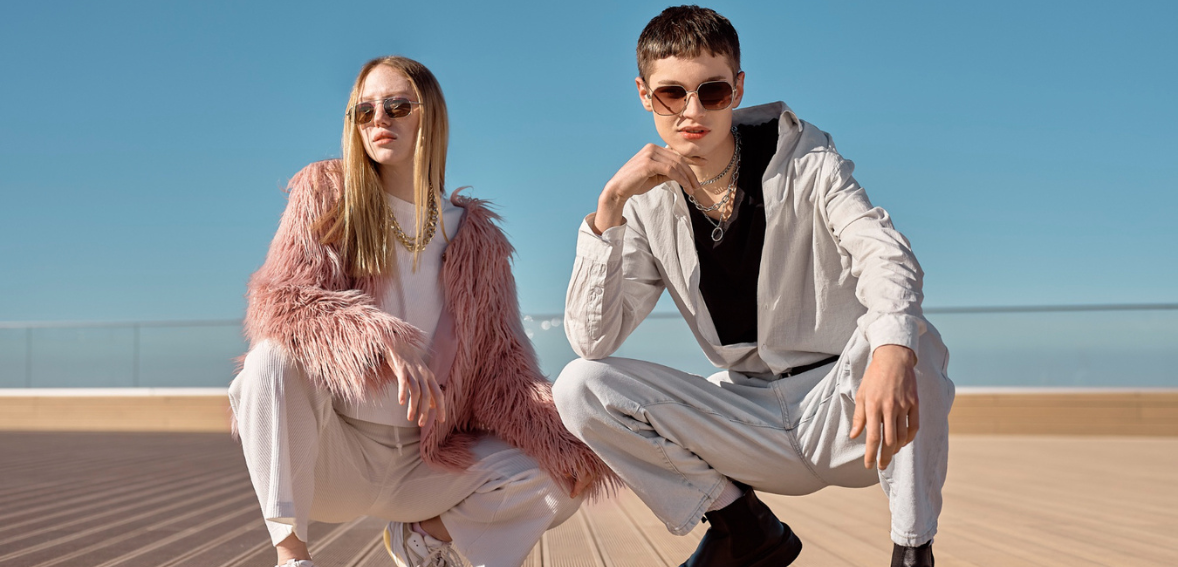
Visual media dominates today’s digital landscape, making it a crucial driver in fashion trend prediction. Platforms like Instagram and TikTok thrive on imagery and short videos, which provide rich resources for analysis. The colors, textures, and silhouettes that appear frequently in viral posts become signals that forecasters can interpret using digital style analysis. Unlike traditional surveys, visual content reflects organic consumer expression, offering more authentic insight into style preferences.
Social media data fashion tools equipped with image recognition technology can process vast amounts of visual content to detect emerging aesthetics. For example, repeated appearances of specific tones or cuts across different demographics may indicate a rising trend. This visual-first approach captures subtle shifts that text-based analysis might miss. By combining human creativity with AI-driven image analytics, forecasters can identify not only what people are wearing but also how styles evolve across contexts. Visual content acts as the raw material of forecasting, giving brands a direct line into cultural expression as it happens in real time.
Collaboration Between Tech Companies and Fashion Brands
The accuracy of digital style analysis has improved significantly through collaborations between technology providers and fashion companies. Tech firms bring expertise in data mining, artificial intelligence, and predictive modeling, while fashion brands contribute cultural context and design expertise. Together, these partnerships refine fashion trend prediction, ensuring that results are both technically robust and creatively relevant. This collaboration is transforming how the industry operates, creating a more integrated ecosystem where data drives design.
For example, machine learning tools from tech companies can process global social media data fashion, identifying patterns that may otherwise go unnoticed. Fashion houses then interpret these signals to align with their brand identity and target markets. This synergy allows businesses to adapt faster to cultural shifts and make more informed production decisions. Beyond forecasting, collaborations often extend into supply chain efficiency, sustainability, and consumer engagement. By working together, tech and fashion industries are redefining forecasting not as guesswork but as a strategic practice rooted in innovation and shared expertise.
Education and Skills for Future Forecasters
The rise of digital style analysis has changed the skillset required for trend forecasters. Where once intuition and cultural awareness were sufficient, today’s professionals must also understand data analytics, machine learning, and digital marketing. The integration of social media data fashion into everyday forecasting means forecasters need to balance creative vision with technical fluency. Educational institutions are beginning to adapt, offering courses that blend fashion studies with data science to prepare students for this evolving landscape.
Future fashion trend prediction specialists will need to navigate large datasets while interpreting cultural signals with sensitivity. Skills in visual storytelling, consumer psychology, and sustainability will remain vital, but these must be complemented by familiarity with predictive algorithms and data visualization tools. This hybrid expertise ensures forecasts remain both accurate and meaningful. As the industry becomes more digital, professionals who embrace continuous learning will have a clear advantage. Trend forecasting will increasingly demand not just artistic vision but also analytical precision, creating a new breed of experts equipped for the challenges of a data-driven era.
Conclusion
Social media analytics has revolutionized fashion trend forecasting, shifting from seasonal predictions to real-time, consumer-driven insights. By leveraging social media data, brands can anticipate shifts in style with speed and accuracy, uncovering regional preferences, cultural movements, and consumer sentiment. Digital style analysis further refines these insights, making forecasting more precise than ever. While rapid change poses challenges, combining technology with expertise enables effective balance. Success now depends on adapting quickly to trends while honoring sustainability and cultural context. In this new era, forecasting goes beyond clothing; it deciphers cultural forces, reflecting a democratized, data-driven world where influence is widely shared.