


Fashion and Gender Expression: Dressing Beyond the Binary
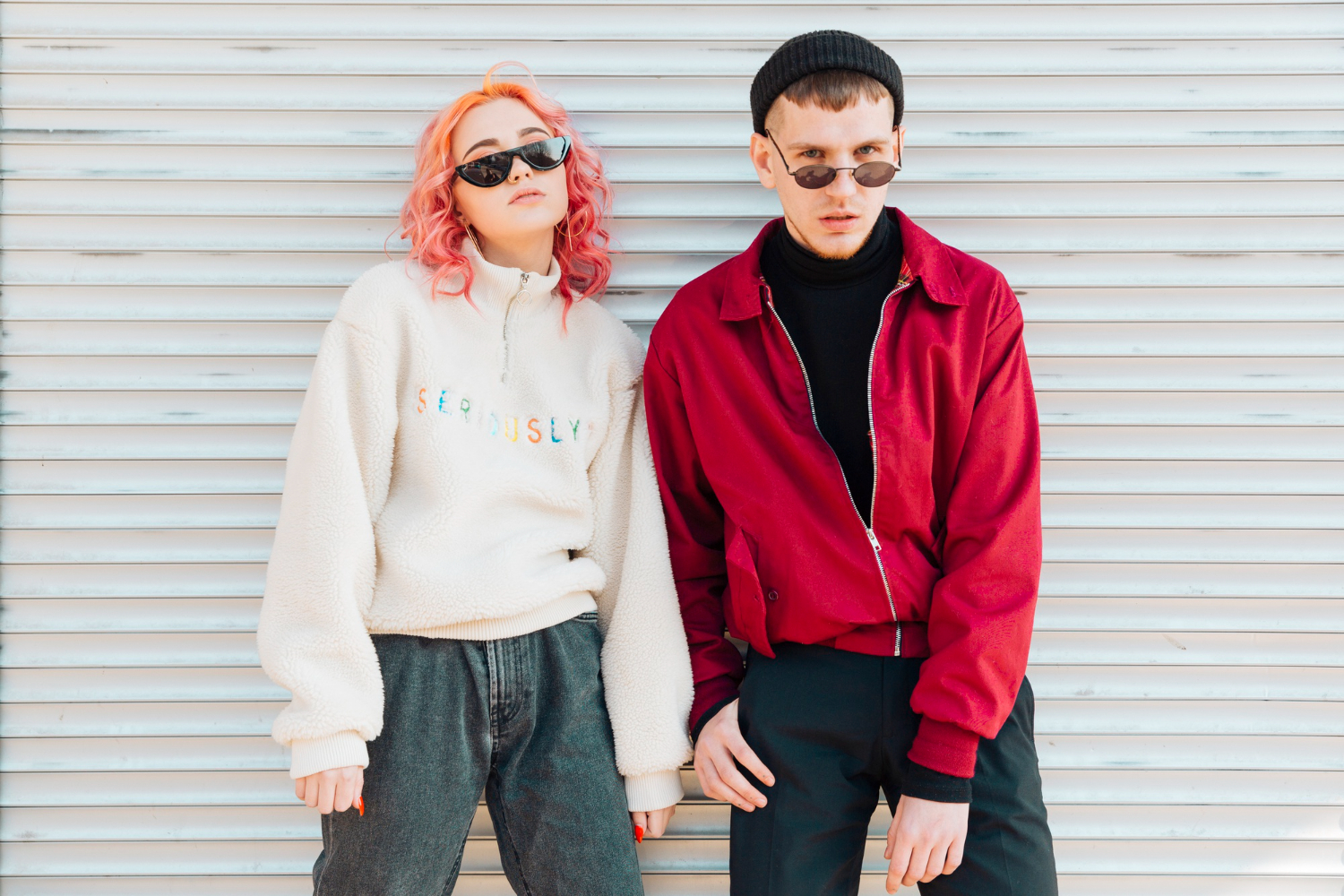
Fashion has always been more than fabric and fit. It is a language, a form of self-expression, and often, a political statement. For generations, fashion has been divided into two clear categories: men’s and women’s clothing. However, as society evolves, so does the understanding of identity. Today, more people are choosing to express themselves in ways that move beyond traditional gender norms.
The concept of fashion and gender is being redefined by a growing number of individuals who do not identify strictly as male or female. For them, clothing is not a rulebook but a canvas for creativity, identity, and self-acceptance.
Breaking the Binary: A New Era of Style
Traditional fashion categories have long been based on gender roles. Shirts, suits, and sneakers were labeled for men. Dresses, skirts, and heels were labeled for women. These divisions not only limited what people could wear, but also how they could express themselves.
What Does Nonbinary Mean in Fashion?
Nonbinary is a term used by individuals who do not exclusively identify as male or female. In fashion, this means creating or wearing clothing that does not fall into rigid gender categories. Nonbinary style embraces personal choice over societal expectation. It is about dressing in a way that feels authentic, regardless of gender labels.
This approach has gained momentum in recent years. Influencers, celebrities, and fashion designers are using their platforms to celebrate clothing that is not restricted by gender. For many, this shift represents freedom from outdated standards and a chance to express themselves fully.
Why It Matters
Fashion plays a big role in shaping how people see themselves and how others see them. Limiting clothing options to male or female categories can leave many people feeling invisible. When fashion embraces diverse identities, it opens the door for more inclusive self-expression and mental well-being.
Understanding the relationship between gender and fashion helps society move toward a more compassionate and open world. It gives everyone a chance to find their voice through what they wear.
The Rise of Nonbinary Style in Popular Culture
Fashion trends have always reflected cultural shifts. Just as the 1960s introduced unisex clothing and the 1990s embraced androgyny, today’s movement toward gender inclusivity is redefining what it means to dress with style.
Celebrities and Icons Leading the Way
High-profile celebrities like Harry Styles, Janelle Monáe, and Billy Porter have become known for challenging fashion norms. Their red carpet appearances often mix masculine and feminine elements, drawing attention to the beauty of nonbinary style.
By wearing clothes that defy gender expectations, these public figures help normalize diverse expressions of identity. Their visibility inspires fans to explore their own fashion identity expression, encouraging creativity without constraint.
Runways Reflecting Change
Fashion houses are also taking note. Designers like Harris Reed, Telfar, and Collina Strada are leading the charge in creating gender-inclusive collections. Many brands now feature unisex lines or remove gender labels from clothing altogether.
These shifts are not just marketing tactics. They represent a real change in how the fashion world views gender and identity. As more consumers demand inclusive options, brands are responding with collections that support gender and fashion fluidity.
How Individuals Use Fashion to Express Identity
For many people, choosing what to wear is a deeply personal decision. Clothing can act as a mirror, reflecting how someone feels on the inside. For those who identify outside the gender binary, this becomes even more significant.
Building Confidence Through Clothing
Wearing outfits that align with personal identity can be empowering. For someone who has never felt comfortable in traditionally gendered clothing, finding a unique style can be life-changing.
Exploring fashion identity expression helps build confidence and encourages self-discovery. It allows people to show the world who they are, not just how they look.
Experimentation and Personal Growth
Adopting a nonbinary style often begins with trial and error. It might involve blending elements from different gender categories or exploring entirely new silhouettes and textures.
This journey is different for everyone. Some may prefer minimalist, neutral pieces. Others may embrace bold colors and dramatic flair. The important thing is that the style feels right to the individual wearing it.
The Role of Retail and Shopping Experiences
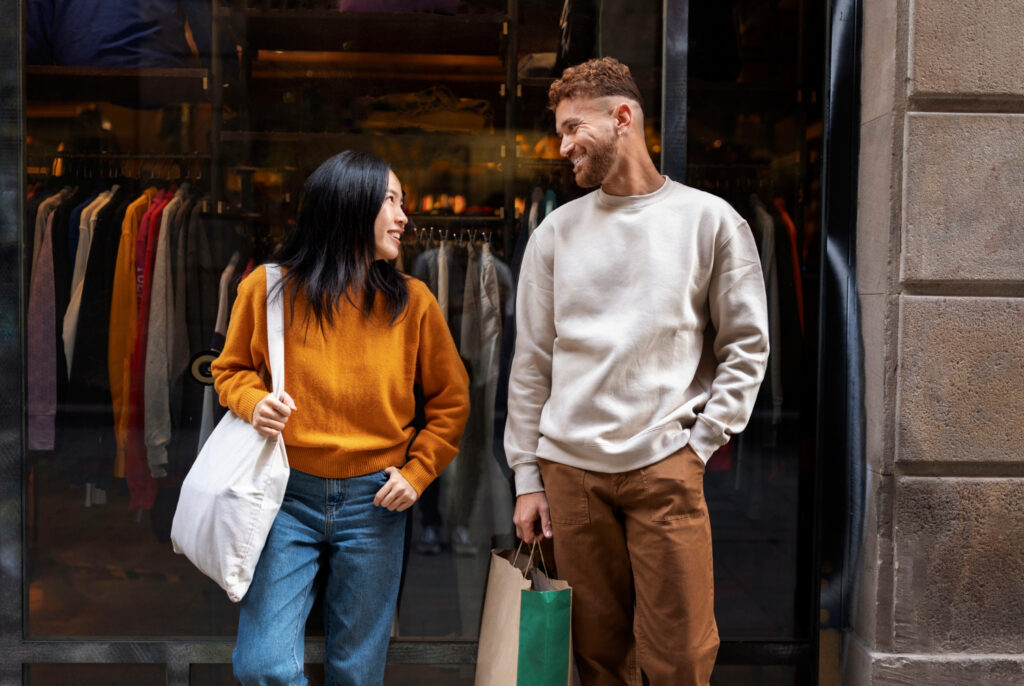
Fashion retail environments are slowly catching up to changing attitudes. Still, many people find it difficult to shop in stores that divide clothing into men’s and women’s sections.
Creating Inclusive Retail Spaces
Inclusive retail means more than just adding a third clothing category. It involves rethinking store layouts, marketing, and staff training. Shops that support gender and fashion diversity often include unisex dressing rooms, gender-neutral mannequins, and size options for all body types.
Some brands have launched genderless stores or online filters that let users browse by fit or style instead of gender. These changes help more people find clothing that suits their personal identity without stress or discomfort.
Listening to Consumer Voices
The demand for more inclusive shopping experiences is being driven by consumers. Surveys show that younger shoppers, especially Gen Z, value authenticity and inclusivity in the brands they support.
When retailers listen to customer feedback and adapt their models, they build trust and loyalty. For anyone exploring fashion identity expression, having a safe and welcoming space to shop makes all the difference.
Tips for Exploring Gender-Expansive Style
If you are interested in exploring your style beyond traditional gender norms, the process does not need to be complicated. Small steps can lead to meaningful change and deeper self-understanding.
Start with Comfort
Begin by wearing pieces that feel good physically and emotionally. Comfort builds confidence. Whether it is a soft sweater or a pair of pants with a great fit, choose items that make you feel at ease.
Mix and Match
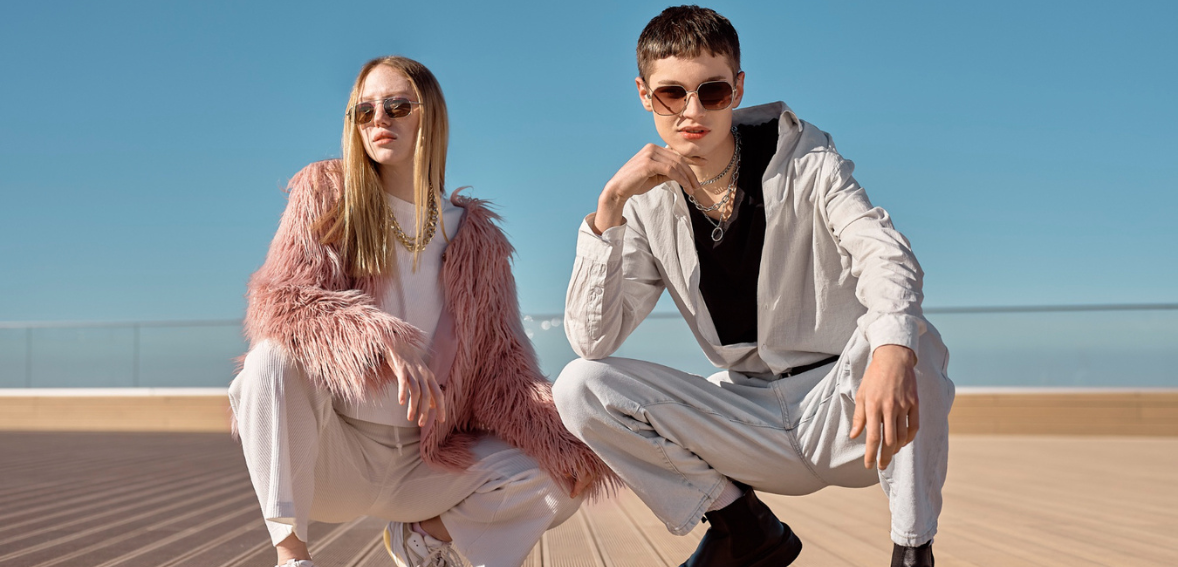
Do not be afraid to combine styles from different departments or categories. Try pairing traditionally masculine jackets with skirts, or mix structured shirts with loose-fitting trousers. This kind of experimentation often leads to unique and authentic looks.
Use Accessories Creatively
Accessories are powerful tools in fashion identity expression. Hats, scarves, jewelry, and shoes can add personality without requiring a full wardrobe change. They can also shift the tone of an outfit, making it more aligned with your identity.
Follow Inspirations That Reflect You
Social media platforms like Instagram, Pinterest, and TikTok are full of people sharing their experiences with nonbinary style. Find accounts or hashtags that resonate with you and use them for ideas, not rules.
Remember, fashion is personal. The goal is not to copy someone else’s style, but to discover your own voice through clothing.
Challenges and Misconceptions
Despite growing visibility, dressing beyond the binary still comes with challenges. Societal norms, judgment, and limited options can make it difficult for some people to feel safe expressing themselves through fashion.
Pushing Against Expectations
Many people feel pressure from family, work environments, or cultural norms to dress a certain way. It takes courage to break free from these expectations, especially in places where gender roles are strongly enforced.
Having supportive communities, both online and in person, can help. Allies who understand the connection between gender and fashion can provide encouragement and validation during times of doubt.
Fashion Is for Everyone
A common misconception is that gender-expansive fashion is only for young people or the LGBTQ+ community. In reality, anyone can explore beyond the binary. Clothing is not just about gender—it is about expression, creativity, and feeling comfortable in your skin.
By embracing nonbinary style, individuals of all ages and identities can reclaim their freedom to dress on their own terms.
Moving Toward a More Inclusive Future
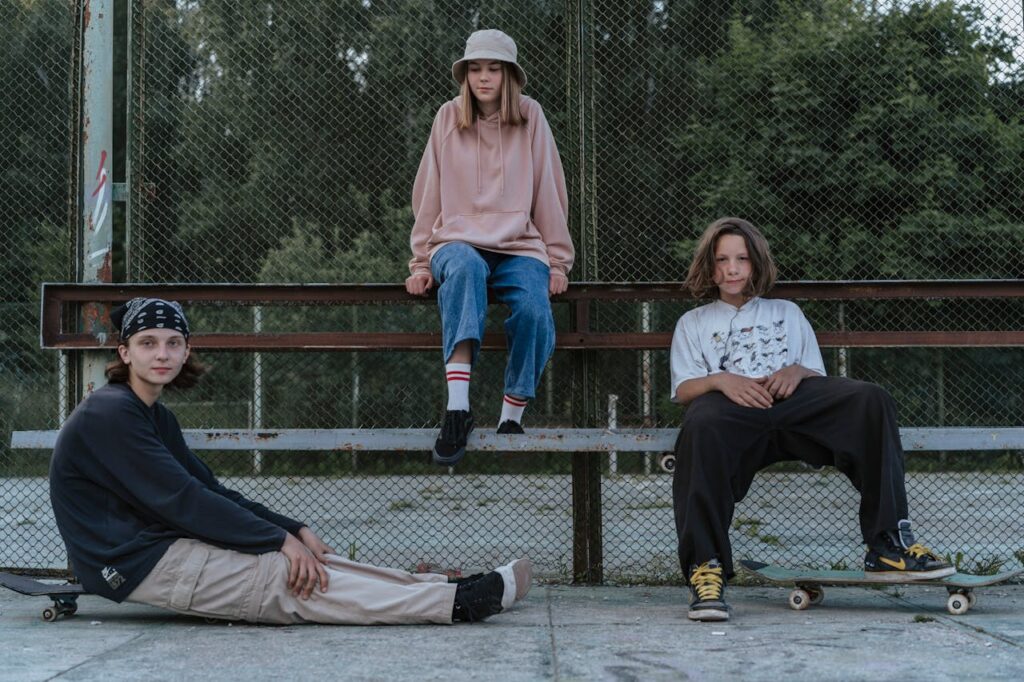
The fashion industry still has work to do, but progress is being made. Each person who embraces fashion identity expression adds to the momentum. Designers, retailers, and communities all play a role in making the world of fashion more inclusive and reflective of real-life diversity.
Education and Representation
Representation matters. Seeing diverse body types, skin tones, and gender identities in advertising and fashion media helps normalize inclusion. Education also plays a role. When designers and brands understand the needs of their customers, they create better and more accessible products.
Continued Evolution
As conversations around gender and fashion continue to grow, so will innovation in design, marketing, and retail spaces. This is not just a trend—it is a lasting shift in how people relate to clothing and identity.
Conclusion | Fashion and Gender
Fashion is more than what you wear. It is a way to express who you are and how you feel. For those stepping outside the gender binary, fashion becomes a powerful tool for visibility, creativity, and freedom. By exploring nonbinary style, individuals can push past limitations and create a wardrobe that truly represents them.
The future of fashion identity expression lies in inclusivity, open-mindedness, and authenticity. Whether you’re challenging fashion norms or simply dressing for comfort, what matters most is that your style reflects your truth.