




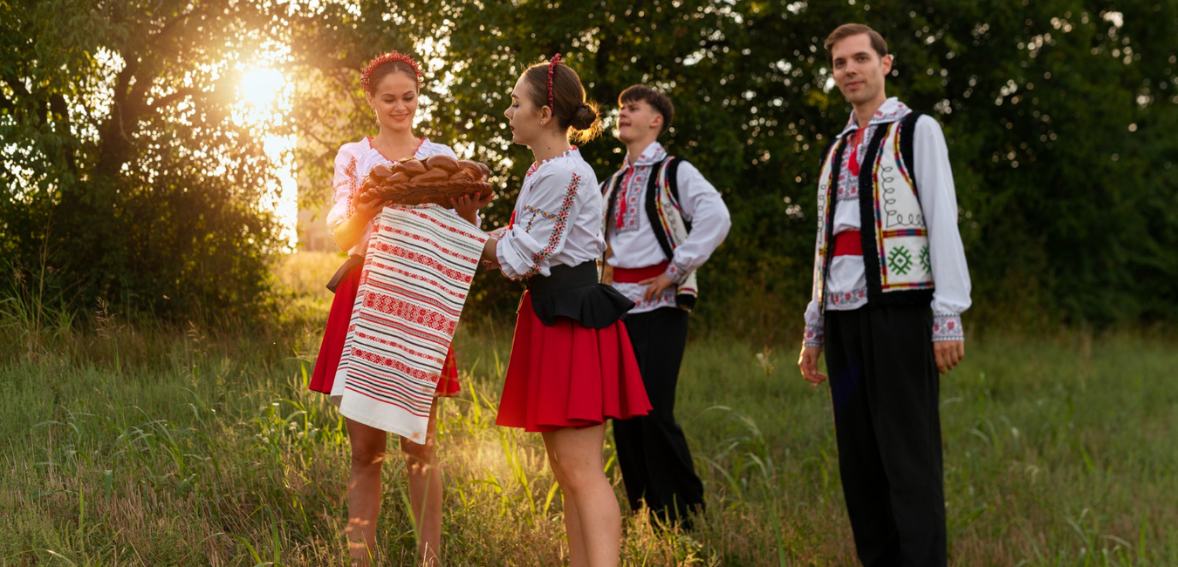






Cultural traditions in Clothing: What Your Wardrobe Says About Your Roots
We frequently don’t realize how much our clothing can say. Clothes are a powerful way to express our identities, backgrounds, and worldviews; they are more than just fabric and style. Whether it’s a cowboy hat, kimono, dashiki, or sari, our clothes tell stories. Deep ties to our communities, nations, and cultural traditions are frequently displayed through these garments.
Why Clothing Is More Than Just a Style Choice
At first glance, clothing might seem purely functional or aesthetic. We wear clothes to stay warm, look presentable, or fit in socially. But clothing can also act as a symbol, telling others something about our values, our religion, our social roles, and our personal stories. Understanding traditional clothing meaning helps us see that fashion is not just a personal statement; it is also a collective one. It’s about honoring the people who came before us and expressing pride in our origin stories.
From Daily Dress to Cultural Symbol
In many communities, certain items of clothing are worn not only during ceremonies but also in everyday life. Over time, these items become powerful symbols of identity. Wearing them becomes an act of cultural remembrance, whether consciously or not. In this way, your wardrobe becomes a silent communicator, conveying history, belonging, and connection with your cultural lineage.
The Roots of Cultural Fashion Identity
The term “cultural fashion identity” describes how people express their cultural heritage through their attire and style. Race, ethnicity, religion, nationality, and even regional identity can all have an impact on this. It serves to highlight the unseen aspects of our heritage and upbringing. This identity changes over time. A person who grew up in a traditional home may mix traditional and contemporary fashions. Later in life, some people may use fashion as a means of connecting the past and present by rediscovering their roots through their attire.
How Culture Shapes Style
In many parts of the world, style is deeply linked to customs, rituals, and beliefs. For instance, Native American beadwork and patterns often carry spiritual significance. Similarly, the weaving patterns in Guatemalan textiles may indicate a person’s town or region. Whether passed down through generations or rediscovered in adulthood, these elements form the foundation of an individual’s cultural fashion identity.
Cultural traditions in Clothing and Its Deeper Meanings
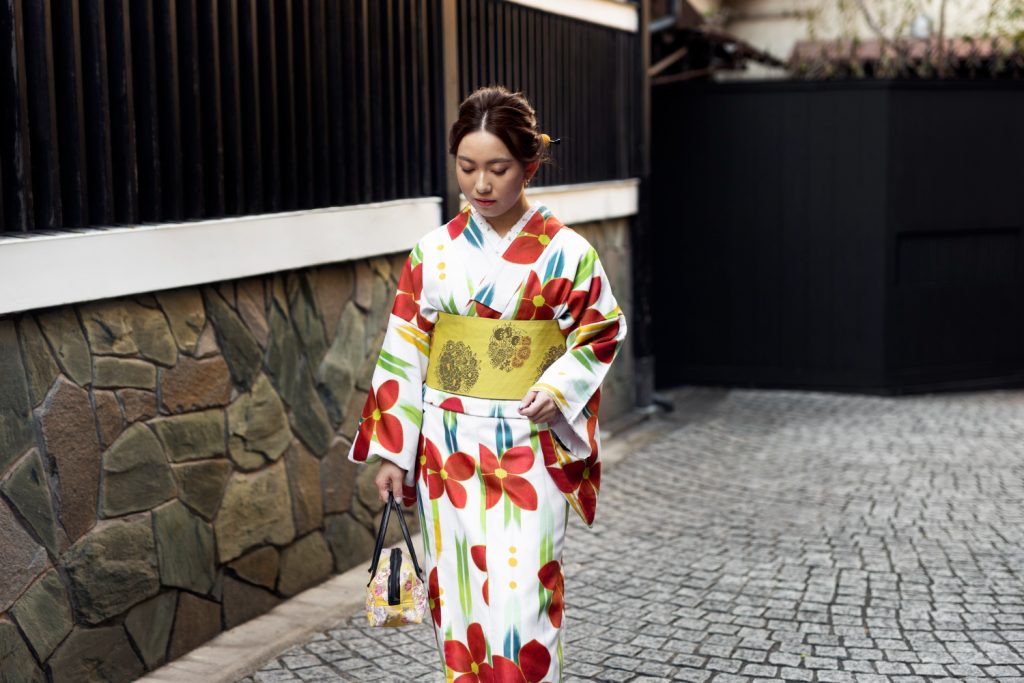
What do our cultural clothes actually mean? Traditional clothing meaning varies depending on region and community, but most garments hold layers of historical, religious, and symbolic value. The Japanese kimono, for example, is not just a beautiful robe, it reflects centuries of Japanese art, social hierarchy, and ceremonial practice. The Indian kurta, while now modernized, originated as a sign of modesty and regional craftsmanship.
Symbols, Colors, and Fabric
The symbolism in traditional clothing meaning often comes from colors, fabrics, and design patterns. Red might symbolize luck or love in some cultures, while white represents mourning in others. Handmade garments, especially those involving embroidery or weaving, are often unique to a tribe, clan, or village. When we wear these items, we’re not just making a fashion choice, we’re telling a story. And that story connects us to our ancestors, even if we don’t always realize it.
Fashion and Heritage in a Modern World
The connection between heritage and fashion keeps changing. Individuals frequently straddle multiple identities in today’s globalized society. Fusion fashion, which adapts traditional clothing for contemporary living, is the result of this. Consider business shirts with traditional embroidery or denim jackets with African prints. These outfit combinations demonstrate how apparel can be both current and respectful of the past.
Balancing Innovation and Respect
Modern fashion designers are also increasingly drawing inspiration from cultural garments. While this opens the door for appreciation, it also raises important questions about appropriation. True fusion respects fashion and heritage by understanding the origins, significance, and sacredness of the pieces being used. Individuals wearing clothing inspired by other cultures should always ask: Am I appreciating or imitating? Do I understand the traditional clothing meaning behind what I’m wearing?
Clothing as Resistance and Empowerment
Throughout history, clothing has also served as a tool of resistance. For marginalized communities, wearing traditional attire has often been a way to push back against cultural erasure and reclaim identity. This gives cultural fashion identity a powerful role in social and political movements. African-American communities have long embraced African-inspired styles as a symbol of pride. Indigenous people wear regalia during powwows to honor their ancestors. Muslim women choose hijab as both a spiritual and political statement.
Claiming Space Through Fashion
In a world where people are often asked to conform, using fashion and heritage to express individuality can be both radical and liberating. For many, wearing traditional clothes in public spaces isn’t just about aesthetics, it’s a declaration of belonging and pride. Fashion can therefore become a voice, a banner, and a shield all in one. It helps people stand tall, knowing their roots are visible for the world to see.
The Role of Clothing in Migration and Diaspora Communities
Individuals carry their culture with them when they migrate or live in the diaspora. As one adjusts to new environments, clothing serves as a bridge to home and a means of maintaining a sense of self. It can be reassuring and unifying for immigrants to preserve their cultural fashion identity through traditional attire. The exhibition of these cherished objects frequently takes place during religious festivals, community events, and cultural parades.
Passing Down Through Generations
In many diaspora families, traditional clothing meaning is shared through storytelling and ceremony. A grandmother may pass on a wedding saree, or a father may teach his son how to tie a turban. These moments help preserve culture, even in distant lands. This continuation ensures that fashion and heritage don’t disappear but instead adapt and thrive in new environments.
Global Fashion Trends and Cultural Representation
With the rise of social media and international fashion weeks, cultures from all over the world are influencing global trends. This can be a beautiful celebration of diversity when done right. Designers from Indigenous, African, South Asian, and Middle Eastern communities are now getting more recognition for their unique contributions to fashion. This shift not only showcases fashion and heritage but also educates the public about the depth and diversity of global style.
Representation Matters
It is uplifting to see one’s culture represented on international stages. It questions limited notions of beauty or style and affirms the importance of cultural fashion identities. I nternational exposure promotes cultural preservation by providing economic opportunities for designers and craftspeople while also assisting individuals in appreciating the depth of traditional clothing meaning.
Challenges in Expressing Cultural Fashion Identity
Despite the growing appreciation for cultural style, challenges remain. People may face discrimination or stereotyping based on their clothing, especially if it doesn’t align with mainstream expectations. For example, a person wearing a hijab, a sari, or traditional African dress may face assumptions about their lifestyle, beliefs, or nationality. These challenges can discourage people from expressing their cultural fashion identity openly.
Breaking Down Stereotypes
To truly embrace fashion and heritage, societies must dismantle the stereotypes attached to cultural clothing. Respect, education, and open-mindedness can go a long way in making diverse fashion expressions more accepted and celebrated. The goal should be a world where everyone can wear what connects them to their roots without fear of judgment.
How to Embrace Your Cultural Fashion Identity
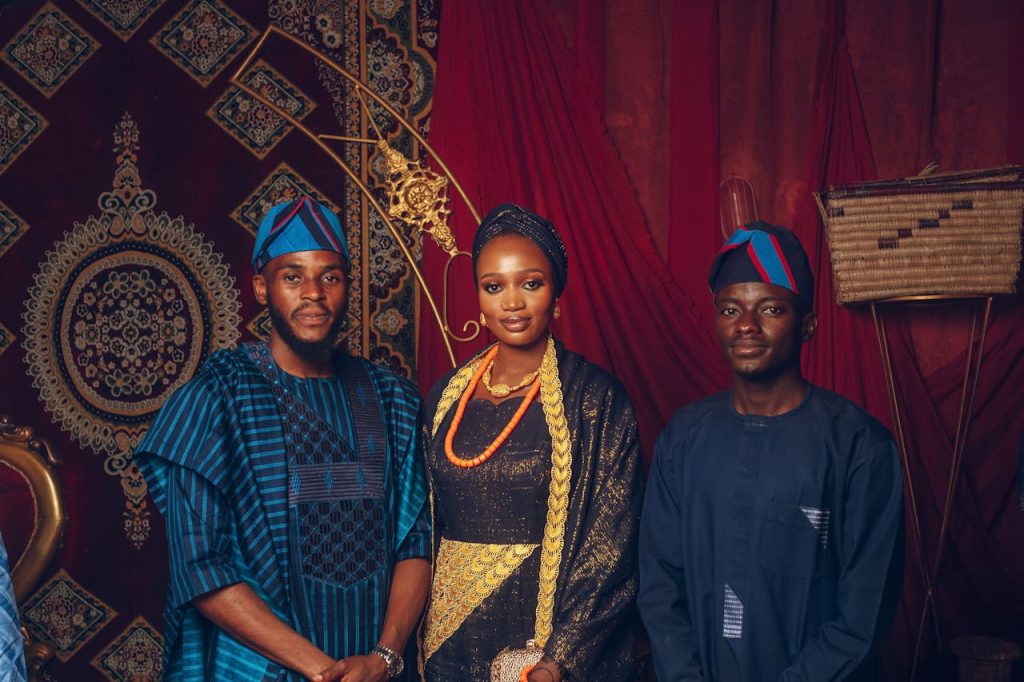
Whether you have a strong cultural connection or are only beginning to learn more about your heritage, fashion can play an important role in your journey. To honor your heritage, you don’t have to dress entirely in traditional attire; even little details can have a big impact. Learn about the significance of traditional attire in your culture first. Consult with relatives, do internet research, or look into regional textile and design customs. After that, add those components to your regular outfit in a way that feels genuine.
Mix, Match, and Modernize
You can pair cultural prints with modern cuts, wear heritage jewelry with casual outfits, or style a traditional scarf in a contemporary way. This kind of personal styling helps keep your fashion and heritage alive while allowing room for self-expression. Don’t be afraid to try new combinations, ask questions, and celebrate what makes your fashion journey unique.
Final Thoughts
There’s more to your wardrobe than just clothes. It is a personal museum of meaning, memory, and cultural pride as well as a living archive. Every stitch, design, and fabric selection has the ability to inspire your future, symbolize your present, and link you to your past. You can wear more than just style when you accept your cultural fashion identity, comprehend the significance of traditional attire, and respect your ties to fashion and heritage. After all, one of the most exquisite ways we can show the world and ourselves who we are is through fashion.