









Impression Management: How People Judge You Based on What You Wear
The way you dress has a powerful effect on how others perceive you. Whether it’s a job interview, a first date, or even a casual meeting with friends, what you wear sends signals about your personality, confidence, and social awareness. In today’s image-driven world, our clothing choices often become the first thing people notice, sometimes even before we speak.
This is where the idea of impression management becomes important. The clothes you wear are not just about comfort or trendiness. They are a direct tool for shaping how others see you. Understanding the connection between clothing and perception can help you navigate social and professional situations with more awareness and purpose.
The Psychology Behind First Impressions
The way people perceive you within the first few seconds of meeting often sets the tone for the entire interaction. Your clothing plays a major role in these snap judgments.
Before exploring specific scenarios or styles, it’s helpful to understand how the brain forms these first impressions and why clothing is such a strong visual cue.
How Quickly Do First Impressions Form?
Research shows that it takes just a few seconds for people to form an initial opinion about someone. Within this short window, your appearance is the main input. Facial expression, body language, and outfit all contribute to how trustworthy, competent, or approachable you seem.
This is why first impressions fashion matters so much. If someone perceives you as polished, creative, or confident based on what you’re wearing, that impression can stick, even if it’s not completely accurate.
The Role of Clothing in These Judgments
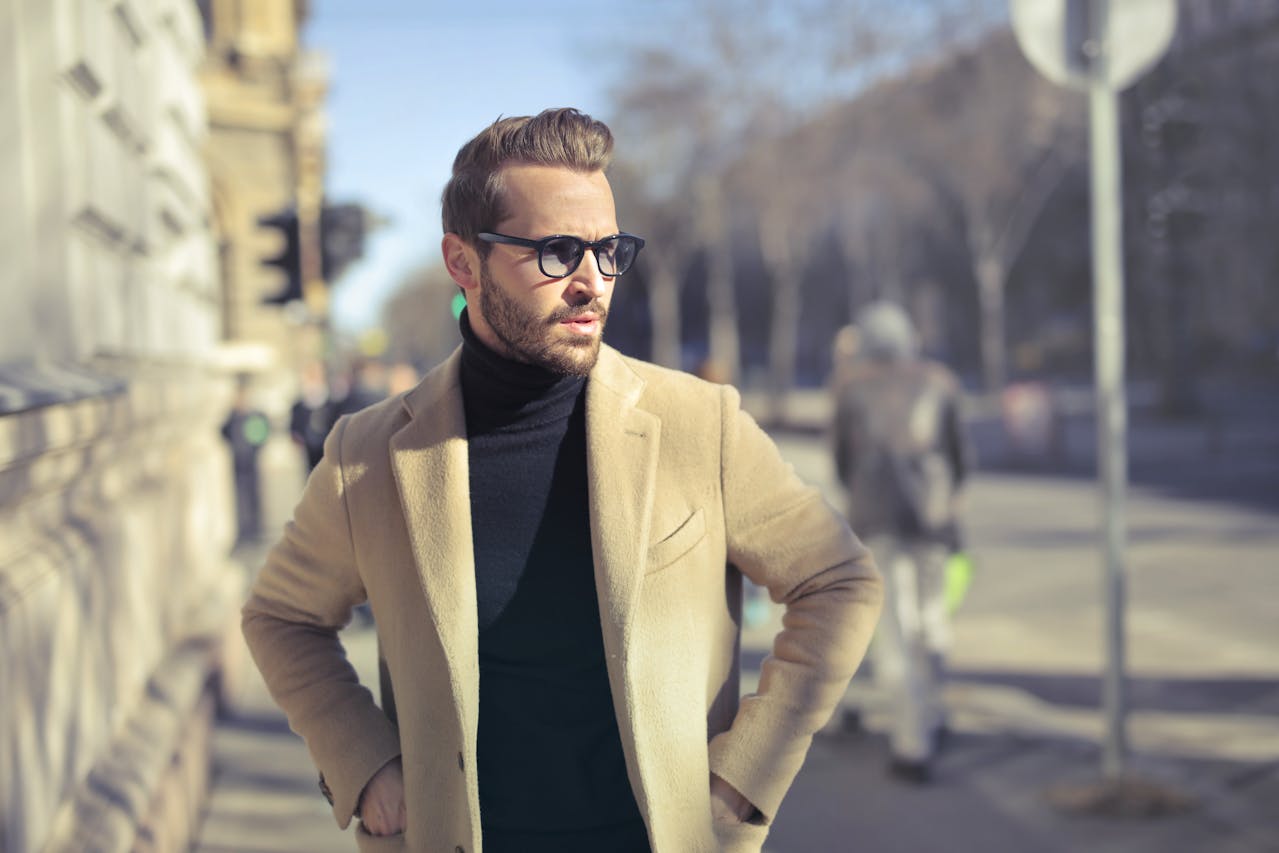
Clothing is one of the most visible ways we present ourselves to the world. From color choices to fit and formality, every outfit tells a story. For example, wearing a sharp blazer and clean shoes might suggest professionalism, while wearing bright colors or graphic prints may indicate a bold, expressive personality.
Whether we like it or not, judging by appearance is part of human nature. People use visual cues to assess how similar or trustworthy someone seems. Your wardrobe becomes a form of non-verbal communication.

Clothing as a Form of Self-Expression
Your outfit choices are a direct reflection of your identity, values, and mood. Even when you’re not trying to make a statement, your clothing does it for you.
This section explores how self-expression plays into clothing and perception, and how it influences the way others read your personality.
Clothing and Identity
What we wear often aligns with how we see ourselves. Someone who identifies as creative may lean toward colorful or unconventional clothing. A minimalist might prefer simple, clean designs. Over time, these preferences help shape others’ understanding of who we are.
In many cases, clothing and perception work together to create a feedback loop. You wear clothes that match your personality, and people respond to that style, reinforcing how you’re seen and how you continue to present yourself.
Fashion and Mood
Outfits can also reflect our emotional state. When people feel happy, they often choose brighter colors or more playful styles. During periods of low energy or stress, they may gravitate toward neutral tones or comfortable attire.
Others pick up on these signals, even subconsciously. This is why first impressions fashion can change how your presence is received in different settings.
When Style Becomes a Statement
Sometimes fashion is used deliberately to make a point. Activists, artists, and public figures often use style to align themselves with movements or causes. Whether subtle or bold, clothing can communicate values and affiliations that go beyond just personal taste.
Being intentional about your wardrobe allows you to send the message you want others to receive, especially in environments where judging by appearance happens frequently.
Professional Settings and Dress Codes
One of the most common areas where clothing and perception collide is in the workplace. Whether you’re interviewing, networking, or managing a team, your outfit can influence how seriously you’re taken and whether others see you as competent.
Let’s look at why appearance matters so much in professional environments and how dress codes contribute to this dynamic.
Dressing for the Job You Want
The saying “dress for the job you want, not the job you have” still holds true in many fields. Wearing clothing that reflects confidence and competence often leads to better first impressions with clients, managers, or interviewers.
This is where first impressions fashion becomes a strategic tool. Even if your skills are outstanding, presenting yourself professionally can be the difference between getting noticed or being overlooked.
Understanding Workplace Expectations
Every industry and office culture comes with its own set of expectations. Tech startups might embrace casual wear, while law firms expect formal attire. Knowing the difference can help you blend in while still expressing your personal style.
Failing to read these cues may result in misjudgments. Dressing too casually in a formal setting can lead to assumptions about lack of seriousness or poor preparation. Again, judging by appearance happens quickly, even before performance can be evaluated.
Striking a Balance Between Authenticity and Professionalism
You don’t have to lose your personality to meet dress code expectations. Add unique accessories, color combinations, or subtle patterns to reflect who you are. The goal is to maintain authenticity while aligning with the setting you’re in.
Smart fashion choices allow you to be memorable for the right reasons—professional, polished, and true to your identity.
Social Settings and Impression Management
Clothing also plays a crucial role in how you’re perceived socially. Whether it’s meeting new people, dating, or attending an event, your attire helps shape others’ opinions of you from the very beginning.
Let’s explore how to navigate these situations with awareness and intention.
Casual Doesn’t Mean Careless
In relaxed environments, people often feel free to dress more comfortably. However, comfort doesn’t have to mean sloppy. Even casual settings involve some level of impression management, especially when meeting new people.
A neat, thoughtful outfit suggests that you take pride in your appearance and respect the occasion. This builds positive clothing and perception connections and helps you stand out subtly.
Fashion and Confidence
There’s a strong link between what you wear and how you feel. Wearing clothes that fit well and suit your personality often boosts confidence, which then affects your posture, eye contact, and tone of voice.
This ripple effect enhances how others see you. Confidence reinforces first impressions fashion and strengthens the overall impact you make during social interactions.
Managing Impressions in Dating or Networking
In dating, people are often highly aware of visual cues. The same goes for networking events where first impressions are key. A stylish, well-coordinated outfit not only draws attention but also invites positive interaction.
When someone feels like you’ve made an effort with your appearance, they’re more likely to engage and remember you. It’s another example of how judging by appearance shapes perception before deeper conversations begin.
Cultural and Social Influences on Fashion Judgment
Not all fashion rules are universal. Clothing norms vary widely depending on culture, region, and even age groups. Understanding these differences can help you avoid misunderstandings and manage your appearance in diverse environments.
This section looks at how social context impacts clothing and perception, and what to keep in mind as you navigate these variations.
Cultural Differences in Dress Expectations
In some cultures, modesty is highly valued. In others, bold colors or designer labels may carry more significance. When interacting with people from different backgrounds, being aware of these expectations helps reduce the risk of miscommunication.
While judging by appearance is common everywhere, the specific rules or norms people use can change depending on where you are. Being culturally sensitive can improve your ability to connect respectfully and effectively.
Generational Shifts in Fashion Judgments
What’s considered appropriate or stylish also changes across generations. Younger audiences may prefer streetwear or vintage looks, while older generations might place more value on traditional styles.
When you’re part of mixed-age groups, adapting your look slightly without compromising your identity can help bridge gaps. Small tweaks based on audience can influence how your outfit, and by extension, your personality, is perceived.
Navigating Social Norms Without Losing Individuality
Even within strict environments, you can often find subtle ways to express who you are. Accessories, color accents, or styling choices can reflect your personality without clashing with social norms.
Balancing self-expression with awareness of others’ expectations is at the heart of effective impression management.

How to Use Clothing as a Tool for Personal Branding
Your clothing can be more than just a fashion statement, it can become part of your personal brand. This is especially relevant for entrepreneurs, creators, or professionals who frequently interact with others.
Let’s look at how fashion contributes to branding and shapes long-term clothing and perception dynamics.
Dressing Consistently With Your Message
Think of yourself as a brand. What message do you want to send? Are you artistic and bold? Calm and analytical? Adventurous and spontaneous? Once you define your brand personality, align your wardrobe to support that image.
People remember consistency. A distinct style, whether classic, colorful, or minimalist, helps build trust and familiarity. It’s part of how first impressions fashion turns into lasting recognition.
Creating an Emotional Impact Through Style
People remember how you make them feel. Your outfit plays a part in that emotional experience. A bold dress or sharp suit might inspire admiration. A casual and warm outfit may make others feel relaxed and open.
Fashion is not just about being noticed but about being remembered in a certain way. This deeper layer of judging by appearance often influences future opportunities or relationships.
Investing in Your Appearance Is Investing in Yourself
Taking the time to dress intentionally shows self-respect and confidence. These qualities resonate with others and reflect your commitment to showing up fully.
When used wisely, your wardrobe becomes a silent partner in your success—helping you leave a lasting impression wherever you go.
Conclusion
We live in a world where people form opinions quickly, and clothing plays a major role in those judgments. Whether it’s in professional settings, social interactions, or everyday encounters, your outfit sends messages long before you speak. Understanding the connection between clothing and perception, mastering first impressions fashion, and being aware of how others are judging by appearance allows you to take control of how you are seen. Impression management doesn’t mean losing your authenticity. It means using fashion as a tool to reflect your best self, on your own terms.
So next time you open your wardrobe, remember this: what you wear isn’t just fabric. It’s communication, personality, and power, all rolled into one.