











From Kimono to Catwalk: Japan’s Lasting Impression on Global Style
The kimono, a garment rich in tradition and cultural significance, has been an enduring symbol of Japanese fashion for centuries. Originating in the Heian period (794-1185), the kimono evolved from everyday attire to a marker of social status and identity. Crafted from silk, cotton, or wool, kimonos reflect the wearer’s personal taste, occasion, and even the season. Each design element, from its patterns to the choice of fabric, carries meaning—a reflection of Japan’s deep appreciation for aesthetics and nature.
Beyond its cultural role, the kimono has found a place in modern global fashion. Designers worldwide have drawn inspiration from its structured silhouette and intricate details. The loose, T-shaped design has influenced many contemporary garments, including oversized jackets and flowing robes. High-profile fashion houses such as Yohji Yamamoto and Issey Miyake have used traditional kimono elements in their collections, making them relevant for today’s fashion-forward audiences.
The kimono’s versatility and timeless elegance also make it a recurring motif on the global runway. Paired with modern accessories or adapted into new styles, it continues to captivate audiences, transcending its origins while retaining its unique identity. This seamless blend of tradition and innovation underscores the kimono’s enduring impact on global fashion trends.
Japanese Fashion: A Distinctive Blend of Old and New
Japanese fashion has always been characterized by its ability to harmonize the traditional with the contemporary. While garments like the kimono remain iconic, modern Japanese designers have carved a niche by challenging conventional norms. The street style of Harajuku, for instance, exemplifies this daring approach. This neighborhood in Tokyo is renowned for its bold, experimental fashion where individuals mix bright colors, unconventional patterns, and cultural motifs. Such creativity has become a hallmark of Japanese style.
Global audiences have also been drawn to the minimalist aesthetics associated with brands like Muji and Uniqlo. These brands embrace clean lines and functionality, reflecting Japan’s cultural philosophy of “ma,” which emphasizes the importance of space and simplicity. By combining this minimalist approach with modern sensibilities, Japanese fashion has gained international acclaim.
Meanwhile, designers such as Rei Kawakubo of Comme des Garçons have pushed boundaries with avant-garde creations. Kawakubo’s unconventional designs challenge traditional beauty standards and redefine how garments interact with the human form. Such innovation highlights the duality in Japanese fashion—a respect for tradition paired with a fearless embrace of the new. This balance resonates globally, making Japanese fashion both relevant and inspirational.
The Kimono’s Influence on the Global Runway
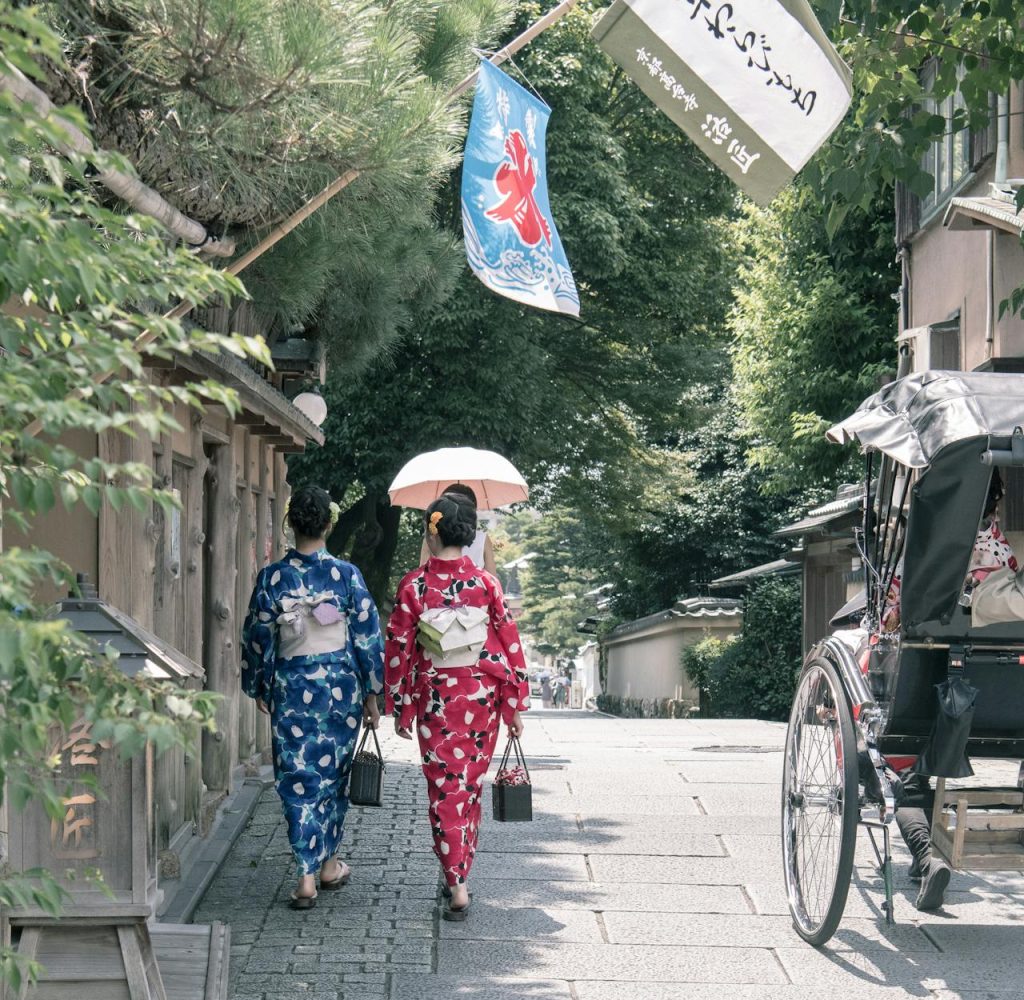
The kimono’s impact on the global runway is unmistakable. Designers worldwide have reimagined its signature features, such as wide sleeves, wrap-around closures, and intricate patterns, in their collections. From haute couture to ready-to-wear lines, elements of the kimono appear in various forms, proving its adaptability and universal appeal.
One notable example is the use of obi belts, traditionally worn with kimonos, in modern designs. These wide belts have been integrated into dresses, coats, and eveningwear, adding a touch of Japanese elegance. Additionally, fabrics often associated with kimonos, such as silk and brocade, have found their way into Western designs, lending a sense of luxury and sophistication.
Fashion weeks in Paris, New York, and Milan have frequently showcased kimono-inspired pieces. Designers such as John Galliano and Alexander McQueen have paid homage to Japanese fashion through their collections, blending traditional motifs with contemporary trends. This cultural exchange has enriched the fashion industry, encouraging a deeper appreciation for Japanese aesthetics.
By incorporating kimono elements into global fashion, designers are not only celebrating Japanese heritage but also creating a dialogue between cultures. This fusion of styles demonstrates the kimono’s ability to transcend boundaries, solidifying its place in the international fashion landscape.
Cultural Fusion: How Japanese Fashion Influences Modern Trends
Japanese fashion’s global influence extends beyond the runway. The integration of traditional Japanese elements into everyday fashion reflects a growing interest in cultural fusion. This trend is particularly evident in streetwear, where kimono-inspired jackets and tops are paired with jeans, sneakers, or contemporary accessories.
Brands like Sacai and Undercover have embraced this fusion by blending traditional techniques with modern silhouettes. Their collections often feature patchwork designs, asymmetrical cuts, and layering—all hallmarks of Japanese craftsmanship. This mix of old and new appeals to a wide audience, from fashion enthusiasts to casual wearers.
Furthermore, the global popularity of Japanese pop culture has amplified the reach of its fashion. Anime and manga often depict characters wearing modernized kimonos or traditional garments, sparking interest among fans worldwide. This cultural export has created a ripple effect, inspiring designers and consumers to explore Japanese fashion in new ways.
By merging traditional elements with modern trends, Japanese fashion offers a unique perspective that resonates across cultures. This blending of styles not only keeps Japanese traditions alive but also showcases their adaptability and relevance in today’s fast-paced fashion industry.
Iconic Japanese Designers and Their Global Impact
Japanese designers have played a pivotal role in shaping the global fashion scene. Names like Yohji Yamamoto, Issey Miyake, and Rei Kawakubo are synonymous with innovation and artistry. Their work, often described as groundbreaking, challenges conventional notions of beauty and functionality.
Yohji Yamamoto, known for his monochromatic palettes and flowing designs, creates pieces that blur the lines between fashion and art. His emphasis on asymmetry and deconstruction reflects a distinctly Japanese approach to design. Similarly, Issey Miyake’s revolutionary pleating techniques have redefined how fabrics can be manipulated, offering both comfort and elegance.
Rei Kawakubo, the creative mind behind Comme des Garçons, is celebrated for her avant-garde creations. Her designs often defy categorization, blending sculptural elements with wearable art. This unconventional approach has influenced countless designers and established Japan as a leader in experimental fashion.
These designers have not only brought Japanese fashion to the forefront but also inspired a global audience. Their contributions highlight the importance of creativity and cultural heritage in shaping the future of fashion.
Sustainability in Japanese Fashion: Lessons for the World
Sustainability has become a major focus in the fashion industry, and Japan’s approach offers valuable insights. Traditional practices, such as the meticulous use of fabric and the emphasis on quality over quantity, align with modern sustainability principles. Techniques like sashiko stitching, originally used to repair clothing, have gained popularity as a symbol of eco-conscious fashion.
Japanese designers are also at the forefront of sustainable innovation. Brands like Studio Ghibli’s fashion line and Snow Peak prioritize environmentally friendly materials and processes. These efforts not only reduce waste but also highlight the importance of preserving cultural traditions in a sustainable manner.
The global fashion industry can learn much from Japan’s commitment to sustainability. By valuing craftsmanship and minimizing waste, Japanese fashion sets an example for creating a more responsible and ethical industry. This focus on sustainability ensures that traditional practices remain relevant while addressing the challenges of modern fashion.
The Future of Japanese Fashion on the Global Stage
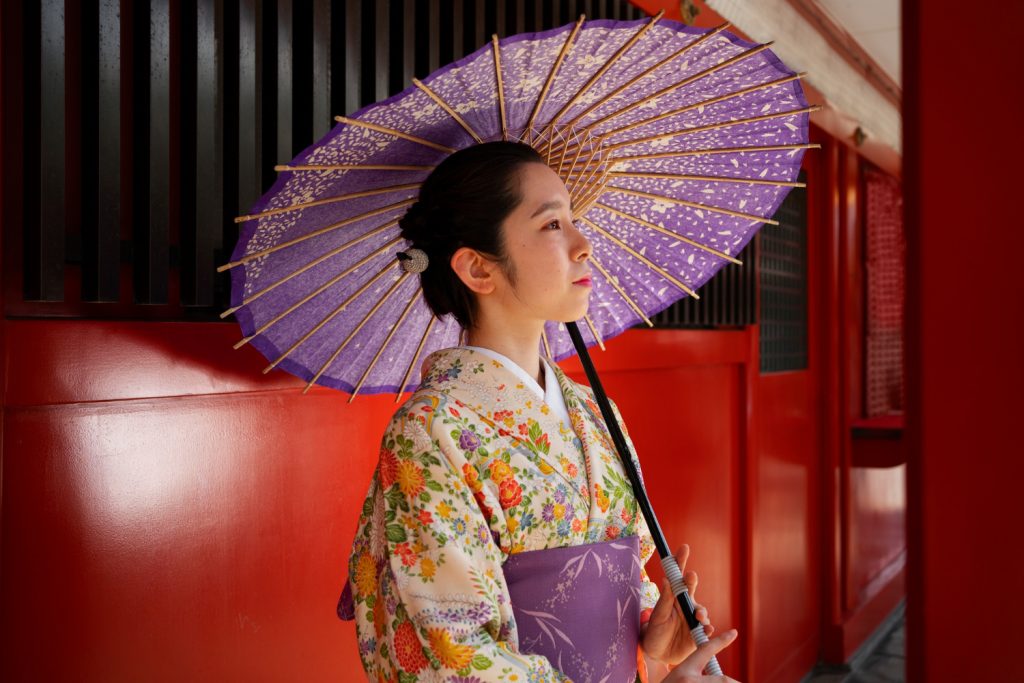
As the world becomes increasingly interconnected, Japanese fashion’s influence is poised to grow even further. Emerging designers are finding new ways to blend traditional elements with contemporary styles, appealing to younger generations. The rise of e-commerce has also made Japanese fashion more accessible, allowing consumers worldwide to explore its unique offerings.
Technology is playing a significant role in shaping the future of Japanese fashion. Innovations such as wearable tech, 3D printing, and smart fabrics are being integrated into designs, pushing the boundaries of what clothing can achieve. These advancements, combined with Japan’s rich cultural heritage, create endless possibilities for innovation.
Furthermore, collaborations between Japanese designers and international brands are fostering cross-cultural exchanges. These partnerships not only showcase the versatility of Japanese fashion but also strengthen its position in the global market. As this exchange continues, the legacy of Japanese fashion will undoubtedly leave a lasting impression.
A Timeless Influence
From the elegance of the kimono to the innovation of contemporary designers, Japanese fashion has left an indelible mark on the global style landscape. Its ability to blend tradition with modernity, while embracing cultural fusion and sustainability, makes it a source of inspiration for designers and consumers alike.
By continuing to adapt and innovate, Japanese fashion remains relevant in an ever-changing industry. Its lasting impact is a testament to the power of cultural heritage and creativity, ensuring that Japan’s influence on global fashion will endure for generations to come.