




Fusion Fashion: When East Meets West on the Runway
Fusion fashion has emerged as a significant force in global style, connecting cultural heritage with contemporary aesthetics. This smooth integration of traditions has transformed the perspectives of designers and consumers regarding clothing, establishing cross-cultural design as a fundamental element in high fashion and streetwear. Let’s take a look at how this trend is influencing worldwide fashion styles, crafting a hybrid look that attracts a wide-ranging audience.
The Rise of Cross-Cultural Design
Cross-cultural design is not a new phenomenon but has gained unprecedented momentum in recent years. Designers from both the East and West have increasingly drawn inspiration from each other, incorporating unique elements that reflect a blend of their origins. Whether it’s the intricate embroidery of India merged with contemporary Western silhouettes or Japanese kimonos reimagined into sleek evening gowns, the beauty of cultural blending is in the details.
The growth of this trend can be linked to globalization and the heightened interaction with various cultures via travel, media, and the internet. Notable designers such as Elie Saab, who blends Middle Eastern elements with European elegance, and Guo Pei, known for merging Chinese designs with Western high fashion, illustrate this progression. Cross-cultural design not only creates visually striking fashion; it also narrates tales of heritage, identity, and common humanity.
For consumers, fusion fashion offers an opportunity to celebrate diversity while embracing a personal sense of style. It’s not just about wearing something beautiful but also about participating in a dialogue that transcends borders. As global fashion trends continue to evolve, the role of cross-cultural design becomes even more significant.
Cultural Blending: A Testament to Unity
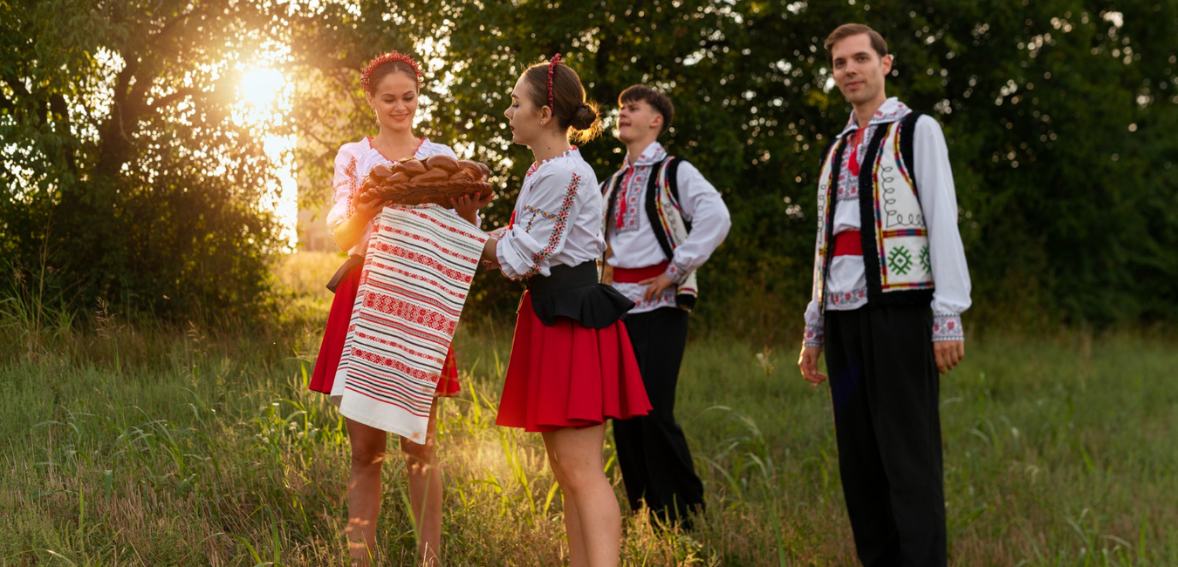
Cultural blending in fashion serves as a testament to unity and mutual respect. This process involves merging traditional patterns, textiles, and techniques from different regions to create something entirely new yet deeply rooted in history. Designers often look to folklore, traditional costumes, and artisanal crafts to inspire their collections.
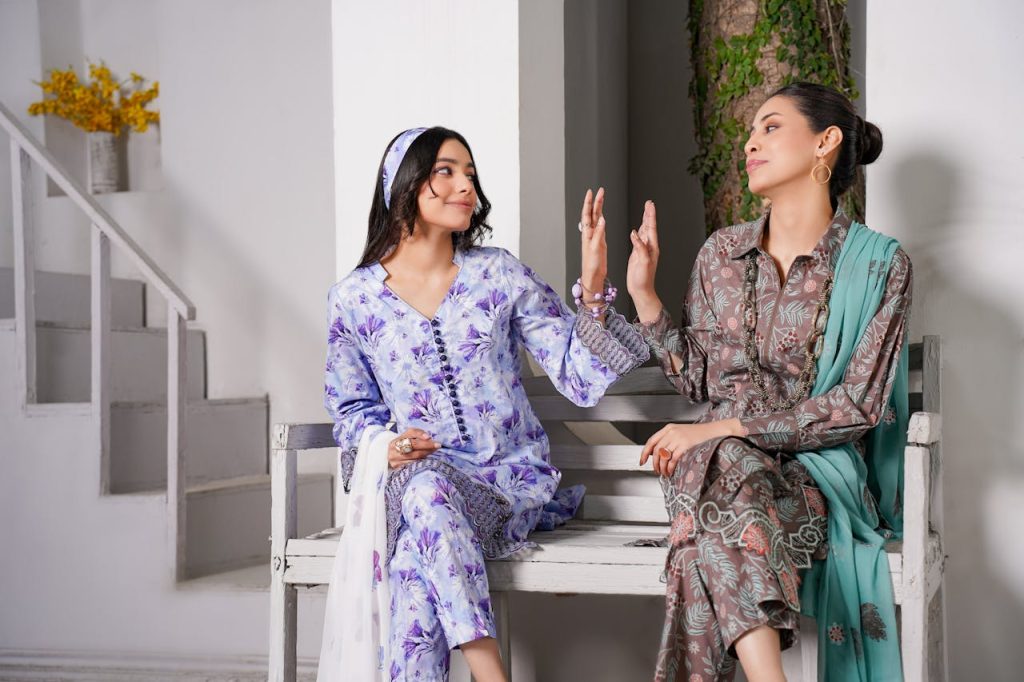
For example, exhibits displaying African fabrics alongside simple European cuts or South Asian lehengas matched with Western jackets illustrate how the fusion of cultures changes daily attire. This blend transcends mere visuals; it honors skills and cultural legacy. The hybrid aesthetics resulting from this fusion enable wearers to celebrate various cultural stories at the same time.
One remarkable example is the collaboration between Indian designer Manish Arora and Western labels, which brought vibrant colors and traditional motifs to mainstream international fashion. Similarly, Dolce & Gabbana’s Chinese-inspired collection paid homage to East Asian aesthetics while integrating their signature Western flair.
However, cultural blending is not without its challenges. Designers must navigate the fine line between appreciation and appropriation, ensuring that their work respects and uplifts the cultures they draw from. When done thoughtfully, the fusion of East-West styles fosters understanding and admiration for global diversity.
Global Fashion Trends and East-West Fusion
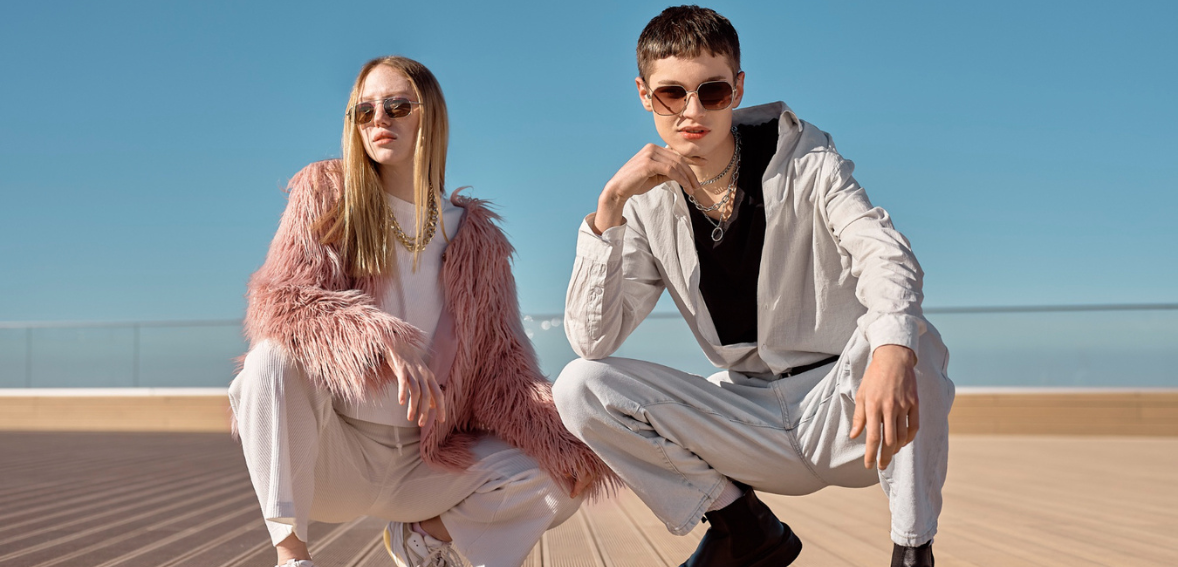
Global fashion trends have increasingly leaned toward East-West fusion, reflecting the interconnectedness of today’s world. Major fashion weeks in Paris, Milan, New York, and Tokyo have seen a surge in designs that merge elements like Asian-inspired cuts with Western fabrics or vice versa. These trends resonate with audiences because they symbolize modernity and inclusivity.
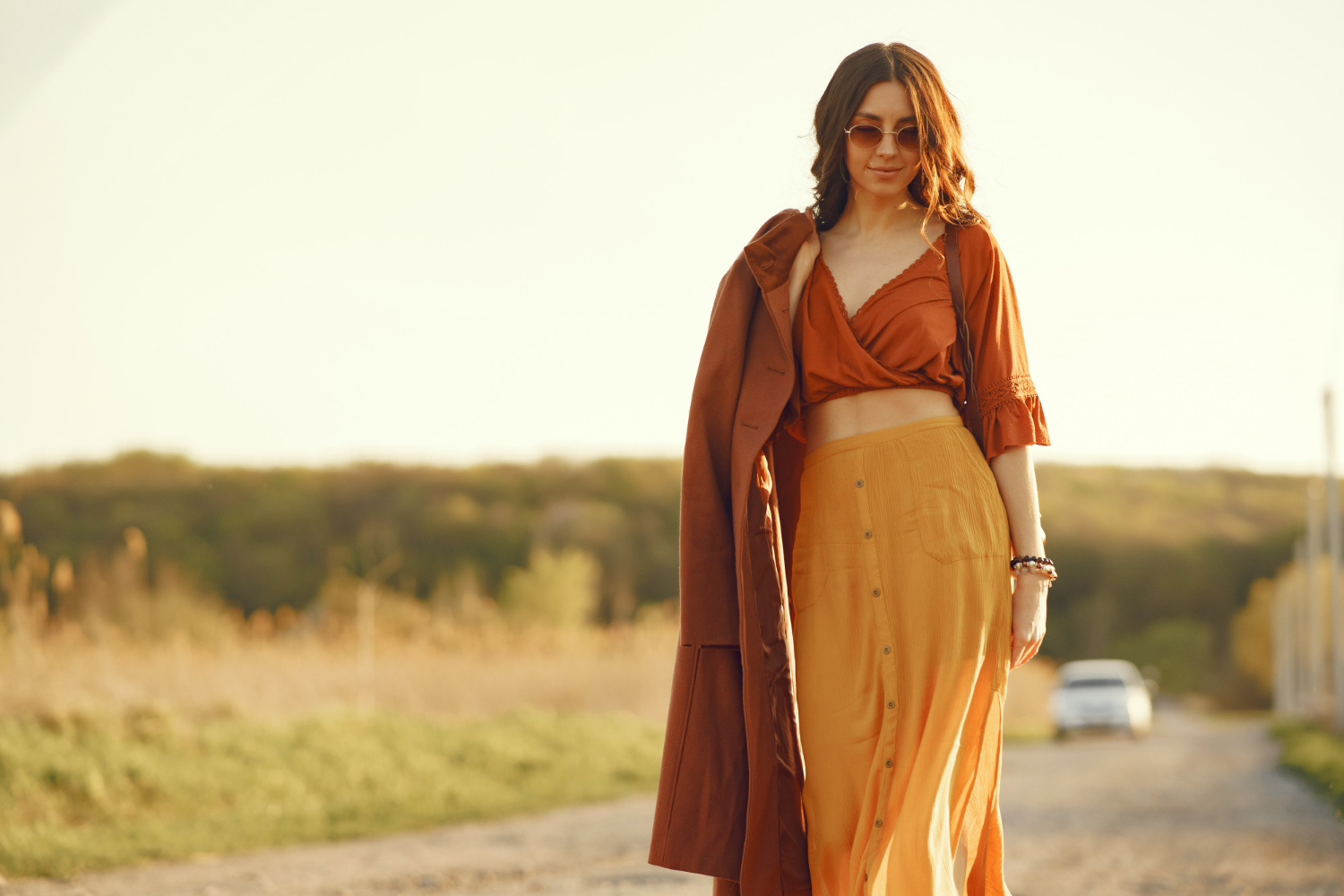
Take, for example, the resurgence of the cheongsam (qipao) in Western markets, reinterpreted with shorter hemlines and contemporary fabrics. Similarly, the West’s love affair with bohemian styles often features embroidery and patterns borrowed from Middle Eastern and Indian traditions. This blending creates a hybrid aesthetic that feels fresh and universally appealing.
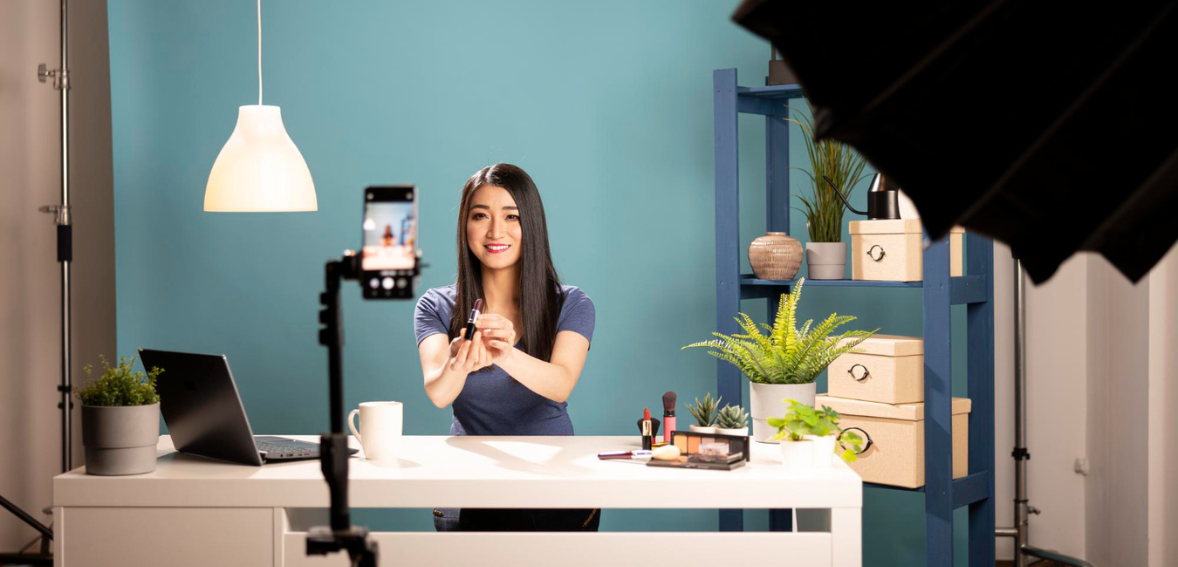
Social media networks have been essential in advancing these trends. Fashion bloggers and influencers frequently demonstrate ways to blend East-West fusion into daily outfits, making this style attainable for a worldwide audience. Brands such as Zara and H&M have also taken advantage of this trend by providing capsule collections influenced by cultural fusion.
Moreover, the rise of ethical and sustainable fashion has brought attention to traditional craftsmanship from various regions. Designers are collaborating with local artisans to create pieces that honor cultural traditions while appealing to contemporary tastes. As global fashion trends continue to embrace East-West fusion, the runway becomes a stage for celebrating diversity and innovation.
Hybrid Aesthetics: The New Face of Fashion
Hybrid aesthetics are redefining the fashion landscape by merging traditional elements with modern design philosophies. This approach not only breaks stereotypes but also sets new standards for creativity. From combining bold prints with structured tailoring to juxtaposing flowing fabrics with edgy cuts, hybrid aesthetics make fashion an exciting playground for experimentation.
A notable instance is the adoption of sari-like draping in formal dresses or the integration of ikat designs in high-end purses. Designers such as Prabal Gurung and Naeem Khan, with their Asian backgrounds and a focus on an international audience, excel in crafting these hybrids that resonate with various preferences. Their efforts show how the combination of Eastern and Western elements can create designs that seem both modern and eternal.
The beauty of hybrid aesthetics lies in their versatility. These designs often transcend traditional boundaries, making them suitable for various occasions—from formal events to casual outings. Additionally, they cater to a younger, more globally aware audience that values individuality and cultural inclusivity.
As hybrid aesthetics gain traction, they’re also influencing how brands position themselves in the market. By embracing cross-cultural design, companies can reach broader audiences and create collections that resonate on a deeper level. This trend isn’t just about clothes; it’s about creating a global fashion identity that everyone can relate to.
The Future of Fusion Fashion
The future of fusion fashion looks incredibly promising as the world becomes more interconnected. Designers are no longer confined to their cultural or geographical roots; instead, they draw inspiration from a global tapestry of influences. This openness has led to a more inclusive and diverse fashion industry.
Emerging designers from areas such as Southeast Asia, Africa, and South America are leaving their imprint on the world scene, presenting creative approaches to fusion fashion. They are questioning conventional standards and reinterpreting the concept of crafting hybrid aesthetics. Simultaneously, well-known brands are increasingly partnering with artists and artisans from various cultures to add authenticity to their collections.
Technology is another driving force shaping the future of East-West fusion. Virtual fashion shows and digital platforms allow designers to showcase their creations to global audiences, further blurring the lines between cultural boundaries. Additionally, advancements in textile technology are enabling the creation of sustainable materials that blend traditional techniques with modern innovations.
As consumers become more conscious of the stories behind their clothes, fusion fashion offers a unique way to connect with global heritage. By wearing pieces that embody cross-cultural design, individuals can celebrate diversity while making a statement about their values. The future of fashion lies in its ability to unite—a goal that fusion fashion is already achieving on runways around the world.
Conclusion
Fusion fashion transcends being merely a trend; it embodies a movement that honors the splendor of diversity and the strength of creativity. Using cross-cultural design, cultural fusion, global fashion trends, East-West integration, and hybrid aesthetics, the industry is pushing limits and transforming style for an international audience. As the world progresses, our methods of self-expression through clothing will also change, rendering fusion fashion an enduring and motivating phenomenon.