











Streetwear Meets Tradition: The Rise of Cultural Symbols in Urban Fashion
Urban fashion has become a global phenomenon, blending contemporary streetwear with traditional cultural symbols. This exciting fusion has reshaped the way young people express identity and heritage. From embroidered motifs to bold patterns inspired by ancestral art, cultural elements are redefining streetwear trends in the 21st century. Let’s explore how tradition and modernity collide in this vibrant fashion movement.
The Evolution of Urban Fashion
Urban fashion has its roots in countercultures of the 1980s and 1990s, emerging as a rebellious form of self-expression. Initially inspired by hip-hop, skateboarding, and punk subcultures, streetwear became a symbol of individuality and defiance against societal norms. However, over time, it transformed into a mainstream trend, embraced by high fashion houses and influencers alike.
Cultural symbols entered the mix as globalization began connecting people across continents. Designers started incorporating traditional elements such as African prints, Japanese kanji, and Native American patterns into their collections. These designs, once reserved for specific ethnic groups, now have a universal appeal. This blending signifies how urban fashion continues to evolve, drawing inspiration from diverse sources to create something fresh and innovative.
While critics argue that this appropriation can dilute cultural significance, many brands collaborate with local artisans to respect authenticity. This collaborative approach has elevated streetwear into a platform for cultural storytelling, bridging gaps between generations and communities. As a result, urban fashion is no longer just about style—it’s a celebration of heritage in a modern context.
Cultural Symbols: A New Narrative in Streetwear
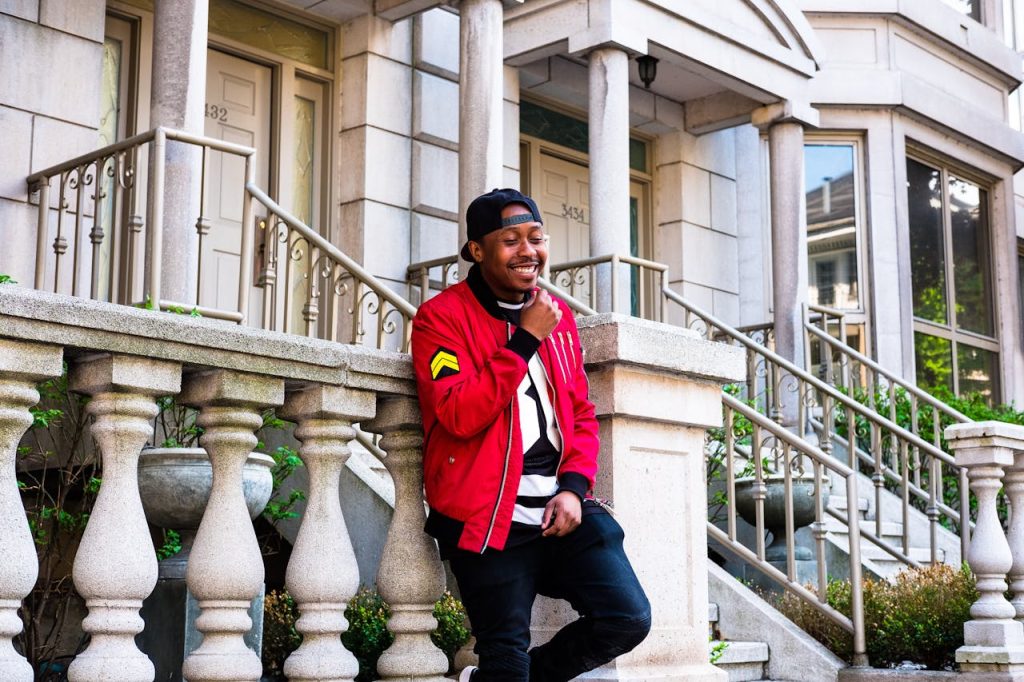
Cultural symbols have emerged as powerful tools for redefining streetwear. Symbols like mandalas, tribal tattoos, and indigenous patterns are now central to many streetwear trends. These elements go beyond aesthetics; they carry deep historical and spiritual meanings, offering wearers a chance to connect with their roots.
Take, for example, the use of African Ankara fabric in contemporary designs. This vibrant textile, traditionally worn in ceremonies, is now seen on sneakers, jackets, and even accessories. Similarly, Japanese streetwear often incorporates kanji characters, reflecting themes like resilience and harmony. These elements resonate with youth culture, where individuality and cultural pride intersect.
Social media has played a key role in amplifying these trends. Platforms like Instagram and TikTok showcase how influencers and brands blend heritage with urban aesthetics. This visual storytelling has inspired younger audiences to explore their cultural identities through fashion. By doing so, they create a dialogue about the importance of preserving traditions while embracing modernity.
However, the rise of cultural symbols in urban fashion also raises questions about authenticity. When designs are mass-produced without understanding their significance, they risk becoming superficial. To avoid this, many streetwear labels work closely with cultural communities to maintain integrity. By respecting the origins of these symbols, they ensure that tradition remains a vital part of the narrative.
Global Influences on Urban Fashion
Urban fashion thrives on global influences, blending styles from different cultures into a cohesive yet diverse aesthetic. The interconnectedness of the modern world has allowed streetwear to draw inspiration from places as far apart as Tokyo and Johannesburg.
One notable example is the rise of Korean streetwear, which combines traditional hanbok elements with edgy designs. This fusion has gained international acclaim, with brands like Hyein Seo and street markets in Seoul becoming global hubs for innovation. Similarly, Latin American patterns and embroidery have found their way into urban fashion, adding a vibrant and dynamic flair.
Another significant influence comes from Indigenous communities. Brands like B.Yellowtail, which collaborates with Native American artists, showcase how traditional craftsmanship can coexist with modern design. These collaborations not only celebrate culture but also provide economic opportunities for marginalized groups.
Youth culture plays a pivotal role in spreading these influences. As young people travel, consume media, and interact online, they share and adopt styles that resonate with their values. This cross-cultural exchange has turned urban fashion into a melting pot of ideas, where boundaries blur, and innovation flourishes.
The Role of Youth Culture in Shaping Trends
Youth culture is at the heart of the streetwear movement. Young people are often the first to embrace bold trends, making them key drivers of cultural and stylistic shifts. Their desire for self-expression, authenticity, and connection fuels the popularity of streetwear infused with cultural symbols.
For many, wearing culturally inspired designs is a way to showcase pride in their heritage. It’s also a form of rebellion against homogenized fashion. By choosing unique pieces that reflect their identity, young people challenge the status quo and create space for diversity in the industry.
Music, art, and social activism also influence youth-driven streetwear trends. Hip-hop artists often collaborate with brands to introduce cultural elements into their merchandise. For instance, Kendrick Lamar’s album-inspired collections feature African symbolism, connecting his art to his roots. Similarly, graffiti artists and illustrators use fashion as a canvas to share cultural narratives.
Youth-driven movements have also called out cultural appropriation, demanding accountability from brands. They encourage designers to engage with the communities whose symbols they use, fostering a more inclusive and respectful approach to urban fashion. This activism ensures that streetwear remains more than a trend; it’s a platform for meaningful cultural exchange.
Challenges and Criticisms of Cultural Integration
Despite its growing popularity, the integration of cultural symbols into urban fashion is not without controversy. One of the most significant issues is cultural appropriation—the unacknowledged or inappropriate use of elements from one culture by another. This can strip symbols of their original meaning and reduce them to mere trends.
For example, indigenous patterns and sacred symbols have often been used in collections without proper attribution or respect. This has led to backlash from cultural communities who feel their heritage is being exploited for profit. Such instances highlight the need for brands to prioritize ethical practices when incorporating cultural symbols.
Another challenge is the commercialization of tradition. When sacred or ceremonial designs become mass-produced, their significance can be diluted. This raises questions about whether tradition and modernity can coexist without compromising authenticity.
To address these concerns, many brands are adopting more collaborative approaches. By working directly with artisans and cultural experts, they ensure that their designs honor the original context of the symbols they use. This not only preserves cultural integrity but also creates opportunities for communities to benefit economically from their contributions.
The Future of Cultural Symbols in Urban Fashion
As urban fashion continues to evolve, the role of cultural symbols is likely to grow even more significant. With globalization showing no signs of slowing down, the fusion of tradition and streetwear will remain a powerful force in shaping trends.
Sustainability and ethical practices will also play a crucial role in the future of this movement. Consumers are becoming increasingly conscious of where their clothes come from and the stories they tell. This shift toward mindful consumption aligns with the values of preserving and respecting cultural heritage.
Technology, too, will influence the future of cultural streetwear. Digital tools like AI and virtual reality can help designers experiment with traditional patterns in innovative ways. At the same time, online platforms will continue to amplify cultural voices, ensuring that diverse perspectives remain at the forefront of fashion.
Ultimately, the fusion of cultural symbols and urban fashion is more than a trend—it’s a reflection of our interconnected world. By celebrating heritage while embracing modernity, streetwear creates a space where tradition thrives in unexpected and exciting ways.