


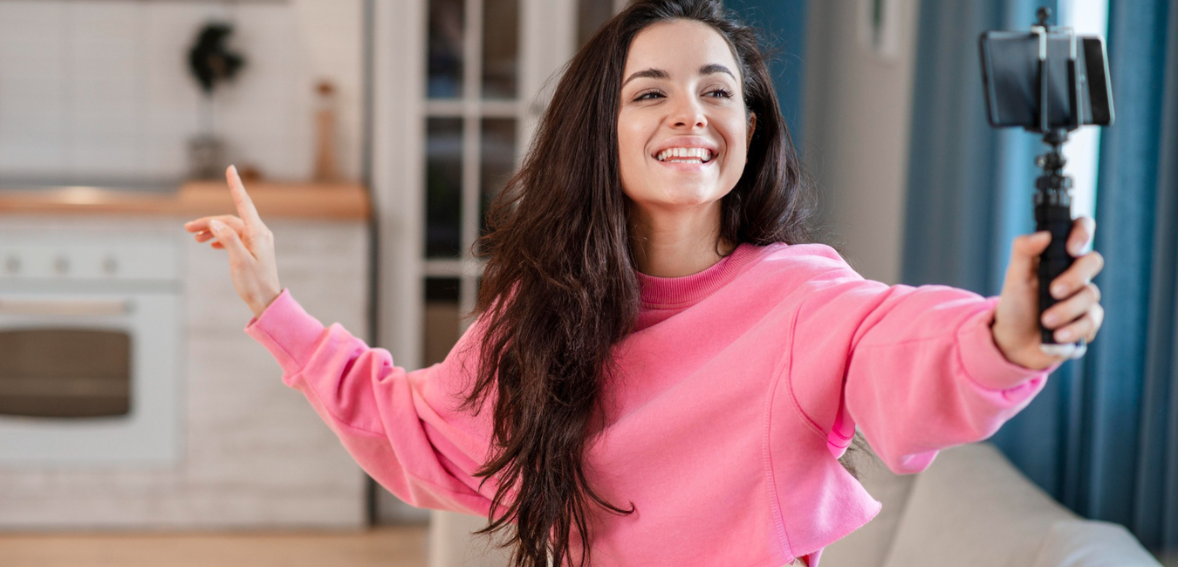
From Runway to Reel: How TikTok is Revolutionizing Fashion Trends
Fashion has always been influenced by cultural shifts, technology, and the way people consume media. Traditionally, trends would emerge from runways, be picked up by fashion magazines, and trickle down to the general public over months or even years. Today, that timeline has been drastically shortened, thanks to the explosive rise of TikTok. The platform has become a powerhouse in shaping TikTok fashion trends, enabling styles to emerge, evolve, and reach global audiences almost overnight. With its unique blend of short-form video, algorithm-driven recommendations, and a highly engaged community, TikTok has blurred the line between high fashion and street style.
What sets TikTok apart from previous fashion influencers, like Instagram or traditional celebrity endorsements, is the speed and inclusivity with which it spreads ideas. Anyone, regardless of their location, background, or budget, can become a style trendsetter. By showcasing social media style through creative content and relatable personalities, TikTok has democratized fashion in a way that has never been seen before. From vintage revivals to viral fashion challenges, the platform has redefined how trends are born and sustained in the modern era.
The Rise of TikTok as a Fashion Powerhouse
When TikTok first gained popularity, its main focus was on entertainment; dance routines, lip-sync videos, and comedic skits. However, as its user base expanded, so did its influence across various industries, including fashion. Today, TikTok fashion trends can launch from a single viral video, with millions of users rushing to recreate the look within days. Unlike the fashion cycle of the past, where trends were dictated by a select few, TikTok’s algorithm rewards content that resonates with everyday users, making it easier for niche styles to gain mainstream appeal.
This has allowed social media style to become more dynamic and fast-paced. Emerging designers can showcase their work alongside established brands, gaining instant exposure without needing a runway show. Thrift shopping, DIY upcycling, and sustainable styling tips have also found a large audience on the platform, proving that fashion influence is no longer reserved for those with high budgets. In many cases, viral fashion challenges act as catalysts, encouraging viewers to participate in style-based trends and share their own interpretations, further amplifying the reach of these trends.
Democratizing Fashion Through TikTok
One of the most significant impacts of TikTok is its ability to break down traditional fashion hierarchies. In the past, trends would trickle down from elite fashion shows in Paris, Milan, and New York, eventually reaching the average consumer. Now, TikTok fashion trends can emerge from someone’s bedroom just as easily as from a designer’s studio. This shift has made fashion more accessible, as creators from different countries and backgrounds bring unique perspectives to social media style.
Inclusivity has also become a cornerstone of this change. TikTok’s diverse user base means that fashion inspiration is no longer limited to a narrow set of body types, ethnicities, or personal styles. Instead, the platform celebrates individuality, with viral fashion challenges often encouraging people to showcase how they adapt a trend to suit their personal taste. As a result, trends are no longer defined solely by industry insiders; they are shaped by a collective of voices from around the world.
The Role of the Algorithm in Trend Creation
TikTok’s algorithm is the reason why TikTok fashion trends spread so fast. By looking at user interactions like likes, comments, shares and watch time the algorithm makes sure the content reaches highly relevant audiences. This personalized discovery process means even unknown creators can go viral if their content resonates. The result is a never ending stream of fashion inspiration, most of it from regular people not traditional influencers.
Because the algorithm rewards engaging and visually good content, social media style creators often focus on short, snappy videos that show outfit changes, styling tips or fashion transformations. This format is perfect for viral fashion challenges which are usually simple, repeatable actions that can be customized by anyone. Whether it’s a quick change from casual to evening wear or a thrift flip, the algorithm makes sure these trends spread way beyond the creator’s immediate followers and sparks participation on a massive scale.
Viral Fashion Challenges: More Than Just Fun
While fashion challenges might seem like fun and games, they have a big impact on consumer behaviour. One challenge can create a surge in demand for certain items of clothing, accessories or even entire styles. For example, challenges that focus on “outfit transformations” or “style swaps” encourage participants to buy new or rediscover what they already own, which means sales for featured products go up.
These challenges also show the interactive nature of TikTok fashion trends. They make users active participants not passive viewers, so the trend feels more personal and fun. They create communities around certain aesthetics, from vintage social media style movements to minimalist or maximalist fashion. For brands this is a marketing opportunity, to be part of a challenge can give you huge visibility and credibility with younger audiences.
The Influence on Traditional Fashion Cycles
Traditionally, the fashion industry operated on a seasonal schedule, with designers debuting collections months before they reached store shelves. TikTok has disrupted this model by accelerating the pace at which trends develop and fade. Now, TikTok fashion trends can emerge and peak within weeks, forcing brands to adapt their production and marketing strategies to keep up.
This shift has also blurred the lines between seasonal wear, as social media style on TikTok often mixes pieces from different seasons or reinvents older trends. For instance, a summer dress might be styled with winter accessories to create a fresh look, or vintage garments may be paired with modern streetwear for a unique combination. The influence of viral fashion challenges further speeds up these cycles, as trends can quickly reach saturation before being replaced by the next big thing. This new reality challenges designers and retailers to be more flexible and responsive to consumer demand.
The Sustainability Conversation on TikTok
TikTok’s fast trend cycles can be overwhelming but they’ve also given us space to talk about sustainability. Many TikTok fashion trends are about thrift shopping, clothing swaps and DIY alterations, showing us more sustainable ways to be in fashion. Creators who do sustainable social media style get a loyal following by showing us how to look good without buying new clothes all the time.
Viral fashion challenges have even emerged around sustainable fashion, like styling thrifted items or doing “no-buy” months. These trends not only encourage creativity but also raise awareness about fast fashion. By making sustainability appealing and accessible TikTok has brought eco-friendly style into mainstream fashion conversation especially among the younger generation who are more conscious about ethical consumerism.
Opportunities and Challenges for Fashion Brands
For fashion brands, TikTok offers a powerful yet unpredictable landscape filled with both opportunities and challenges. The platform’s unique ability to spark fashion trends almost overnight means that a single well-timed post can propel a brand into the spotlight, generating massive exposure within days; or even hours. By collaborating with TikTok creators who genuinely embody current social media style aesthetics, brands can create marketing campaigns that feel authentic and relatable, fostering stronger emotional connections with their target audience.
However, the same rapid trend cycle that drives viral success also presents significant challenges. TikTok fashion challenges and aesthetics can lose relevance just as quickly as they emerge, making it difficult for brands to sustain momentum. This demands a high level of agility, as marketing teams must identify, create, and launch content in near real-time to remain relevant.
Additionally, adapting to fleeting trends while staying true to a brand’s core identity can be a delicate balancing act. Too much deviation risks alienating loyal customers, while being too rigid can cause brands to miss key cultural moments. Ultimately, those that combine authenticity, creativity, and quick response times are best positioned to not just survive, but thrive in TikTok’s fast-moving fashion ecosystem.
The Future of Fashion in the TikTok Era
Looking forward, TikTok fashion trends will only get more dominant. As technology advances, features like AR try on and more interactive shopping will make the line between inspiration and purchase even more blurry. Social media style will get even more personal with the algorithm serving up hyper relevant trends to individual users based on their interests and engagement.
Meanwhile, fashion challenges will remain the core driver of engagement, they will evolve with new formats and creative twists. For creators and brands the key will be to be adaptable, authentic and connected to the communities that drive these trends. TikTok has proven that fashion inspiration no longer has to come from the elite gatekeepers – it can come from anywhere, at any time and reach millions.

The Rise of Micro-Trends on TikTok
While mainstream TikTok fashion trends can dominate the platform for weeks, there has been a noticeable rise in micro-trends; smaller, niche styles that appeal to highly specific communities. These trends may not reach the same level of global visibility as larger movements, but they often create deeper engagement among dedicated audiences. Micro-trends can emerge from subcultures, specific aesthetics, or even inside jokes within TikTok communities.
For creators, micro-trends offer a chance to define their unique social media style and stand out in a crowded fashion space. They can be based on particular color palettes, patterns, or styling rules that resonate with a certain group. In many cases, these micro-trends grow organically, driven by a handful of videos that inspire others to replicate the look. While they may fade faster than mainstream movements, they often leave a lasting impression on niche audiences and can influence future viral fashion challenges.
For brands, tapping into micro-trends requires attentiveness and flexibility. By engaging with smaller communities authentically, brands can build credibility and loyalty, even if the trend itself is short-lived. This hyper-focused approach reflects TikTok’s ability to make fashion feel personal, accessible, and constantly evolving.
TikTok’s Role in Expanding Fashion Diversity
One of the most transformative aspects of TikTok fashion trends is their role in promoting diversity across the industry. Unlike traditional media, which has historically spotlighted a narrow range of body types, ethnicities, and styles, TikTok thrives on representation. Users from different backgrounds bring fresh perspectives to social media style, showing how trends can be adapted to suit varying cultural influences, body shapes, and personal preferences.
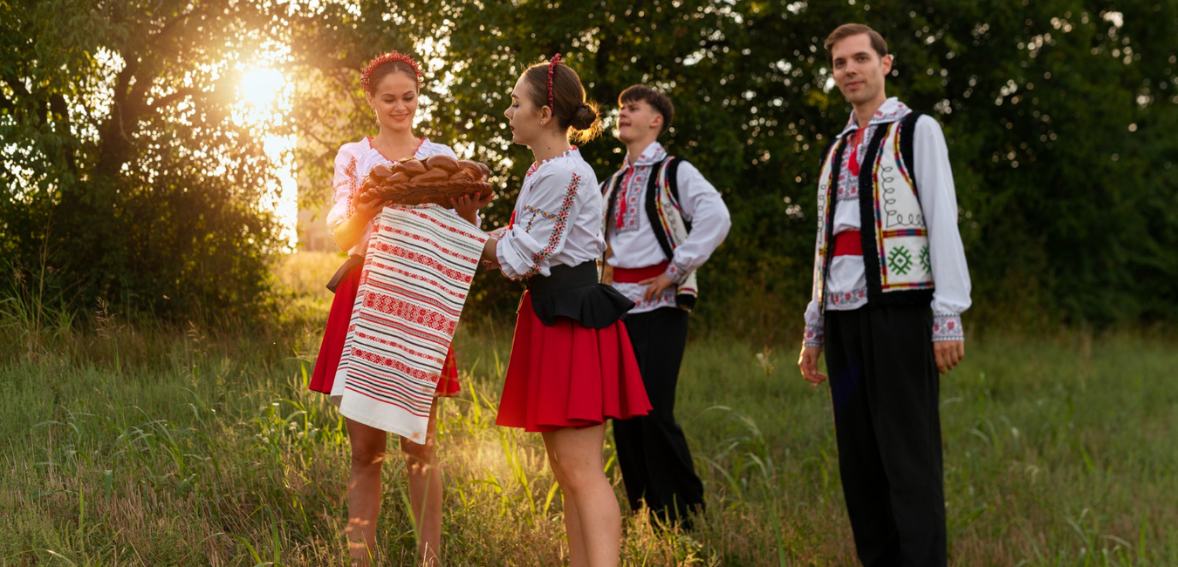
This inclusivity has had a ripple effect on viral fashion challenges, where participants often reinterpret trends through the lens of their own identity and experiences. For example, a challenge centered on a specific outfit transition might inspire creators to incorporate traditional garments, modest fashion choices, or adaptive clothing into their videos. This not only broadens the trend’s appeal but also normalizes diversity in everyday style content.
By amplifying voices that have traditionally been underrepresented, TikTok fosters a more inclusive fashion ecosystem. Brands that align with this diversity and authentically feature creators from a range of backgrounds are better positioned to connect with modern consumers who value representation. In this way, TikTok is not just revolutionizing trends; it’s reshaping the cultural narrative around fashion.
Conclusion
TikTok has redefined how trends are created, shared, and embraced, shifting fashion from a top-down model to a collective, fast-moving exchange of ideas. Through TikTok fashion trends, the platform has given rise to a new era of social media style, where inclusivity, creativity, and accessibility are at the forefront.
The energy and engagement generated by viral fashion challenges show that fashion is no longer just about following; it’s about participating, personalizing, and sharing. For consumers, this means more opportunities to explore and experiment with style. For brands, it means learning to adapt to a landscape where trends can peak and fade in record time. Ultimately, TikTok’s influence on fashion is here to stay, marking a turning point in how style moves from runway to reel.